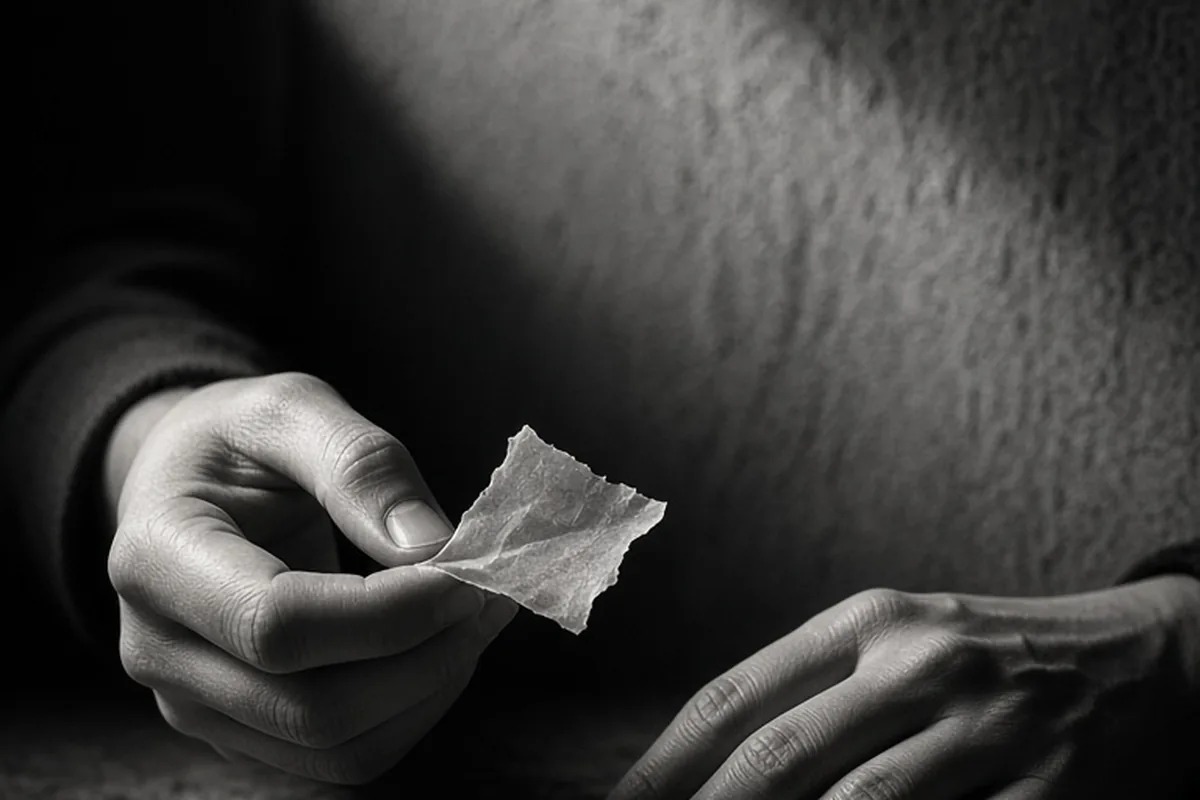
Women shed their skin continuously through a natural biological cycle known as desquamation. Every human body sheds between 30,000 and 40,000 microscopic dead skin cells every minute, totaling millions daily. Women do not molt in large sheets like reptiles, but visible peeling can occur when skincare exfoliants, retinoids, intense sun exposure, or extreme dryness speed up or disrupt this renewal cycle.
Online humor and viral videos often make dramatic jokes about women shedding entire layers of skin during seasonal changes or beauty routines. While the idea of molting like a reptile is pure fiction, the reality of human cellular renewal involves a complex, continuous process that directly shapes how skin looks, feels, and responds to daily care.
The Biological Process of Human Skin Renewal
The outermost layer of the human body, the epidermis, operates on a constant cycle of regeneration. At the base of the epidermis, new keratinocyte cells are continually generated through cell division. Over the course of roughly twenty-eight to forty days in healthy adults, these cells mature and migrate upward toward the surface. By the time they reach the top layer, called the stratum corneum, they have flattened out and lost their nuclei, becoming tough, protective dead cells known as corneocytes. This natural cycle protects deeper tissues from environmental pathogens, moisture loss, and physical abrasion.
Under ordinary conditions, this shedding happens invisibly on a cellular level. Microscopic bonds called desmosomes hold the surface cells together until specialized natural enzymes dissolve them, allowing individual dead cells to detach imperceptibly during everyday activities like washing, changing clothes, or sleeping. Men and women undergo this same fundamental biological process, though individual turnover rates vary based on age, hormonal fluctuations, general hydration, and personal genetics. When you notice visible flakes or larger peeling areas, it indicates that thousands of cells are detaching simultaneously rather than separating one by one.
Why Social Media Jokes About Women Shedding Skin
The internet trope that women shed their skin usually originates from common beauty rituals that produce dramatic, visible peeling. Popular at-home treatments, such as exfoliating foot peels containing high concentrations of alpha-hydroxy acids, cause thick sheets of dead calloused skin to slough off over several days. When people post photos or videos of this striking process, it often leads to humorous commentary about women undergoing an annual molt. Similarly, intensive peeling face masks and sheet treatments create physical films that pull away in large pieces, visually mimicking the shedding of an outer layer.
Living together or sharing a bedroom also makes natural shedding more noticeable between partners. Women frequently use body lotions, dry brushes, or physical body scrubs that capture or lift shedding cells in concentrated amounts. Additionally, lighter-colored bedding or shared vanities can make everyday flaking more obvious. Recognizing the difference between theatrical skincare products and ordinary biology helps demystify these routines and removes any confusion or awkwardness around everyday self-care.
Active Skincare Ingredients That Accelerate Exfoliation
Visible peeling on the face is most commonly driven by active skincare ingredients designed to accelerate cellular turnover. Prescription retinoids such as tretinoin, as well as over-the-counter retinol and retinaldehyde, signal deeper skin layers to produce new cells at a faster rate. During the initial weeks of using a retinoid, the rapid push of new cells causes the outer stratum corneum to shed in noticeable clumps and patches, a phenomenon often referred to as the retinoid adaptation or retinization phase.
Chemical exfoliants like glycolic acid, lactic acid, and salicylic acid also loosen the intercellular glue that binds dead cells together. While this process reveals smoother, brighter skin underneath, overuse can lead to extensive visible peeling, dryness, and irritation. When incorporating active ingredients, introducing them gradually—such as once or twice a week—allows the barrier to adapt without triggering sudden, unmanageable flaking across the face.
Environmental Factors and Climate Triggers for Flaking
External conditions play a significant role in how evenly the skin releases dead cells. During winter months, low ambient humidity combined with indoor heating rapidly pulls water out of the stratum corneum. When skin loses critical water content, its natural shedding enzymes stop functioning properly. Instead of shedding invisibly, dead cells stick together in dry, uneven clusters that appear as noticeable white or gray flakes on the cheeks, nose, and legs.
Sunburn represents another common environmental cause of aggressive peeling. When ultraviolet radiation damages skin cells beyond repair, the body initiates a coordinated inflammatory response to shed the damaged tissue quickly. The immune system triggers localized peeling to clear away mutated or dying cells, resulting in sheets of skin sloughing off several days after unprotected sun exposure. Wearing broad-spectrum sunscreen daily helps maintain steady, healthy cellular renewal while preventing this traumatic shedding response.
Recognizing the Difference Between Glow and Barrier Damage
In modern skincare culture, there is sometimes a misconception that visible peeling is a necessary sign that a product is working. While controlled shedding can accompany certain professional chemical peels, everyday skincare should not cause persistent tightness, stinging, or cracking. A healthy rate of cellular renewal leaves the complexion supple, smooth, and comfortable, with dead cells detaching without visible drama or discomfort.
If skin begins to burn when applying a basic moisturizer, appears persistently red, or feels tight like plastic wrap, the moisture barrier has likely been compromised. Aggressive shedding under these circumstances is a distress signal rather than a beneficial detox. Continuing to exfoliate over an irritated barrier creates micro-fissures that increase susceptibility to environmental irritants and bacterial breakouts. Stepping back to rest the skin is the most effective way to restore equilibrium.
Practical Habits to Maintain a Healthy Moisture Barrier
Supporting steady, microscopic shedding requires consistent moisture and gentle handling rather than harsh scrubbing. Cleansing with lukewarm water instead of hot water preserves the delicate lipid matrix that holds surface cells together. Following cleansing immediately with hydrating ingredients like hyaluronic acid, glycerin, and barrier-repairing ceramides helps lock in moisture, allowing natural desquamation enzymes to work smoothly below the surface.
Resisting the urge to manually peel, pick, or aggressively scrub flaking skin is equally critical. Tearing off peeling skin before it has naturally separated from the healthy living tissue underneath can cause raw patches, post-inflammatory hyperpigmentation, and increased sensitivity. If visible flakes appear, applying a richer emollient balm or soothing barrier cream softens the rough texture while the underlying layers complete their natural maturation process.
Navigating Skincare Routines and Expectations in Relationships
Sharing living spaces often brings different hygiene habits, grooming rituals, and skincare routines into sharp focus. A partner who is unaccustomed to active skincare products might feel surprised or concerned when they notice visible flaking, peeling masks, or shedding foot treatments. Open, straightforward communication removes mystery and prevents unnecessary self-consciousness or misinformed comments about someone's skin health.
Respecting each person's self-care journey fosters a supportive home environment. Whether someone is managing a temporary retinoid purge, dealing with winter dryness, or enjoying an intensive at-home spa treatment, understanding the biological reality behind skin renewal replaces confusion with mutual confidence. Clean sheets, shared bathroom organization, and thoughtful encouragement make daily self-care a comfortable, normal part of shared life.
Illustrative Scenarios
Navigating Retinoid Peeling in a Shared Home
Liam noticed small patches of dry, peeling skin on his partner Sarah's forehead and around her mouth, along with white flakes on their shared pillowcase. Wondering if she was dealing with a sudden allergic reaction or poor hygiene, he initially felt confused about whether to bring it up. Instead of making a critical remark, Liam simply asked if she was trying a new product. Sarah explained she had just started a dermatologist-prescribed retinoid that speeds up skin turnover, causing temporary flaking for a few weeks. Liam appreciated the clarity, and Sarah felt comfortable managing her skincare adjustment without embarrassment.
Key point: Asking neutral questions about new routines builds mutual understanding and prevents awkward misinterpretations over normal skincare changes.
Managing Unexpected Post-Treatment Flaking
Elena used an intensive exfoliating foot peel for the first time before a weekend beach getaway with friends. Three days later, her feet began shedding large sheets of skin while she was wearing sandals, making her feel self-conscious and tempted to forcefully pull the peeling layers off. Recognizing that tearing the skin could cause painful raw spots, she resisted the urge to pick. Instead, she soaked her feet in warm water, applied a rich ceramide cream, and wore breathable cotton socks until the dead skin detached naturally. Her skin stayed protected without irritation.
Key point: Allowing peeling skin to separate naturally protects the delicate new barrier beneath from inflammation and damage.
Frequently asked questions
Do women shed more skin than men?
Men and women shed roughly the same amount of dead skin cells biologically, shedding millions of microscopic cells each day. Differences in visible flaking usually stem from individual skincare habits, shaving routines, cosmetic use, or variations in ambient moisture rather than gender.
Is it safe to peel off flaking skin manually?
Manually picking or peeling flaking skin is not recommended because it often pulls away healthy, living cells attached underneath. Tearing the skin can lead to redness, irritation, localized infections, and lingering dark marks. It is best to hydrate the area and let the flakes fall off on their own.
Why is my skin peeling even though I do not have a sunburn?
Non-sunburn peeling is usually caused by dry indoor air, hot showers, or active skincare ingredients like retinoids and exfoliating acids. When the skin loses its moisture barrier or is stimulated to renew itself faster than normal, dead cells clump together and peel visibly.
How long does skincare-related peeling usually last?
Mild peeling from starting a new exfoliant or retinoid typically lasts between two to six weeks as the skin barrier adapts. If flaking persists alongside burning, intense redness, or cracking, pausing the active product and focusing on hydration is advised.
Your next step
Evaluate your current routine to ensure that active treatments are balanced with gentle hydration, allowing your skin to renew itself smoothly and invisibly.