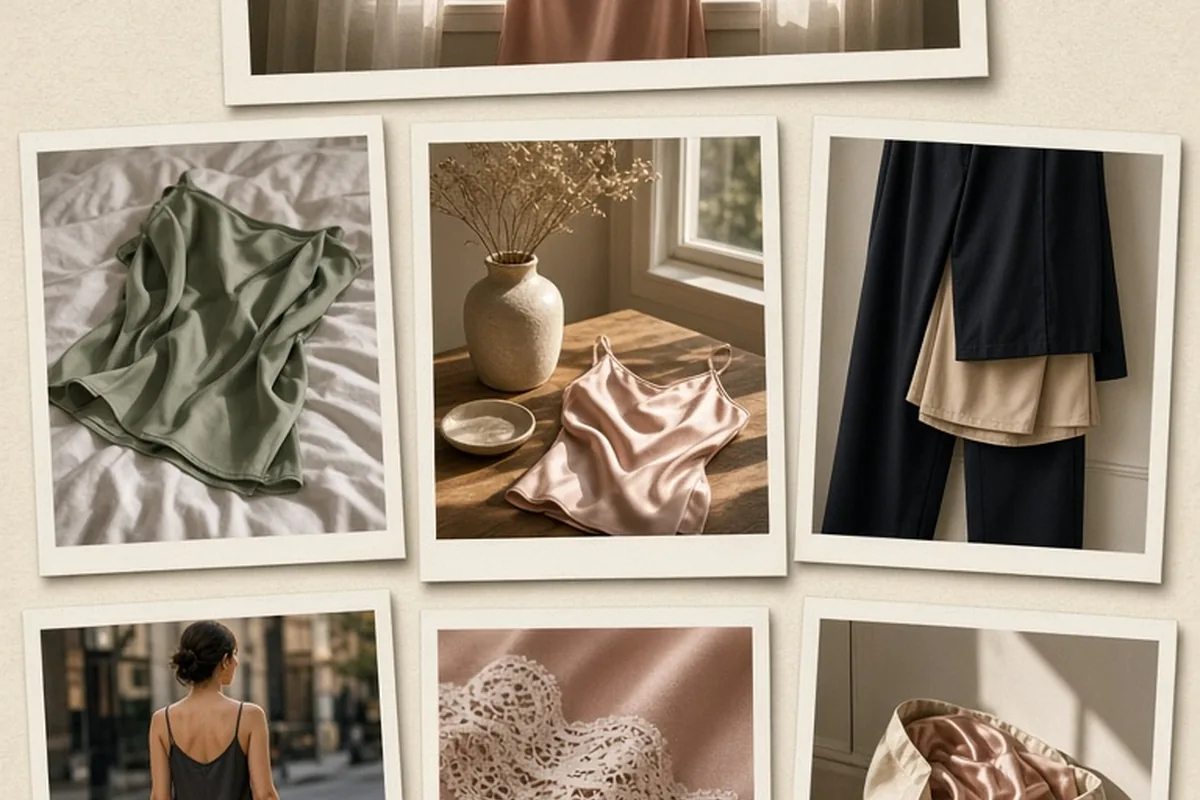
Yes, women still wear slips, though they are no longer an automatic daily requirement. Instead of being worn under every outfit for modesty, modern slips are used selectively to improve the drape of clingy fabrics, eliminate static, soften coarse materials, and prevent sheer dresses from showing undergarments in bright light. Today, traditional slips also share space with modern variations like slip shorts, anti-chafing pettipants, and standalone slip dresses.
Undergarment habits have shifted dramatically over the past few decades, leaving many people wondering if classic foundation pieces have become obsolete relics. While everyday fashion has grown far more relaxed, the functional problems that slips were invented to solve have not vanished. Understanding how and when modern wardrobes rely on slips can save an outfit from awkward clinging, unexpected transparency, and everyday discomfort.
Why the Everyday Slip Habit Shifted to Selective Use
In earlier generations, wearing a slip was considered an essential step of getting dressed each morning. Garments were frequently constructed from scratchy wools, stiff linens, or heavy unlined weaves that irritated bare skin and deteriorated quickly from sweat and body oils. A slip served as an indispensable physical barrier, protecting outer clothing from premature wear while keeping the wearer comfortable throughout the day. At the same time, strict social standards around modesty made any visible silhouette beneath a skirt unacceptable.
As casual clothing like jeans, knit t-shirts, and stretch leggings became standard everyday attire, the rigid routine of donning a slip began to fade. The invention of synthetic stretch fibers, softer fabric blends, and built-in garment linings allowed many everyday dresses to hang properly on their own without additional undergarments. Today, wearing a slip is no longer a mandatory social rule, but rather a deliberate styling choice used to solve specific clothing challenges when lightweight or tricky fabrics demand it.
The Primary Reasons People Still Wear Slips Today
One of the most frequent reasons people reach for a slip today is managing fabric transparency. A lightweight sundress, linen skirt, or chiffon wrap dress might appear perfectly opaque in dim indoor bedroom lighting, only to become completely sheer under direct outdoor sunlight or strong event flashbulbs. A neutral slip creates an invisible modesty layer that allows the wearer to move freely without worrying about whether their silhouette or underwear lines are unintentionally visible.
Another major functional benefit is controlling static cling and improving garment drape. Thin synthetic fabrics, fine knits, and silk garments tend to gather static electricity, especially during dry winter months or when paired with nylon tights. Without an intermediary layer, skirts often ride up, stick awkwardly to the thighs, or bunch between the legs while walking. A smooth slip acts as a low-friction buffer, allowing dresses to glide naturally over the body and maintain their intended clean silhouette.
Comparing Full Slips, Half Slips, and Modern Slip Shorts
Traditional full slips hang from the shoulders via thin straps and extend down past the hips or knees. They offer continuous coverage from chest to hem, making them particularly helpful beneath sheer shift dresses, wrap dresses, or button-down tunics where a separate bra line or waistband might break the smooth look of the outfit. Because full slips cover the torso, they also prevent delicate dress fabrics from catching on bra hooks, lace details, or belt seams.
Half slips, also known as waist slips, attach at the waistline with an elastic band and cover only the lower half of the body. They offer versatile modularity because they can be paired with any top, sweater, or bra without adding unnecessary bulk around the bust and shoulders. For warmer weather or active days, modern slip shorts—often called pettipants or anti-chafing shorts—have surged in popularity, providing the slippery outer surface of a traditional slip combined with the comfort and thigh protection of lightweight bike shorts.
Choosing the Best Fabric for Breathability and Performance
The fabric of a slip determines both its day-to-day comfort and its functional effectiveness. Natural fibers like silk provide excellent temperature regulation, breathability, and a luxurious feel against the skin. Silk slips drape beautifully beneath fine evening wear, though they require gentle hand-washing and can sometimes generate static in dry winter conditions if not treated with an anti-static spray. Cotton slips, on the other hand, offer maximum moisture absorption in hot, humid climates, but their natural texture lacks the frictionless glide needed under clingy knit jerseys.
Synthetic options like nylon, polyester microfiber, and rayon blends serve as practical, low-maintenance everyday workhorses. High-quality microfiber slips resist wrinkling, withstand standard machine washing, and provide the ultra-slick finish required to stop clingy skirts from bunching. When selecting synthetic slips, choosing blends with built-in anti-static treatments and breathable weave structures ensures that the slip does not trap unwanted body heat on warm days.
The Slip as Outerwear: How Lingerie Became Modern Streetwear
The slip has also crossed over from hidden underwear into prominent outerwear. Popularized during the minimalist fashion movements of the 1990s, the bias-cut slip dress remains a staple in modern capsule wardrobes. Characterized by delicate spaghetti straps, fluid drape, and clean lines, standalone slip dresses celebrate the elegant simplicity of traditional foundation wear without needing to be hidden beneath other clothing layers.
Modern styling frequently pairs slip dresses with everyday staples to balance delicacy with practicality. Throwing an oversized blazer, a structured leather jacket, or a chunky knit cardigan over a satin slip dress creates an adaptable outfit suitable for casual dinners, workplaces, and evening gatherings. This ongoing fashion crossover demonstrates that the aesthetic appeal of smooth, flowing slip garments remains as strong as ever.
Modern Alternatives When a Classic Slip Does Not Fit the Cut
Certain contemporary garment cuts make standard slips impractical. Backless dresses, deep plunge necklines, asymmetric hemlines, and high thigh slits can easily expose the straps or hem of a conventional slip. In these situations, modern alternatives provide targeted coverage without the risk of unwanted undergarment exposure. Seamless shaping shorts, adhesive modesty cups, and lightweight bodysuits can smooth contours and prevent transparency while staying completely hidden beneath unusual necklines.
Another practical route is customizing unlined garments directly. For dresses that suffer from chronic static or thinness, taking the piece to a local tailor to install a lightweight, permanently sewn-in lining solves the problem once and for all. This approach eliminates the need to coordinate separate undergarment layers each time you pull the dress out of your closet, giving you the benefit of a slip with zero added effort.
How to Select the Correct Size, Length, and Color
To get the most utility out of a slip, choosing the correct length and proportion is essential. As a general rule, a slip should fall approximately one to two inches shorter than the hem of your outer dress or skirt. This clearance prevents the slip from peeking out while you are walking, climbing stairs, or sitting down. Slips with adjustable shoulder straps or elastic waistbands offer helpful flexibility, allowing you to tailor the hem height across different pieces in your wardrobe.
Color choice is equally critical for achieving true invisibility. A common styling mistake is wearing a crisp white slip under a white or light-toned dress, which can actually stand out sharply against the skin due to strong optical contrast. Instead, selecting a slip that closely matches your personal skin tone—whether beige, caramel, tan, or deep espresso—allows light to pass through semi-sheer fabrics evenly, creating a seamless, natural look.
Illustrative Scenarios
Resolving Unexpected Outdoor Sunlight Transparency
Marcus helped his partner, Elena, get ready for an outdoor garden wedding. Elena loved her newly purchased floral chiffon dress, but when they stepped outside into the afternoon sun, she realized the bright natural light made the skirt translucent against her legs. Elena worried she would have to rush to a store and buy a replacement outfit just hours before the ceremony. Marcus suggested checking her drawer for a basic neutral half-slip she had not worn in months. Adding the nude waist slip beneath the dress eliminated the transparency instantly while preserving the breezy, fluid motion of the chiffon skirt.
Key point: Testing lightweight outfits in natural outdoor light reveals transparency early, and keeping a basic neutral slip on hand provides an instant, low-stress wardrobe fix.
Managing Static Cling During an Office Presentation
Julian was preparing his materials for a team project review alongside his colleague, Sarah. Sarah noticed her wool-blend midi skirt was clinging persistently to her tights every time she stood up from her desk, bunching uncomfortably around her knees and causing distraction. She considered spraying water on her tights, which risked leaving visible water marks on the delicate wool. Julian mentioned a styling trick he learned in theater production about adding a slick barrier layer. Sarah retrieved a lightweight anti-static half-slip from her locker, allowing the skirt to glide freely over her tights throughout the presentation.
Key point: Static friction between knits and tights is easily solved by placing a slick intermediary fabric between them rather than relying on messy temporary fixes.
Frequently asked questions
Do you need to wear a slip if a dress already has a built-in lining?
In most cases, a built-in lining provides sufficient opacity and smoothness on its own. However, if the garment's lining is stiff, catches against tights, or builds up static electricity, adding a thin anti-static slip can significantly improve comfort and drape.
What color slip works best under white or pastel clothing?
A slip that closely matches your natural skin tone is the most invisible option under light-colored fabrics. Pure white slips reflect light and often create visible, stark outlines beneath semi-sheer white dresses.
How do slip shorts differ from traditional half slips?
Slip shorts are designed with individual leg openings similar to bike shorts, which prevents inner thigh chafing and offers modest coverage on windy days. Traditional half slips hang loosely like a mini-skirt, offering a breezier feel and zero restriction around the upper legs.
How should you care for a slip to maintain its anti-static finish?
Wash synthetic slips on a gentle cycle in cold water and hang them to air dry whenever possible. High dryer heat can degrade delicate elastic bands and reduce the effectiveness of anti-static fabric finishes over time.
Your next step
Assess your closet for unlined or static-prone dresses and add one skin-toned slip or pair of slip shorts to your wardrobe for reliable, invisible comfort whenever challenging fabrics require it.