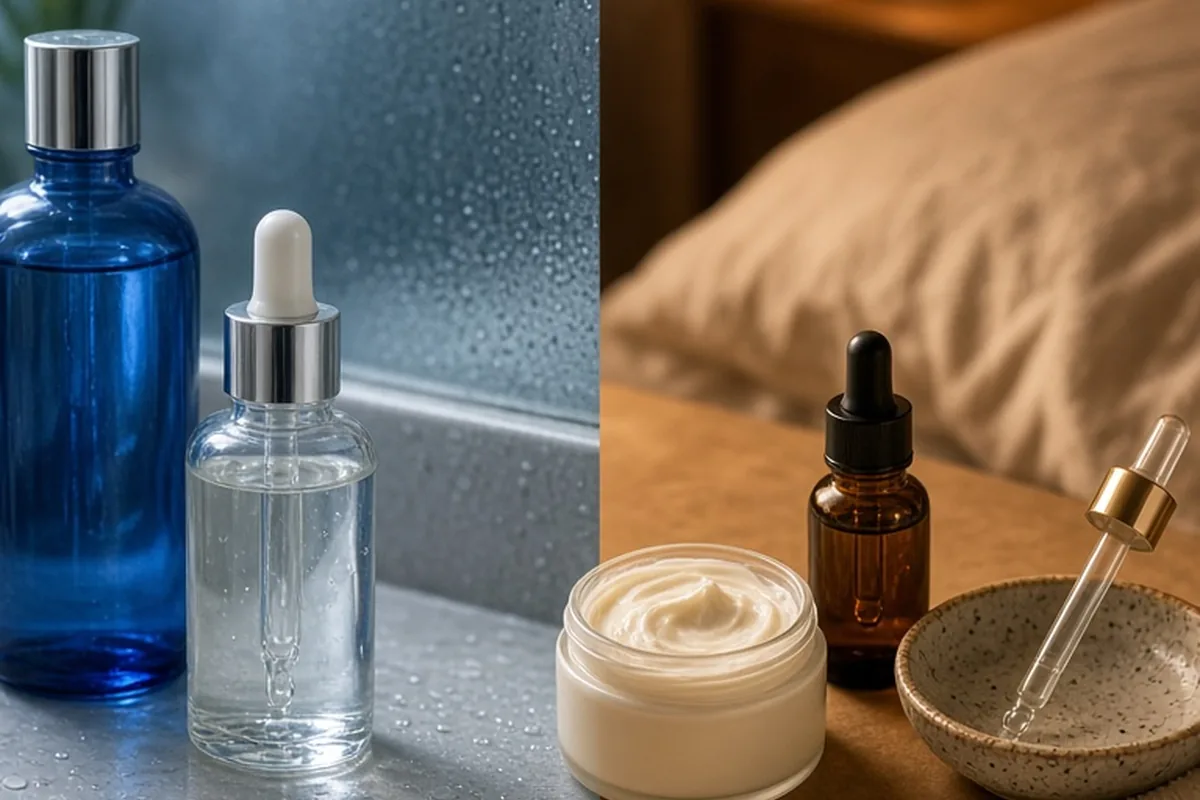
Yes, you should always moisturize after applying toner. Toners deliver lightweight hydration, balance surface pH, or prep the skin with active ingredients, but they lack occlusive agents to seal that moisture in. Applying a moisturizer over toner traps hydration within your skin barrier, preventing transepidermal water loss and ensuring your complexion stays soft, supple, and properly protected throughout the day or night.
Navigating the proper sequence of skincare steps can feel confusing when modern routines include multiple bottles, mists, and creams. Understanding how different formulations interact helps you get the most value out of every product without wasting formula or irritating your skin.
The Science of Hydration: Why Toner Needs a Moisturizer Partner
Skincare formulas generally fall into three functional categories: humectants, emollients, and occlusives. Toners are predominantly water-based solutions loaded with humectants such as glycerin, hyaluronic acid, panthenol, or floral waters. Humectants work by attracting water molecules from the environment and the deeper layers of the dermis to the outer surface of your skin. While this provides an instant plumping effect, humectants cannot hold that moisture in place by themselves.
Moisturizers contain emollients and occlusives, such as ceramides, plant oils, squalane, or shea butter, which smooth the skin surface and create a protective lipid shield. If you apply a hydrating toner and skip moisturizer, the water drawn to the surface quickly evaporates into the surrounding air through a process known as transepidermal water loss. In dry or air-conditioned environments, this evaporation can actually leave your skin feeling tighter and drier than before you applied the toner. Layering a cream or lotion over your toner ensures that all the moisture you just introduced remains locked beneath the skin barrier.
Timing Your Application: Damp Skin Versus Waiting Periods
A common point of confusion is whether to let toner dry completely before reaching for your moisturizer. For basic hydrating toners, the ideal approach is to apply your cream while your face is still slightly damp. Moisturizers spread more evenly across damp skin, and their occlusive ingredients immediately trap the lingering surface water, maximizing overall skin plumpness and comfort.
The timing changes, however, if your toner contains active chemical exfoliants such as glycolic acid, lactic acid, or salicylic acid. Exfoliating toners rely on a lower pH to dissolve dead skin cells and clear out sebum inside the pores. In this scenario, waiting roughly thirty to sixty seconds allows the exfoliating solution to settle evenly across your skin before you apply a richer cream. While you do not need to wait an extended period, giving active toners a brief moment to absorb prevents your moisturizer from diluting their initial exfoliating action or causing unnecessary tingling.
How to Fit Serums, Essences, and Oils Into the Sequence
When your routine includes extra steps like essences, ampoules, targeted serums, and facial oils, organizing them follows a simple universal rule: apply products from thinnest to thickest consistency. After cleansing, your liquid toner goes on first to refresh the skin surface. An essence or watery serum follows next, followed by thicker gel or lipid serums, your moisturizer, and finally any standalone facial oils.
Consider a morning routine featuring a vitamin C serum and a hydrating toner. You would cleanse, apply your toner to balance and hydrate, smooth on your vitamin C serum so its active ingredients penetrate cleanly, and then seal everything with your daily moisturizer and sunscreen. If you use a facial oil, keep in mind that oils are occlusives that sit on top of the skin. Water-based lotions cannot easily penetrate through an oil barrier, so facial oils should always be applied after your moisturizer or mixed directly into your cream rather than applied before toner.
Customizing the Toner and Moisturizer Pairing by Skin Type
Every skin type benefits from using both a toner and a moisturizer, but the specific textures and ingredients should match your individual barrier needs. If you have dry or sensitive skin, milky toners containing ceramides, colloidal oatmeal, or beta-glucan paired with rich, lipid-dense creams provide sustained comfort and soothe visible redness without feeling harsh.
For oily or acne-prone skin, individuals often make the mistake of skipping moisturizer after using an astringent or clarifying toner, assuming their skin produces enough natural oil. However, stripping surface moisture without replacing it can trigger rebound oil production, making the skin look shinier and feel congested. Oily skin thrives with a lightweight, alcohol-free balancing toner followed by an oil-free gel or fluid moisturizer. Those with combination skin can use a gentle hydrating toner all over the face, applying a light lotion to the T-zone and a richer cream to drier areas like the cheeks.
Common Layering Mistakes That Cause Pilling and Congestion
Product pilling happens when skincare formulas fail to absorb and instead ball up into small flakes on the surface of your face. This frustrating issue typically occurs when you apply heavy, silicone-heavy moisturizers over thick, gummy toners without allowing each layer to settle, or when you rub vigorously instead of gently patting products into your skin. Using too much product at once can also overwhelm the skin, leaving excess film on the surface that clashes with subsequent steps.
Another common mistake is combining too many competing active ingredients across your toner and moisturizer. For example, using an intensive exfoliating toner followed immediately by a moisturizer packed with strong retinoids or high-strength vitamin C can overwhelm your moisture barrier, leading to irritation, flaking, and sensitivity. If you choose an active toner for exfoliation, pair it with a simple, soothing, barrier-supportive moisturizer that focuses purely on hydration and recovery.
Adjusting Your Application for Morning and Evening Routines
Your skin faces different environmental conditions throughout the day, which means your morning and evening layering strategies can serve distinct purposes. In the morning, the goal is lightweight hydration and environmental defense. A gentle splash of toner followed by a light lotion and a broad-spectrum sunscreen keeps your skin protected from UV rays and pollution without feeling heavy under makeup or throughout humid weather.
At night, your routine can focus entirely on repair and replenishment while you sleep. The evening is the best time to layer richer, milky toners or targeted treatment formulas beneath a deeply nourishing night cream. If you live in a dry climate or sleep with indoor heating or air conditioning running, finishing your nighttime routine with a restorative moisturizer or a few drops of squalane oil over your toner ensures you wake up with a calm, refreshed complexion.
Frequently asked questions
Can I skip moisturizer if my toner feels very hydrating?
Even deeply hydrating toners lack the occlusive lipids required to keep moisture from evaporating into the air. Skipping moisturizer allows that water-based hydration to escape, which can leave your skin dehydrated over time. Using at least a lightweight gel moisturizer ensures that the hydration from your toner stays locked inside your skin barrier.
How long should I wait after toner to apply moisturizer?
If you are using a standard hydrating toner, you can apply your moisturizer immediately while your skin is still slightly damp. If your toner contains active exfoliating acids like salicylic or glycolic acid, waiting thirty to sixty seconds allows the solution to work effectively before you seal it in with cream.
Do I put face oil before or after moisturizer?
Face oils should always go on after your moisturizer or be blended directly into your cream. Because oils act as occlusive barriers, water-based moisturizers cannot penetrate through them effectively if applied in the reverse order.
What happens if you use moisturizer before toner?
Applying moisturizer before toner blocks the toner from reaching your skin. The rich oils and emollients in a moisturizer create a barrier that prevents the lightweight, water-based toner from absorbing, rendering the toner largely ineffective.
Your next step
Check whether your toner is formulated for hydration or gentle exfoliation, and always follow it with a compatible moisturizer while your skin is still prepped and receptive.