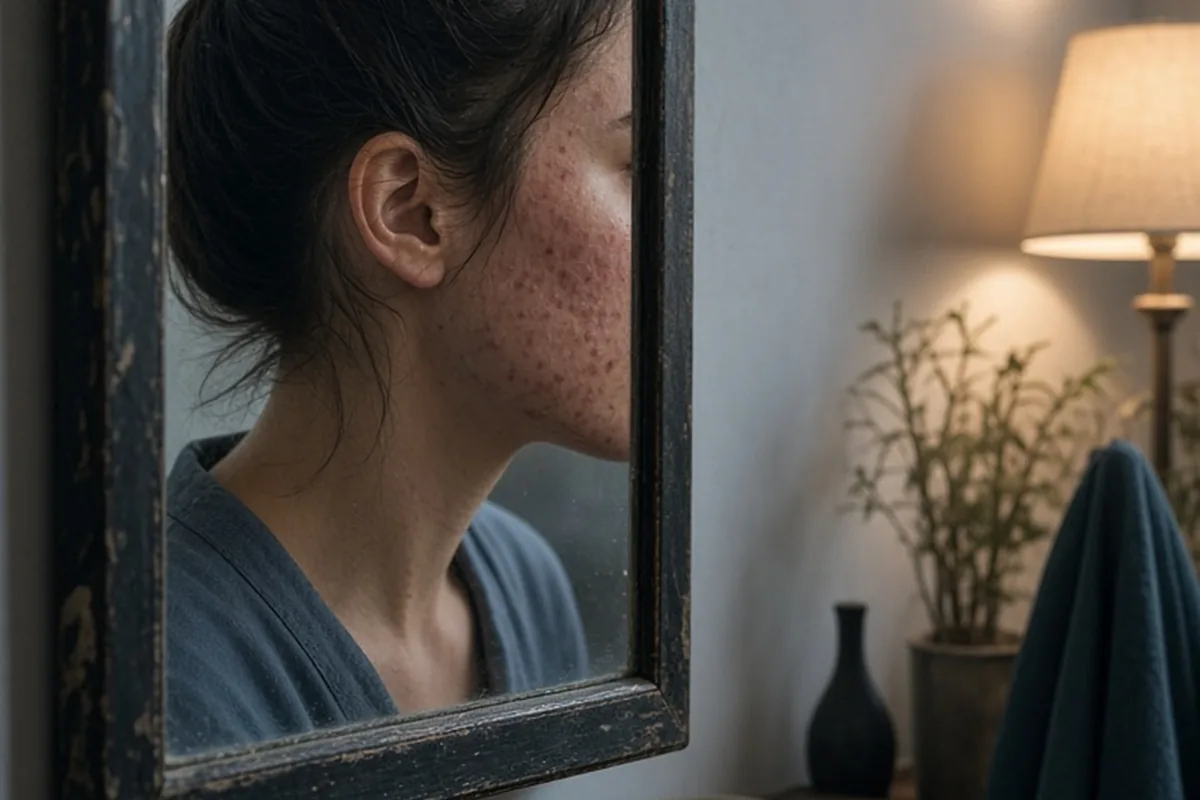
Yes, severe inflammatory acne such as deep cysts or nodules can cause nearby lymph nodes to swell. When intense inflammation or a secondary bacterial infection develops within skin pores, regional lymph nodes along the jawline, under the chin, or near the ears activate to filter debris and produce immune cells. This localized swelling typically resolves as the skin inflammation heals.
Discovering a tender lump beneath your jaw or behind your ear during a severe breakout can be unsettling, but it is often a direct reflection of your immune system responding to deep skin inflammation.
How Inflammatory Acne Triggers an Immune Response in Lymph Nodes
Your lymphatic system functions as a vital filtration network that clears waste, cellular debris, and foreign pathogens from bodily tissues. When acne remains superficial, such as in the case of standard blackheads or small surface whiteheads, the body's inflammatory response remains confined to the outermost layers of the pore. However, deep cystic or nodular acne occurs when trapped oil, dead skin cells, and bacteria rupture the pore wall deep within the dermis. This rupture triggers a robust immune alarm, drawing white blood cells to the area to contain the localized irritation.
As part of this defense process, excess fluid, inflammatory proteins, and bacterial components drain through microscopic lymphatic vessels toward the nearest filtering stations, known as lymph nodes. When a high volume of inflammatory material reaches a regional node, the node responds by producing additional lymphocytes and filtering the fluid, causing it to enlarge and feel tender. Once the underlying skin infection or inflammatory flare begins to resolve, the drainage slows down, and the swollen node gradually returns to its baseline size over several days or weeks.
Common Lymph Node Locations Affected by Facial Breakouts
The human head and neck contain hundreds of lymph nodes, but only specific clusters directly drain the facial skin where acne commonly develops. Understanding the natural drainage pathways of your face can help you identify why a specific node has enlarged in relation to where your breakouts are located. For instance, deep breakouts clustered along the lower third of the face drain into entirely different nodal basins than blemishes on the forehead or temples.
When assessing tender areas along your head and neck during an active breakout, these primary lymphatic clusters are most frequently involved:
- Submandibular nodes located along the underside of the jawline on either side, which drain the lower cheeks, lips, and chin.
- Submental nodes situated directly beneath the center of the chin, which process lymphatic fluid from the lower lip, chin apex, and floor of the mouth.
- Preauricular nodes resting just in front of the ears, which receive drainage from the upper cheeks, outer eyelids, temples, and hairline.
- Postauricular and occipital nodes positioned behind the ears and at the base of the skull, which drain the scalp, upper neck, and posterior hairline.
Distinguishing Between a Swollen Lymph Node and an Acne Cyst
Because deep cystic lesions frequently appear along the jawline and neck, it is very common to mistake a painful acne cyst for a swollen lymph node, or vice versa. While both can present as tender, rounded bumps beneath the skin, their anatomical depth, texture, and visual characteristics differ significantly upon closer examination. Recognizing these differences helps you avoid applying harsh topical treatments to a lymph gland or ignoring an expanding skin infection.
An acne cyst resides within the dermis and subcutaneous fat, meaning it is anchored closer to the surface of the skin. It typically presents with visible surface redness, warmth, and a stretched, shiny appearance on the overlying skin, even if no distinct head or pore opening is visible. In contrast, a swollen lymph node lies deeper in the tissue beneath the skin layers. The skin directly over a reactive lymph node usually retains its normal color and texture without surface redness, unless severe surface acne happens to overlay the gland. Furthermore, a reactive lymph node often feels slightly rubbery and moves subtly beneath gentle finger pressure, whereas an inflammatory cyst feels more firmly anchored within the skin layer itself.
Practical Skincare and Home Care for Inflamed Breakouts
Managing acne-related lymph swelling begins with reducing the underlying inflammation in the skin. The most effective approach focuses on calming tissue irritation and supporting the skin barrier rather than aggressively scrubbing or attempting to extract deep lesions. Applying a clean, warm compress to the affected skin for ten minutes twice daily can promote blood circulation, encourage gentle drainage of pore congestion, and soothe localized discomfort.
In your topical routine, prioritize gentle, non-comedogenic cleansers and targeted anti-inflammatory active ingredients. Products containing diluted benzoyl peroxide, azelaic acid, or low-concentration salicylic acid can help decrease bacterial overgrowth and unclog follicular canals without causing excessive barrier disruption. However, aggressive application of drying agents can compromise the epidermal barrier, increasing redness and making the area more vulnerable to secondary bacterial invasion. Keep the surrounding skin well hydrated with a lightweight, fragrance-free moisturizer to aid tissue repair.
Habits to Avoid When Dealing with Severe Facial Inflammation
When faced with a painful, throbbing bump near your jaw or ear, the instinct to squeeze, probe, or constantly touch the area is strong. Squeezing a deep nodule or cyst is especially counterproductive because manual pressure forces bacteria, keratin, and inflammatory chemicals deeper into surrounding tissues. This increases the risk of scarring, worsens tissue trauma, and sends even more inflammatory debris into the lymphatic channels, prolonging the swelling of nearby lymph nodes.
Additionally, avoid frequently prodding or massaging tender lymph nodes to check their size. Persistent palpation causes mechanical friction and localized bruising, which can keep the node irritated and enlarged long after the initial acne trigger has cleared. Similarly, pause the use of abrasive physical scrubs, harsh chemical peels, and rotating cleansing brushes while your skin is acutely inflamed, as mechanical friction damages fragile skin and amplifies inflammatory signals.
When to Consult a Medical Professional for Swollen Nodes
While mild, temporary lymph node enlargement often accompanies severe inflammatory acne, certain characteristics warrant a formal medical evaluation from a physician or dermatologist. A standard reactive lymph node is typically tender, relatively soft or rubbery, mobile beneath the skin, and gradually shrinks as the accompanying breakout resolves. If a node behaves differently or persists independently of your skin condition, professional guidance is essential to rule out other underlying health issues.
You should schedule an evaluation if you observe any of the following concerning signs:
- The lymph node feels rock-hard, completely fixed in place, or does not move when gently pressed.
- The swelling progressively enlarges over several weeks or persists for more than four to six weeks after the skin breakout has completely healed.
- You develop systemic symptoms such as an unexplained fever, persistent night sweats, fatigue, or unintended weight loss.
- The surrounding skin exhibits rapidly spreading redness, intense heat, red streaks, or extreme pain, which may indicate a spreading bacterial infection like cellulitis.
Illustrative Scenarios
Clarifying Jawline Bumps and Adjusting Daily Care
An individual experiencing painful, recurrent jawline nodules noticed a tender, marble-sized lump under the angle of their jaw. Assuming it was an unusually deep cyst, they applied concentrated drying treatments and repeatedly pressed the spot, causing surface peeling and persistent soreness. After a professional consultation, they learned the deeper lump was a reactive submandibular lymph node responding to nearby cystic breakouts. They simplified their routine by switching to a gentle cleanser, applying a soothing warm compress, and using a mild azelaic acid cream on the actual skin blemishes.
Key point: Differentiating deep skin lesions from underlying lymphatic structures prevents unnecessary topical irritation and ensures that care efforts focus on calming the real source of inflammation.
Frequently asked questions
How long do swollen lymph nodes from acne take to go down?
Reactive lymph nodes generally begin to soften and reduce in size as the underlying breakout improves. It is normal for a node to remain slightly palpable for two to four weeks after active skin inflammation has cleared, as the lymphatic tissue takes time to fully settle.
Can popping a pimple cause a lymph node to swell?
Yes, attempting to squeeze or pop a deep blemish can rupture pore walls and push bacteria deeper into the dermis. This sudden spike in localized tissue trauma and microbial activity prompts nearby lymph nodes to react and swell as they filter the excess debris.
Should I apply acne creams directly onto a swollen lymph node?
Acne topicals should only be applied to visible skin blemishes and congested pores, not to healthy skin covering a deeper swollen gland. Applying active drying agents over normal skin will cause irritation, flaking, and barrier damage without reaching or improving the underlying lymph node.
Your next step
Assess whether your tender bump is a surface blemish or a deeper gland, treat active breakouts with gentle anti-inflammatory care rather than squeezing, and consult a doctor if any node feels hard, fixed, or persists beyond a month.