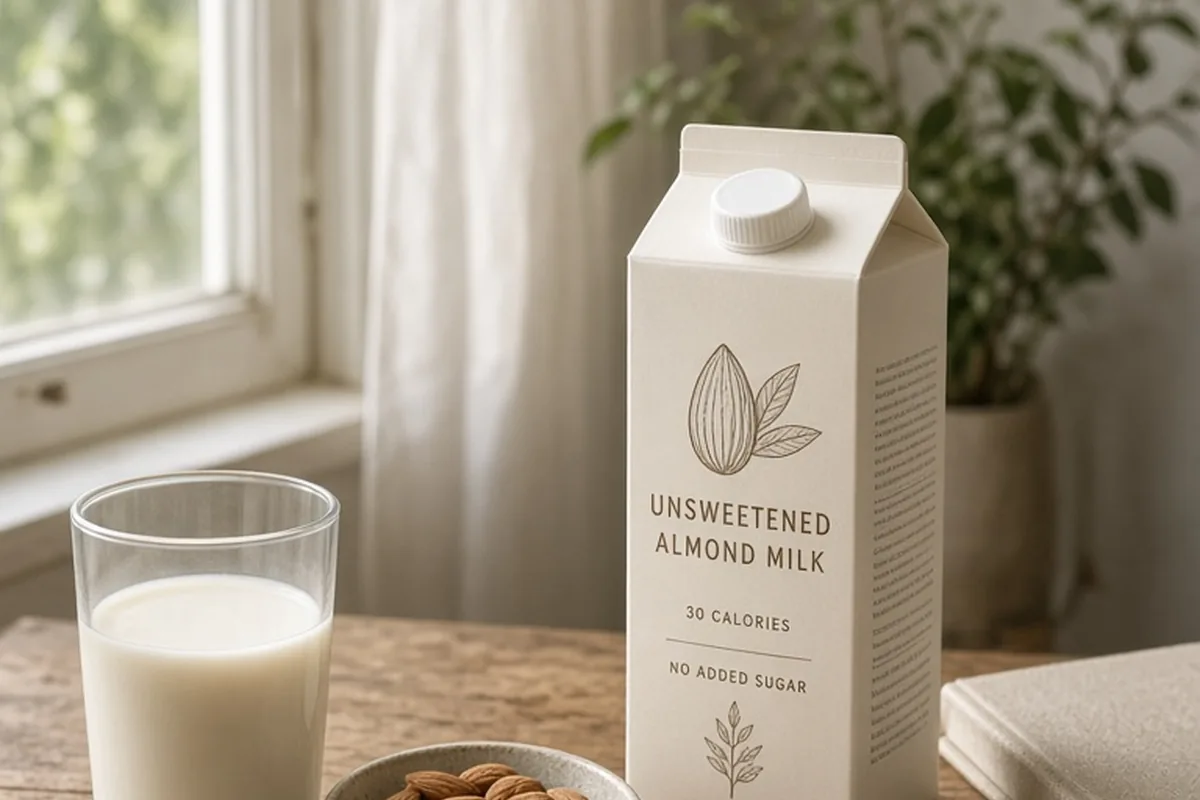
Almond milk does not directly cause acne for most people, and it lacks the hormones found in dairy that frequently stimulate sebum production. However, sweetened varieties with high added sugars, carrageenan or thickeners, and underlying tree nut sensitivities can irritate digestion or elevate insulin levels, indirectly contributing to breakouts in susceptible individuals.
Many people switch to almond milk hoping to clear up persistent skin flare-ups after hearing that eliminating conventional dairy can reduce hormonal breakouts. While almond milk is generally a skin-friendly alternative, whether it helps or hinders your complexion depends heavily on the specific formulation you drink, your individual digestive tolerance, and your overall nutritional balance.
The Nutritional Profile of Almond Milk and Skin Physiology
Unsweetened almond milk is naturally low in calories and carbohydrates, making it fundamentally different from cow milk in how it interacts with human metabolism. Cow milk contains naturally occurring hormones, including insulin-like growth factor 1 (IGF-1), which can stimulate the sebaceous glands to produce excess oil and accelerate skin cell turnover. In contrast, pure almond milk consists primarily of filtered water and ground almonds, providing modest amounts of vitamin E, an antioxidant known to protect cell membranes from oxidative stress.
Because almonds contain primarily monounsaturated and polyunsaturated fatty acids rather than saturated dairy fats, plain almond milk does not inherently promote systemic inflammation. However, the commercial processing of almond milk strips away most of the dietary fiber and solid nutrients found in whole nuts, leaving a thin liquid that relies on careful formulation to provide substantial nutritional value. For skin health, pure almond milk functions as a neutral beverage that neither cures existing blemishes nor naturally provokes the comedonal plugging that defines classic acne vulgaris.
A practical limitation to consider is that almond milk is not a direct nutritional equivalent to whole nuts or fortified dairy. If someone relies on almond milk as a primary source of dietary protein or essential minerals, they may miss out on key nutrients like zinc, which plays an active role in skin repair and inflammatory regulation. When evaluating almond milk for skin clarity, it helps to view it as a hydrating, low-impact dairy substitute rather than an active therapeutic treatment.
Added Sugars and the Glycemic Impact on Breakouts
The primary reason someone might notice new breakouts after introducing almond milk is the presence of hidden sugars in flavored and original varieties. Vanilla, chocolate, and standard sweetened almond milks often contain anywhere from 7 to 16 grams of cane sugar per serving. Consuming fast-digesting liquid sugars causes a rapid spike in blood glucose, prompting the pancreas to release a surge of insulin to clear the bloodstream.
Elevated insulin levels signal the body to increase sebum production and can create an internal environment where skin pores become more easily congested. For example, replacing a morning cup of black coffee with a large latte made from sweetened vanilla almond milk can add substantial refined sugar to an otherwise low-glycemic breakfast. Over several weeks, this daily blood sugar spike can manifest as small inflammatory papules along the jawline, cheeks, or forehead.
Choosing unsweetened varieties is the simplest way to mitigate this risk. Checking the nutrition panel for zero grams of added sugars ensures that your beverage remains low on the glycemic index, preserving the neutral, non-inflammatory benefits that make plant-based milk an attractive option for acne-prone skin.
Thickeners, Gums, and Digestive Sensitivities
Commercial almond milks frequently rely on emulsifiers, gums, and stabilizers to replicate the creamy mouthfeel of dairy milk and prevent the natural separation of almond solids and water. Ingredients such as carrageenan, guar gum, gellan gum, locust bean gum, and sunflower lecithin are standard across mainstream grocery brands. While these food additives are safe for general consumption, certain individuals experience low-grade digestive irritation or altered gut motility when consuming them regularly.
The gut microbiome and skin barrier share a complex communicative pathway often referred to in nutritional science as the gut-skin axis. When food additives irritate the intestinal lining or disrupt the balance of healthy gut flora, the body may respond with systemic, low-level inflammation. In people with sensitive digestion, this internal irritation can show up externally as sluggish skin turnover, redness, or inflammatory acne cysts.
Carrageenan, a seaweed-derived stabilizer, has faced particular scrutiny among consumers for its potential to trigger gastrointestinal discomfort in sensitive digestive tracts. If you suspect your almond milk is contributing to persistent skin congestion despite being unsweetened, testing a gum-free brand that contains only filtered water, almonds, and sea salt can help clarify whether additives are the true culprit.
Comparing Almond Milk to Other Dairy Alternatives
When choosing a dairy-free milk for acne-prone skin, understanding how almond milk stacks up against alternative plant milks allows you to tailor your choice to your specific metabolic and digestive profile. Oat milk, while naturally creamy and free of common nut allergens, is significantly higher in carbohydrates and can trigger glycemic spikes in people who are sensitive to starchy liquids. Soy milk offers high protein and natural isoflavones, but some individuals prefer to moderate soy intake if they suspect hormonal sensitivities.
Coconut milk provides a rich texture with minimal carbohydrates, yet its high concentration of saturated fats and lauric acid can sometimes feel heavy or trigger breakouts in individuals whose digestive systems struggle with dense fats. Hemp milk and pumpkin seed milk offer anti-inflammatory omega-3 fatty acids and zinc, making them gentle choices for skin health, though they are often harder to find in standard supermarkets and carry distinct earthy flavors.
Almond milk occupies a balanced middle ground: it remains one of the lowest-carbohydrate and lowest-calorie plant milks available when unsweetened, making it far less likely to cause insulin-driven sebum surges than oat or rice milk. For individuals without nut allergies, high-quality almond milk remains one of the safest everyday staples for managing blemish-prone skin.
- Oat milk: Higher carbohydrate content, creamier texture, potential to cause rapid blood sugar elevation.
- Soy milk: High in protein and micronutrients, contains phytoestrogens that suit most people but require individual monitoring.
- Coconut milk: Rich in fats, low in carbohydrates, but may cause digestive heaviness in fat-sensitive individuals.
- Almond milk: Very low in carbohydrates and calories when unsweetened, light consistency, low risk of insulin spikes.
Recognizing Nut Allergies Versus True Acne
It is essential to distinguish between standard acne vulgaris and an allergic or hypersensitivity reaction to tree nuts. True acne develops gradually as hair follicles become clogged with dead skin cells, sebum, and cutibacterium acnes bacteria. In contrast, a food sensitivity or mild allergy to almonds often produces a rapid inflammatory response that can resemble breakouts but stems from an entirely different biological mechanism.
A mild almond sensitivity might present as small, itchy bumps, localized hives, perioral dermatitis around the mouth, or widespread facial redness shortly after ingestion. If your skin blemishes are accompanied by gastrointestinal bloating, itchy lips, scratchy throat sensations, or sudden flushing, these signs point toward an immune or histamine response rather than typical comedonal acne.
Continuing to consume almonds when your body possesses an underlying intolerance maintains a state of chronic immune activation, which inevitably compromises the skin barrier and impairs healing. If you experience itching or rapid hives after drinking almond milk, discontinuing all almond products and consulting an allergist or healthcare professional is the appropriate course of action.
How to Run a Structured Elimination Protocol
Because individual biochemistry varies widely, the most reliable way to determine if almond milk affects your skin is to conduct a structured, four-week elimination and reintroduction test. Skin cell turnover takes approximately 28 days, meaning short three-day trials are insufficient to observe meaningful changes in inflammatory acne or pore congestion.
To execute the protocol, remove all almond milk, almond butter, whole almonds, and almond flour from your diet for three full weeks while keeping all other variables—including your topical skincare routine, sleep habits, and stress management—as consistent as possible. Take clear, unedited photographs of your skin in natural lighting at the start of each week to track objective changes rather than relying on daily visual impressions.
At the start of the fourth week, reintroduce one serving of plain, unsweetened almond milk per day for three consecutive days while monitoring your skin over the following week. If new, inflamed papules or digestive changes emerge specifically during this reintroduction window, almond milk may be an individual trigger for your body. If your skin remains calm and clear, you can confidently include unsweetened almond milk in your regular routine.
Selecting the Best Almond Milk for Clear Skin
Finding an almond milk that supports clear skin requires reading ingredient panels carefully rather than relying on front-of-package health claims. Many cartons marketed as organic or all-natural still contain cane sugar, natural flavors, and multiple thickeners that can complicate skin clarity for sensitive individuals.
When browsing the grocery aisle, look for cartons with the shortest possible ingredient list. The ideal label contains only filtered water, almonds, and perhaps sea salt. A growing number of brands now offer clean-label almond milks made without gums, oils, or emulsifiers. Alternatively, making almond milk at home requires only raw almonds, water, a blender, and a fine mesh nut milk bag, allowing you complete control over ingredient purity and nutrient density.
Store-bought brands that fortify their milks with calcium carbonate and vitamin D can be beneficial for overall bone and metabolic health, but ensure the base liquid remains unsweetened. Pairing a clean, additive-free almond milk with balanced meals containing lean proteins, colorful vegetables, and healthy fats creates a dietary foundation that naturally fosters resilient, clear skin.
Frequently asked questions
Can switching from dairy to almond milk improve hormonal acne?
Many people notice a reduction in hormonal breakouts after replacing dairy with unsweetened almond milk because plant milk does not contain bovine hormones like IGF-1. However, improvement depends on choosing an unsweetened carton that does not introduce rapid blood sugar spikes.
Is homemade almond milk better for acne-prone skin than store-bought?
Homemade almond milk eliminates all industrial gums, preservatives, and added sugars, making it an excellent choice for individuals with sensitive digestion or reactive skin. It provides a pure liquid that allows you to easily rule out food additives as breakout triggers.
Why did my skin break out after I started drinking almond milk lattes?
Coffee shop almond milk is almost always a sweetened barista blend designed to froth well, containing significant amounts of cane sugar and stabilizing oils. The combination of high sugar content and added emulsifiers is far more likely to trigger breakouts than raw almonds themselves.
Does the phytic acid in almonds cause skin inflammation?
Phytic acid is a naturally occurring plant compound that can slightly bind minerals, but it is not a direct cause of skin inflammation or pore blockages. In commercial and homemade almond milk, soaking and straining processes significantly reduce phytic acid levels.
Your next step
Inspect the ingredient label on your current carton of almond milk today, switch to an unsweetened variety with minimal additives, and track your skin over the next three weeks to observe how your body responds.