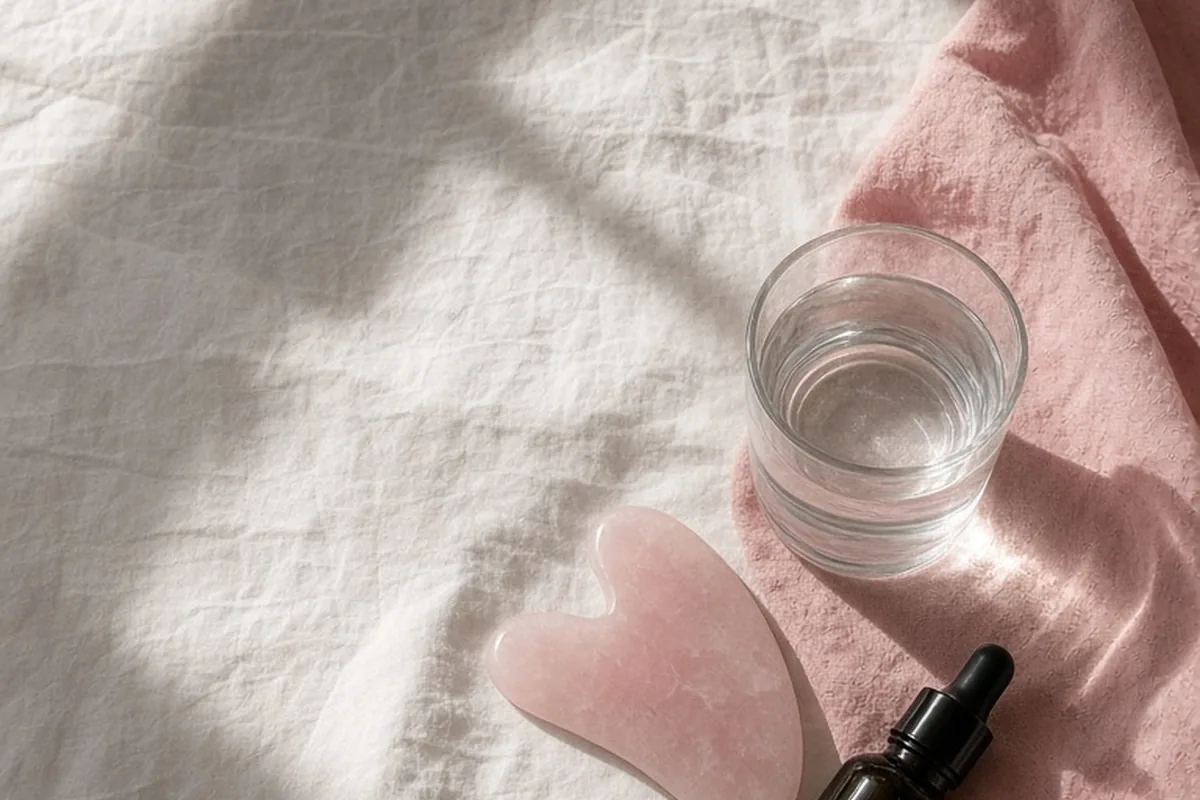
Gua sha does not directly cause acne, but improper technique, unwashed tools, or comedogenic facial oils can lead to clogged pores, irritation, and breakouts. People with active, inflamed acne should avoid gliding stones over blemishes, as friction can spread bacteria and worsen inflammation. With proper hygiene, non-comedogenic slip agents, and gentle pressure, gua sha can be practiced safely without triggering acne.
Facial gua sha has become a beloved ritual for easing facial tension and supporting lymphatic drainage, yet noticing sudden bumps after a session can be frustrating. Understanding how mechanical friction, pore-clogging slip products, and hygiene practices interact with your skin barrier makes it simple to enjoy the massage without compromising your complexion.
How Facial Friction and Slip Mediums Trigger Blemishes
The physical stone used during gua sha is rarely the direct source of acne, but the physical environment created during the massage often influences whether pores become congested. When you perform facial massage, you must use a topical medium to create slip so the tool glides effortlessly without tugging delicate tissue. If that slip product contains heavy, comedogenic ingredients such as rich plant butters, unrefined coconut oil, or thick mineral waxes, it can easily trap dead skin cells and sebum deep within the follicular lining. When combined with mechanical manipulation, these heavy oils get pressed directly into the pores, creating the perfect anaerobic environment for acne-causing bacteria to thrive.
Physical pressure and repetitive rubbing can also produce a specific type of blemish known as acne mechanica. This form of breakout occurs when sustained friction disrupts the outer protective skin barrier, creating localized heat and micro-irritation. If your skin barrier is already compromised or naturally sensitive, the physical drag of the tool can cause irritation that looks identical to a sudden cluster of whiteheads or tiny red papules.
Consider someone who introduces a botanical facial oil alongside a newly purchased stone and immediately notices small closed comedones across their cheeks. The natural tendency is to blame the massage tool itself, yet the underlying trigger is almost always the interaction between an incompatible carrier oil and the repeated mechanical pressure forcing that product into vulnerable pores.
Distinguishing Between Skin Purging, Congestion, and Irritation
A common point of confusion among skincare enthusiasts is whether gua sha can cause skin to purge. True skin purging is an accelerated rate of cellular turnover, which is chemically driven by active ingredients such as retinoids, alpha hydroxy acids, or salicylic acid. Because a gua sha stone contains no active chemical exfoliants, the massage itself cannot induce a genuine biological purge. If you develop widespread clusters of bumps across areas where you rarely break out, you are experiencing contact irritation, follicular occlusion, or an adverse reaction to a topical product rather than a beneficial detoxifying phase.
Irritation bumps often appear as uniform, pinpoint red dots or itchy micro-papules within twelve to twenty-four hours following a massage session. In contrast, deep hormonal or inflammatory acne develops over days and manifests as tender, swollen nodules beneath the skin surface. Recognizing these subtle differences prevents the mistake of continuing an irritating routine under the false assumption that your skin is simply clearing out toxins.
To accurately determine what your skin is experiencing, pay attention to the timeline and distribution of new blemishes. If the bumps match the exact path of your massage strokes, excessive friction or inadequate slip is the likely culprit, whereas deep cystic tenderness along the lower jawline is more often tied to underlying hormonal rhythms that coincide with your massage schedule.
Modifying Technique for Acne-Prone and Inflamed Skin
If you have blemish-prone skin, you do not necessarily have to abandon gua sha entirely, but your physical technique must be deliberately adjusted. The most crucial rule is to never drag, scrape, or glide a stone directly across active pustules, papules, or open blemishes. Gliding a hard edge over an inflamed lesion can rupture the delicate follicle wall beneath the surface, spreading bacteria to neighboring pores and drastically worsening inflammation. Furthermore, abrasive contact over active acne increases the likelihood of post-inflammatory hyperpigmentation and long-term textural scarring.
Instead, use your tool to gently clear the lymphatic pathways located downstream from the inflamed area. You can lightly sweep the stone along the sides of the neck, collarbones, and outer perimeter of the jawline without touching active breakouts on the central cheeks or chin. This approach supports natural fluid movement and relieves surrounding tissue tension while keeping the active blemish site completely undisturbed.
The angle and pressure of your tool also determine how well your skin tolerates the practice. Hold the flat side of the stone almost parallel to your skin at a very shallow ten to fifteen-degree angle rather than digging in with the perpendicular ninety-degree edge. The pressure should be featherlight, mimicking the weight of a coin resting on your cheek, which is more than enough to encourage lymphatic fluid movement without disturbing the skin barrier.
Selecting Non-Comedogenic Slip Products for Breakout-Prone Complexions
Choosing the right lubricant is the single most effective way to prevent post-massage congestion. Many traditional tutorials recommend heavy facial oils that provide exceptional glide for dry or mature skin, but these same formulas can quickly overwhelm oily, blemish-prone skin types. If you prefer using facial oils, look for lightweight, non-comedogenic options that have high linoleic acid profiles or neutral lipid structures that mimic natural sebum without clogging pores.
You are not limited strictly to facial oils when performing gua sha. Many people with congested skin experience far better results by using water-based slip mediums that wash away cleanly after the routine. Hydrating serums packed with glycerin, hyaluronic acid, or aloe vera provide ample surface glide for a five-minute massage while simultaneously delivering water-based hydration to parched skin.
When selecting a medium, consider the following skin-friendly options depending on your tolerance and skin type:
- 100% plant-derived squalane oil for lightweight, biomimetic glide that resists pore clogging
- Cold-pressed jojoba oil to balance surface sebum without feeling heavy
- Pure rosehip seed oil, which is high in linoleic acid and absorbs rapidly into oil-prone skin
- Thick glycerin or hyaluronic acid serums applied over a damp face mist for an entirely oil-free glide
- A gentle, non-foaming jelly cleanser used during your evening shower to combine cleansing with slip, followed by a thorough rinse
Essential Hygiene and Tool Maintenance Practices
A gua sha tool rests against your skin for several minutes at a time, collecting surface oils, dead skin cells, airborne dust, and trace bacteria. If you simply wipe the stone with a dry towel or place it directly on an exposed bathroom counter between uses, you risk reintroducing concentrated microbial buildup to your skin during your next session. Consistent and thorough sanitation is an absolute non-negotiable step for maintaining clear skin while practicing facial massage.
Wash your tool before and after every single session using warm water and a fragrance-free, antibacterial liquid soap or gentle facial cleanser. Be sure to clean the rounded curves, notches, and textured edges where residue easily hides. After washing, pat the tool dry with a clean microfiber cloth or a fresh paper towel rather than a communal bathroom hand towel, which can harbor damp bacteria.
Material porosity also plays a role in tool hygiene. Natural stones such as jade, rose quartz, and bian stone have micro-fissures and natural porosity that require careful washing, while non-porous materials like medical-grade stainless steel or porcelain offer an ultra-smooth, hypoallergenic surface that is exceptionally easy to sanitize thoroughly with a quick spray of 70% isopropyl alcohol.
When to Pause Facial Massage and Alternative Methods
Recognizing when your skin needs complete rest is essential for preventing chronic irritation. If you are experiencing a widespread cystic flare-up, severe contact dermatitis, rosacea flushing, or an active viral infection like cold sores, you should temporarily pause all mechanical facial massage. Continuing to apply physical pressure to deeply compromised skin only delays barrier recovery and prolongs inflammation.
During periods when physical tool massage is not appropriate, you can still support facial relaxation and fluid movement through non-abrasive methods. Using clean fingertips to apply stationary, gentle pressure along the neck and collarbones offers light lymphatic encouragement without dragging across facial tissue. Similarly, applying cool compresses to the perimeter of the face can soothe perceived swelling and calm redness without any mechanical friction.
Once your active breakouts resolve and your skin barrier feels resilient, you can gradually reintroduce gua sha once or twice per week. Monitoring how your skin responds over several days allows you to find a sustainable frequency that delivers the relaxing benefits of the practice without overwhelming your pores.
Illustrative Scenarios
Illustrative Scenario: Resolving Jawline Congestion After Facial Massage
A regular skincare enthusiast started doing nightly gua sha using a rich marula oil blend to relieve jaw clenching. Within ten days, small closed comedones and tender red bumps formed along their lower jawline and lower cheeks. To isolate the problem, they temporarily stopped the massage until the inflammation settled, then swapped the rich botanical oil for a non-comedogenic squalane oil, washed the stone with antibacterial soap before each session, and reduced pressure to a gentle glide while steering clear of any lingering bumps.
Key point: Post-massage breakouts are frequently caused by comedogenic slip oils and excessive pressure rather than the massage technique itself, and adjusting product choice and tool pressure often resolves congestion completely.
Frequently asked questions
Can I use gua sha if I have active cystic acne?
You should not run a gua sha stone directly over active cystic blemishes, as the friction and pressure can worsen inflammation and spread bacteria. You can, however, use the tool gently along your neck, collarbones, and outer jawline to encourage fluid movement while bypassing inflamed areas entirely.
Should I wash off facial oil after performing gua sha?
If you have acne-prone or congested skin, rinsing or gently cleansing away your slip oil immediately after massage is a great practice. This ensures that loosened surface debris and heavy residual lipids do not sit inside your pores overnight.
How often should someone with blemish-prone skin practice gua sha?
Starting with two to three short sessions per week is ideal for monitoring your skin barrier's tolerance. If your complexion remains clear and calm, you can maintain that rhythm or slowly increase frequency according to personal comfort.
Are stainless steel gua sha tools better for acne-prone skin than natural crystal stones?
Stainless steel tools are completely non-porous, making them significantly easier to sanitize and less prone to harboring bacteria compared to natural stones with micro-fissures. They also stay naturally cool to the touch, which can feel exceptionally soothing on warm, sensitive skin.
Your next step
To keep your skin clear while practicing gua sha, pair a thoroughly sanitized tool with a non-comedogenic slip medium, keep your pressure light, and navigate around any active blemishes.