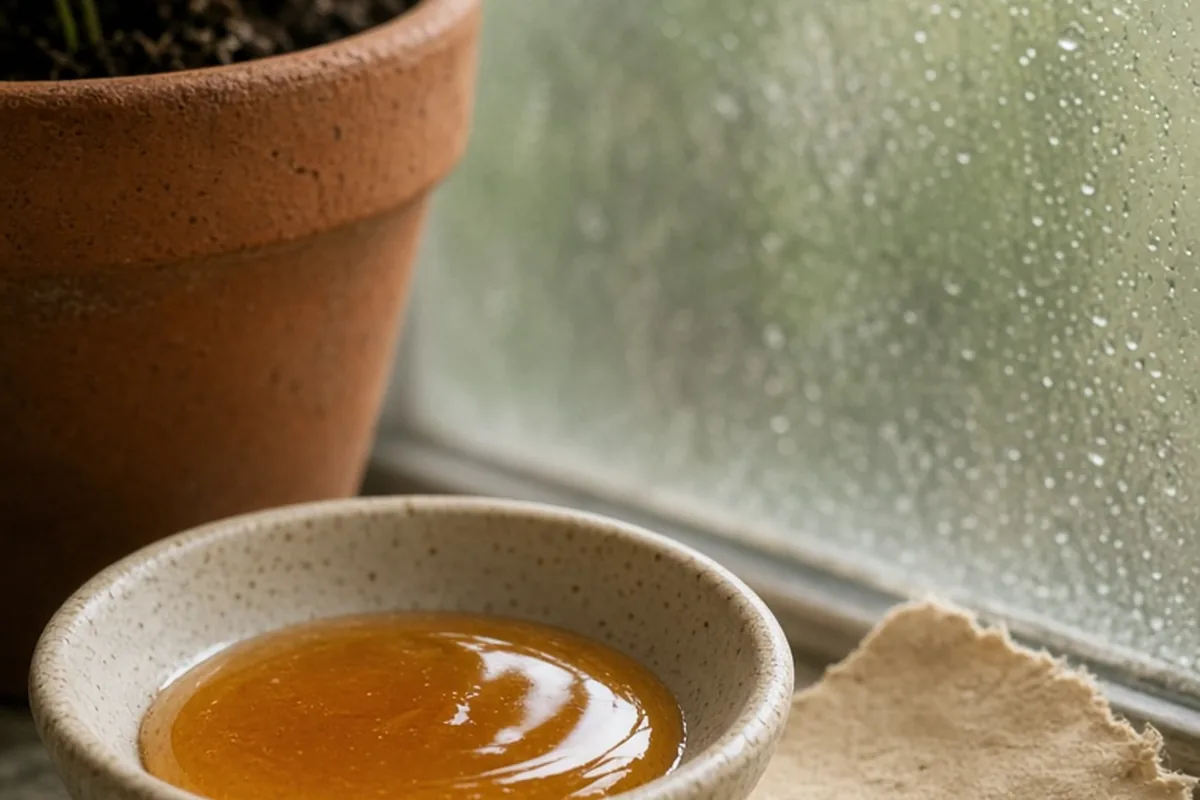
Honey generally does not cause acne for most skin types. Pure raw and medical-grade varieties possess natural humectant, soothing, and antimicrobial characteristics that can support skin clarity. However, breakouts may occur if processed honey with added sugars is used, if a thick sticky residue is left behind to trap dead skin cells, or if an individual has an underlying allergy to bee pollen and propolis.
Navigating natural skincare remedies often brings mixed advice, especially when evaluating sticky pantry staples like honey on breakout-prone skin.
How Honey Interacts with Acne-Prone Skin and Pore Health
Acne develops primarily when an overproduction of sebum blends with dead skin cells within the pore lining, creating an environment where cutaneous bacteria can multiply and trigger inflammatory responses. Honey interacts with this biological environment differently than common heavy oils or synthetic waxes. As a natural humectant, honey draws moisture from the surrounding environment into the upper layers of the epidermis, helping maintain hydration without adding pore-clogging lipid content. Proper skin hydration is essential for acne management because dehydrated skin often compensates by producing more sebum, which can perpetuate the cycle of clogged pores.
Beyond hydration, raw varieties of honey contain naturally occurring enzymes, trace organic acids, and low concentrations of hydrogen peroxide produced during the enzymatic breakdown of glucose. These gentle components give honey mild antimicrobial and soothing qualities that can help calm redness around existing pustules and papules. Because pure honey has a relatively low water activity and naturally acidic pH, it creates an unfavorable habitat for many unwanted surface microbes. When applied briefly as a rinse-off treatment, honey can soften dead surface buildup without stripping the skin of its essential barrier lipids.
Raw Honey Versus Processed Honey: Why Purity Matters
The type of honey applied to the face plays a decisive role in whether the skin experiences clarity or irritation. Standard commercial honey found in common squeeze bottles is frequently pasteurized with high heat and ultra-filtered to create a smooth, crystal-free liquid with a long shelf life. This thermal processing degrades many of the beneficial proteins, plant enzymes, and volatile compounds that provide honey with its therapeutic qualities. Furthermore, some lower-cost processed honeys contain added high-fructose corn syrups or artificial flavorings, which leave a sticky, non-therapeutic film on the skin that can irritate delicate pores.
In contrast, unpasteurized raw honey—such as raw wildflower, clover, or unheated forest honey—retains its full matrix of active plant compounds, trace bee pollen, and propolis. Medical-grade varieties like sterile Manuka honey undergo specialized filtration and quality control to ensure potency and safety, often carrying standardized ratings that indicate their specific non-peroxide antibacterial activity. For individuals dealing with compromised barriers or active blemishes, selecting unheated, unfiltered raw honey or verified medical-grade honey reduces the likelihood of exposing reactive skin to artificial additives or destabilized sugars.
Potential Triggers: When Honey Might Lead to Clogged Pores or Irritation
Although pure honey is non-comedogenic in its composition, practical application mistakes can indirectly lead to breakouts. Because honey is viscous and water-soluble, failing to thoroughly rinse it away leaves a tacky surface glaze. This leftover film can catch environmental dust, airborne pollutants, and shed keratinocytes, effectively sealing them inside the hair follicle opening. Additionally, applying honey overnight without adequate cleansing can disrupt the skin's natural nocturnal desquamation process, creating congestion along the jawline, cheeks, and forehead.
Another distinct mechanism behind honey-related breakouts is contact sensitivity. Raw honey contains microscopic fragments of plant pollen, floral nectar proteins, and trace bee enzymes. For individuals with underlying seasonal pollen allergies or sensitivities to bee venom and propolis, these components can provoke localized contact dermatitis. This allergic reaction frequently manifests as small, itchy red bumps or clustered papules that closely mimic an inflammatory acne breakout, leading users to mistakenly believe honey clogged their pores when the reaction was actually an immunological response.
Certain common factors significantly increase the chance of experiencing irritation or blemishes when using honey:
- Using heated, shelf-stable table honeys that contain added corn syrup or flavoring agents.
- Leaving raw honey on the skin overnight without a thorough water rinse.
- Applying honey over unwashed skin, trapping daily sunscreen, sweat, and makeup underneath.
- Possessing an unconfirmed allergy or sensitivity to composite floral pollens or propolis.
Safe Ways to Incorporate Honey into an Acne-Friendly Routine
Integrating honey into an existing skincare regimen requires a careful balance between dwell time and thorough cleansing. Rather than replacing a formulated facial cleanser—which contains targeted surfactants designed to dissolve sebum and water-resistant sunscreen—honey works best as a short-contact supplemental treatment. Applying raw honey to freshly cleansed, slightly damp skin allows its humectant properties to attract water into the stratum corneum while minimizing excessive stickiness during spreading.
To use honey safely, apply a thin, even layer across clean skin using sanitized fingertips or a clean silicone applicator brush. Allow the honey to rest on the face for ten to fifteen minutes, which is sufficient time for its soothing enzymes and moisture-binding sugars to interact with the epidermis. When removing the treatment, use lukewarm water and gentle circular motions with your hands until the skin feels completely smooth and residue-free. Follow immediately with a lightweight, non-comedogenic moisturizer to seal in the acquired hydration.
Spot Treatments, DIY Masks, and Pre-Formulated Honey Skincare
Honey can be used in several distinct topical formats depending on your skin's immediate requirements and your tolerance for natural ingredients. As a localized spot treatment, a small dab of raw Manuka honey placed directly onto an inflamed, swollen pimple can help reduce visible redness and keep the surface supple, preventing premature crusting or picking. Because honey creates an osmotic environment, it helps calm tension in acute inflammatory lesions without causing the extreme dryness or peeling often associated with strong chemical spot treatments.
When formulating homemade face masks, pairing raw honey with non-irritating kitchen staples like plain colloidal oat flour creates a gentle paste that calms reactive skin. However, caution is essential: combining honey with harsh household ingredients such as undiluted lemon juice, baking soda, or cinnamon can severely disrupt your skin's acid mantle and trigger chemical irritation that worsens breakouts. If mixing your own treatments feels cumbersome or inconsistent, opting for professionally formulated skincare products that contain standardized honey extracts, propolis, or royal jelly offers balanced preservation, controlled pH, and reliable texture.
How to Perform a Patch Test and Recognize Skin Sensitivities
Before applying any raw botanical product across your entire face, conducting a controlled patch test is a vital safety step for acne-prone and reactive skin types. A patch test isolates the product to a small, discreet area, allowing you to observe how your immune system and skin barrier react to the concentrated enzymes and floral proteins in raw honey without risking a widespread facial flare-up.
To perform an accurate patch test, follow these practical steps over a twenty-four to forty-eight hour window:
- Cleanse a small section of skin along your inner forearm or beneath your jawline with mild soap and water.
- Apply a dime-sized amount of raw honey to the test area and let it sit for twenty minutes before rinsing thoroughly.
- Monitor the test site over the next twenty-four to forty-eight hours for signs of adverse reactivity.
- Check for localized redness, swelling, burning, itching, or tiny raised hives before proceeding to facial application.
Frequently asked questions
Can I leave raw honey on my face overnight to heal acne faster?
Leaving pure honey on overnight is generally not recommended for acne-prone skin because it can stick to bedding, gather dust, and trap cellular debris in your pores. Short-contact application for ten to fifteen minutes provides the beneficial humectant and calming effects without the risk of physical pore blockage.
Will honey help fade post-acne dark marks and scars?
Honey supports skin hydration and natural tissue repair, which can assist in overall barrier recovery after a blemish heals. However, it does not act as a rapid depigmenting agent for deep post-inflammatory hyperpigmentation or pitted structural scars.
Is Manuka honey significantly better for acne than regular raw honey?
Manuka honey contains higher concentrations of methylglyoxal, giving it stable and potent non-peroxide antibacterial properties compared to standard raw honey. While high-quality raw local honey still offers soothing humectant benefits, medical-grade Manuka is preferred for targeted blemish calming.
Can people with fungal acne use raw honey safely?
Raw honey contains natural antifungal components that some individuals find soothing, but its rich sugar profile could theoretically interact with cutaneous yeast if left unrinsed. Those managing fungal acne should consult a dermatologist or stick to purified propolis extracts rather than raw kitchen honey.
Your next step
Inspect your pantry honey or purchase a verified raw or medical-grade jar, perform a 24-hour patch test behind your jawline, and apply a 10-minute rinse-off mask to test its calming effects on clean skin.