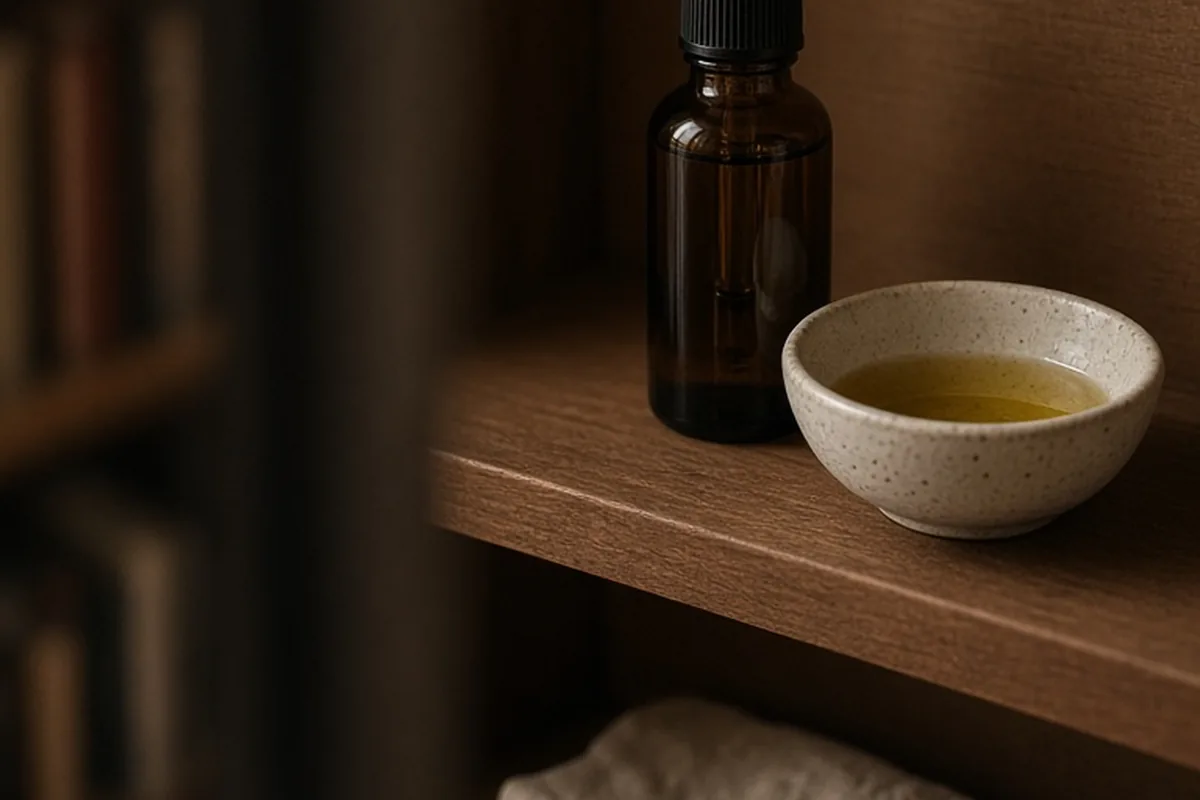
Oil cleansing does not inherently cause acne, but using the wrong botanical oil or failing to rinse thoroughly can trigger clogged pores and breakouts. Oil-based cleansers dissolve excess sebum, sunscreen, and makeup through lipid attraction. When properly emulsified and washed away, or followed by a gentle water-based cleanser, oil cleansing can support clear skin. However, heavy comedogenic oils left behind can trap dead skin cells and worsen blemishes.
Washing your face with oil might feel counterintuitive, especially if you already battle oily zones or stubborn blemishes. Understanding the mechanics behind oil cleansing helps separate helpful double-cleansing techniques from habits that accidentally congest delicate pores.
How Oil Cleansing Interacts with Pore Sebum
Oil cleansing operates on the basic chemical principle that like dissolves like. Throughout the day, your skin accumulates a mixture of oxidized sebum, silicone-based sunscreens, waterproof makeup, and environmental particulate matter. Traditional foaming cleansers rely heavily on surfactants that lift surface dirt, but they can sometimes strip away natural moisture without fully dissolving dense, oil-soluble debris lodged inside pore openings. When applied to dry skin, cleansing oils bind to these hardened lipid deposits, softening them and allowing them to glide out of the follicle.
When performed correctly, this process can actually reduce the congestion that leads to microcomedones, the microscopic precursors to blackheads and whiteheads. Because oil cleansing does not disrupt the skin's moisture barrier in the way aggressive detergents might, it prevents the rebound oiliness that often follows harsh scrubbing. However, the benefits depend entirely on whether the cleansing product releases from the skin when water is introduced or leaves a greasy residue behind.
Primary Reasons Oil Cleansing Might Trigger Breakouts
When someone develops new blemishes after introducing an oil cleanser, the issue usually stems from formulation mismatch, incomplete removal, or aggressive friction. Some single-origin oils form an occlusive film over the skin that traps lingering impurities and dead skin cells underneath. If you use a pure oil without emulsifiers and only splash with water, the oil will resist the water, staying on your skin alongside the debris it just loosened.
Another common misstep is rubbing the skin too aggressively or for too long. Massaging the face for ten to fifteen minutes in an attempt to extract pore plugs can cause mechanical irritation and micro-tears in the follicle wall. This physical trauma provokes inflammatory responses that look like sudden acne flare-ups. A brief, gentle massage of thirty to sixty seconds is sufficient to break down surface grime without stressing the skin barrier.
- Leaving residual oil on the face due to lack of emulsification or inadequate rinsing.
- Using naturally heavy oils with high comedogenic tendencies on acne-prone skin.
- Over-massaging the face, which creates friction-induced inflammation.
- Skipping a secondary water-based cleanser when using rich cleansing balms.
Navigating Oil Types and Comedogenic Tendencies
Not all oils interact with skin in the same manner. Botanical oils differ fundamentally in their fatty acid profiles, primarily their balance of linoleic acid and oleic acid. Research into blemish-prone skin suggests that individuals experiencing persistent acne often have sebum deficient in linoleic acid, making their natural oils thicker and more prone to hardening inside pores. Applying oils rich in oleic acid can sometimes exacerbate this issue by creating a richer barrier than congested skin can handle.
Choosing an oil high in linoleic acid or using formulated cleansing oils built around lightweight esters offers a safer starting point. For example, oils like rosehip, safflower, hemp seed, and squalane tend to rinse cleaner and feel lighter on the complexion. Conversely, heavier substances like coconut oil, wheat germ oil, and cocoa butter carry a higher risk of clogging pores for acne-prone individuals, even though they may work wonderfully for very dry body skin.
Formulated Cleansing Oils Versus Pure Kitchen Oils
A major distinction exists between commercial cleansing oils and raw, unrefined oils taken from the pantry. Formulated cleansing oils contain dedicated emulsifiers, ingredients such as polysorbates, PEG-compounds, or plant-derived surfactants that allow oil and water to blend. When you add warm water to a formulated cleansing oil, it turns into a milky fluid that rinses away cleanly down the drain without requiring harsh friction or hot washcloths.
Pure carrier oils, such as raw olive or coconut oil, lack emulsifiers completely. To remove them, you must either wipe them off firmly with a cloth or wash repeatedly with a strong secondary soap. The wiping action can cause physical irritation over time, while incomplete wiping leaves a dense film that readily traps breakout-causing bacteria. For those prone to acne, formulated emulsifying oils or lightweight cleansing balms are generally far more reliable than pure pantry oils.
The Double-Cleanse Routine for Acne-Prone Skin
The double-cleansing method is widely regarded as the most balanced way to incorporate oil cleansing without increasing acne risk. In this two-step evening routine, the oil cleanser acts as the preparatory step to break down waterproof elements, while a gentle, non-stripping water-based cleanser finishes the job by removing sweat, residual surfactant, and water-soluble impurities.
To perform this properly, begin with dry hands and a dry face. Smooth a nickel-sized amount of cleansing oil across your face, massaging gently in circular motions for about forty-five seconds, focusing on areas with congestion or stubborn makeup. Next, wet your hands with lukewarm water and massage your face again; the product should immediately turn milky. Rinse thoroughly with water, then immediately follow with your usual gel, foam, or cream cleanser before patting dry with a clean towel.
Distinguishing Between Skin Purging and Product Reactions
When introducing a new product, people often wonder if new blemishes represent a temporary purge or a true negative reaction. True skin purging typically occurs when a product contains active ingredients that accelerate cellular turnover, such as retinoids, salicylic acid, or glycolic acid. Pure cleansing oils and basic emulsifying cleansers do not speed up skin cell renewal, meaning that widespread new bumps are rarely a true purge.
If you notice clusters of small, red bumps, whiteheads, or deep cysts appearing after using an oil cleanser, your skin is likely experiencing pore clogging or contact irritation rather than an adjustment phase. If these blemishes appear in areas where you rarely break out, or if the skin feels itchy and hot, it is best to discontinue the specific product and return to a simpler routine until the skin calms down.
Adjusting Your Routine When Breakouts Occur
If you suspect your oil cleanser is contributing to breakouts, you do not necessarily have to abandon deep cleansing altogether. Start by evaluating your technique: ensure you are using lukewarm rather than cold water to emulsify the oil, and make sure your secondary cleanser is sufficiently effective at removing residue without being overly stripping.
Alternatively, consider switching product formats. If rich cleansing oils feel too heavy, micellar waters or lightweight gel-to-milk cleansers offer effective makeup and sunscreen removal with minimal residue. You might also choose to reserve oil cleansing only for days when you wear long-wearing sunscreen or full makeup, rather than using it twice every single day.
Frequently asked questions
Can people with oily or acne-prone skin use oil cleansers daily?
Yes, many people with oily skin use an emulsifying oil cleanser once daily in the evening without issue. Following the oil cleanser with a gentle water-based wash ensures no pore-clogging film remains on the skin.
How long should I massage an oil cleanser into my skin?
Thirty to sixty seconds is plenty of time to dissolve makeup, sunscreen, and daily sebum. Massaging for several minutes can irritate follicles and trigger inflammatory blemishes.
Is mineral oil safe to use in cleansing balms for acne-prone skin?
Cosmetic-grade mineral oil is highly refined, inert, and generally non-comedogenic for most skin types. However, because it forms a protective barrier, it should always be thoroughly rinsed or followed with a second cleanser.
Your next step
Test an emulsifying, rinse-off cleansing oil along your jawline for several consecutive evenings to see how your pores respond before applying it across your entire face.