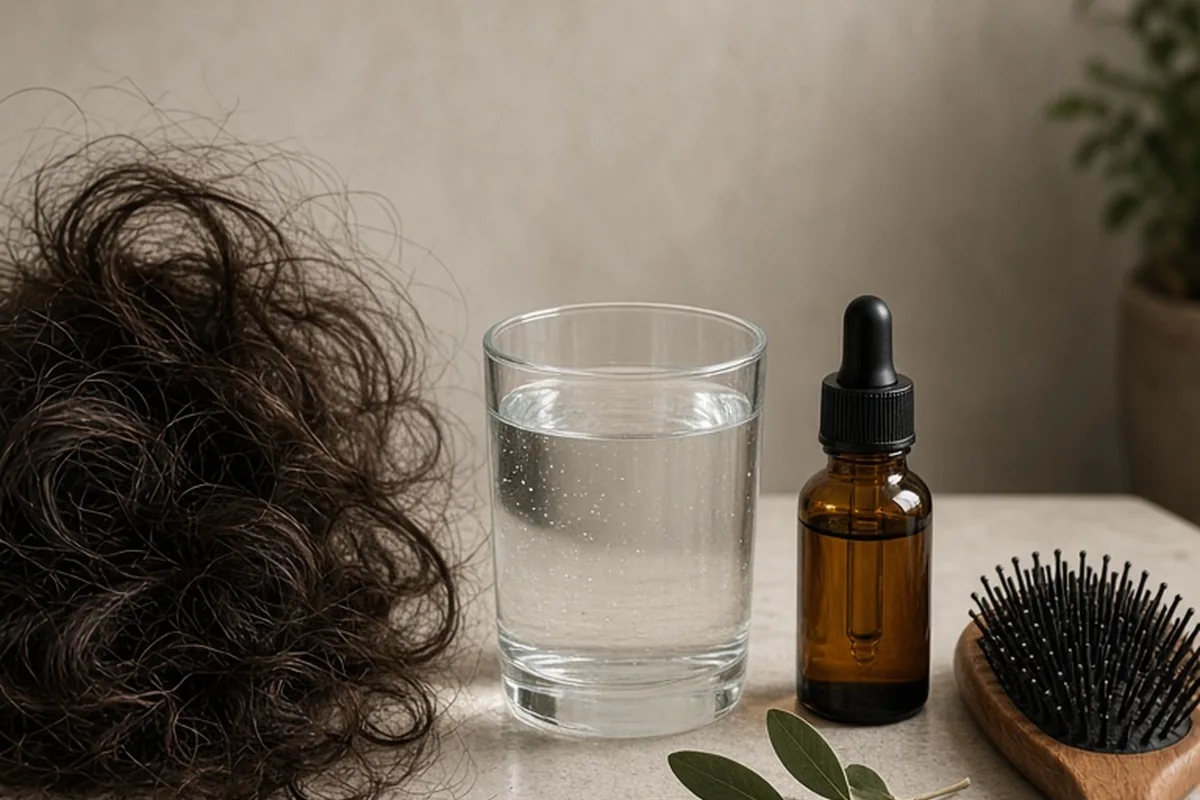
No, oil does not moisturize hair on its own because true moisture comes from water. Oils are hydrophobic lipids that act as sealants and emollients. Instead of delivering hydration, oils form a protective barrier over the cuticle that traps existing water inside the strand, softens roughness, and adds shine. Applying oil directly to dry hair can actually block water from entering, worsening dryness.
Many people reach for a bottle of plant oil or serum the moment their hair feels straw-like and brittle, expecting it to infuse the strands with immediate moisture. When the hair remains stiff, dull, or strangely greasy yet dry underneath, the result feels confusing. Understanding the distinct difference between hydration and lubrication is the key to transforming a frustrating hair care routine into one that delivers soft, resilient strands.
The Biological Difference Between Hydration and Lubrication
To understand why oil cannot moisturize hair, you have to look at the structural composition of the hair shaft. Hair is composed primarily of a fibrous protein called keratin, protected by an outer shingle-like layer called the cuticle. In biological and cosmetic terms, hydration refers exclusively to water content. Water penetrates into the inner cortex of the hair strand, increasing flexibility, elasticity, and pliability. Without adequate water, keratin fibers become rigid and prone to snapping under mechanical tension.
Oils, whether derived from plants, nuts, or synthetic sources, are lipids made of hydrophobic fatty acid chains. Because oil and water naturally repel each other, oils cannot hydrate hair fibers. Instead, oils provide lubrication and emollience. They smooth down raised cuticle edges, reduce friction between individual strands, reflect light to create shine, and establish a barrier that slows down evaporation. If your hair is already devoid of water, applying an oil creates a slick coating over a dehydrated core without solving the underlying dryness.
Penetrating Oils Versus Sealing Oils
Not all hair oils behave the same way on a hair strand. The molecular weight, fatty acid structure, and polarity of an oil determine whether it can pass beneath the cuticle or whether it remains strictly on the surface. Understanding these two broad categories helps you select the right product for your specific hair goals rather than expecting one bottle to solve every styling challenge.
Penetrating oils possess small, linear molecular structures and high polarity, which allows them to slip past the cuticle scales and enter the cortex. Coconut oil, babassu oil, and to a moderate extent avocado and olive oils fall into this group. Inside the cortex, these oils help bind to internal proteins, reducing protein loss during washing and preventing the strand from swelling excessively when wet. However, penetrating oils still do not add water; they simply protect internal structural integrity.
Sealing oils consist of larger, heavier, or bulkier molecules that cannot fit between cuticle scales. Jojoba oil, Jamaican black castor oil, mineral oil, and grapeseed oil sit entirely on the exterior surface of the hair shaft. Their primary purpose is occlusion, creating a physical shield that locks existing moisture inside the hair shaft while protecting against environmental friction and humidity. Using a sealing oil on dry hair simply seals the dryness in and seals atmospheric moisture out.
The Chronic Cycle of Oil Buildup and Dryness
A common pitfall occurs when someone mistakes surface shine for deep hydration. When hair feels rough or frizzy, the instinctive reaction is often to apply more oil to the mid-lengths and ends. Over several days, repeated applications of heavy oils create a water-repellent coating over the hair shaft. When you subsequently wash or rinse your hair, water beads up on the surface rather than penetrating the cuticle.
This dynamic creates a deceptive condition where the outside of the hair feels coated, waxy, or limp, while the internal fiber remains parched and brittle. Over time, hair trapped beneath persistent oil buildup loses elasticity, leading to increased shedding, split ends, and breakage during detangling. Breaking this cycle requires recognizing that brittle hair needs a thorough cleanse and water-based conditioning before any oil is reintroduced.
How to Layer Products Using the Liquid, Cream, and Oil Method
To get the true benefits of both water and oil, you must apply them in the correct physical sequence. The most reliable framework for lasting moisture is known as the liquid-oil-cream or liquid-cream-oil technique. The foundational rule across all variations is that water or a water-based product must always touch clean hair first.
Begin with clean, damp hair after washing, or mist dry hair thoroughly with water or an aloe-based spray. Apply a water-soluble leave-in conditioner or hydrating milk containing humectants like glycerin, panthenol, or propylene glycol. Humectants actively draw water into the hair shaft and hold it there. Once the hair is fully saturated with moisture, apply a small amount of oil or a lipid-rich cream to seal the outer cuticle layer. In this sequence, the oil fulfills its intended purpose by forming a roof that prevents the underlying hydration from evaporating throughout the day.
Matching Oil Types to Hair Porosity and Texture
Hair porosity refers to how easily your cuticle layer opens and closes to allow water in and out. Tailoring your oil selection to your porosity level ensures you avoid both rapid moisture loss and greasy heaviness. Low porosity hair features tightly packed, overlapping cuticles that resist water absorption. Heavy oils like castor or unrefined shea butter sit heavily on low porosity strands, creating buildup without offering benefits. Low porosity hair thrives with lightweight oils like argan, sweet almond, or jojoba applied over warm, damp strands.
High porosity hair, which often results from heat styling, chemical coloring, or natural genetic patterns, has raised or damaged cuticles with gaps along the shaft. Water enters high porosity hair instantly but escapes just as quickly, leaving hair perpetually dry within hours of washing. This hair type benefits significantly from richer, more occlusive oils such as avocado, olive, or castor oil layered over a thick leave-in conditioner to plug cuticle gaps and slow water loss.
Practical Ways to Incorporate Oils Without Dehydrating Hair
Beyond daily sealing, oils serve several highly effective functions when integrated thoughtfully into a wash day routine. One of the most beneficial uses is a pre-shampoo treatment, often called a pre-poo. Applying a penetrating oil like warm coconut or olive oil to dry hair thirty minutes before shampooing helps mitigate hygral fatigue, which is the weakening of the hair fiber caused by repeated swelling and contracting as hair absorbs and loses water during washing.
Oils are also exceptionally useful for mechanical protection during styling and detangling. Applying a couple of drops of a lightweight oil to your fingertips before separating curls, taking down braids, or smoothing a ponytail reduces friction between your fingers and the hair cuticles. This minimizes surface snagging, controls flyaways, and creates a polished finish without requiring a heavy layer of product across the entire head.
Resetting Coated Hair to Restore Water Balance
If you suspect your hair has accumulated stubborn oil buildup that blocks hydration, a gentle reset is necessary before your moisturizing routine will work effectively again. Mild co-washes or sulfate-free cleansing conditioners are usually insufficient for removing heavy lipid layers, as they contain conditioning agents that add to the existing coating.
Use a dedicated clarifying shampoo with chelating or deep-cleansing surfactants once or twice a month to strip away old oils, silicone residues, and mineral deposits. Follow immediately with a rich, water-based deep conditioning mask containing both humectants and fatty alcohols like cetyl or stearyl alcohol. Allow the conditioner to sit under a warm shower cap for ten to twenty minutes so water can thoroughly penetrate the freshly cleared cuticle before sealing with a light oil.
Illustrative Scenarios
Adjusting Routine from Raw Oil to Hydration Layering
An individual with medium-density, wavy hair applied pure argan oil directly to dry ends every morning to combat chronic frizz. Despite consistent daily use, the ends became noticeably stiffer, crunchy to the touch, and snapped easily when brushed. After learning that oil blocks water from entering dry strands, the person changed the sequence: they misted the hair with water and applied a quarter-sized amount of a lightweight leave-in conditioner first, finishing with just two drops of argan oil pressed gently over the damp ends.
Key point: Applying oil as the final sealant over water-based hydration eliminates surface crunchiness and allows the hair shaft to retain flexibility throughout the day.
Frequently asked questions
Can I put oil on dry hair to tame frizz?
You can use a drop or two of oil on dry hair to smooth down surface flyaways and add temporary shine. However, this only masks the visual appearance of frizz and will not fix underlying dryness. If your hair is chronically frizzy, mist it with water and apply a leave-in conditioner before smoothing with oil.
Does scalp oiling help with hair growth and moisture?
Oiling the scalp lubricates the skin and can soothe minor dryness, but it does not directly hydrate the scalp tissue or accelerate genetic growth rates. Massaging oil into the scalp can stimulate local blood circulation, but excessive oil left on the scalp can feed naturally occurring yeasts and cause irritation or flaking.
Which oil is best for daily hair care?
Jojoba oil and squalane are excellent choices for routine use because their molecular structures closely resemble human sebum. They provide lightweight lubrication without creating heavy buildup on fine or medium hair textures.
Why does my hair feel hard after using coconut oil?
Coconut oil penetrates deep into the hair cortex and binds strongly to internal proteins. On coarse hair, low porosity hair, or hair that already has high protein levels, this protein-retention effect can make strands feel stiff, brittle, and unyielding rather than soft.
Your next step
Inspect your current hair routine to ensure water or a water-based leave-in product is always applied before reaching for your favorite oil.