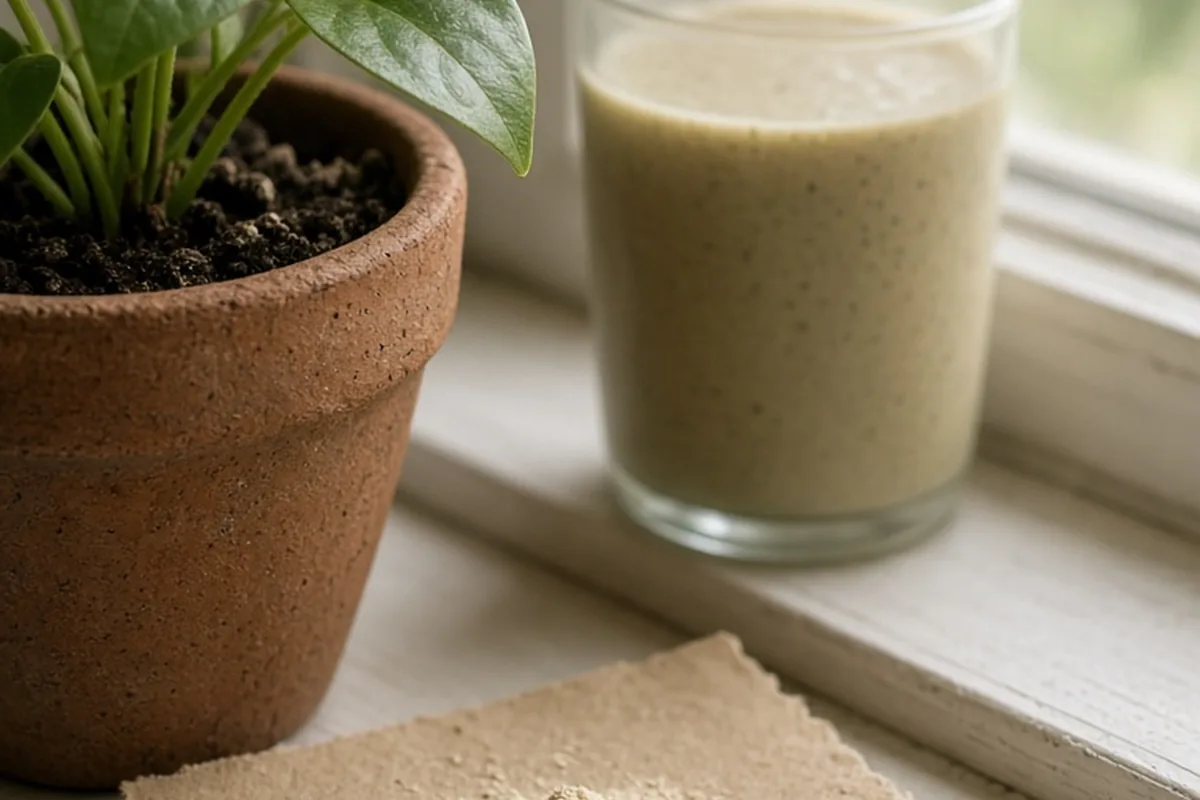
Pea protein rarely causes acne on its own because it lacks the dairy hormones and insulin-stimulating factors found in whey. However, breakouts can still happen if your protein powder contains added sugars, artificial sweeteners, thickeners, or heavy flavorings that disrupt digestion or blood sugar balance. Evaluating the entire ingredient label helps you pinpoint the true cause of any skin irritation.
Switching to a plant-based protein powder is often one of the first changes people make when trying to clear up persistent breakouts or avoid the digestive distress of dairy. Yet finding unexpected blemishes after introducing a daily pea protein shake can feel frustrating and confusing. Understanding how your body processes plant isolates, what goes into commercial formulations, and how your overall routine plays a role will help you enjoy the nutritional benefits without sacrificing your complexion.
Pea Protein Versus Dairy Whey and Skin Responses
To understand why pea protein rarely triggers skin blemishes directly, it helps to examine how it differs from traditional dairy-based powders. Whey and casein contain concentrated milk proteins that can stimulate insulin-like growth factor 1, commonly known as IGF-1, along with other bovine growth signals. In many individuals, elevated IGF-1 increases androgen production and signals sebaceous glands in the pores to overproduce thick, sticky sebum. This surge in oil, combined with rapid skin cell turnover, creates an ideal environment for acne-causing bacteria to thrive.
Pea protein isolate, by contrast, is derived from yellow split peas and is naturally free from dairy hormones, lactose, and common animal-derived growth factors. Because it is naturally low on the glycemic index, pure pea protein does not cause the sharp insulin spikes that often trigger hormonal breakouts. When someone switches from a standard whey concentrate to an unflavored pea protein, they frequently notice a reduction in inflammatory cysts along the jawline and chin. The protein itself delivers essential amino acids without the specific hormonal pathways that make dairy a frequent culprit in chronic acne flare-ups.
Hidden Additives in Protein Powders That Trigger Breakouts
While pure yellow pea isolate is gentle on the skin, commercial protein powders rarely contain only peas. Manufacturers frequently add a wide array of flavoring agents, texturizers, and sweeteners to mask the earthy, savory profile of legumes. Highly refined thickeners such as maltodextrin have a higher glycemic index than table sugar, which means they can trigger rapid glucose spikes followed by an insulin surge that stimulates excess facial oil production. Even relatively modest amounts of hidden starches can provoke inflammatory responses in sensitive skin types.
Artificial and alternative sweeteners can also play an indirect role in skin irritation. Ingredients like sucralose, acesulfame potassium, and certain sugar alcohols can alter the balance of beneficial bacteria in your digestive system, leading to mild internal inflammation that eventually shows up on the skin surface. Emulsifiers and gums, including xanthan gum, guar gum, and carrageenan, are added to create a creamy mouthfeel, but they can slow gastric emptying or irritate a delicate gut lining. If you notice breakouts after starting a new flavored tub, the true culprit is often one of these secondary additives rather than the pea protein itself.
The Digestive Link Between Legumes and Skin Irritation
The connection between gut health and clear skin is well recognized in daily wellness practices. Legumes naturally contain compounds such as lectins, phytates, and fermentable oligosaccharides that can be challenging for sensitive digestive tracts to break down. Although modern isolation and filtration methods remove the vast majority of these compounds from high-grade pea protein powder, lower-grade or minimally processed options may still contain trace amounts that cause bloating, gas, or sluggish digestion in susceptible individuals.
When the digestive system experiences chronic, low-grade irritation or delayed transit times, systemic inflammation can increase. In people prone to inflammatory skin conditions, this internal stress often manifests as redness, surface irritation, or clustered whiteheads on the lower half of the face. If you find that pea protein consistently leaves you feeling bloated or uncomfortable within an hour of drinking it, your skin flare-up may be a secondary reaction to digestive strain. Selecting fermented or sprouted pea proteins can significantly improve digestibility and reduce the risk of gut-mediated skin flare-ups.
How Blending Habits and Post-Workout Routines Impact Pores
When evaluating a breakout, it is crucial to look at the entire context of when and how you consume your protein shake. Many people do not drink pea protein mixed solely with water; they blend it into rich morning smoothies filled with oat milk, sweetened almond milk, peanut butter, dried dates, or agave nectar. These high-glycemic or high-fat add-ins can dramatically increase the overall sugar and omega-6 fatty acid content of your meal, creating an inflammatory load that has little to do with the pea protein base.
Your post-exercise hygiene habits also interact directly with your complexion. Protein shakes are commonly consumed immediately following heavy resistance training or intense cardiovascular workouts. If you drink your shake while still warm, sweating, and touching gym equipment, bacteria from your hands and shaker cup can easily transfer to your face. Leaving sweat on your skin while consuming a heavy liquid can trap dirt and sebum within open follicles, resulting in rapid pustules or sweat-induced irritation that gets mistakenly blamed on the protein powder.
A Step-by-Step Method to Test Your Pea Protein for Breakouts
If you suspect your current pea protein is contributing to new blemishes, you do not need to guess or abandon plant protein entirely. A structured elimination and reintroduction process can provide clear answers within a few weeks without requiring complex testing. This methodical approach separates the effects of the pea isolate from the other variables in your diet and lifestyle.
Begin by taking a two-week break from your current protein powder while keeping the rest of your skincare and nutrition habits completely consistent. Take note of any changes in pore congestion, active inflammation, or digestive comfort over this window.
After the baseline rest period, reintroduce pure, single-ingredient unflavored pea protein mixed only with plain water once daily for seven consecutive days. If your complexion remains clear and your digestion feels calm, the pea protein itself is well-tolerated by your body. If bumps or irritation return, you may have a specific personal sensitivity to split peas, and you can comfortably explore alternatives like brown rice, pumpkin seed, or hemp protein isolate.
- Pause your current flavored protein powder entirely for fourteen days to establish a clear skin baseline.
- Maintain your existing skincare products and avoid introducing new topical treatments during the testing period.
- Track daily observations regarding skin redness, pore congestion, and digestive symptoms in a quick notebook entry.
- Reintroduce one serving of unflavored, single-ingredient pea protein stirred into plain water each morning for a full week.
- Evaluate whether new breakouts emerge within 48 to 72 hours of reintroduction before testing any flavored blends.
How to Choose a Clean and Skin-Friendly Pea Protein
Finding a pea protein that supports both your fitness targets and your skincare goals comes down to scrutinizing the nutrition panel before making a purchase. The most skin-friendly products keep their formulations remarkably brief, featuring organic yellow pea isolate or fermented pea protein as the sole ingredient. Fermented and cold-water extracted options are especially beneficial because the gentle processing breaks down residual anti-nutrients and plant sugars, making the amino acids easier for your body to absorb without digestive friction.
Look for brands that invest in independent third-party testing for heavy metals and purity, as soil-grown crops like peas can absorb trace minerals from their growing environment if not rigorously monitored. If you prefer a flavored option, prioritize products that use natural vanilla bean or raw cacao sweetened minimally with organic monk fruit or whole stevia leaf extract, avoiding blends packed with maltodextrin, artificial colorings, or synthetic flavor oils. Investing in a cleaner, minimalist formula protects your skin barrier while delivering clean, bioavailable plant nutrition.
Frequently asked questions
Can pea protein cause cystic acne?
Pure pea protein does not contain the dairy hormones or high glycemic load typically associated with deep cystic acne. If you develop cysts after using a pea protein powder, check the label for high-glycemic fillers like maltodextrin or consider whether an unaddressed digestive sensitivity is causing internal inflammation.
Is pea protein safer for acne-prone skin than whey?
Yes, pea protein is widely considered much friendlier for acne-prone skin than whey concentrate or isolate. Whey contains dairy derivatives and growth factors that elevate IGF-1 and sebum production, whereas pea protein is hypoallergenic and non-dairy.
Why did I break out after starting a plant-based protein shake?
Breakouts after starting a plant shake are usually caused by added sweeteners, thickeners, flavored syrups, or high-sugar smoothie ingredients like sweetened nut milks and dates. Post-workout sweat and touching your face while handling shaker bottles can also trigger surface blemishes.
Which plant protein is best if pea protein irritates my skin?
If you find that pea protein causes digestive discomfort or skin flare-ups, hemp protein, pumpkin seed protein, and organic sprouted brown rice protein make excellent hypoallergenic alternatives. These options provide balanced amino acid profiles with distinct digestive properties.
Your next step
Review the ingredient label on your current protein tub today, and consider switching to a single-ingredient, unflavored pea isolate mixed with water to give your skin a clean, low-inflammatory baseline.