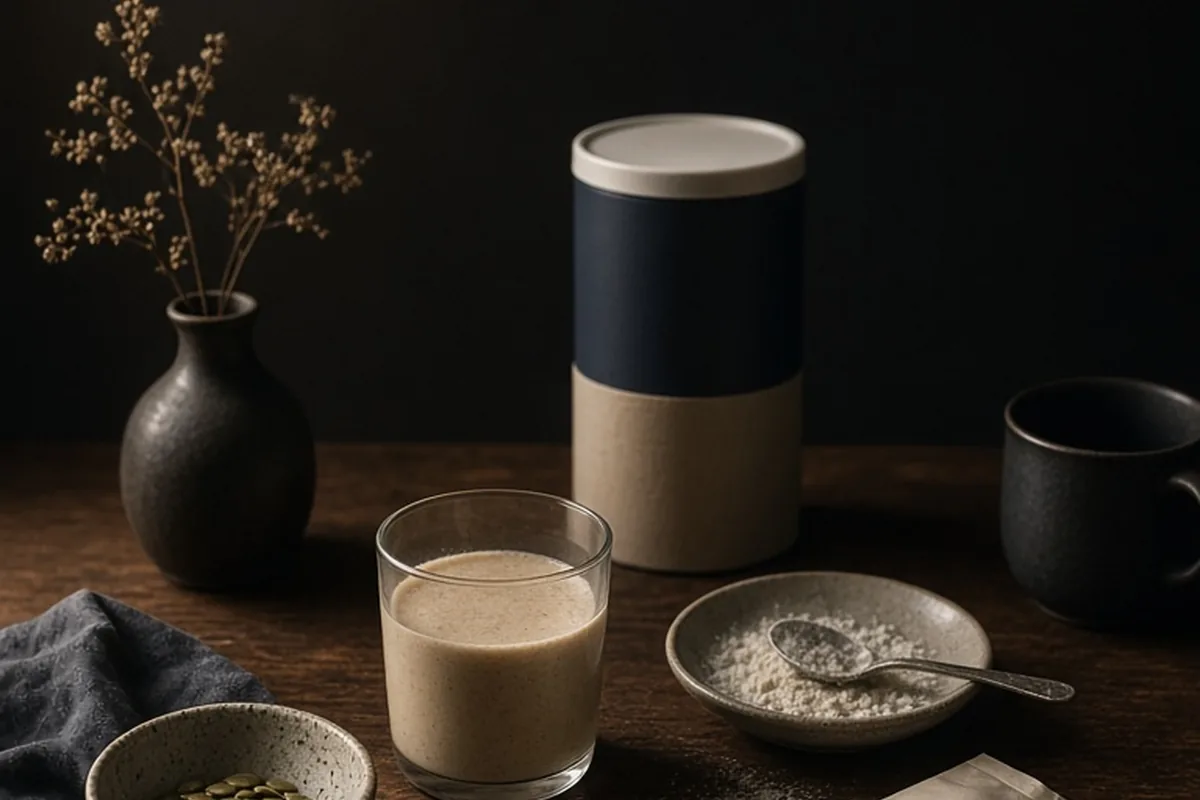
Plant protein does not inherently cause acne for most people, making it a common alternative to dairy-based whey. However, added sweeteners, thickeners, flavoring agents, or personal food sensitivities in specific blends can trigger breakouts. Checking ingredient labels for low-glycemic, unflavored, single-source proteins like pea, pumpkin seed, or hemp often helps minimize skin irritation.
Switching to a plant-based protein powder is often one of the first steps people take when trying to clear up stubborn breakouts linked to dairy. Yet discovering sudden blemishes after adding a plant-based shake to your daily routine can feel frustrating and confusing.
How Plant Protein Differs from Dairy Protein on the Skin
To understand how plant protein interacts with your complexion, it helps to examine why protein supplements are linked to breakouts in the first place. Traditional whey and casein powders are derived from cow milk, which naturally contains growth factors and hormones. When consumed in concentrated powder form, dairy protein can stimulate insulin-like growth factor 1 (IGF-1) pathways and spike systemic insulin levels. This metabolic chain reaction often leads to increased sebum production, faster skin cell turnover, and clogged pores that foster acne-causing bacteria.
Plant proteins—derived from sources like yellow peas, brown rice, hemp seeds, pumpkin seeds, and soy—do not contain dairy-derived hormones or the same direct stimulation of IGF-1. As a result, standard plant proteins are substantially less likely to trigger the rapid hormonal cascade associated with dairy whey. For many individuals struggling with persistent jawline or cystic acne after gym workouts, transitioning to a plant formula provides noticeable relief.
However, plant-based status alone is not an automatic guarantee against skin irritation. While the base protein isolated from plants rarely incites an inflammatory skin reaction on its own, modern commercial protein powders are complex manufactured products. A single scoop often includes a dozen auxiliary ingredients designed to improve solubility, shelf life, and sweetness, and these supplementary compounds are frequently the true source of post-shake skin trouble.
Hidden Ingredients in Protein Powders That Trigger Breakouts
When a new plant-based protein powder coincides with a breakout, the culprit is frequently tucked away in the fine print of the ingredient list. Artificial sweeteners such as sucralose, acesulfame potassium, and aspartame are widely used to sweeten protein supplements without adding calories. While they do not spike blood sugar directly, some individuals experience shifts in gut microbial balance or low-grade digestive inflammation when consuming synthetic sweeteners daily, which can translate into inflammatory skin flares.
High-glycemic additives and concentrated sugars present an even more direct challenge. Ingredients like maltodextrin, brown rice syrup solids, dextrose, and cane sugar cause rapid spikes in blood glucose. When your blood sugar surges, your pancreas releases insulin, which promotes excess oil production in the sebaceous glands and makes dead skin cells stickier. If your plant protein powder tastes like a dessert milkshake, its glycemic load might be driving your breakouts.
Texture enhancers and gums also deserve careful inspection. Xanthan gum, guar gum, acacia gum, and carrageenan are standard plant-derived thickeners added to give vegan shakes a creamy mouthfeel. In sensitive digestive tracts, large daily doses of these gums can cause fermentation, bloating, and mild gut permeability issues. Because the gut microbiome and skin barrier communicate closely, persistent gastrointestinal irritation can manifest externally as redness, congestion, or inflammatory papules.
Evaluating Specific Plant Protein Sources and Sensitivities
Different botanical sources carry distinct nutritional and digestive profiles. Pea protein isolate, derived from yellow split peas, is the most common base in commercial vegan blends due to its balanced amino acid profile and high digestibility. For the vast majority of people, isolated pea protein is hypoallergenic and gentle on the skin. However, individuals with specific legume sensitivities or difficulty digesting concentrated legumes might experience mild inflammatory responses.
Hemp protein and pumpkin seed protein offer excellent alternatives with skin-supportive benefits. Both are minimally processed, rich in dietary fiber, and naturally contain essential fatty acids like linoleic acid and zinc, which play structural roles in maintaining a healthy skin barrier. Because they require fewer chemical processing steps to extract, cold-pressed seed proteins are less likely to contain residual processing aids, though their earthy flavor and grittier texture can take time to adjust to.
Soy protein isolate remains a debated topic among acne sufferers. Soy contains natural isoflavones, which are plant compounds that can mildly interact with estrogen receptors in the body. While moderate whole-soy intake is generally safe and well-tolerated, highly concentrated soy protein isolate can occasionally influence hormonal balance in sensitive individuals, potentially contributing to cyclical or hormonal breakouts along the chin and neck.
Brown rice protein provides a neutral, hypoallergenic option that rarely provokes allergies, but it is often combined with other grains or legumes to create a complete protein. If you suspect your current powder is causing issues, rotating between single-origin options—such as testing pure pumpkin seed protein for three weeks before trying plain pea protein—allows you to isolate exactly how your skin responds to each plant family.
The Overlooked Impact of Added Vitamins and Micronutrients
Many popular plant protein powders are marketed as all-in-one meal replacements or performance superfoods, which means they are often heavily fortified with synthetic vitamins and minerals. While fortification sounds beneficial on paper, mega-doses of certain micronutrients are well-documented triggers for acneiform eruptions—skin lesions that closely resemble standard acne breakouts.
Vitamin B12 and biotin (vitamin B7) are two frequent culprits in fortified shakes. When consumed in amounts far exceeding daily dietary requirements, vitamin B12 can alter the gene expression of skin bacteria, specifically *Cutibacterium acnes*, leading to localized inflammation and rapid pustule formation. Biotin, frequently marketed for hair and nail growth, can compete with vitamin B5 (pantothenic acid) for absorption in the intestines. A relative deficiency in vitamin B5 can weaken the epidermal barrier and increase sebum production, leading to unexpected surface congestion.
Iodine and high-mineral additions, such as concentrated kelp or marine algae blends added for green nutrition, can also provoke follicular irritation when consumed in high quantities. If your plant protein blend features a long panel of added vitamins providing hundreds of percent of your daily recommended values, switching to an unfortified powder with a simple ingredient deck is a sensible troubleshooting step.
Smoothie Add-Ins That Might Be the Real Culprit
When assessing whether a protein powder causes skin trouble, it is essential to evaluate the entire recipe rather than the dry powder in isolation. Many people blend their plant protein with ingredients that substantially raise the glycemic load or introduce potential dietary irritants. A shake blended with sweetened oat milk, two ripe bananas, dates, and flavored nut butter can easily contain over forty grams of rapidly absorbing sugars.
This high glycemic load triggers the exact same insulin and oil production pathways that create acne vulnerabilities. Similarly, flavored plant milks frequently contain added oils, emulsifiers, and cane sugar that compound the complexity of your beverage. If your skin acts up after introducing a daily smoothie, the issue might stem from the liquid base or sweet mixers rather than the protein powder itself.
To accurately assess how your skin handles plant protein, consider stripping your shake down to minimal components for a two-week trial. Mix your scoop with plain water, unsweetened almond milk, or unsweetened coconut water, and use low-glycemic fruits like wild blueberries or half an avocado for creaminess instead of high-sugar sweeteners. This baseline preparation makes it easy to observe your skin's true reaction.
A Practical Checklist for Choosing Acne-Safe Plant Proteins
Navigating the supplement aisle becomes straightforward once you know which ingredient criteria support skin clarity. The primary goal is to minimize unnecessary additives, synthetic sweeteners, and unneeded vitamin fortification while maximizing pure, easily digestible protein.
Prioritize products that feature short, transparent ingredient panels where the protein source itself represents the vast majority of the container's contents. If you prefer flavored options, look for brands that rely on small amounts of organic whole stevia leaf or monk fruit extract rather than synthetic sweeteners or sugar alcohols, though completely unflavored varieties remain the gold standard for sensitive skin.
Consider this checklist when evaluating potential plant protein powders:
- Single-source or simple dual-source protein bases (such as 100% organic pea protein or a blend of pea and pumpkin seed).
- Zero added sugars, maltodextrin, or high-glycemic syrups.
- Absence of artificial food dyes, synthetic flavors, and chemical preserving agents.
- Free from unneeded high-dose vitamin B12, biotin, or iodine fortification.
- Minimal reliance on heavy gum blends like carrageenan or excessive xanthan gum.
- Independent third-party testing for heavy metals and purity standards.
Frequently asked questions
How quickly will my skin clear up if my protein powder was causing breakouts?
Skin cell turnover typically takes between 28 to 40 days, so noticeable improvements usually appear within three to four weeks after discontinuing the offending product. In the first week or two, active inflammation often subsides, followed by a gradual reduction in new clogged pores and surface blemishes.
Is pea protein or soy protein better for acne-prone skin?
Pea protein is generally considered safer for acne-prone individuals because it is hypoallergenic and does not contain plant isoflavones that might interact with hormone pathways. While soy is safe for most, highly concentrated soy isolates can occasionally affect hormonally sensitive skin.
Can drinking more water prevent breakouts caused by protein shakes?
Staying well-hydrated supports kidney function and general skin barrier health, but it cannot counteract acne caused by high-glycemic sweeteners, food intolerances, or excess vitamin fortification. Adjusting your supplement's ingredient profile remains the most effective strategy for resolving persistent breakouts.
Your next step
Inspect your current protein powder label today and switch to a single-ingredient, unflavored plant protein mixed with unsweetened liquids for three weeks to see if your breakouts resolve.