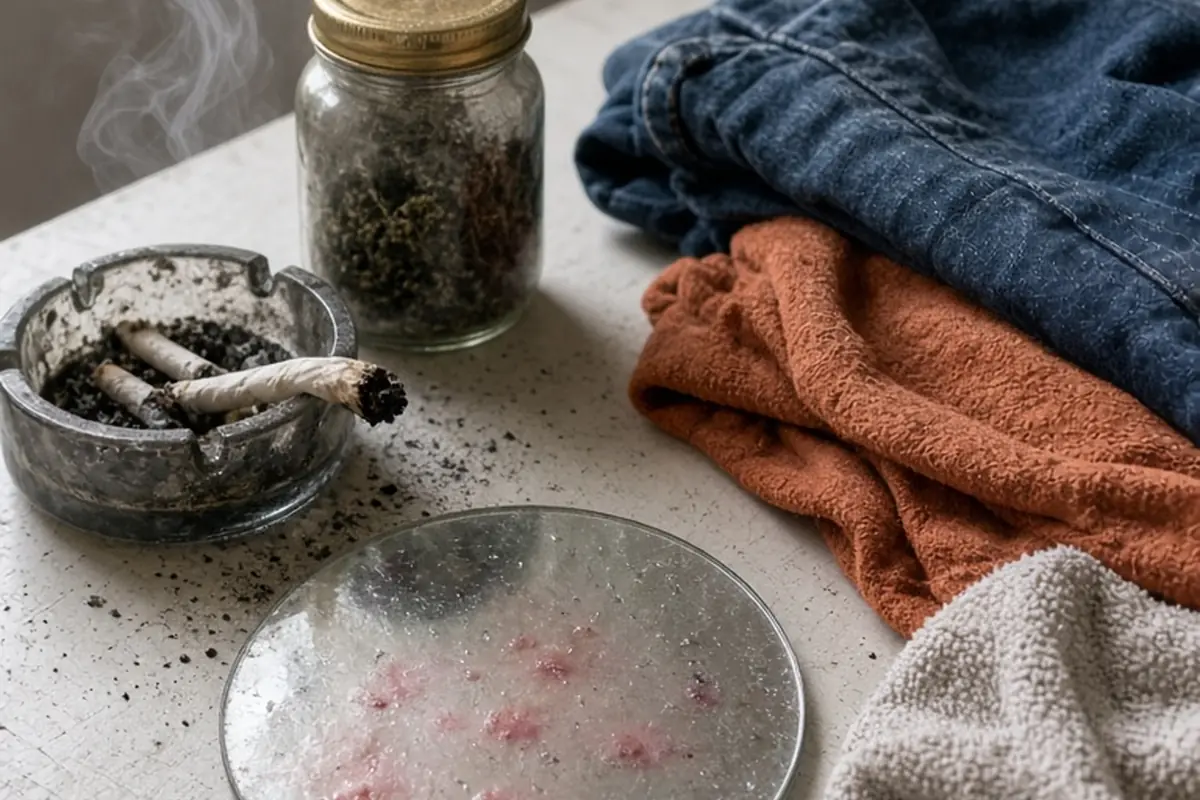
Smoking pot does not directly create acne bacteria, but the physical smoke and associated lifestyle habits frequently trigger breakouts. Smoke exposure coats the skin in irritating particulate matter and depletes surface hydration, while THC-driven cravings often lead to high-glycemic snacking. Additionally, relaxed evening routines can result in missed face-washing sessions, creating an ideal environment for clogged pores and inflammation.
Navigating breakout triggers can be frustrating when everyday habits and recreational choices intersect with complex skin biology. Understanding the exact mechanisms connecting cannabis use to your skin barrier allows you to isolate real causes, adapt your routine, and protect your complexion effectively.
How Smoke Residue and Combustion Irritate the Skin Barrier
When you smoke cannabis using joints, blunts, bowls, or bongs, the combustion process produces smoke loaded with particulate matter, volatile organic compounds, and heat. As this warm smoke rises and rolls across your face, it makes direct physical contact with your delicate facial skin. Unlike ingested forms of cannabis, inhaled smoke deposits microscopic debris directly onto your skin surface, where it can easily mix with your natural sebum, environmental dust, and residual makeup, creating a physical film that clogs pores.
Beyond surface congestion, constant smoke exposure strips the skin of its essential moisture and degrades the natural protective barrier. The heat and chemical byproducts generate oxidative stress on the skin surface, which weakens cellular defenses and triggers compensatory oil production. When your moisture barrier becomes dehydrated and compromised, your sebaceous glands produce heavier, thicker oil to make up for the lost hydration. This combination of oxidized lipids, excess sebum, and settled ash particles forms an ideal breeding ground for stubborn blackheads, whiteheads, and inflamed surface bumps.
A common example occurs when smoking in poorly ventilated indoor spaces or enclosed rooms. Even if you exhale away from your face, lingering ambient smoke repeatedly settles on your forehead, temples, and cheeks throughout the session. If this surface buildup is left unaddressed before you head to sleep, it remains pressed against your skin and pillowcase for hours, significantly accelerating pore blockages by morning.
The Impact of Munchies and Blood Sugar Spikes on Sebum
One of the most potent indirect links between cannabis and breakouts stems from diet, specifically the heightened appetite known as the munchies. THC interacts with receptors in the brain that stimulate cravings, often steering individuals toward ultra-processed, high-sugar, and high-fat comfort foods like chips, pizza, candy, and ice cream. These items possess a high glycemic index, meaning they cause rapid spikes in blood glucose levels shortly after consumption.
When your blood sugar spikes quickly, your body releases an elevated surge of insulin. High circulating insulin stimulates the production of insulin-like growth factor 1 (IGF-1), a signaling protein known to prompt sebaceous glands into hyperdrive. This surge not only increases the sheer volume of sebum your skin creates but also alters the composition of the oil, making it stickier and more prone to trapping dead skin cells inside your hair follicles. Over consecutive days of late-night snacking, this biological cascade can lead to inflammatory papules and deep cystic bumps.
The trade-off here is behavioral. Enjoying cannabis often pairs with spontaneous, relaxed eating, making strict dietary discipline difficult in the moment. However, being mindful of what snacks are easily accessible in your pantry can substantially blunt this effect without requiring you to fight intense hunger cues with sheer willpower alone.
- Pre-portion balanced snacks such as fresh berries, raw nuts, and Greek yogurt before starting a session.
- Keep cold water or unsweetened herbal teas nearby to address thirst that is often mistaken for hunger.
- Limit the immediate availability of refined sweets and fried finger foods during late-night hours.
Hormones, Stress Cycles, and Cortisol Fluctuations
The human body possesses a complex endocannabinoid system that helps modulate various physiological functions, including mood, pain perception, and hormone balance. When external cannabinoids like THC enter the bloodstream, they can influence the balance of several key hormones. While many people use cannabis specifically to unwind and alleviate daily stress, the pharmacological effects on stress hormones like cortisol are nuanced and fluctuate depending on dosage, frequency, and personal tolerance.
In regular or high doses, cannabis can alter cortisol rhythms, occasionally causing temporary spikes in stress hormones or leading to rebound anxiety when the initial effects wear off. Elevated cortisol signals your skin's oil glands to produce excess sebum and can impair the skin's natural healing and regenerative processes. Furthermore, changes in androgen activity influenced by regular cannabis consumption can alter pore lining thickness, making it easier for cellular debris to build up and trigger persistent cyclical breakouts along the jawline and chin.
Understanding this hormonal link helps explain why some individuals notice flare-ups during periods of heavy, frequent use that subside when consumption becomes more moderate. Because individual sensitivity varies widely, paying attention to how your body responds emotionally and physically over the hours following use can give you valuable clues about your skin's tolerance threshold.
Hygiene Habits, Communal Paraphernalia, and Face Touching
A frequently overlooked contributor to cannabis-related acne is basic physical hygiene during and after consumption. Cannabis sessions often foster deep physical relaxation, which can lead to unconscious behavioral habits that harm skin clarity. For instance, people frequently rest their hands on their chin, rub their eyes, or touch their face while relaxed or watching entertainment. Transferring oils, food remnants, and general surface grime from your hands directly onto warm facial skin introduces foreign bacteria right into vulnerable pores.
Shared smoking accessories present another distinct hygiene challenge. Passing joints, blunts, vaporizers, or water pipes around a social circle inevitably transfers oral bacteria and saliva residues onto hands, clothing, and smoking tips. If you repeatedly handle these items and subsequently touch your face, or if you hold a joint close to your cheek while inhaling, you deposit high concentrations of microbial residue directly onto the surrounding skin, often causing localized clusters of small whiteheads around the mouth and lower jaw.
Additionally, the deep fatigue that often follows cannabis use leads many users to skip essential evening hygiene steps. Falling asleep on the couch without cleansing your face, brushing your teeth, or swapping out a worn pillowcase allows stale smoke, daily sweat, and environmental grime to incubate on your skin overnight.
Comparing Inhalation Methods: Joints, Vaping, and Edibles
The method you choose to consume cannabis plays a major role in how directly your skin is exposed to potential acne triggers. Traditional combustion methods—such as smoking loose flower in rolling papers, tobacco-leaf wraps (blunts), or glass pipes—produce the highest levels of heat, tars, and direct smoke residue. Blunts add an extra layer of complication because tobacco wrappers contain nicotine, which constricts peripheral blood vessels, reducing healthy microcirculation and oxygen delivery to facial tissue, which in turn slows blemish healing.
Vaporizing dry herb or cannabis concentrates significantly reduces direct combustion byproducts, ash, and dense particulate matter. While vapor is generally less abrasive and lingering than heavy smoke, concentrated vapor plumes can still leave trace residue and cause localized dryness if exhaled directly against the skin. Moreover, the internal effects of THC on appetite and hydration remain fully present regardless of whether you inhale smoke or vapor.
Edibles, tinctures, and water-soluble drinks completely bypass the physical hazards of smoke and respiratory combustion. By eliminating surface residue and heat damage entirely, ingestible products protect the skin barrier from topical irritation. However, edibles frequently come in the form of sugary gummies, chocolates, or baked treats, meaning they can still trigger the insulin-driven breakout pathways discussed earlier. Choosing low-sugar tinctures or capsules offers the cleanest alternative for individuals whose skin reacts poorly to smoking.
Building a Protective Skincare Routine for Cannabis Users
If you choose to smoke cannabis and want to keep your complexion clear, your skincare regimen needs to focus on thorough cleansing, rapid barrier replenishment, and antioxidant defense. You do not necessarily need an aggressive, ten-step routine; rather, the focus should be on consistent, gentle steps applied at the right times to counteract smoke exposure and moisture loss.
Begin with a dual-phase cleansing strategy on evenings when you smoke. Start with an oil-based cleanser or micellar water to break down oily smoke residues, sunscreen, and daily debris, followed by a gentle, hydrating water-based cleanser with a slightly acidic pH. This thoroughly clears away particulate matter without stripping the skin of its essential lipids. Following cleansing, apply a soothing antioxidant serum—such as one containing niacinamide, green tea extract, or centella asiatica—to calm irritation and neutralize free radicals generated by environmental exposure.
Hydration is equally crucial. Inhaling warm smoke naturally dries mucous membranes and skin surfaces, so finishing your routine with a non-comedogenic, ceramide-rich moisturizer seals in vital hydration. If you know you tend to get too drowsy to wash your face right before bed, wash your skin and complete your routine before you begin your session. This proactive timing guarantees your skin is protected and clean, even if you fall asleep early.
- Wash your face thoroughly before you smoke to ensure clean skin, or keep gentle micellar wipes at your bedside for late nights.
- Incorporate a niacinamide serum to strengthen your barrier and help balance surface sebum levels.
- Use a gentle non-comedogenic ceramide moisturizer to prevent rebound oiliness caused by smoke-induced dryness.
- Stay consistently hydrated by drinking a full glass of water before and during every session.
How to Track Your Personal Triggers and Isolate Variables
Because acne develops from a combination of genetics, hormones, hygiene, and diet, cannabis might only be one small piece of your skin puzzle. To understand whether your breakouts truly correlate with pot use, it is helpful to run a simple, objective self-assessment over three to four weeks. Tracking your habits allows you to distinguish between direct smoke irritation, dietary factors, and unrelated hormonal patterns.
Keep a brief log on your phone noting the days you consume cannabis, the delivery method used (smoke, vape, or edible), what foods you ate during and after, and whether you completed your nighttime skincare routine. Note any new breakouts that appear two to three days later, as inflammatory blemishes typically take forty-eight to seventy-two hours to surface after an initial trigger event.
If breakouts only occur after smoking blunts or joints in closed rooms, surface smoke and combustion are your primary culprits. If breakouts happen equally with edibles or vapes, your triggers are more likely linked to dietary sugar spikes, sleep disruptions, or hormonal fluctuations. Isolating these factors gives you the exact information needed to make targeted adjustments without guessing.
Frequently asked questions
Can switching from smoking to vaping stop cannabis-related breakouts?
Switching to vaping removes dense combustion smoke and particulate ash, which significantly reduces topical skin irritation and surface clogging. However, it does not prevent breakouts caused by munchies-related sugar spikes, missed face washing, or dehydration.
Does THC directly increase oil production in facial skin?
THC does not directly activate sebum production on its own, but its systemic effects can alter hormonal balance and stress pathways. Additionally, the dehydration caused by smoke exposure can prompt the skin to produce excess oil as a compensatory defense.
Why do I get pimples around my mouth after smoking?
Breakouts around the mouth and chin are often caused by touching the lower face, contact with warm smoke, and lingering oils or bacteria from shared pipes and rolling papers. Washing your hands and cleaning your paraphernalia regularly can help prevent localized flare-ups.
Your next step
Take a proactive approach tonight by completing your evening skincare routine before your session, drinking plenty of water, and keeping healthy snacks on hand to protect your skin barrier from indirect triggers.