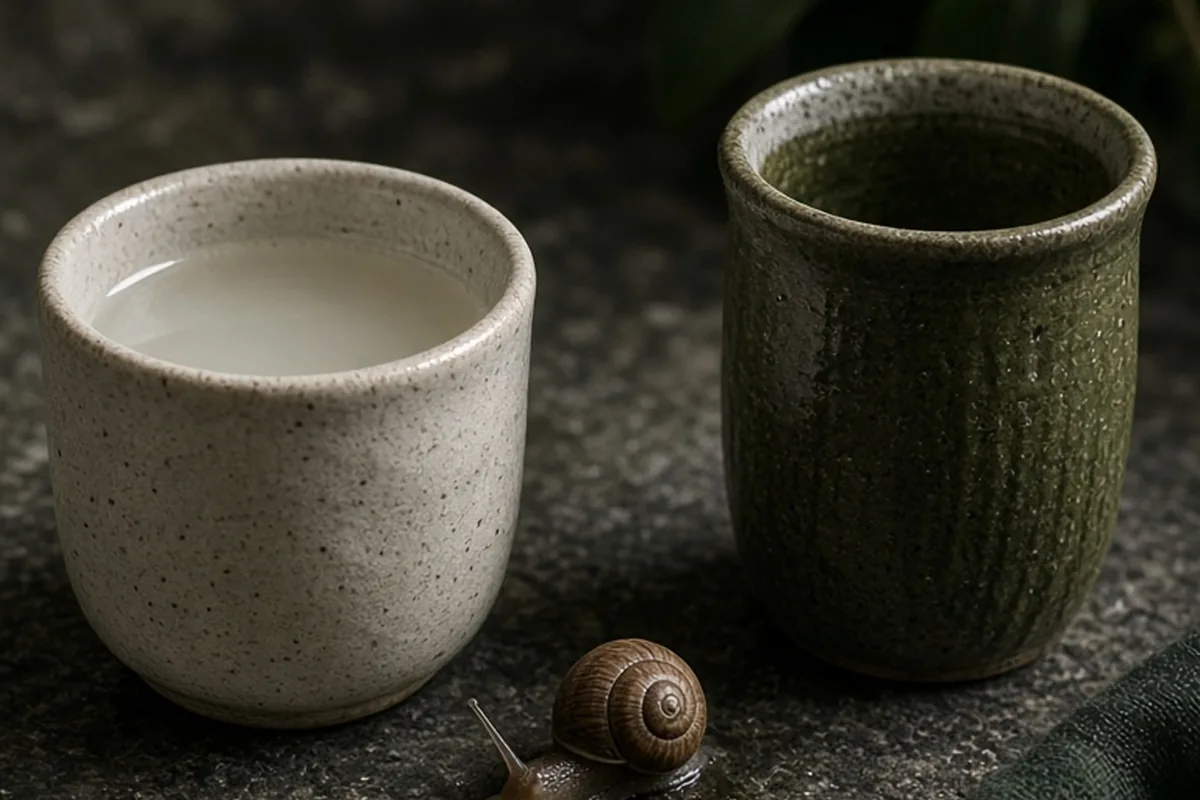
Pure snail mucin filtrate does not inherently cause fungal acne because it consists mainly of water, glycoproteins, and hyaluronic acid rather than the lipids Malassezia yeast feeds on. However, commercial snail formulations often contain added fatty acids, esters, or thickeners that can trigger flares. Additionally, heavy occlusion or cross-reactive invertebrate allergies can cause bumps that closely mimic fungal breakouts.
Snail secretion filtrate has earned a dedicated following for its ability to soothe, plump, and repair compromised moisture barriers, but introducing it to fungal acne-prone skin requires careful consideration.
Understanding Malassezia and What Actually Fuels Fungal Acne
Fungal acne is an informal term for Malassezia folliculitis, an inflammatory condition occurring when naturally occurring yeasts on the skin overpopulate within hair follicles. Unlike acne vulgaris, which is driven by bacterial colonization from Cutibacterium acnes, sebum oxidation, and cellular turnover dysfunction, Malassezia folliculitis is fundamentally an opportunistic fungal issue. The Malassezia species is lipid-dependent, meaning it relies on external dietary fats to survive and reproduce. Specifically, the yeast consumes fatty acids with carbon chain lengths spanning from 11 to 24, which are abundant in human sebum and many cosmetic oils, esters, and emulsifiers.
When these specific lipids are applied to skin predisposed to fungal proliferation, the yeast population can surge rapidly. This overgrowth leads to characteristic clusters of small, uniform, intensely itchy papules or pustules, often concentrated across the forehead, temples, chest, and upper back. Treating fungal acne with conventional bacterial acne solutions like benzoyl peroxide or drying astringents frequently backfires by degrading the natural acid mantle, further destabilizing the microbiome and permitting yeast colonies to expand unchecked. Because management depends on depriving the yeast of its food sources, every ingredient in a daily routine must be scrutinized through the lens of lipid compatibility.
The Biological Composition of Snail Secretion Filtrate
Snail secretion filtrate is the purified, filtered fluid produced by snails to protect, heal, and lubricate their delicate foot tissues as they navigate rough terrain. Biologically, raw snail mucin is predominantly water-based and rich in high-molecular-weight proteoglycans, glycosaminoglycans, glycoproteins, trace copper peptides, and small quantities of naturally occurring glycolic acid. These molecules function primarily as humectants, binding ambient and surface moisture to the stratum corneum while supporting cellular repair mechanisms and strengthening fragile tissue against mechanical stress.
Crucially, unadulterated snail mucin contains virtually no free fatty acids, triglycerides, or heavy lipids in the carbon chain ranges that Malassezia species require to thrive. From a purely biochemical standpoint, isolated snail secretion filtrate cannot act as a direct nutritional fuel source for yeast. In many instances, its humectant and regenerative properties can theoretically assist compromised skin by restoring barrier integrity, which helps the skin regulate its own resident microflora. The raw active ingredient itself is therefore widely considered neutral in relation to fungal proliferation.
Why Commercial Snail Products Can Still Trigger Fungal Flares
Although pure snail mucin is lipid-free, skincare consumers rarely apply raw secretion directly from a harvest. Commercial essences, ampoules, and moisturizers are complex cosmetic mixtures formulated to optimize texture, shelf life, and hydration. To transform a viscous, stringy secretion into an elegant cosmetic fluid, manufacturers routinely blend the filtrate with conditioning agents, viscosity regulators, humectant carriers, and botanical extracts. A product labeled as containing ninety percent snail mucin still allocates the remaining ten percent to structural formulation components that may be problematic for yeast-sensitive complexions.
Common culprits lurking in snail-based formulations include polysorbate emulsifiers, hydrogenated oils, fatty esters like ethylhexyl palmitate or isopropyl myristate, and lipid-rich plant extracts added to impart a velvety finish. Even seemingly harmless fermented ingredients or lipid-derived preservatives can inadvertently provide Malassezia with the exact carbon chains it needs to multiply. Furthermore, if a snail mucin product contains rich film-forming agents, it can create a semi-occlusive layer over the skin. When applied in warm, humid climates, this trapping mechanism retains heat and sweat, creating an incubation zone where existing yeast flourishes regardless of whether the product itself contains dietary oils.
- Polysorbates such as Polysorbate 20 and Polysorbate 80, which are commonly utilized as solubilizers but readily metabolize into yeast-feeding fatty acids.
- Fatty acid esters including isopropyl palmitate, glyceryl stearate, and cetearyl alcohol variants found frequently in snail creams and lotions.
- Unrefined plant oils and seed butters added for supplementary nourishment that fall squarely within the 11 to 24 carbon chain vulnerability zone.
- Heavy occlusive agents that seal in ambient sweat and natural facial sebum, inadvertently creating an optimal microclimate for fungal colonies.
Differentiating Snail Mucin Allergies from Fungal Breakouts
A critical challenge when evaluating adverse reactions to snail mucin is distinguishing between fungal folliculitis, bacterial comedones, and a contact allergy. Snail secretion contains tropomyosin, an invertebrate muscle protein that is also present in dust mites and shellfish. Individuals with known allergies to dust mites or crustacean shellfish often possess cross-reactive antibodies that trigger localized allergic contact dermatitis upon topical exposure to snail mucin. This reaction frequently manifests as sudden, widespread, pinpoint bumps accompanied by erythema, heat, and itching.
Because an allergic reaction to tropomyosin presents as uniform, itchy red bumps, many consumers mistakenly assume their fungal acne has flared up. However, the timelines and underlying mechanisms differ substantially. An allergic response typically surfaces within several hours to two days following application and may present with localized swelling, tightness, or mild hives that do not develop central pus heads. Conversely, a Malassezia flare generally builds more progressively over several days to a week as the fungal biomass expands within follicles, culminating in superficial, dome-shaped papulopustules concentrated primarily in areas of high sebum production.
Practical Protocol for Testing Snail Mucin Safely
If you have a history of fungal folliculitis and wish to test a snail mucin product, a standardized patch-testing protocol is essential before committing to full-face application. Avoid testing purely on the inner wrist or forearm, as these areas lack the sebaceous gland density, follicular structure, and native microflora typical of the face and upper chest. Instead, select a small, discrete patch of skin where you occasionally experience congestion but can easily monitor changes, such as the perimeter of the jawline near the ear or the side of the neck.
Apply a tiny droplet of the product once daily in the evening to this designated area for five to seven consecutive days, keeping all other variables in your routine completely consistent. If the formulation harbors hidden fungal triggers or if your skin is reactive to invertebrate proteins, symptoms will typically emerge in the test patch before spreading. If you observe persistent itching, tiny uniform clusters, or heightened redness during this trial window, discontinue use immediately. If the area remains calm, supple, and non-reactive after a full week, you can carefully integrate the product across broader areas of your face.
Fungal-Safe Hydration Alternatives for Sensitive Skin Barriers
If snail mucin proves incompatible with your complexion, you do not have to forfeit deep hydration or barrier-restoring benefits. Several alternative humectants provide equivalent moisture-binding properties without introducing invertebrate proteins or problematic formulation vehicles. Pure multi-molecular hyaluronic acid serums formulated in minimalist bases deliver surface hydration and deep moisture retention without supplying lipids. Similarly, high-purity glycerin solutions offer reliable, non-comedogenic moisture retention that supports skin elasticity while remaining entirely inert to Malassezia yeast.
Another exceptional alternative is beta-glucan, a naturally derived polysaccharide sourced from oats or fungi that holds up to twenty percent more moisture than hyaluronic acid while offering pronounced soothing benefits for irritated barriers. For individuals seeking anti-inflammatory and microbial-balancing properties reminiscent of snail mucin, refined propolis extracts that are certified free of carrier oils provide potent antioxidant support. Choosing products with short, transparent ingredient decks minimized down to humectants, water, and simple preservatives ensures you achieve a dewy glow without triggering follicular irritation.
Structuring a Daily Routine That Supports Microbial Balance
Maintaining clear skin when dealing with fungal sensitivity requires balancing essential barrier hydration with disciplined ingredient management. Stripping the skin with harsh cleansers or overusing topical antifungal agents in an attempt to eradicate yeast disrupts the stratum corneum, allowing opportunistic microflora to colonize micro-tears in the barrier. The foundation of a sustainable routine should always be a gentle, surfactant-balanced cleanser that removes excess oil and environmental debris without leaving the skin feeling tight, squeaky, or stripped.
Layering lightweight, water-based hydration onto damp skin allows humectants to pull moisture into the epidermis effectively. Instead of finishing with heavy, lipid-dense balms or traditional cold creams, seal in moisture using a fungal-safe gel-cream that relies on silicones, squalane, or synthetic polymers that Malassezia cannot metabolize. By keeping textures breathable and ensuring every layer is free from carbon-11 through carbon-24 fatty acids, you create a physiological environment where your skin retains optimal resilience while keeping yeast populations stable.
Illustrative Scenarios
Identifying Formulation Triggers in a Hydrating Essence
A person prone to recurrent, itchy bumps on their forehead decided to incorporate a popular ninety-six percent snail mucin essence into their evening routine to soothe winter flakiness. Within four days, uniform, itchy papules multiplied across their hairline and temples, prompting them to assume that snail mucin itself was incompatible with fungal acne. Upon auditing the full product ingredient deck and cross-referencing it with a dermatologist-backed formulation database, they discovered the essence contained a polysorbate solubilizer and an unlisted plant-based thickener that metabolized into lipid food sources for Malassezia under warm, trapped conditions.
Key point: The primary active component on a front label rarely tells the entire biological story; checking secondary binders, thickeners, and solubilizers is critical for identifying why a seemingly safe product triggers a fungal flare.
Frequently asked questions
Does snail mucin directly feed the yeast responsible for fungal acne?
No, pure snail secretion filtrate consists of water, glycoproteins, and glycosaminoglycans, which do not contain the specific fatty acids Malassezia yeast requires for fuel. The risk arises when commercial products mix the mucin with fatty acid esters, emulsifiers, or heavy oils that do feed the yeast.
Why do my breakouts itch after applying snail mucin?
Itching often points to either a mild allergic reaction to invertebrate proteins like tropomyosin or an active proliferation of Malassezia folliculitis. If the itching is accompanied by rapid redness and hives, an allergic response is more probable, whereas delayed, uniform pustules suggest fungal involvement.
Can I use snail mucin to fade marks left behind by fungal acne?
Snail mucin can support tissue repair and post-inflammatory erythema due to its natural humectant and regenerative properties, provided the specific formula is entirely fungal-safe. Always ensure that the active fungal flare is fully resolved before introducing new repair serums.
How long does it take for a snail mucin flare to subside after stopping use?
If the reaction was caused by simple contact irritation or an allergic response, symptoms typically improve within two to four days of discontinuing the product. If Malassezia yeast was triggered by lipid ingredients in the formula, clearing the breakout may require several days to a couple of weeks alongside a targeted antifungal or clarifying routine.
Your next step
Inspect the full ingredient list of your snail mucin product for hidden esters and emulsifiers, pause use if itchy uniform bumps appear, and transition to simple humectants like beta-glucan while your barrier stabilizes.