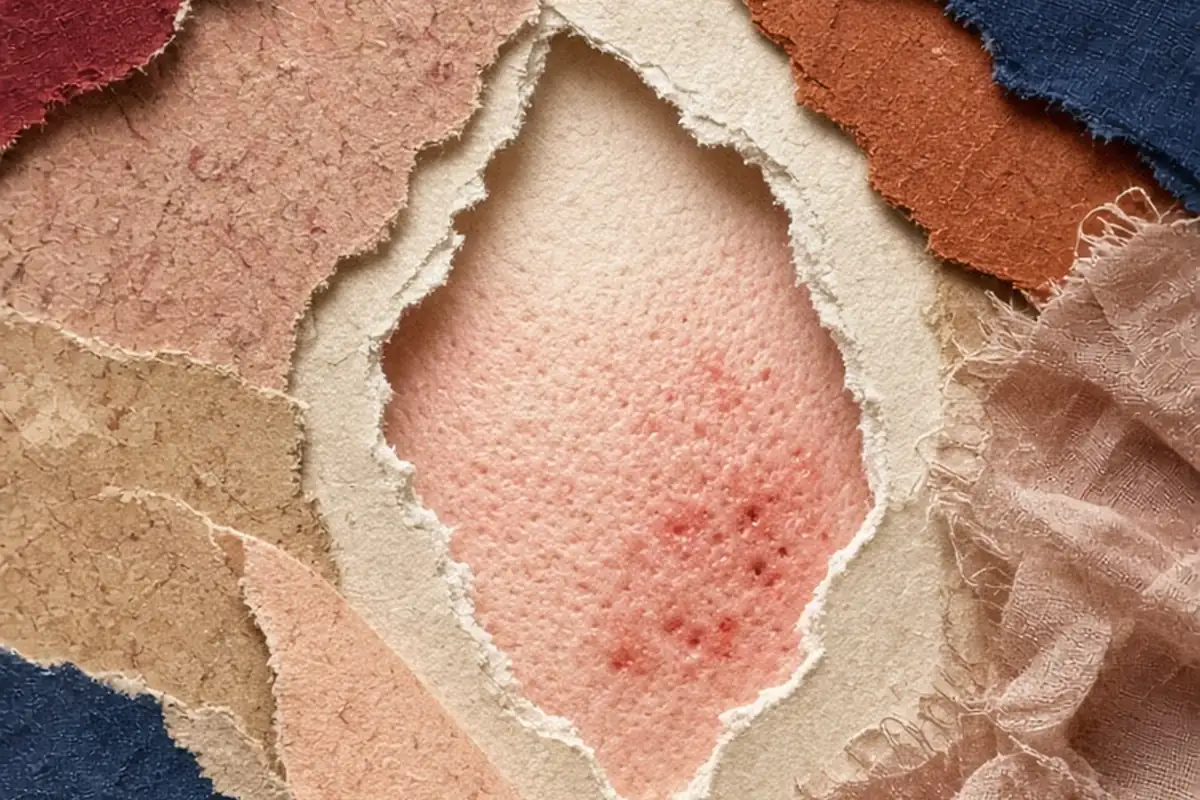
Talc itself is generally considered non-comedogenic, meaning pure mineral talc does not inherently clog pores or trigger acne lesions. However, talc-based cosmetic powders can contribute to breakouts when combined with heavy binders, natural sebum, and sweat. When layered densely, worn for extended hours, or removed inadequately, these formulations can trap oil and dead skin cells, fostering an environment where acne develops.
Navigating makeup choices when managing breakout-prone skin often leads to questions about mineral ingredients, especially talc. While talc has been a staple in cosmetics for decades, understanding how it behaves on different skin types helps you make informed decisions for your daily routine.
How Talc Interacts with Skin, Oil, and Pores
Talc is a naturally occurring clay mineral composed of magnesium, silicon, and oxygen. In cosmetics, it is milled into an ultra-fine powder prized for its ability to absorb moisture, impart a silky texture, and provide a soft-focus finish in foundations, blushes, and setting powders. On its own, the physical structure of talc particles is generally too large to penetrate deeply into the pore canal. Because it is chemically inert, pure talc does not interact biologically with your skin cells or trigger the inflammatory cascade that initiates typical acne vulgaris.
The complication arises in how talc functions on the skin surface over several hours. Talc is hydrophilic and absorbs oil, which makes it popular for mattifying shiny complexions. When the mineral absorbs excess sebum and perspiration, it forms a cohesive film across the epidermis. If your skin naturally produces high amounts of sebum and sheds dead cells rapidly, this cohesive surface layer can act as an accidental seal. The resulting accumulation of sebum, debris, and cosmetic residue creates an environment where normal skin bacteria multiply, ultimately leading to microcomedones and visible blemishes.
This dynamic means that whether talc causes a problem depends largely on your underlying skin physiology and application habits. Someone with dry, low-sebum skin may wear talc-rich products daily without experiencing any congestion, while an individual with an active, oil-rich complexion might notice clogged pores around the T-zone after wearing dense setting powders during a long, humid workday.
Formulation Factors: When Talc-Based Powders Trigger Congestion
A cosmetic product is rarely composed of talc alone. Pressed powders, setting compacts, and full-coverage foundations blend talc with an array of binders, emollients, fragrances, and preservatives to achieve their desired texture and shelf life. Often, the true culprits behind unexpected breakouts are the accompanying ingredients rather than the talc itself. For example, pressed compacts frequently utilize mineral oils, isopropyl myristate, or heavy silicones to press loose minerals into a solid cake. These binding agents can be moderately to highly comedogenic for acne-prone skin.
Furthermore, the total thickness of your makeup base influences how the skin breathes throughout the day. Layering a rich liquid foundation, followed by a heavy concealer, and topping both with multiple layers of pressed talc powder creates a substantial physical barrier. When products are built up in this manner, sweat and natural oils have nowhere to evaporate. The mixture of liquid emollients and dry mineral particles settles into follicular openings, accelerating the formation of blackheads and whiteheads.
To evaluate whether a specific product suits your complexion, look at the entire ingredient list rather than focusing exclusively on the presence of talc. Products labeled as non-comedogenic or oil-free often pair talc with lighter binders that allow normal cutaneous transpiration, significantly reducing the likelihood of cosmetic-induced breakouts.
Talc Versus Alternative Powders: Comparing Ingredients
The beauty market offers numerous talc-free setting powders that utilize alternative mineral and botanical bases. Understanding the physical properties and trade-offs of these alternatives allows you to choose the formulation that best aligns with your skin concerns.
Cornstarch and rice starch are widespread plant-based alternatives that provide an exceptionally soft, natural matte appearance. However, botanical starches are organic carbohydrates, meaning they can potentially serve as a nutrient source for cutaneous yeast and bacteria if left on moist skin for long periods. Silica and mica offer another mineral-based route; silica delivers outstanding oil absorption and blurring properties, though pure silica can sometimes feel overly drying or emphasize flaky patches on sensitized skin. Mica provides luminosity but may irritate reactive skin if the particles are coarsely milled.
- Talc-based powders: Offer smooth blendability, moderate oil control, and sheer coverage, with minimal biological reactivity but potential for mechanical trapping.
- Botanical starch powders (cornstarch, rice powder): Deliver a gentle, soft-focus finish, but can trap moisture and act as organic substrate if not thoroughly washed away.
- Silica-based powders: Provide intense oil absorption and optical blurring, though excessive use may dehydrate skin and trigger rebound oiliness.
- Mica and synthetic fluorphlogopite: Create a glowing, radiant finish with low pore blockage, but may cause surface sensitivity in barrier-compromised skin.
Application Techniques That Minimize Breakout Risks
How you apply your powder plays a substantial role in maintaining clear skin. Many breakouts attributed to makeup formulas actually stem from application tools that harbor bacteria, dead skin, and oxidized sebum. Makeup sponges, velour puffs, and dense brushes gather moisture and oil from your face each time they touch your skin. When returned to a closed makeup bag or compact without frequent cleaning, these tools become breeding grounds for bacteria that are re-introduced to your pores with every touch-up.
The pressure and density of application also dictate pore health. Technique matters: aggressively pressing a heavily coated powder puff into the skin forces mineral particles directly into open pores and hair follicles. A lighter, intentional dusting using a clean, fluffy brush allows the product to rest gently on the skin surface to control shine without creating an impenetrable barrier. If you prefer using a puff for targeted longevity, try working a modest amount of powder into the fibers of the puff first, tapping off the excess, and gently pressing only onto high-shine areas like the nose and chin.
Additionally, reconsider frequent midday touch-ups. Applying fresh layers of powder over a face that has accumulated six hours of sebum, atmospheric dust, and sweat repeatedly packs impurities into the skin. Blotting excess oil with a plain paper sheet before adding any additional cosmetic product prevents this buildup.
Effective Cleansing Routines to Clear Trapped Mineral Residue
Because talc and its associated binders adhere closely to skin oils to create long-lasting wear, a standard water-based cleanser or a quick wipe is rarely sufficient to remove them completely. Incomplete makeup removal leaves behind micro-deposits of powder and pigment that settle into pores overnight, disrupting the skin's natural nocturnal renewal process and causing recurring congestion.
Implementing a thorough double-cleansing routine in the evening is one of the most reliable ways to wear makeup safely without breaking out. The first step involves an oil-based cleanser, cleansing balm, or micellar water. The lipids or surfactants in these formulas dissolve the stubborn waxy binders, silicones, and sebum-saturated talc particles without stripping the epidermal moisture barrier. Massage the oil cleanser gently over dry skin for sixty seconds, paying extra attention to the hairline, jaw, and sides of the nose.
Follow this initial step with a gentle, pH-balanced water-based cleanser to lift away any emulsified residues and cleanse the bare skin beneath. Rinse thoroughly with lukewarm water and pat dry with a clean towel. Avoid aggressive physical scrubbing with washcloths or abrasive beads, as mechanical friction combined with mineral particles can inflame existing blemishes and compromise the moisture barrier.
Identifying Whether Your Breakout Stems from Talc or Other Triggers
When unexpected bumps appear, it is easy to place total blame on a single mineral ingredient, but acne development is typically multifactorial. Hormonal fluctuations, dietary patterns, sleep disruption, stress, and active skincare ingredients all play significant roles in skin clarity. Distinguishing cosmetic congestion from other types of breakouts helps you address the root cause without discarding products unnecessarily.
Cosmetic-induced acne (often termed acne cosmetica) typically presents as small, uniform closed comedones, tiny whiteheads, or slight surface texture irregularities directly beneath the areas where makeup was applied. These bumps usually emerge within a few days of introducing a new product or adopting a heavier application routine. In contrast, hormonal acne tends to manifest as deeper, tender cysts along the jawline, chin, and neck, following cyclical timing rather than makeup usage patterns.
If you suspect a talc-based product is causing irritation or congestion, perform a simple isolation test. Pause using the specific powder for two weeks while keeping the rest of your skincare and cosmetic regimen unchanged. If your skin clears and then breaks out again upon reintroduction, the formulation—whether due to talc, its binders, or its fragrance—is likely incompatible with your skin.
Illustrative Scenarios
Adjusting Powder Application for Congestion-Prone Skin
A composite scenario involves an office worker with combination skin who noticed a persistent cluster of closed comedones along her forehead and nose. She used a popular talc-based pressed powder three to four times a day for touch-ups, applying it with the compact's original sponge without prior oil blotting. Instead of discarding the powder, she transitioned to blotting her T-zone with oil-absorbing sheets before reapplying, switched to a clean, loose dusting brush, and washed her tools weekly. She also incorporated an evening cleansing oil before her foaming face wash.
Key point: Over a period of three weeks, the surface congestion noticeably subsided without changing the makeup product itself, illustrating that tool hygiene, blotting habits, and thorough cleansing often resolve breakout issues linked to cosmetic powders.
Frequently asked questions
Is talc officially rated as comedogenic on ingredient scales?
Pure talc is generally assigned a very low comedogenic rating, typically a zero or one on standard five-point scales. This means the raw mineral has minimal inherent potential to block pores on its own, although completed formulas containing oils and binders may behave differently on skin.
Can switching to a talc-free powder clear up existing acne?
Switching to a talc-free formula may help reduce surface congestion if your current talc product contains heavy binders or if you are sensitive to the specific formulation. However, talc-free powders using cornstarch or heavy mica can also contribute to breakouts if applied improperly, so changing powders alone will not resolve non-cosmetic acne triggers.
How often should I wash makeup brushes used with talc powders?
You should wash brushes and applicators used with setting powders at least once every week using a gentle brush shampoo or mild soap. Regular washing prevents the accumulation of bacteria, oxidized oils, and old cosmetic residue that can irritate pores during daily application.
Does talc cause skin irritation or allergic contact dermatitis?
True allergic reactions to pure talc are exceedingly rare because it is chemically inert. Irritation associated with talc-based cosmetics is almost always caused by added synthetic fragrances, chemical preservatives, or rough physical rubbing during application and removal.
Your next step
Inspect your current makeup and cleansing routine today: wash your powder brushes, switch to oil-blotting sheets for midday touch-ups, and ensure you use a thorough evening double cleanse before assuming talc is the cause of your breakouts.