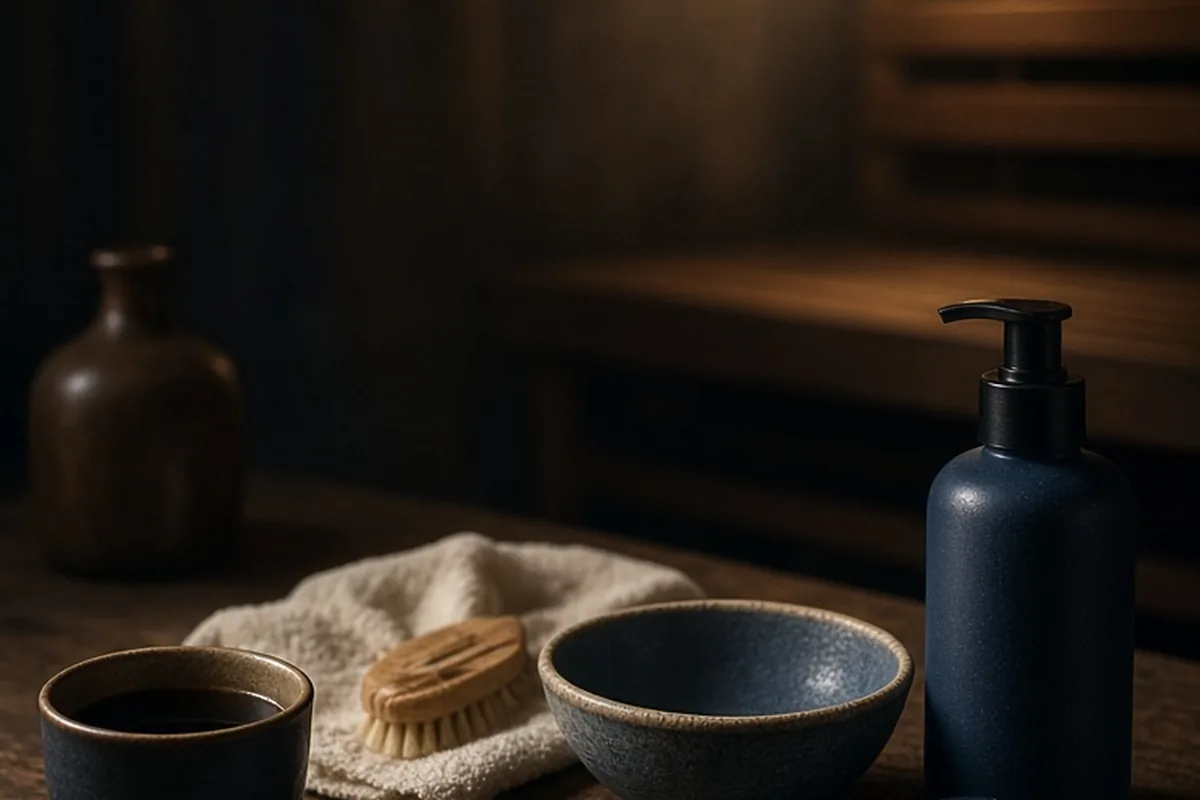
Using a sauna does not directly cure acne, but it can support clearer skin when paired with proper hygiene. Heat and sweating soften trapped sebum, release surface debris, and increase local circulation. However, lingering sweat, excess friction, and unwashed heat can trap bacteria and aggravate inflammatory blemishes. Maximizing benefits requires removing makeup beforehand and washing your face with a gentle cleanser immediately after leaving the heat.
Stepping into a heated sauna is a popular ritual for physical relaxation, muscle recovery, and stress management. When you deal with persistent blemishes, blackheads, or cystic flare-ups, understanding how high ambient heat and heavy perspiration interact with your pores is essential for keeping your skin calm and balanced.
How Heat and Perspiration Affect Acne-Prone Skin
The primary mechanism of any sauna is elevating your core and skin temperature, which prompts heavy perspiration and widens peripheral blood vessels. Sweating is primarily a cooling mechanism, but as fluid flows through your eccrine glands, it naturally rinses out the superficial openings of your pores. This process can soften hardened sebum plugs and loosen dead skin cells that would otherwise mix with natural oils to form comedones.
Increased blood flow to the skin during a heat session delivers oxygen and nutrients to surface tissues while aiding the natural removal of metabolic waste. For congested complexions, this temporary boost in circulation can assist general tissue repair and support cellular turnover. You might notice that your skin feels softer and more pliable immediately after a session because the heat has emulsified surface lipids.
However, heat and perspiration also carry distinct risks for blemish-prone skin. Sweat contains trace minerals, urea, and antimicrobial peptides, but when it evaporates on the skin surface, it leaves behind salty residue and microscopic irritants. If sweat mixes with Cutibacterium acnes bacteria, residual makeup, or environmental pollution without being rinsed off promptly, it creates an occlusive film that can trigger rapid inflammatory breakouts. The physiological response is therefore a double-edged sword: beneficial for loosening congestion, yet problematic if hygiene is neglected.
Comparing Dry Saunas, Steam Rooms, and Infrared Cabins
Different types of heat environments create distinctly different conditions for your skin barrier. Traditional dry saunas, often heated with electric elements or wood stoves to temperatures between 150 and 195 degrees Fahrenheit, maintain very low relative humidity. In a dry environment, sweat evaporates quickly, which cools the skin rapidly but can also dehydrate the stratum corneum if you stay inside too long. Dehydrated skin often compensates by producing more sebum later in the day, potentially worsening oiliness.
Steam rooms operate at lower temperatures, typically between 110 and 120 degrees Fahrenheit, but with 100 percent humidity. The saturated moisture prevents sweat from evaporating, keeping the skin surface thoroughly damp and softening stubborn blackheads more quickly than dry heat. The trade-off is that warm, humid air creates an ideal breeding ground for microbial growth on communal benches and walls. If you are prone to pityrosporum folliculitis (often called fungal acne), the warm, moist environment of a steam room can sometimes trigger yeast overgrowth along the hairline and chest.
Infrared saunas use light panels to warm your body directly using radiant heat at gentler temperatures, usually between 120 and 140 degrees Fahrenheit. Because the air remains breathable and moderate, many individuals with reactive or easily flushed skin tolerate infrared sessions better than intense dry heat. While infrared heat stimulates a deep sweat with less ambient dryness, you still must follow the exact same post-sweat cleansing rules to prevent microbial buildup.
The Essential Pre-Sauna Skincare Protocol
Preparing your skin before entering the sauna is just as important as what you do afterward. Entering a heated room with makeup, heavy sunscreens, or layered foundation almost guarantees clogged pores. As heat opens up the follicle openings, cosmetic pigments and emulsifiers blend with liquefied sebum and sweat, sinking deeper into follicular canals. Always start by thoroughly removing all cosmetics with a gentle micellar water or light water-soluble cleanser.
Avoid applying potent active ingredients, such as prescription retinoids, salicylic acid, glycolic acid, or benzoyl peroxide, right before a session. High ambient heat increases skin permeability and vasodilation, which can amplify the stinging and irritating side effects of these active compounds. Going into the sauna with clean, bare skin allows your pores to perspire freely without chemical irritation.
Internal hydration is another critical pre-session step that directly affects skin resilience. Sweating depletes systemic water stores rapidly, and when your body is dehydrated, your skin barrier becomes brittle and prone to micro-cracking. Drinking 16 to 20 ounces of plain water before your session supports healthy perspiration without draining your moisture reserves.
Post-Sauna Cleansing and Barrier Recovery Steps
The window of time immediately following your sauna session determines whether the heat helps or harms your complexion. You should step into a lukewarm shower within five to ten minutes of finishing your session. Waiting too long allows the mixture of sweat, loosened oils, and shed dead cells to dry and cake on the surface of your skin, forming a prime substrate for bacterial colonization.
Use a mild, non-stripping facial cleanser that has a balanced, slightly acidic pH. Avoid harsh bar soaps or physical scrubs at this stage; your skin is already softened and dilated from heat, making it especially vulnerable to micro-tears and moisture barrier disruption. Massage the cleanser gently with your fingertips for thirty to forty-five seconds, then rinse thoroughly with lukewarm or cool water to help calm facial redness.
After patting your skin dry with a clean towel, apply lightweight hydration immediately while your skin is still slightly damp. A soothing serum containing ingredients like hyaluronic acid, panthenol, centella asiatica, or glycerin replenishes lost water without adding heavy oils. Follow this with a non-comedogenic gel-cream or light lotion to lock in hydration and rebuild the protective lipid layer.
Common Sauna Habits That Cause Unexpected Breakouts
Many people inadvertently trigger breakouts in the sauna through physical transfer and hygiene missteps rather than the heat itself. One of the most common mistakes is resting your bare back, shoulders, or face against communal wood benches. Sauna benches absorb sweat, oils, and bacteria from hundreds of previous visitors, making a fresh, clean towel barrier between your body and the wood strictly necessary.
Wiping your face repeatedly with a rough gym towel during the session is another frequent source of inflammation. When you vigorously scrub sweat away, the friction irritates delicate facial follicles, causing micro-inflammation known as acne mechanica. Instead of wiping or rubbing, gently dab your face with a clean cotton towel if sweat drips into your eyes, or simply let the sweat roll off until you reach the shower.
- Sitting on communal benches without laying down a fresh, dry personal towel first
- Scrubbing dripping sweat with a rough towel instead of lightly blotting the face
- Remaining in sweaty athletic clothes or tight gear for extended periods after the session
- Applying heavy, occlusive balms or mineral oils immediately over warm, flushed skin
- Skipping immediate rinsing and allowing dried perspiration to sit on the skin for hours
Managing Specific Acne Types and Inflammatory Skin Conditions
How your skin responds to sauna use depends largely on the specific type of blemishes you experience. If your primary struggle is non-inflammatory comedonal acne, such as blackheads and whiteheads, regular heat sessions can be very helpful for loosening stubborn plugs. The softening of oxidized sebum makes regular chemical exfoliation routines more effective on non-sauna days.
Conversely, if you experience deep inflammatory acne, cystic lesions, or concurrent conditions like rosacea, intense heat requires extra caution. High temperatures trigger substantial vasodilation, which increases erythema, swelling, and localized throbbing in already inflamed cysts. If you have severe cystic acne or rosacea, consider limiting your session times to ten or fifteen minutes and choosing lower-temperature infrared options to prevent excessive vascular flushing.
For individuals prone to chest and back acne (often referred to as 'bacne'), the sauna can be an effective way to clarify hard-to-reach areas, provided you rinse your back thoroughly right afterward. Using a gentle body wash containing zinc or tea tree extract can help keep fungal elements in check after sweating in warm, enclosed environments.
Structuring a Safe Weekly Sauna Routine
Consistency and moderation are key when integrating sauna sessions into an active skincare regimen. For most people with acne-prone skin, using the sauna two to three times per week for fifteen to twenty minutes per session provides relaxation and circulation benefits without placing undue stress on the cutaneous barrier. Daily long sessions can deplete natural moisturizing factors and lead to chronic rebound oiliness.
Plan your skincare schedule so that your deepest exfoliation days do not coincide directly with intensive sauna sessions. For example, if you use a high-strength chemical peel, retinol, or exfoliating acid serum, apply those products on your rest days or several hours after your skin has completely cooled down. Keeping your routine simple and soothing on sauna days ensures that heat acts as a gentle complementary practice rather than an irritant.
Illustrative Scenarios
Adjusting Heat Habits for Congested Skin
A composite scenario involves an individual who regularly visited the gym steam room after heavy workouts while wearing tinted moisturizer and noticed small, red bumps spreading across the forehead and jawline. Believing the breakouts were caused by an allergy to steam, they considered quitting the sauna entirely. Instead, they switched to washing off all cosmetics before entering, sitting on a clean towel, and taking a lukewarm shower with a gentle cleanser within five minutes of exiting. Within three weeks, the post-workout congestion cleared up significantly while allowing them to enjoy the heat sessions.
Key point: Heat and sweat do not inherently cause breakouts; rather, trapped cosmetic residue, delayed rinsing, and communal surfaces are usually the true triggers.
Frequently asked questions
Can sitting in a sauna draw out deep cystic pimples?
Heat increases localized circulation and can soften surface tissue, which may help underlying inflammation resolve over time. However, it will not instantly bring deep cysts to a head, and excessive heat can sometimes increase throbbing or redness in severe lesions.
Should I apply my acne medication before entering the sauna?
No, you should avoid applying active acne medications like benzoyl peroxide or retinoids before entering the sauna. Heat accelerates skin permeability and absorption, which can cause severe burning, redness, and peeling when combined with strong actives.
Is a dry sauna or a steam room better for acne-prone skin?
Both have trade-offs, but dry saunas are generally safer for individuals prone to fungal acne or folliculitis because humid steam rooms harbor more environmental microbes. However, steam rooms can be more effective at softening dry, stubborn comedones if you maintain strict hygiene.
How soon should I wash my face after leaving the sauna?
You should wash your face within five to ten minutes of exiting the heat. Rinsing promptly prevents dried sweat, bacteria, and loosened sebum from settling back into open follicles and causing new blemishes.
Your next step
To safely enjoy the sauna with acne-prone skin, start by removing all makeup before entering, sit on a clean towel, and wash your face with a mild cleanser within ten minutes of finishing your session.