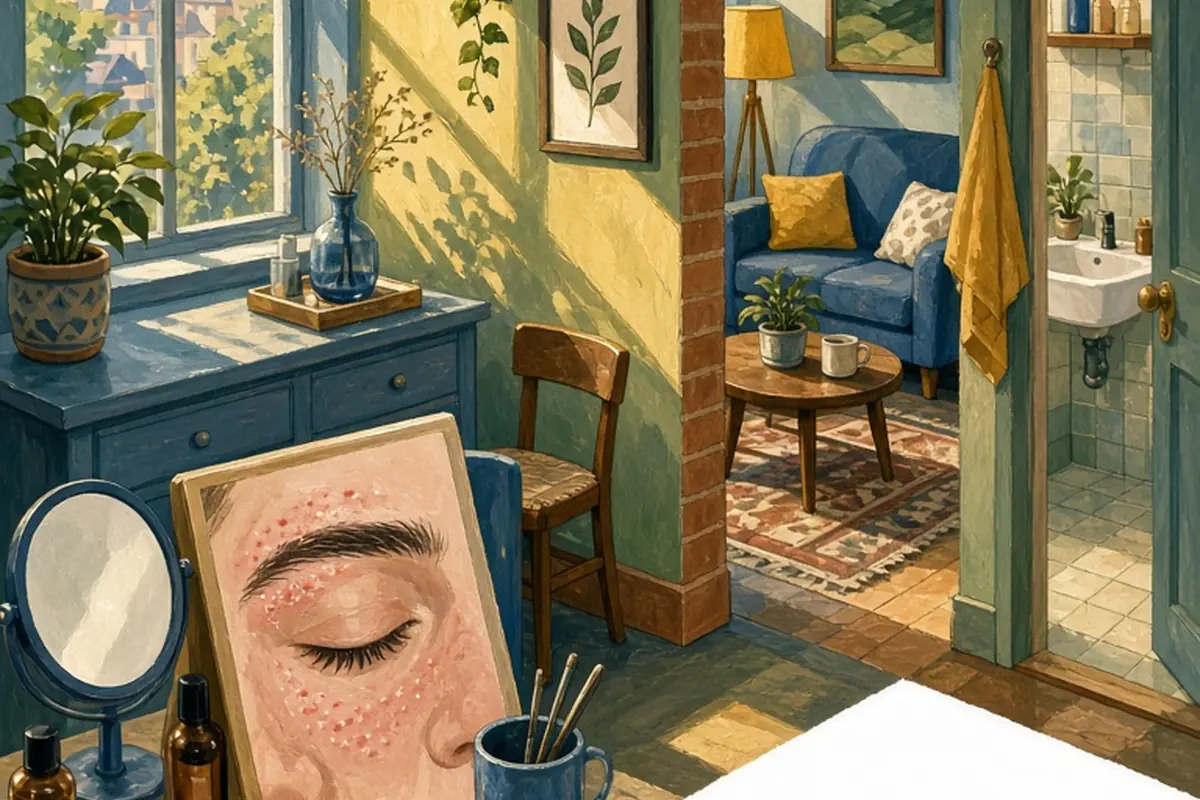
Threading does not directly cause systemic acne, but it frequently triggers post-hair-removal bumps, irritation, and superficial folliculitis. Pulling hairs out at the root temporarily leaves hair follicles open and vulnerable. If surface bacteria, dead skin cells, or heavy cosmetics enter these exposed follicles immediately following an appointment, localized inflammation and pimple-like bumps can quickly develop across the treated area.
Facial hair removal is a common personal grooming choice, yet dealing with sudden redness or clusters of tiny whiteheads along the brows or upper lip can be deeply frustrating. Understanding how physical hair removal interacts with your skin barrier allows you to preserve smooth results while protecting your complexion from unwanted irritation.
Understanding the Difference Between True Acne and Folliculitis
When small bumps appear twenty-four to forty-eight hours after a threading session, most people assume they are experiencing an acne breakout. However, in many instances, these post-threading bumps are actually a form of mechanical folliculitis. True acne vulgaris is typically driven by a combination of excess sebum production, hormonal fluctuations, abnormal shedding of dead skin cells inside the pore, and deep colonization by Cutibacterium acnes. This process generally forms over several days or weeks, resulting in comedones, pustules, or deeper cysts.
Mechanical folliculitis, by contrast, occurs when the hair follicle becomes acutely inflamed or mildly infected after physical trauma. The mechanical tension of the twisted cotton thread pulls the entire hair shaft out from the root sheath. This abrupt extraction irritates the surrounding follicular wall and leaves the pore temporarily distended. If ordinary surface microbes like Staphylococcus epidermidis enter the open pore, a tiny whitehead or localized red papule can emerge almost overnight. Identifying whether your reaction is irritation, folliculitis, or underlying acne helps determine the best approach for soothing your skin.
How the Threading Process Impacts Pores and the Skin Barrier
Threading works by rolling a tightly coiled cotton thread across the surface of the skin, capturing individual hairs or rows of hair and lifting them out cleanly. While threading does not remove layers of epidermal skin cells in the same manner as waxing, the friction of the thread gliding against the surface still creates microscopic friction and mild mechanical stress. For individuals with sensitive skin or a compromised moisture barrier, this friction alone can provoke temporary redness, localized swelling, and reactive inflammation.
Furthermore, removing the hair bulb leaves an open channel directly leading into the dermis. Until the follicle constricts and the natural barrier re-establishes its lipid defense, the skin remains exceptionally permeable. Environmental dust, airborne pollutants, natural facial oils, and even the simple act of touching the face with unwashed hands can transfer bacteria directly into these micro-openings. When the skin barrier is already weakened by harsh cleansers or active skincare ingredients, the likelihood of developing secondary inflammation rises significantly.
Hygiene Factors and Salon Practices That Influence Breakouts
The cleanliness of the tools and environment plays a substantial role in whether threading leads to post-session breakouts. Threading requires fresh, clean cotton thread for every individual client. If an aesthetician uses unwashed hands, fails to sanitize the client's skin beforehand, or uses thread stored in an exposed, dusty drawer, bacteria can be deposited directly across the skin during the hair removal process.
Another hygiene factor involves the technique used by the practitioner. Some traditional threading methods involve holding one end of the thread in the technician's mouth to maintain tension. While skilled professionals ensure saliva never travels down the line, any improper handling can introduce oral bacteria into the salon environment. Choosing licensed, reputable salons where practitioners wash their hands, sanitize work surfaces, and maintain clean tool protocols is an essential preventive measure for anyone prone to follicular inflammation.
Pre-Threading Skin Preparation to Lower Breakout Risks
Minimizing post-threading irritation starts well before you sit down in the chair. Preparing the skin ensures that the surface is clean, calm, and free of excess debris before the hair is extracted. In the two to three days leading up to your appointment, avoid aggressive chemical exfoliants, such as high-concentration glycolic acid, salicylic acid, or topical retinoids, in the target area. Thinning or irritating the upper epidermis immediately before threading makes the skin significantly more vulnerable to friction burns and inflammatory papules.
On the day of your appointment, arrive with a clean face free of heavy makeup, sunscreen, or rich facial oils. Washing the area gently with a mild, fragrance-free cleanser removes surface sebum and environmental grime that might otherwise be dragged across open pores by the thread. You may also ask your practitioner to wipe the target area with a gentle, alcohol-free antiseptic or witch hazel pad immediately before beginning, establishing a clean foundation for hair removal.
Essential Aftercare in the First 24 to 48 Hours
The immediate window following your appointment is when your skin is most vulnerable to bacterial infiltration and inflammatory flare-ups. The most critical rule is to avoid touching the treated area. Hands carry oils, dirt, and bacteria that readily settle into open follicles. In addition, resist the urge to apply heavy foundations, concealers, or comedogenic face creams for at least twenty-four hours, as these products can plug the recovering follicles and create an ideal environment for blemishes.
To soothe post-threading heat and redness, apply cool compresses or pure, fragrance-free aloe vera gel. If your skin is prone to whiteheads after hair removal, applying a thin layer of a gentle soothing agent, such as hypochlorous acid spray or a diluted tea tree preparation formulated for facial use, can help keep surface bacteria low without stripping moisture. Steer clear of hot showers, saunas, vigorous workouts, and swimming pools during this recovery period, as sweat and chlorine can intensify localized swelling and trigger follicular irritation.
Comparing Threading to Waxing, Shaving, and Tweezing for Blemish-Prone Skin
For individuals managing chronic acne, selecting the right hair removal method involves balancing precision against skin barrier disruption. Waxing adheres to both the hair and the top layer of skin cells, creating a higher risk of epidermal peeling, thermal irritation, and post-inflammatory hyperpigmentation, especially if you use prescription acne medications. Threading avoids chemical adhesives and heat altogether, making it generally safer for the surrounding skin barrier than traditional waxing.
Dermaplaning and shaving cut the hair at the surface level rather than removing the root. While this eliminates the open-follicle issue associated with full extraction, blunt hair regrowth can sometimes cause ingrown hairs, and dull blades can spread active acne bacteria across the face. Tweezing offers precision similar to threading for small areas like the brow arch, but it can be time-consuming and inconsistent for larger zones like the upper lip, chin, or sideburns. For many people, threading strikes a manageable balance, provided strict pre- and post-care routines are maintained.
Managing Active Bumps and Knowing When to Seek Guidance
If you develop small whiteheads or red bumps despite taking precautions, handling them gently will prevent scarring and long-term marks. Never squeeze, pop, or scratch post-threading bumps. Squeezing an inflamed follicle pushes bacteria deeper into surrounding tissues and often turns a mild surface reaction into a long-lasting, painful lesion. Instead, cleanse the area twice daily with a non-stripping cleanser and apply a localized soothing treatment until the redness subsides naturally.
While most post-threading reactions clear within three to five days, persistent swelling, expanding areas of tenderness, or deep, painful nodules warrant professional attention. A board-certified dermatologist can evaluate your skin to confirm whether the reaction is mechanical folliculitis, contact dermatitis, or an exacerbation of underlying acne. They can also provide targeted topical solutions, such as mild antibacterial lotions or barrier-repair protocols, tailored to your specific skin type.
Illustrative Scenarios
Illustrative Scenario: Adjusting Aftercare for Sensitive Skin
A composite scenario involves a person who regularly developed small clusters of white bumps on the upper lip within twenty-four hours of threading. Initially, they attempted to treat the bumps by scrubbing the area with an exfoliating scrub and applying heavy foundation to conceal redness before leaving the salon. After switching their routine—arriving with bare skin, requesting an alcohol-free antiseptic wipe before threading, and replacing makeup with a cooling hypochlorous spray and plain aloe for forty-eight hours—the post-session bump formation was substantially reduced.
Key point: Eliminating physical friction, avoiding heavy cosmetics immediately after treatment, and keeping open follicles clean can prevent mechanical irritation from turning into visible blemishes.
Frequently asked questions
Can I wear makeup right after getting my eyebrows or face threaded?
It is best to wait at least twelve to twenty-four hours before applying makeup over threaded areas. Liquid foundations and powders can trap bacteria inside open hair follicles, increasing the risk of irritation bumps and whiteheads.
How can I tell if my post-threading bumps are folliculitis or acne?
Post-threading folliculitis usually appears rapidly within one to two days as small, uniform, itchy or tender white bumps centered around hair follicles. Traditional acne develops more gradually over time, often featuring varied blemishes such as deep cysts, blackheads, and uneven papules.
Is it safe to get threaded if I am using topical retinoids or acne creams?
Threading is generally gentler on retinoid-treated skin than waxing because it does not lift the epidermis. However, you should still pause strong chemical exfoliants and retinoids two to three days before and after threading to avoid heightened sensitivity and friction irritation.
What is the best immediate remedy if my skin is burning after threading?
Applying a cold water compress or pure aloe vera gel helps lower skin temperature and reduce localized redness. Avoid applying heavy petroleum ointments or strongly fragranced lotions, which can seal in heat and clog the exposed pores.
Your next step
To keep your skin clear, treat threading as a procedure that temporarily opens your pores: arrive with a clean face, keep hands and cosmetics away from the area for a full day, and support your barrier with cool, soothing skincare.