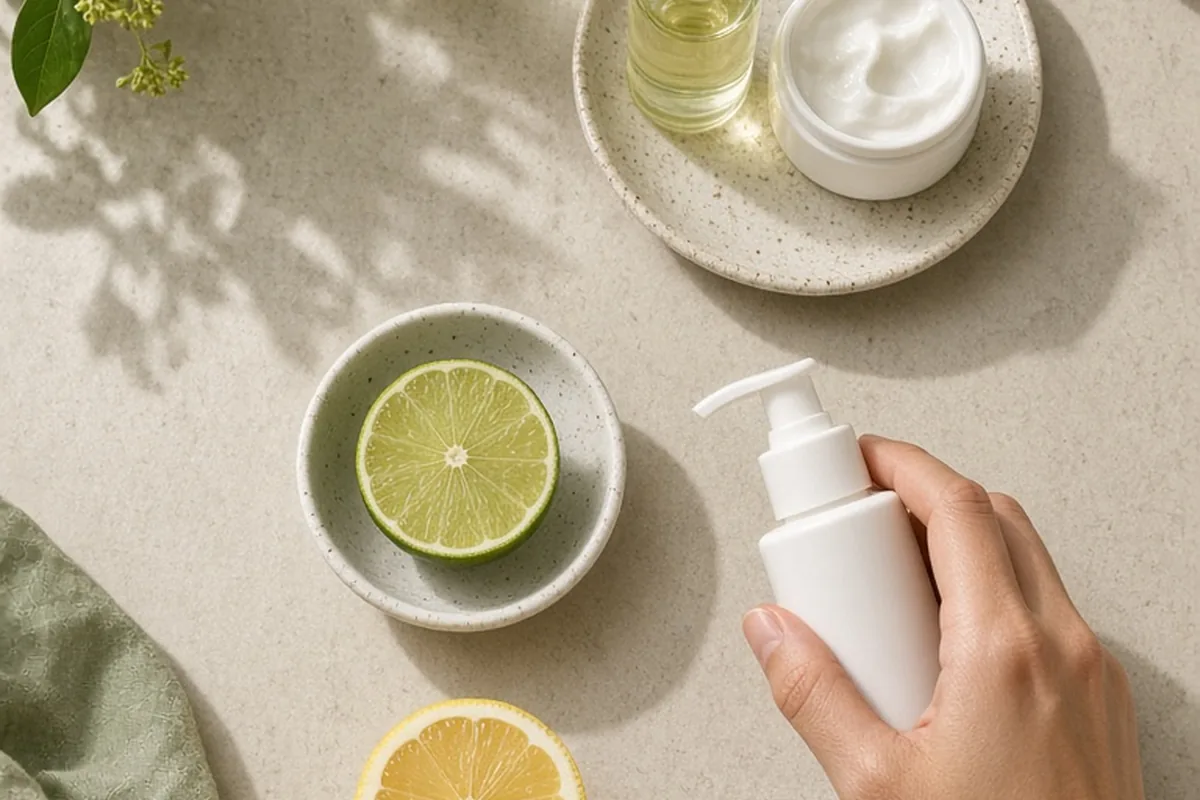
Toner always goes on before moisturizer. Skincare products should be applied in order of texture from thinnest to thickest. Because toner is lightweight and water-based, applying it first allows it to penetrate clean skin and deliver hydration or active ingredients. Moisturizer contains richer oils and emollients that seal in moisture, which would prevent toner from absorbing if applied beforehand.
Building an effective skincare routine often comes down to the order in which products are applied. When you invest time and money into quality formulas, understanding how each layer interacts ensures that your skin receives the intended benefits of every step.
The Core Rule of Skincare Layering: Thinnest to Thickest
A reliable principle for any daily skincare routine is to apply formulas starting from the lightest, most watery consistency and finishing with the heaviest, most occlusive cream. Liquid toners and watery essences have smaller molecular structures designed to absorb quickly into the top layers of freshly cleansed skin. If you apply a dense product first, lighter liquid products cannot break through that barrier.
Applying toner immediately after cleansing ensures direct contact with the skin surface. This positioning allows humectants like glycerin or hyaluronic acid to bind water to the surface cells before heavier lotions or creams seal everything in. Reversing this sequence leaves the toner sitting on top of an oily emulsion, where it either evaporates into the air or causes subsequent layers to pill and slide off without absorbing.
What Toner Does and Why It Needs Direct Skin Contact
Modern toners serve a variety of purposes depending on their formulation. Hydrating toners replenish moisture lost during cleansing, while exfoliating toners use mild chemical exfoliants like lactic, glycolic, or salicylic acid to loosen dead skin cells. Regardless of the specific formula you choose, toner works best when it can interact directly with bare, clean skin.
When applied first, a hydrating toner dampens the skin, creating a receptive base for the next steps in your routine. Moist skin acts like a sponge, absorbing subsequent serums and moisturizers more readily than completely dry skin. If you use an exfoliating toner, applying it directly to cleansed skin allows the active ingredients to work at their intended potency without interference from thick creams or barrier-forming ingredients.
How Moisturizer Acts as a Protective Seal
Moisturizers are formulated with a blend of humectants, emollients, and occlusive agents. Emollients smooth the skin by filling micro-cracks between cells, while occlusives create a protective physical film on the surface of the skin. Common occlusive ingredients, such as plant butters, ceramides, squalane, and dimethicone, are designed specifically to slow down transepidermal water loss.
Because of this protective barrier function, moisturizer acts as a functional roof for your skincare routine. Once you apply a moisturizer, it creates an environment that traps water and active ingredients underneath it. Attempting to pat a water-based toner on top of an occlusive cream simply dilutes the cream, disrupts the protective film, and wastes the toner, leaving your skin feeling sticky rather than properly nourished.
Step-by-Step Order for Morning and Evening Routines
Integrating toner and moisturizer into a complete routine is straightforward once you map out your morning and nighttime goals. In the morning, the goal is lightweight hydration and daytime protection against environmental stressors. In the evening, the routine focuses on thorough cleansing, replenishment, and barrier recovery while you sleep.
A standard morning routine begins with a gentle cleanser or a warm water rinse, followed immediately by toner. After the toner settles, you can apply targeted serums like vitamin C or niacinamide, followed by your daily moisturizer, and finished with a broad-spectrum sunscreen. In the evening, perform a thorough cleanse, apply your toner, follow with any active treatment serums such as retinol or peptides, and conclude with a richer night cream to support your skin overnight.
- Step 1: Cleanser (removes impurities, oils, and makeup)
- Step 2: Toner (balances, hydrates, or gently clarifies bare skin)
- Step 3: Serums or Treatments (targets specific skin concerns with concentrated actives)
- Step 4: Eye Cream (optional lightweight hydration for the delicate eye area)
- Step 5: Moisturizer (seals in hydration and supports barrier function)
- Step 6: Sunscreen (morning only; provides protection against UV rays)
Handling Different Types of Toners
Not all toners function the same way, and understanding the type of toner you use helps you manage application technique and wait times. Hydrating toners contain water-binding ingredients and can be patted directly into the skin with clean hands. Because they are gentle and humectant-rich, you can move on to your serum or moisturizer while the skin is still slightly damp to lock in maximum hydration.
Exfoliating acid toners containing alpha hydroxy acids (AHAs) or beta hydroxy acids (BHAs) require a slightly different approach. These toners are often applied with a cotton pad to gently sweep away residue and dead cells. For acid toners, letting the liquid absorb and dry for one to two minutes before applying moisturizer prevents the cream from altering the pH of the acid, ensuring the active ingredients perform effectively without irritation.
Common Skincare Layering Mistakes to Avoid
One frequent mistake is waiting too long between applying a hydrating toner and following up with a moisturizer. If you let a water-based hydrating toner evaporate completely in a dry environment, the humectants can pull moisture out of the upper skin layers into the air. Sealing the toner with a moisturizer within thirty to sixty seconds prevents this rebound dryness.
Another common misstep is applying toner on skin that has not been thoroughly rinsed of cleanser. Cleanser residue can mix with the toner and cause irritation or foaming on the face. Additionally, avoid rubbing your skin aggressively with rough cotton rounds when using toners; pressing the product gently into the skin reduces unnecessary friction and supports a calm, balanced complexion.
Customizing the Routine for Your Skin Type
Adapting how you pair toner and moisturizer based on your specific skin type helps you achieve balanced comfort. Those with dry skin often benefit from applying multiple thin layers of a soothing, alcohol-free hydrating toner before sealing everything with a rich, ceramide-heavy cream. This technique, sometimes called skin flooding, builds deep hydration before locking it down.
If you have oily or breakout-prone skin, using an oil-free clarifying toner followed by a lightweight gel moisturizer prevents clogged pores while maintaining hydration. People with combination skin might apply an exfoliating toner exclusively to the T-zone while using a hydrating toner on the cheeks, followed by a balanced lotion across the entire face. Listening to how your skin feels throughout changing seasons ensures your product pairings stay comfortable.
Frequently asked questions
Should I let my toner dry completely before applying moisturizer?
If you are using a hydrating toner, apply your moisturizer while your skin is still slightly damp to trap that moisture. If you are using an exfoliating acid toner, wait a minute or two until it absorbs completely before applying subsequent creams.
Can I skip moisturizer if my toner feels hydrating enough?
Most skin types still need a moisturizer because toners generally lack occlusive ingredients to keep water from evaporating. Skipping moisturizer may cause the hydration from your toner to dissipate quickly, leading to dry or tight skin later in the day.
Do I need to use a cotton pad to apply toner before moisturizer?
A cotton pad is helpful for exfoliating toners or removing residual impurities, but it is not necessary for hydrating formulas. Pouring hydrating toner directly into clean palms and patting it onto your face saves product and reduces friction.
Can I use toner and moisturizer both morning and night?
Yes, pairing a gentle toner with an appropriate moisturizer twice daily helps maintain steady hydration. If your toner contains potent exfoliating acids, limit its use to once a day or a few times per week based on your skin's tolerance.
Your next step
For your next routine, apply your toner onto freshly cleansed skin, let it absorb briefly, and immediately follow with your moisturizer to seal in lasting hydration.