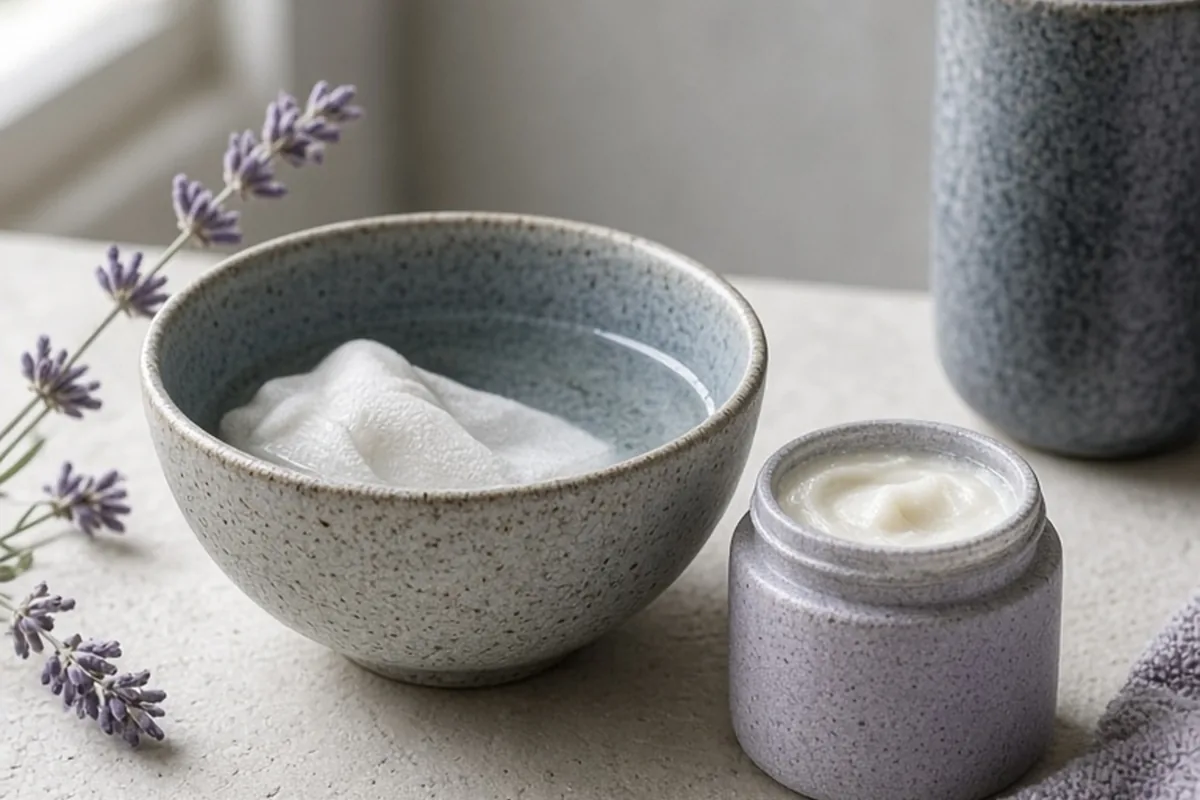
An effective eczema skincare routine centers on protecting and repairing the skin barrier through consistent hydration and minimal irritation. The core process involves washing with a fragrance-free, soap-free cleanser in lukewarm water, gently patting the skin partially dry, and applying a rich, ceramide-based cream or ointment within three minutes to lock in moisture. Daily care is completed by wearing broad-spectrum mineral sunscreen and avoiding common irritants like synthetic fragrances, harsh exfoliants, and drying alcohols.
Living with eczema requires a proactive, mindful approach to daily skin care because compromised skin barriers lose moisture quickly and react intensely to everyday environmental triggers. Crafting a sustainable regimen helps reduce the frequency of uncomfortable flare-ups and keeps the skin calm, nourished, and supple.
Morning Routine: Creating a Calming Daily Shield
Your morning routine should focus on defending your skin barrier against environmental irritants, dry indoor air, and temperature shifts without causing unnecessary friction. For many people with dry, eczema-prone skin, a full morning cleanse with product is unnecessary; splashing lukewarm water over your face and body is often enough to remove overnight sweat and lint without stripping natural oils. If your skin feels greasy or you applied heavy treatments the night before, opt for a non-foaming, lotion-based cleanser that does not leave the skin feeling tight or squeaky clean.
Immediately after cleansing or rinsing, apply a hydrating emollient to damp skin. Look for formulations containing skin-identical lipids, ceramides, glycerin, or hyaluronic acid, which attract and trap water inside the stratum corneum. If you wear sunscreen, choose a broad-spectrum, mineral-based formula containing zinc oxide or titanium dioxide. Chemical filters can sometimes cause stinging or allergic contact dermatitis on sensitive, inflamed skin, whereas physical blockers tend to sit comfortably on the surface while providing a naturally soothing effect.
- Rinse with lukewarm water or a gentle, non-foaming milk cleanser.
- Apply a barrier-supporting daily moisturizer rich in ceramides and glycerin while skin is damp.
- Finish with a fragrance-free mineral sunscreen with at least SPF 30.
The Soak and Seal Bathing Technique
Bathing plays a dual role in eczema care: it can either severely dehydrate the skin or act as a primary vehicle for restoring hydration, depending entirely on technique. Hot water breaks down the delicate lipid matrix that holds skin cells together, accelerating moisture evaporation and triggering intense itching. To protect your barrier, limit showers or baths to five to ten minutes in comfortably lukewarm water, avoiding abrasive washcloths, loofahs, or scrub brushes that create microscopic surface tears.
The cornerstone of eczema management is the soak and seal method. When stepping out of the shower or bath, use a soft cotton towel to gently pat your skin until it is slightly damp rather than rubbing it completely dry. Within three minutes of exiting the water, generously apply a thick emollient cream or ointment across your entire body. Applying your moisturizer during this narrow window traps residual water within the surface layers of the skin before it evaporates into the ambient air, significantly improving hydration levels throughout the day.
- Keep bath or shower water lukewarm and limit sessions to under ten minutes.
- Use your hands rather than washcloths to distribute soap-free body washes only to areas that need cleansing.
- Pat the skin gently with a clean towel, leaving a light veil of moisture.
- Generously apply a thick cream or balm within three minutes of drying off.
Evening Care: Overnight Moisture and Barrier Repair
Nighttime is when the skin undergoes its natural repair processes, but it is also when transepidermal water loss naturally peaks and itching can become most disruptive. Your evening routine should prioritize deep replenishment and comfort to facilitate restful sleep. Start by cleansing thoroughly but gently to wash away accumulated pollution, sunscreen, and sweat. A lipid-rich cleansing balm or hydrating oil-based wash that emulsifies easily with water can effectively dissolve daily debris without requiring aggressive rubbing.
After cleansing, layer your most protective moisturizers. In the evening, many individuals benefit from transitioning from standard creams to rich ointments containing white petrolatum, shea butter, or squalane. Ointments have higher oil contents and lower water contents than lotions, creating a resilient occlusive barrier that prevents nocturnal moisture loss. If itching frequently disrupts your rest, keeping your bedroom cool, running a cool-mist humidifier, and wearing loose, breathable cotton or bamboo sleepwear can significantly reduce nighttime irritation.
- Wash away the day's debris using a gentle, fragrance-free hydrating cleanser.
- Layer a soothing serum or lightweight cream followed by a heavy occlusive ointment or balm.
- Maintain a cool bedroom temperature to prevent overheating and sleep-disrupting itch cycles.
Managing Active Flares versus Daily Maintenance
An eczema routine must remain flexible enough to adapt when your skin transitions from steady maintenance to an active flare. During calm baseline periods, your primary objective is maintaining barrier integrity with liberal emollient application and gentle skincare habits. When a flare occurs, characterized by localized redness, intense itching, rough patches, or swelling, the focus temporarily shifts toward calming acute inflammation and minimizing skin stress.
If you use medical topical treatments recommended by a healthcare professional, apply them directly to clean, affected skin first, allowing them to absorb before layering your everyday emollient over the rest of your body. During active flare-ups, pause any supplementary skincare products that are not strictly necessary, such as brightening serums or anti-aging treatments. Simplifying your routine down to the absolute basics—a gentle wash, your targeted treatment, and a bland, soothing moisturizer—prevents product interactions and allows the skin to stabilize.
Ingredient Selection: What to Look For and What to Avoid
Navigating skincare ingredient lists is essential when managing eczema, as formulation choices directly impact how reactive your skin will be. Highly beneficial ingredients focus on replenishing natural barrier components and calming irritation. Ceramides, cholesterol, and fatty acids mimic the natural lipid bilayer of the skin, helping patch vulnerable areas. Colloidal oatmeal provides exceptional relief for burning and itching sensations, while humectants like glycerin and panthenol draw deep hydration into dry tissues.
Conversely, identifying and avoiding potential sensitizers is just as crucial. Artificial fragrances, botanical essential oils, and masking fragrances are among the most common causes of contact dermatitis in sensitive skin types. Additionally, steer clear of harsh surfactant systems like sodium lauryl sulfate, high concentrations of drying denatured alcohols, and aggressive chemical exfoliants such as glycolic or salicylic acid until your skin barrier is thoroughly resilient and calm.
- Look for: Ceramides, colloidal oatmeal, glycerin, hyaluronic acid, panthenol, squalane, and petrolatum.
- Avoid: Added perfumes, essential oils, high-strength chemical acids, drying alcohols, and sulfates.
Environmental and Lifestyle Adjustments for Barrier Health
A well-designed skincare routine is most effective when paired with supportive lifestyle practices that minimize external friction and allergen exposure. Everyday fabrics come into continuous contact with your skin, so choosing smooth, breathable materials like pure cotton, silk, or modal can prevent the mechanical abrasion that often triggers an itch-scratch cycle. Avoid coarse wool and stiff synthetic materials that trap heat and sweat against the body.
Household maintenance also plays a noticeable role in controlling flare-ups. Launder your clothes, towels, and bed linens with dye-free, fragrance-free detergents formulated for sensitive skin, and consider skipping liquid fabric softeners or scented dryer sheets, which leave chemical residues on textile fibers. Running an indoor air purifier and maintaining indoor humidity levels between forty and fifty percent can further keep ambient air from drawing moisture out of your skin.
- Wear soft, breathable natural fabrics and avoid rough, scratchy wools.
- Wash all garments and linens using fragrance-free, hypoallergenic laundry detergents.
- Maintain indoor humidity levels between forty and fifty percent using a humidifier during dry winter months.
Frequently asked questions
How often should I moisturize if I have eczema?
Most dermatological guidelines suggest moisturizing at least twice daily, once in the morning and once before bed. During especially dry weather or active flare-ups, re-applying your cream or ointment throughout the day can provide sustained comfort and protection.
Can I use facial serums and active ingredients with eczema?
When your skin barrier is calm and intact, you may introduce gentle hydrating serums containing ingredients like hyaluronic acid or niacinamide. However, potent active ingredients like retinoids, vitamin C, and exfoliating acids should be avoided during flare-ups and patch tested cautiously when skin is clear.
Is an ointment or a cream better for eczema?
Ointments provide the strongest protective seal because they contain the highest concentration of oils and no preservatives that might sting raw skin. Creams are also effective and often preferred during the daytime because they absorb more readily without leaving a heavy, greasy layer.
Why does my moisturizer burn or sting when I apply it?
Stinging usually occurs when the skin barrier is severely cracked or inflamed, allowing ingredients to reach exposed nerve endings. If a product stings, switch to a simple, bland ointment with minimal ingredients, such as plain white petrolatum, until the barrier heals.
Your next step
Assess your current daily products, eliminate any formulas containing added fragrances or harsh surfactants, and adopt the three-minute soak and seal routine using a rich, ceramide-based cream.