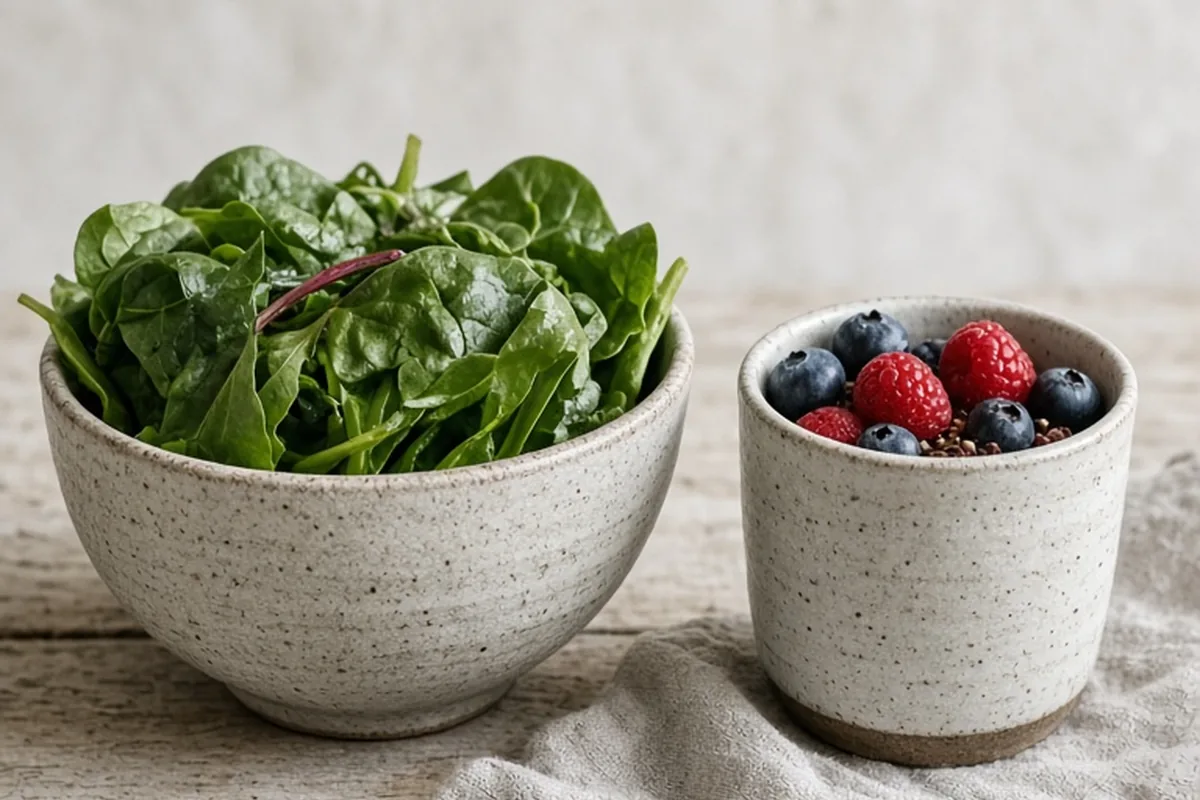
Fertility foods are nutrient-dense whole foods that supply essential micronutrients, healthy fats, complex carbohydrates, and antioxidants to support reproductive health. Emphasizing foods rich in folate, iron, zinc, omega-3 fatty acids, and dietary fiber—such as dark leafy greens, beans, nuts, seeds, seafood, and colorful produce—helps nourish your body when trying to conceive. Nutrition provides foundational wellness support alongside overall lifestyle care and individualized medical guidance.
Preparing your body for pregnancy involves looking at daily habits through a supportive, nourishing lens rather than one of restriction. Food serves as the building block for cellular repair, hormone production, and overall vitality, making balanced nutrition a valuable component of the conception timeline.
Core Micronutrients and the Whole-Plate Philosophy
Reproductive cells have high metabolic demands, making micronutrient density a central goal when selecting fertility foods. Key nutrients such as folate, iron, zinc, vitamin D, and choline play complementary roles in cellular division, blood volume expansion, and tissue synthesis. Folate supports early neural development and cellular integrity, while bioavailable iron assists with oxygen delivery to reproductive organs. Zinc contributes to healthy ovulation and sperm maturation, making it an essential consideration for both partners during the preconception window.
To translate these nutritional needs into daily eating habits, focus on food synergy—the concept that nutrients work best when consumed together in whole-food forms. For instance, pairing non-heme iron from plant sources with vitamin C enhances absorption significantly. A practical meal could be a spinach and lentil bowl dressed with fresh lemon juice and topped with toasted pumpkin seeds for zinc. A realistic limitation to keep in mind is that food alone may not always supply optimal levels of every micronutrient; standard dietary intake is typically complemented by a high-quality preconception or prenatal multivitamin recommended by your healthcare provider to cover variable baseline absorption rates.
- Folate and vitamin B12 for cellular division and DNA synthesis
- Non-heme and heme iron paired with vitamin C for tissue oxygenation
- Zinc and selenium for cellular protection and gamete development
- Choline and vitamin D for endocrine balance and embryonic preparation
Plant-Based Proteins and Dietary Variety
Diversifying protein sources by incorporating more plant-based options can support metabolic stability and hormone regulation. Legumes, including chickpeas, black beans, lentils, and edamame, provide a dense matrix of amino acids, fermentable fiber, and essential minerals without the higher concentrations of saturated fats found in some animal products. Including plant proteins regularly helps moderate post-meal blood sugar surges, which in turn supports steady insulin and androgen levels throughout the menstrual cycle.
Introducing more plant proteins into your rotation does not require adopting an exclusively vegetarian diet unless that aligns with your personal preferences. Instead, try replacing two or three meat-heavy dinners per week with hearty bean-based dishes, such as a slow-cooked black bean chili with avocado or a Mediterranean warm lentil salad tossed with diced vegetables and olive oil. If you are unaccustomed to high-fiber legumes, increase your portion sizes gradually over several weeks and drink plenty of water throughout the day to allow your gut microbiome to adapt without unnecessary bloating or digestive discomfort.
Healthy Fats, Cell Integrity, and Omega-3 Fatty Acids
Dietary fats are indispensable for reproductive health because steroid hormones, including estrogen and progesterone, rely on cholesterol and lipid pathways for their synthesis. Monounsaturated fatty acids and polyunsaturated omega-3 fatty acids, specifically docosahexaenoic acid (DHA) and eicosapentaenoic acid (EPA), help maintain cellular membrane fluidity, support pelvic blood flow, and balance inflammatory pathways. In contrast, industrially produced trans fats and excessive intake of highly refined cooking oils can promote systemic inflammation that may negatively influence ovulatory function.
Aim to incorporate wholesome dietary fat sources across your daily meals. Wild-caught cold-water fish like salmon, sardines, and trout offer concentrated omega-3s, while avocados, extra-virgin olive oil, walnuts, chia seeds, and hemp hearts supply valuable plant-based lipids and vitamin E. A simple breakfast could include whole-grain toast layered with mashed avocado, a pasture-raised egg, and a sprinkle of hemp hearts. When choosing seafood, select species that sit lower on the marine food chain to minimize heavy metal exposure while maximizing beneficial fatty acids.
Antioxidant-Rich Produce to Protect Cellular Health
Both oocytes (eggs) and spermatozoa (sperm) are vulnerable to oxidative stress—an imbalance between reactive oxygen species and the body's natural defense systems. Oxidative stress can impair egg quality, decrease sperm motility, and interfere with fertilization. Vibrant fruits and vegetables contain diverse arrays of polyphenols, flavonoids, carotenoids, and vitamins C and E, which neutralize free radicals and help protect vulnerable gametes during their developmental cycles.
Building a colorful plate is the most reliable way to consume a broad spectrum of protective antioxidants. Deep red and blue berries, dark leafy greens like kale and Swiss chard, cruciferous vegetables such as broccoli and Brussels sprouts, and bright orange carrots or sweet potatoes each provide distinct phytonutrient profiles. A practical approach is blending a handful of frozen wild blueberries and baby spinach into a morning kefir or Greek yogurt smoothie. If fresh produce is difficult to source or spoils too quickly, flash-frozen vegetables and berries offer identical nutritional value at a lower cost and with greater kitchen convenience.
Complex Carbohydrates and Blood Sugar Management
Carbohydrate quality plays a major role in reproductive well-being due to the close relationship between insulin sensitivity and ovarian function. Rapidly digested refined carbohydrates, such as white bread, pastries, and sugary drinks, cause quick spikes in blood glucose and circulating insulin. Elevated insulin can stimulate excess ovarian androgen production and disrupt regular ovulatory patterns, particularly for individuals navigating conditions like polycystic ovary syndrome (PCOS).
Choosing low-glycemic, minimally processed complex carbohydrates provides sustained energy without dramatic insulin spikes. Grains like quinoa, farro, rolled oats, steel-cut oats, wild rice, and barley retain their fibrous bran and germ layers, slowing digestion and nourishing beneficial gut bacteria. When assembling meals, balance your carbohydrate portions by combining them with healthy fats and lean protein—for example, pairing a roasted sweet potato with grilled salmon and sautéed asparagus. Extreme carbohydrate restriction is generally unnecessary and can even elevate stress hormones; prioritizing quality and portion balance yields better long-term compliance and sustained energy.
Hydration Habits and Mindful Beverage Adjustments
Fluid intake is a foundational but frequently overlooked element of reproductive wellness. Adequate hydration supports adequate blood volume expansion, aids cellular nutrient transport, and helps maintain healthy cervical mucus, which is essential for sperm motility and survival in the reproductive tract. Plain filtered water should form the core of daily fluid intake, complemented by unsweetened herbal teas, broths, and naturally hydrating produce like cucumbers and watermelon.
Preconception is also an ideal time to evaluate habitual intake of caffeine, alcohol, and artificially sweetened beverages. While moderate caffeine consumption (generally under 200 milligrams per day, roughly equivalent to one 12-ounce cup of coffee) is widely accepted as safe for most individuals trying to conceive, excessive intake can narrow blood vessels and elevate baseline cortisol. Alcohol intake is best minimized or completely phased out during the fertile window and luteal phase to eliminate potential teratogenic risks during early implantation. Transition gradually by replacing afternoon espresso shots with sparkling water flavored with citrus slices or soothing herbal infusions like rooibos or peppermint.
Sustainable Kitchen Routines and Reducing Food Stress
While optimizing your grocery list is helpful, creating an overly rigid or stressful relationship with eating can be counterproductive. Heightened psychological stress elevates cortisol and sympathetic nervous system activity, which can interfere with the hypothalamic-pituitary-gonadal (HPG) axis governing reproductive hormones. Nutrition for conception is most effective when it feels nourishing, pleasurable, and realistic within the context of your daily lifestyle, rather than a demanding regimen dictated by strict rules or fear.
Establish sustainable systems that simplify healthy eating during busy workweeks. Batch-cooking staple components—such as roasting two sheet pans of mixed root vegetables, simmering a large pot of quinoa, and boiling several pasture-raised eggs—allows you to assemble balanced, fertility-supportive meals in minutes. Allow room for flexibility, social meals, and comfort foods without guilt, relying on an 80/20 balance where the broad pattern of your diet remains nutrient-rich while leaving space for enjoyment and spontaneity.
Illustrative Scenarios
Practical Pantry Shifts for a Busy Schedule
Jordan and Morgan wanted to improve their preconception nutrition but found themselves overwhelmed by complicated meal plans that required hours of cooking after long work shifts. Instead of attempting an unsustainable total diet overhaul, they chose three practical adjustments: swapping their morning refined cereal for overnight oats with chia seeds and walnuts, adding a pre-washed dark leafy green salad to every dinner, and batch-roasting a tray of salmon and sweet potatoes on Sunday afternoons.
Key point: Small, repeatable nutritional habits create consistent nutrient density over time far better than elaborate or stressful diet plans.
Frequently asked questions
How far in advance of trying to conceive should I start eating fertility foods?
Starting three to six months before active conception is ideal because egg development and sperm spermatogenesis each take approximately 70 to 90 days. However, adopting nutrient-dense eating habits at any point during your journey provides meaningful physiological support.
Should both partners change their diet when trying to conceive?
Yes, nutritional choices directly impact both egg and sperm quality. Essential nutrients like zinc, selenium, omega-3 fatty acids, and antioxidants protect sperm DNA integrity, concentration, and motility just as they support ovulatory health.
Are full-fat dairy products better than low-fat dairy for fertility?
Some observational research suggests that moderate consumption of full-fat dairy may support healthy ovulatory cycles better than exclusively low-fat options, possibly due to lipid-bound hormone retention. However, individual digestive tolerance and overall dietary context should always guide your specific dairy choices.
Can eating fertility foods resolve clinical infertility on their own?
Nutrient-dense foods provide critical cellular and hormonal support, but they cannot bypass anatomical barriers such as blocked fallopian tubes or correct severe endocrine disorders alone. Nutrition works best as an integrative foundation alongside comprehensive medical care and specialized diagnostic testing when needed.
Your next step
Choose two manageable dietary upgrades this week—such as adding a daily serving of dark leafy greens and replacing refined breakfast grains with whole oats and seeds—while scheduling a preconception checkup with your healthcare provider to discuss personalized nutrition and supplementation.