The fertility window is the six-day interval in a menstrual cycle when pregnancy is biologically possible, comprising the five days leading up to ovulation and the day of ovulation itself. Conception is most likely during the three days leading up to and including ovulation, because healthy sperm can survive in the reproductive tract for up to five days, whereas an unfertilized egg remains viable for only twelve to twenty-four hours after release.
Pinpointing the days when conception is possible can make trying to conceive feel far more manageable and less stressful. While many people assume pregnancy can occur at any point in the menstrual month, human biology restricts the opportunity to a specific timeframe each cycle. Understanding how sperm lifespan and egg viability intersect allows couples and individuals to plan intercourse effectively rather than relying on guesswork.
Understanding the Biology Behind the Fertile Interval
The human fertility window is defined by two distinct biological lifespans: the survival time of sperm inside the female reproductive tract and the lifespan of the released ovum. After ejaculation into fertile cervical mucus, healthy sperm can remain viable and capable of fertilization for up to five days. In contrast, once an ovary releases a mature egg during ovulation, that egg must be fertilized within approximately twelve to twenty-four hours before it begins to degenerate and can no longer support conception.
Because of this brief window of egg viability, having sperm already present in the fallopian tubes before the egg arrives offers the highest probability of fertilization. The fertile window therefore opens five days before ovulation and closes roughly one day after ovulation occurs. Intercourse that takes place even two days after ovulation cannot result in pregnancy because the ovum has already broken down, while intercourse three days before ovulation provides a realistic opportunity for conception because the waiting sperm are capable of fertilizing the newly released egg.
Calculating Your Estimated Window Across Different Cycle Lengths
A common misconception is that all women ovulate on cycle day 14. In reality, ovulation timing varies widely based on total cycle length. A menstrual cycle is measured from the first day of full menstrual bleeding (cycle day 1) up to the day before the next period starts. The cycle consists of two phases: the follicular phase before ovulation, which varies in length, and the luteal phase after ovulation, which is typically consistent at around 12 to 14 days for most individuals.
To estimate your fertile window using calendar calculations, subtract 14 days from your typical cycle length to find your approximate ovulation day, and then identify the five days leading up to that point. For example, in a 28-day cycle, ovulation typically occurs around day 14, placing the peak fertile window between days 9 and 14. In a shorter 24-day cycle, ovulation may happen around day 10, making days 5 through 10 fertile. In a longer 32-day cycle, ovulation might occur near day 18, shifting the fertile window to days 13 through 18.
While calendar estimations provide a useful starting point, they have distinct limitations. Natural fluctuations caused by stress, illness, travel, or subtle hormonal shifts can delay or advance ovulation without warning. Relying solely on calendar math can lead couples to mistime intercourse if ovulation occurs earlier or later than their historical average.
Tracking Bodily Biomarkers: Cervical Fluid and Sensation
One of the most reliable real-time methods for identifying your fertile window is observing changes in cervical fluid. As a follicle matures in the ovary, it produces rising levels of estrogen. This estrogen causes the cervix to produce fluid that changes in texture, volume, and sensation throughout the cycle, creating a nourishing environment that protects sperm and facilitates their journey toward the uterus.
In the days immediately following menstruation, cervical fluid is typically minimal, dry, or sticky. As the fertile window opens, the fluid becomes creamy or lotion-like, transitioning close to ovulation into a clear, slippery, and stretchy consistency often compared to raw egg whites. This egg-white cervical mucus indicates peak fertility. Checking cervical fluid daily on toilet paper or with clean fingers and noting internal vulvar sensations can help you recognize when your fertile window opens, even if your cycle length varies.
Utilizing Tools: Ovulation Predictor Kits and Basal Body Temperature
Commercial fertility tracking tools offer biological validation alongside physical signs. Ovulation predictor kits (OPKs) detect a surge in luteinizing hormone (LH) in urine. This hormone surge triggers the release of the mature egg and typically occurs 24 to 36 hours before ovulation takes place. A positive OPK test signals that you are entering your peak fertile days and that ovulation is imminent, making that day and the following day prime times for intercourse.
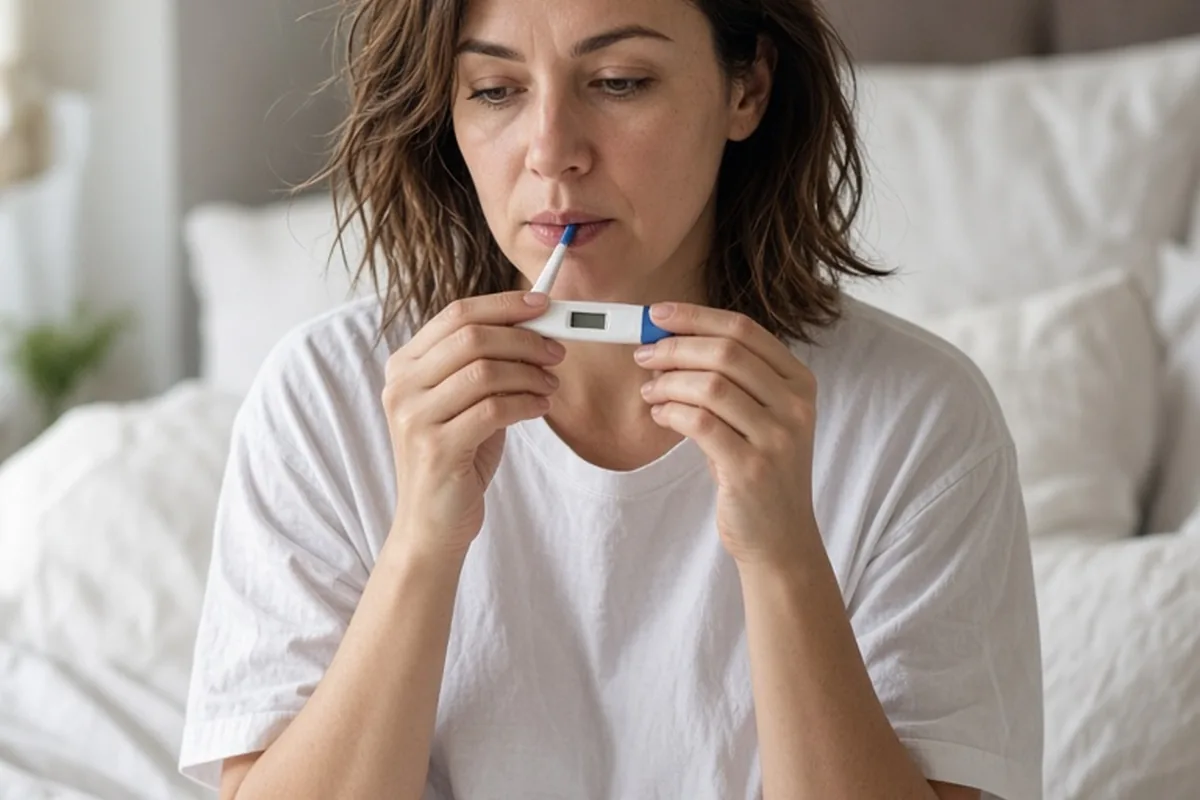
Basal body temperature (BBT) tracking serves a different but complementary purpose. By taking your resting oral temperature immediately upon waking each morning before getting out of bed, you can detect the slight rise in temperature—usually between 0.5 and 1.0 degree Fahrenheit—caused by the thermogenic hormone progesterone. Because progesterone rises only after ovulation has occurred, BBT charts confirm that an egg was successfully released, helping you verify the end of your fertile window for that cycle.
Using OPKs and cervical fluid observations to predict ovulation prospectively, combined with BBT charting to confirm it retrospectively, provides a comprehensive view of your cycle dynamics over time.
Optimal Intercourse Frequency and Practical Timing
When trying to conceive, timing intercourse during the fertile window is essential, but high-frequency schedules can sometimes create unnecessary fatigue and emotional pressure. Clinical observations suggest that having intercourse every one to two days throughout the fertile window maintains a continuous supply of viable sperm in the reproductive tract without diminishing sperm quality or volume in partners with normal semen parameters.
The two days immediately preceding ovulation and the day of ovulation itself offer the highest statistical chances of conception. If tracking precise ovulation proves challenging, aiming for regular intercourse every two to three days throughout the middle two weeks of your cycle ensures adequate coverage without requiring exact date calculations. Couples should also be mindful of personal lubricants, as many standard commercial varieties can impair sperm motility; using specialized fertility-friendly lubricants designed to match natural cervical fluid pH is generally recommended.
Managing Irregular Cycles and Variable Ovulation
Identifying a fertile window becomes more complex when menstrual cycles vary widely from month to month, such as fluctuating between 26 and 40 days. In irregular cycles, the follicular phase changes in length, meaning ovulation does not occur at a predictable time relative to the start of the previous period. Calendar-based tracking applications often struggle with these irregularities because they rely on historical averages that do not reflect ongoing hormonal events.
For those with irregular cycles, focusing on observable biological biomarkers is far more practical than counting calendar days. Monitoring daily cervical fluid changes and using mid-cycle LH test strips allow you to spot the fertile window as it emerges. If cycles are consistently shorter than 21 days, longer than 35 days, or entirely unpredictable, consulting a healthcare provider or reproductive specialist can help identify potential underlying factors, such as thyroid variations or polycystic ovary patterns.
Everyday Factors That Influence Cycle Regularity and Timing
General health and lifestyle habits can subtly influence the timing of your fertility window by affecting the hypothalamic-pituitary-ovarian axis, which controls reproductive hormone release. Significant physiological or psychological stress, sudden shifts in sleep patterns, extreme caloric restriction, or intense endurance training can delay the LH surge and push ovulation later in the cycle, temporarily shifting the fertile window.
Supporting balanced ovulatory function involves maintaining consistent sleep schedules, consuming nutrient-dense meals, and engaging in moderate physical activity. For male partners, lifestyle factors such as frequent high-heat exposure from saunas or hot tubs, heavy alcohol consumption, and smoking can influence sperm concentration and motility. While healthy lifestyle habits support baseline reproductive physiology, they work alongside medical evaluation rather than replacing clinical care when conception challenges arise.
Frequently asked questions
Can you get pregnant outside the six-day fertile window?
Pregnancy cannot occur outside the fertile window because an unfertilized egg survives for only 12 to 24 hours and sperm survive for up to five days. However, unexpected shifts in ovulation timing can cause a person to enter their fertile window earlier or later than anticipated, making it seem like conception occurred outside the expected timeframe.
How soon after a positive ovulation test should you try to conceive?
A positive ovulation test indicates that the luteinizing hormone surge is underway and ovulation will likely occur within 24 to 36 hours. Having intercourse on the day of the positive test and across the next two days provides optimal timing for sperm to meet the egg.
Does having intercourse multiple times a day increase pregnancy chances?
Having intercourse multiple times in a single day does not meaningfully increase the probability of conception compared to once daily or every other day. Engaging in intercourse every one to two days across the fertile window ensures sufficient sperm availability while preventing physical and emotional burnout.
How does stopping birth control affect finding the fertile window?
After stopping hormonal birth control, your body may take several weeks or months to re-establish regular ovulatory cycles. Tracking observable signs like cervical mucus and using ovulation test strips can help you detect your fertile window as your natural hormonal rhythm returns.
Your next step
Begin tracking your primary fertility signs—such as daily cervical fluid changes and cycle start dates—over the next two cycles in a notebook or chart to identify your body's personal ovulatory patterns.