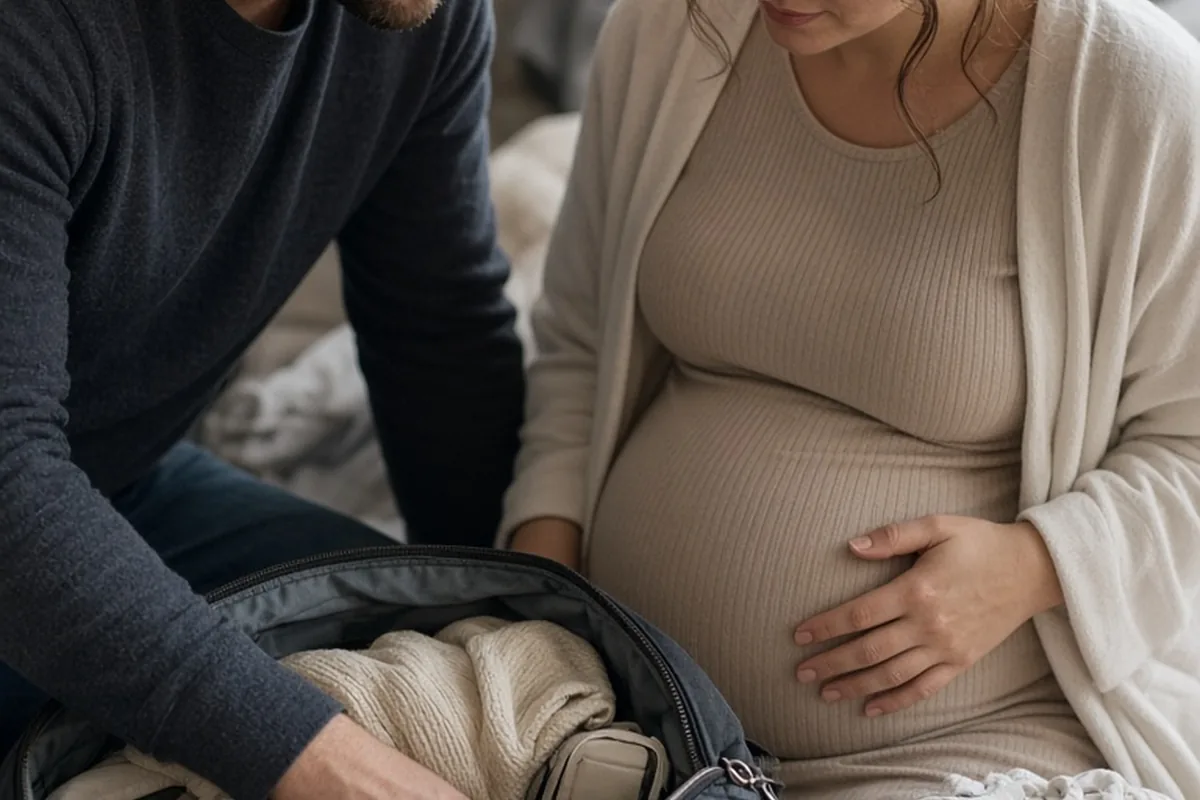
A hospital bag checklist focuses on items that keep you comfortable, supported, and documented during labor and postpartum recovery. Essential categories include vital identification and medical paperwork, supportive comfort items for labor, postpartum recovery garments, personal toiletries, a car seat with going-home clothes for the baby, and basic supplies for your birth partner. Packing around thirty-six weeks helps avoid last-minute rush while keeping daily-use items readily accessible.
Preparing your hospital bag turns an abstract due date into a concrete, manageable plan, giving you a sense of calm control during the final weeks of pregnancy.
Administrative Essentials and Medical Documentation
When arriving at the hospital or birthing center, the intake process moves quickly, especially if labor is progressing rapidly. Having your paperwork organized in an exterior pocket of your bag ensures that your partner or support person can hand over critical details without rummaging through your personal belongings. Triage staff require identification and insurance coverage verification before assigning your room, and having physical copies ready prevents unnecessary delays or administrative friction during contractions.
Keep your documents in a water-resistant folder or labeled pouch. Include your photo identification, health insurance cards, hospital pre-registration confirmations, and several printed copies of your birth preferences. Even if your obstetrician or midwife shares an electronic health record with the hospital, printed birth preferences allow bedside nurses on changing shifts to quickly understand your choices regarding pain management, mobility, labor positions, and immediate newborn procedures.
While smartphones can store digital scans of your records, hospital staff often need physical paperwork to place into their bedside charts. Relying solely on your phone introduces the risk of low battery, lack of reception, or staff reluctance to handle personal electronic devices. Keeping hard copies accessible solves this issue cleanly.
- Government-issued photo identification and primary health insurance cards
- Hospital pre-registration paperwork and any requested hospital-specific intake forms
- Three to four printed copies of your birth preferences or birth plan
- Pediatrician contact information for scheduling initial newborn follow-up notifications
Labor and Delivery Comfort Items
Active labor can span many hours, and physical comfort plays a major role in helping your body relax between contractions. Hospital environments are clinical, brightly lit, and often chilly, which can heighten tension. Bringing items that cater to your sensory environment transforms a sterile room into a more supportive, grounded space where you can focus on breathing and rest.
Hospital gowns are functional for medical examinations, but many people feel more confident and autonomous wearing their own clothes. An oversized, dark-colored cotton t-shirt, an open-back delivery gown, or a soft sports bra paired with an unbuttoned flannel shirt gives medical teams easy access for monitoring while preserving your dignity and warmth. Pair your clothing with non-skid slippers or warm grip socks, because pacing the tiled hospital hallways is a common and effective way to encourage labor progress.
The air inside medical facilities tends to be exceptionally dry due to specialized air filtration systems. A rich lip balm and a hydrating facial mist provide immediate relief when heavy breathing dries out your lips and throat. A portable handheld fan or battery-operated misting fan is also invaluable, as temperature fluctuations during transition can leave you shivering one moment and overheating the next.
- Dark, loose clothing or a birthing gown with accessible openings for monitors and IV placement
- Warm socks with rubber grips or washable slip-on shoes for walking hallways
- Ultra-hydrating lip balm, hair ties, headband, or hair clips to keep strands off your face
- Extra-long phone charging cable, as hospital wall outlets are often several feet behind the bed
- Handheld rechargeable mini fan to help regulate body temperature during intense labor phases
Postpartum Recovery Wear and Hygiene
After delivery, you will be moved from the labor unit to a postpartum recovery room. The physical transition during these initial forty-eight hours involves significant bodily recovery, bleeding known as lochia, and potential perineal or surgical soreness. Packing thoughtful recovery garments helps you manage these physical realities with greater ease and dignity than standard-issue hospital linens allow.
Comfortable, high-waisted underwear is essential, whether you deliver vaginally or via cesarean section. High-waisted cotton briefs or disposable absorbent underwear sit well above a typical cesarean incision line and hold postpartum pads securely in place without chafing. Front-opening sleepwear, such as button-down nightshirts or nursing tank tops with soft pajama pants, simplifies frequent skin-to-skin contact and nursing sessions while accommodating changing body shapes.
Hospitals provide basic perineal bottles and industrial sanitary pads, but personal toiletries bring a welcome touch of home to your first postpartum shower. Travel-sized bottles of unscented body wash, dry shampoo, a gentle facial cleanser, and your preferred toothbrush help you feel refreshed. A trade-off to consider is luggage volume: avoid packing full-sized shampoo bottles or extensive cosmetic kits, as bathroom counter space in recovery rooms is typically very compact.
- Four to six pairs of high-waisted dark cotton briefs or disposable postpartum underwear
- Two button-down nightgowns or nursing-friendly pajama sets with soft, stretchy waistbands
- Supportive, wire-free nursing bras or soft sleep bralettes that accommodate breast changes
- Personal travel toiletries including body wash, deodorant, toothbrush, and alcohol-free lotion
- Comfortable, slip-on shoes or adjustable slides that accommodate postpartum fluid swelling in your feet
Newborn Essentials for the Hospital and Ride Home
It is easy to overpack for a newborn because baby clothes and accessories are small and appealing to organize. In practice, newborns spend the majority of their hospital stay unclothed on your chest for skin-to-skin contact, wrapped in hospital receiving blankets, and wearing standard hospital-provided diapers and undershirts. You do not need to bring a complete wardrobe or full packs of diapers to the facility.
Focus your newborn packing on the journey home. Babies vary widely in size at birth, ranging commonly from six to nine pounds, meaning newborn sizing may fit snugly while zero-to-three-month sizing might be necessary for larger infants. Bringing one going-home outfit in each size ensures you have an option that fits comfortably without squeezing umbilical cord clamps or drowning your baby in excess fabric.
Your most critical newborn item is a properly installed infant car seat. Hospital policy requires a safe car seat before discharge, and nursing staff will inspect the seat base or carrier before you leave the maternity ward. Ensure the car seat base is professionally installed or double-checked according to the manufacturer manual several weeks prior to your due date, leaving only the carrier to be clicked into place on discharge day.
- Properly installed rear-facing infant car seat with the base secured in your vehicle
- Two going-home outfits with legs to allow car seat straps, one in newborn size and one in zero-to-three months
- Soft cotton hat and a pair of scratch mittens to prevent accidental facial scratches
- Warm weather-appropriate blanket to tuck around the outside of car seat straps if temperatures are low
- Gentle emery board or baby nail file, as newborns often arrive with surprisingly sharp nails
The Birth Partner and Support Person Toolkit
A birth partner or labor support person plays an active physical and emotional role, often staying in the hospital for two to three consecutive days. Partner accommodations in hospital rooms are typically minimal, usually consisting of a fold-out chair or a narrow daybed with limited bedding. If a partner is sleep-deprived, hungry, or physically uncomfortable, their capacity to advocate for and support the laboring parent diminishes.
Partners should pack layered clothing, as labor rooms are frequently kept cold for the comfort of the laboring mother and attending medical staff. A warm hoodie, comfortable sweatpants, and easily removable shoes allow the partner to adapt to varying room temperatures quickly. Packing a dedicated pillow and a lightweight fleece throw blanket from home makes a significant difference on firm hospital vinyl sleeper sofas.
Hospital cafeterias often operate on restricted schedules, and vending machines have limited nutritional value. Packing a dedicated supply of protein-rich, non-perishable snacks ensures your support person maintains steady blood sugar throughout overnight labor. A trade-off to keep in mind is aroma: avoid strong-smelling foods like tuna or garlic-heavy snacks, as laboring individuals frequently experience heightened olfactory sensitivity or nausea.
- Two complete changes of comfortable, layered clothes suitable for resting and active support
- Personal toiletries including a toothbrush, toothpaste, deodorant, and eye drops for tired eyes
- Standard pillow with a non-white pillowcase to avoid mixing it up with hospital linens
- High-protein shelf-stable snacks such as nuts, granola bars, jerky, and dried fruit
- Refillable water bottle and small bills or coins for cafeteria and parking meters
Items to Leave Behind and Smart Luggage Strategy
Overpacking creates clutter in a small hospital room and makes moving between triage, labor and delivery, and postpartum units stressful. Every time you change rooms, staff will ask you to gather all personal belongings, and having multiple unorganized bags increases the likelihood of misplaced items. Recognizing what the facility supplies allows you to streamline your luggage significantly.
Hospitals routinely provide essential postpartum and newborn care items for the duration of your stay. You do not need to pack boxes of diapers, baby wipes, formula samples, perineal squirt bottles, witch hazel pads, or standard disposable mesh briefs. Furthermore, expensive electronic devices, fine jewelry, and large sums of cash present theft or loss risks in rooms with regular staff turnover and should remain securely at home.
A practical organizational strategy is the two-bag system. Pack one compact duffel bag for labor and delivery containing only intake papers, initial comfort items, chargers, and immediate partner supplies. Pack a secondary carry-on suitcase for postpartum recovery and baby discharge items, leaving it in the trunk of your car until you are officially transferred to your postpartum recovery suite. This keeps your labor space uncluttered and reduces transition chaos.
- Bulky diaper packs, baby wipes, and baby bath tubs provided entirely by the hospital
- Breast pumps, unless your healthcare provider specifically asks you to bring your personal model for lactation training
- Fine jewelry, watches, and irreplaceable personal sentimental items
- Stiff, elaborate baby outfits with multiple buttons or stiff collars that interfere with car seat safety
Frequently asked questions
When is the best time to pack my hospital bag?
Aim to have your primary bags packed and organized around thirty-five to thirty-six weeks of pregnancy. This provides a safety cushion if labor begins earlier than anticipated, while still allowing you to access daily personal items like phone chargers and toiletries.
Can I bring my own pillow to the hospital?
Yes, bringing your own pillow can provide familiar neck support and comfort on standard hospital beds. Be sure to use a patterned or brightly colored pillowcase so hospital housekeeping staff do not accidentally mistake it for hospital laundry and remove it.
Should I pack formula and bottles just in case?
Most hospitals stock ready-to-feed infant formula, sterile disposable nipples, and donor milk if medically indicated. You only need to pack specific formula brands or specialty bottles if you have a defined preference that the hospital may not carry.
Your next step
Choose a weekend afternoon at thirty-six weeks to pack your essential documents, labor comforts, and going-home clothes into two compact bags, placing them near your front door or in your vehicle.