On your skin, SPF 50 sunscreen lasts approximately two hours under normal conditions, or forty to eighty minutes if you are swimming or sweating. In the bottle, an unopened or properly stored sunscreen typically remains stable and effective for up to three years from its manufacturing date unless a specific expiration date printed on the packaging indicates an earlier window.
Understanding the lifespan of your sun protection involves two distinct timelines: how long the formula actively shields your skin after application and how long the liquid remains stable on your shelf.
The Difference Between On-Skin Protection and Bottle Shelf Life
When asking how long sunscreen lasts, people usually mean one of two things: how many hours it protects the face during daily wear, or whether a half-empty tube from last summer is still safe to use. On the skin, the protective film formed by sunscreen active ingredients begins breaking down immediately due to natural body processes. Skin oils, ambient humidity, gentle perspiration, and accidental touching gradually disrupt the continuous shield required to block ultraviolet rays. Because of this natural physical degradation, the protective window on skin tops out around two hours regardless of whether the product uses chemical or mineral filters.
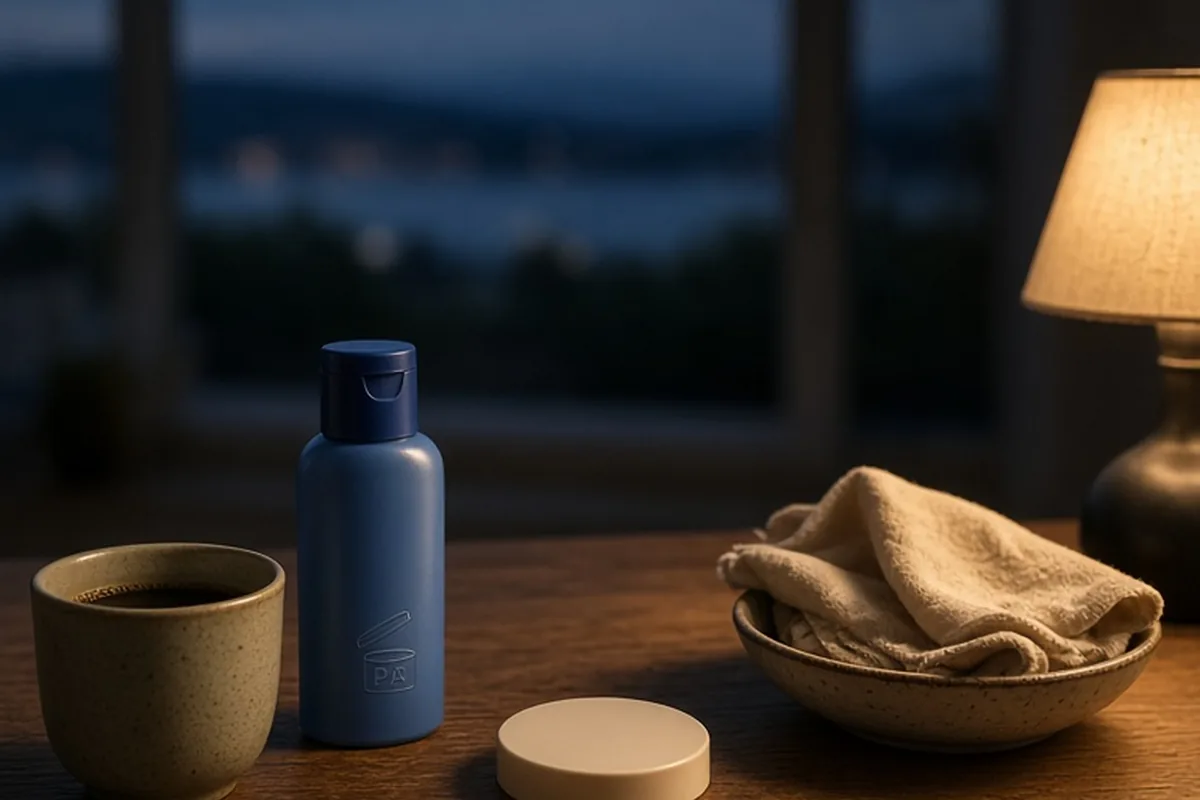
In contrast, the shelf life inside the container relates to chemical stability and preservative efficacy. Most commercially manufactured sunscreens are formulated to maintain their stated protection level for up to three years when stored at room temperature away from direct sunlight. Once opened, exposure to oxygen, airborne bacteria, and bathroom heat can shorten that window. Checking both the expiration date stamped into the crimp of the tube and the period-after-opening symbol helps clarify whether the product inside can still deliver its promised defense.
Why Higher SPF Does Not Extend Your Reapplication Window
A widespread misconception is that an SPF 50 lotion lasts longer on the skin than an SPF 30 lotion. The Sun Protection Factor rating measures the percentage of UVB rays filtered out, not the duration of time you can safely remain under direct sunlight without reapplying. While SPF 30 filters roughly ninety-seven percent of UVB radiation, SPF 50 filters about ninety-eight percent under laboratory conditions. That extra one percent of filtering power offers slightly stronger defense against ray penetration, but it does not make the film on your skin physically more durable.
Both SPF 30 and SPF 50 formulas use similar carrier bases, such as light emulsions, gels, or silicone suspensions, which wear off at virtually identical rates. Relying on a higher number to skip your midday reapplication creates a false sense of security that can lead to unintentional sun damage. Even an SPF 100 formulation requires fresh application after two hours of continuous exposure because environmental friction and natural sebum break down the protective barrier at the same rate across all SPF ratings.
Water Resistance Ratings and Heavy Activity Limits
Standard sunscreen testing protocols assume dry, low-friction conditions, which is why everyday sunscreens do not guarantee protection when you swim or exercise outdoors. Formulas labeled as water-resistant undergo specialized testing to determine how well the film adheres to wet skin. Under United States regulatory standards, products can claim either forty minutes or eighty minutes of water resistance, which indicates how long the sunscreen maintains its labeled SPF rating while submerged in water.
If you are hiking in high humidity, running outdoors, or swimming in a pool, the standard two-hour rule no longer applies. Once you reach the forty- or eighty-minute mark indicated on the packaging, the active barrier has thinned significantly. Furthermore, physical towel drying immediately wipes away a large portion of the formula regardless of remaining time. For outdoor workouts or beach visits, reapplication must happen immediately after toweling off or as soon as your designated water-resistance window closes.
How Daily Routines and Skin Types Erode Sunscreen Coverage
Even when sitting indoors near a window or working at a desk, your skin is dynamic. Sebaceous glands continuously produce natural lipids that mix with the sunscreen layer, causing the emulsifiers to slide and thin out unevenly. People with oily skin types frequently notice that their sun protection breaks down faster around the forehead, nose, and chin within ninety minutes of application. Conversely, individuals with dry skin may absorb the moisturizing components, leaving mineral particles susceptible to flaking or rubbing off.
Subtle daily movements also degrade coverage faster than many realize. Adjusting reading glasses, resting your chin on your hands, pressing a phone against your cheek, and donning a face mask all create mechanical friction that strips sunscreen away in patches. While incidental indoor light without direct sun exposure is less aggressive on the active filters themselves, mechanical friction and oil migration mean that stepping outside for a late afternoon walk still requires a fresh touch-up to ensure an even protective coat.
Methods for Reapplying SPF 50 Over Daily Makeup
One of the biggest practical hurdles to reapplying sunscreen every two hours is preserving underlying cosmetics. Smoothing a thick dollop of traditional white lotion directly over foundation or blush can smudge makeup and cause uncomfortable pilling. Fortunately, several application techniques allow you to refresh your protection without washing your face and starting your routine from scratch in the middle of the day.
Selecting the right tool depends on your preferred makeup finish and convenience needs. Each method presents specific advantages and practical compromises:
- Sunscreen Setting Powders: Ideal for reducing midday shine on oily skin, though achieving the full SPF 50 labeled protection requires applying a generous, visible layer that may feel heavy.
- SPF Setting Mists and Sprays: Convenient for quick touch-ups without disturbing powder or cream makeup, but requiring careful, close-range spraying and closing the eyes and mouth to avoid inhalation.
- Cushion Compacts and Beauty Sponges: Dispensing a liquid chemical or mineral sunscreen onto a dry sponge and gently pressing it over the skin evenly deposits fresh coverage without sliding base products around.
- Sunscreen Sticks: Glided smoothly across high-exposure zones like the nose, cheekbones, and forehead, offering targeted coverage that can be lightly blended with clean fingertips.
Signs Your Sunscreen Has Expired or Spoiled
Using an expired sunscreen exposes your skin to uninhibited UV radiation because active ingredients degrade over time, while the preservatives that prevent microbial growth lose their strength. Most bottles display an open-jar icon with a number such as 12M or 24M, indicating the number of months the formula remains stable after breaking the seal. If your bottle lacks an explicit expiration date and you cannot recall when you purchased it, relying on visible physical indicators can help determine if it is time to discard the product.
Separation that does not remix after a vigorous shake is a primary sign of breakdown, appearing as clear, watery liquid pouring out ahead of thick, curdled clumps. Changes in smell, such as a rancid, sour, or overly pungent chemical odor, indicate that the carrier oils or emulsifiers have oxidized. Additionally, storing sunscreen in hot environments, like a vehicle glove box or an exposed beach bag, can destabilize the formula in a matter of weeks, rendering the SPF rating unreliable regardless of the printed expiration date.
Applying the Correct Amount for True SPF 50 Performance
The longevity and efficacy of SPF 50 depend directly on applying the full recommended dosage. Standardized laboratory testing uses an application density of two milligrams of product per square centimeter of skin. For the average adult face and neck, this equates to approximately one-quarter to one-third of a teaspoon, commonly visualized as two full strips of product squeezed along the length of your pointer and middle fingers.
Applying only a thin, sheer layer drastically reduces actual protection. Studies in cosmetic formulation demonstrate that applying half the recommended amount does not simply halve your defense to SPF 25; it can exponentially drop real-world performance down to single-digit protection levels. Under-application also causes the protective film to wear through much faster against skin oils and environmental contact. To ensure your morning application holds up for the expected two-hour window, spread the full measured amount evenly across the face, ears, and neck before adding additional cosmetic layers.
Frequently asked questions
Does SPF 50 last all day if I stay indoors?
While indoor lighting and shade do not degrade active UV filters as quickly as direct sun, natural facial oils and incidental touching still wear the product away over several hours. If you sit near large windows or plan to step outdoors later in the afternoon, applying a fresh layer before heading out ensures you are properly covered.
Can I use last year's opened bottle of SPF 50 sunscreen?
You can generally use last year's bottle if it has been stored in a cool, dry place and falls within its printed expiration date or period-after-opening timeframe. However, if the product was exposed to high heat in a car or beach bag, or if the texture, color, or smell has changed, it should be replaced.
Does mineral SPF 50 last longer on the skin than chemical SPF 50?
Both mineral and chemical sunscreens provide roughly two hours of active protection on the skin during regular daytime wear. Although mineral filters like zinc oxide do not degrade under light in the same way some older chemical filters do, sweat, sebum, and physical friction rub both types off the skin at similar rates.
How long should I wait after applying SPF 50 before going outside?
Chemical sunscreens generally require fifteen to twenty minutes to bind to the skin and form an even protective barrier before direct sun exposure. Mineral sunscreens physically reflect light immediately upon application, but giving them ten to fifteen minutes to set prevents the formula from smearing or rubbing off onto clothing.
Your next step
Check the printed date or period-after-opening symbol on your SPF 50 bottle today, and set a practical routine to reapply every two hours when spending extended time outdoors.