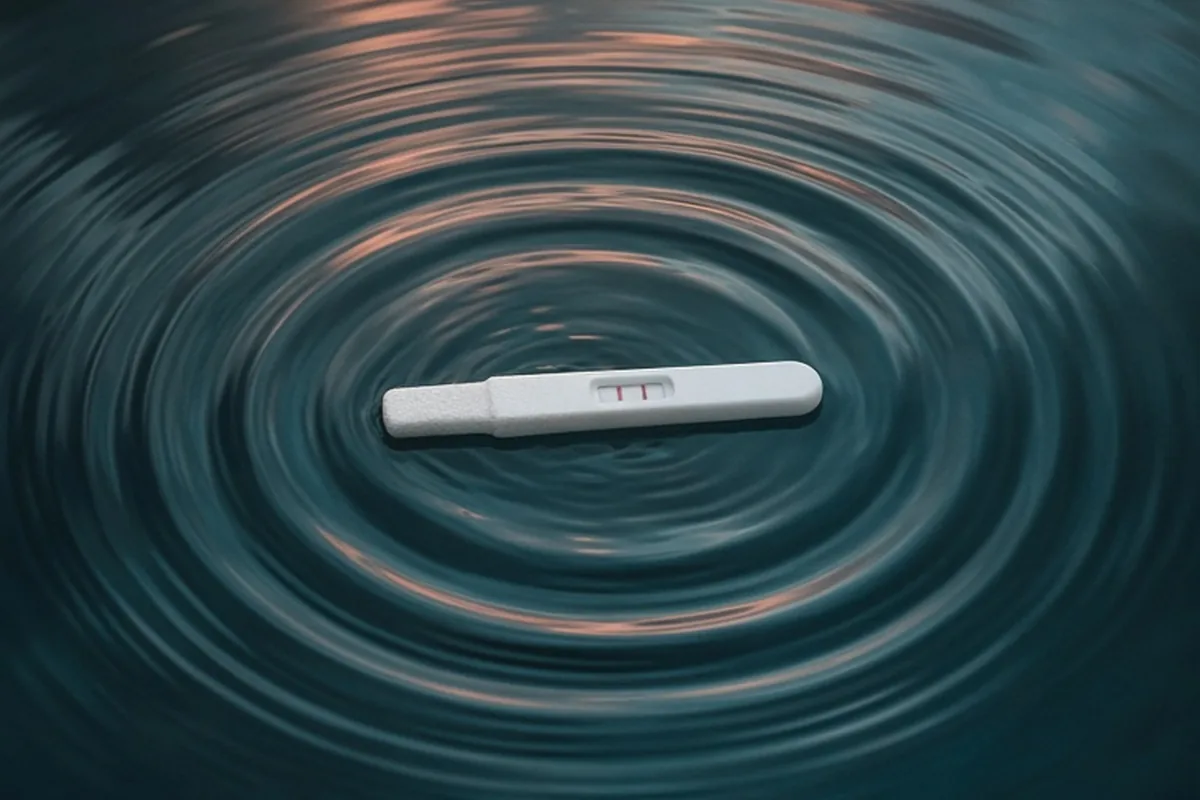
You can take most home pregnancy tests starting on the first day of your missed period for dependable results. Some early-detection tests can pick up hormone levels three to four days before an expected period, or about twelve to fourteen days after ovulation. Testing earlier than this often leads to false negatives because your body needs adequate time after implantation to produce measurable levels of human chorionic gonadotropin.
Waiting to take a pregnancy test can bring a whirlwind of anticipation, anxiety, and impatience. While the urge to find out immediately is completely natural, timing your test properly saves you from the emotional rollercoaster of misleading or ambiguous results.
Understanding the Biological Timeline from Conception to Detection
To understand when a home test can provide a reliable answer, it helps to look at what happens inside your body after conception. Pregnancy does not begin the moment sperm meets egg; rather, fertilization is followed by several days of cell division as the developing embryo travels down the fallopian tube toward the uterus. Once the embryo reaches the uterine lining, it must successfully implant before pregnancy hormones begin entering your bloodstream. Implantation typically takes place between six and ten days after ovulation, with eight to nine days being the most common window.
Immediately following successful implantation, specialized cells that eventually form the placenta start secreting human chorionic gonadotropin, commonly known as hCG. In the earliest stages, hCG levels start very low and roughly double every forty-eight to seventy-two hours. It takes several days of this exponential growth for the hormone to pass from the bloodstream into the kidneys and concentrate in the urine at levels sensitive enough for an over-the-counter test strip to detect. Attempting to test before implantation or during the first day or two afterward almost always yields a negative result, regardless of whether conception occurred.
Early-Detection Tests Versus Standard Testing Strips
When shopping for a home pregnancy test, you will encounter two main categories: standard tests and early-detection tests. Standard tests generally require a higher concentration of hCG, typically around twenty-five milli-international units per milliliter of urine. These tests are engineered to deliver clear, dependable results on or after the first day of an expected menstrual period. Because they require a more established hormone baseline, they reduce the risk of ambiguous faint lines that leave you guessing.
Early-detection tests, on the other hand, boast a higher sensitivity threshold, often measuring hCG concentrations as low as ten milli-international units per milliliter. Manufacturers frequently market these as capable of detecting pregnancy up to five or six days before a missed period. While these tests can detect pregnancy earlier for individuals whose embryos implant ahead of the statistical average, the trade-off is a higher likelihood of false negatives if your personal implantation timeline falls on the later side. Using an early test too soon can lead to unnecessary heartache when the only real issue is that hormone production has simply just begun.
How to Determine Your Ideal Testing Day Based on Cycle Length
Your menstrual cycle rhythm plays a decisive role in pinpointing the best day to test. If you have a regular twenty-eight-day cycle, ovulation generally occurs around day fourteen, meaning the first day of your missed period lands fourteen days post-ovulation. In this standard scenario, testing on day twenty-nine or twenty-eight provides an accurate reading because any implanted pregnancy will have had ample time to generate substantial hCG.
If your cycle varies in length or runs longer than average, relying on a generic calendar estimate can throw off your timing. For instance, someone with a thirty-five-day cycle usually ovulates around day twenty-one rather than day fourteen. Testing on day twenty-eight would correspond to just seven days post-ovulation, which is almost always too early for hCG detection. If you are unsure of your exact ovulation date or experience irregular periods, a reliable practical rule is to wait at least fourteen to sixteen days after the date of unprotected intercourse before taking a test.
The Practical Risks of Testing Too Early
Testing before your body has accumulated detectable hCG presents two primary practical difficulties: false negatives and emotional fatigue. A false negative occurs when you are pregnant, but the urine sample lacks enough hormone to trigger the test's reactive antibody line. Receiving a negative result might lead you to stop prenatal precautions, resume medications that are contraindicated in pregnancy, or experience sadness, only to discover a week later that you were pregnant all along.
Early testing also increases the likelihood of detecting very early chemical pregnancies that might not progress. A chemical pregnancy is an early pregnancy loss that occurs shortly after implantation, often right around the time a period would normally arrive. If you test several days early, you might detect a faint positive that turns negative a few days later when your period starts. For many people, knowing about a transient chemical pregnancy causes substantial distress that would not have occurred had they waited until after a missed period to test.
Step-by-Step Testing Habits to Ensure Accuracy
Achieving an accurate result is not just about the calendar day; the technique you use during the test itself is equally important. First-morning urine is the gold standard for early testing because it contains the highest concentration of hCG after hours of sleep without fluid intake. If you must test later in the day, try to hold your urine for at least three to four hours beforehand and avoid drinking excessive amounts of water, as overhydration can dilute your urine and lower hormone concentrations below detectable levels.
Always check the expiration date on the box and read the package instructions carefully, as different brands require varying exposure times. Use a timer rather than guessing the elapsed minutes, and read the test strictly within the designated time window specified by the manufacturer, which is typically between three and five minutes. Setting the test on a flat, non-absorbent surface while waiting helps ensure the liquid migrates evenly across the testing strip.
Decoding Faint Lines, Evaporation Lines, and Digital Displays
One of the most confusing parts of home testing is interpreting faint lines on analog dye-based tests. In general, if a colored line appears within the designated time frame alongside a solid control line, it indicates a positive result, no matter how light the pigment looks. The faintness simply reflects a lower concentration of hCG, which is very common when testing early in the cycle or later in the afternoon.
However, lines that appear after the testing window has closed are usually evaporation lines rather than true positives. As the urine dries on the test membrane, it can leave a faint, colorless, or grayish shadow where the test strip's chemical antibodies sit. If you find yourself holding a test up to the light at extreme angles to see whether a mark exists, or if you are reading the stick thirty minutes after use, the result is inconclusive. Digital tests eliminate this ambiguity by displaying explicit words like 'Pregnant' or 'Not Pregnant', though they often require slightly higher hormone levels than the most sensitive dye tests.
Navigating Results and Next Practical Steps
If your test shows a clear positive result, your practical next step is to contact a healthcare professional or local health clinic to schedule an initial prenatal visit. Most clinical providers schedule your first formal appointment around eight weeks from your last menstrual period, but calling early ensures you receive guidance on prenatal vitamins, medication safety, and routine blood tests. In the meantime, adopting standard early pregnancy care—such as taking a daily prenatal vitamin containing folic acid—supports healthy fetal development.
If your test is negative but your period has still not arrived, resist the urge to test every few hours. Give your body two to three days to allow potential hCG levels to double, then test again using first-morning urine. If a full week passes after your missed period with continued negative tests and no bleeding, contact your healthcare provider to investigate other potential causes for the delay, such as acute stress, thyroid fluctuations, sudden lifestyle changes, or ovulatory shifts.
Frequently asked questions
Can I take a pregnancy test one week after intercourse?
Taking a test seven days after intercourse is almost always too early to yield an accurate result. Because fertilization, embryonic transit, and implantation take up to ten to twelve days combined, your body will not have had time to produce detectable hCG. Waiting at least fourteen days after intercourse provides a far more dependable reading.
Does drinking a lot of water affect pregnancy test results?
Yes, consuming large amounts of fluids right before taking a test can dilute your urine and lower the concentration of hCG below the test's detection limit. For the most accurate result, use your first-morning urine or restrict fluid intake for a few hours before testing.
Why did I get a negative test even though my period is late?
A negative test after a missed period can happen if you ovulated later than usual in your cycle, meaning an early pregnancy is not yet producing enough hCG to trigger the test. Alternatively, non-pregnancy factors such as illness, emotional stress, or hormonal imbalances may be delaying your period.
Are blood pregnancy tests faster than urine tests?
Yes, quantitative and qualitative blood tests performed in a clinical setting can detect minute traces of hCG roughly six to eight days after ovulation. However, for most everyday situations, waiting a few additional days to take an over-the-counter urine test is just as definitive and much more convenient.
Your next step
Mark the first day of your expected period on your calendar and plan to test with first-morning urine on or after that date to ensure the clearest and most reliable result.