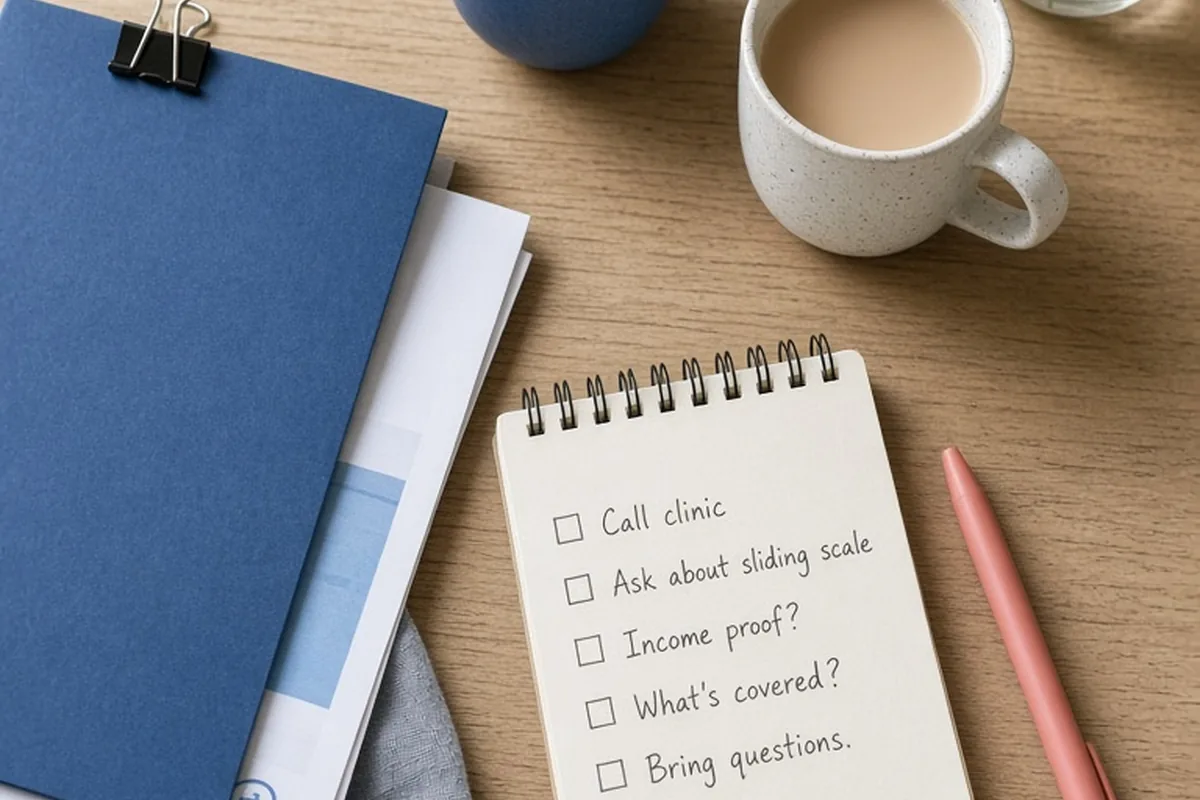
To find affordable women's health clinic care, locate federally qualified community health centers and Title X family planning clinics in your area, which offer sliding-scale fees based on household income. Contact county public health departments, university teaching clinics, and non-profit health providers to ask about self-pay discounts, preventive care grants, and upfront pricing for exams, screenings, and birth control before booking your visit.
Navigating reproductive and preventive health appointments without clear pricing or comprehensive insurance can feel overwhelming, but several established public and non-profit networks provide high-quality medical care at reduced rates.
Locating Federally Qualified Health Centers and Title X Clinics
Federally Qualified Health Centers (FQHCs) and Title X family planning clinics form the backbone of affordable outpatient care in the United States. FQHCs receive federal funding specifically to deliver comprehensive primary care, routine gynecological services, and preventive wellness exams to medically underserved communities. By law, these community health centers must provide care regardless of an individual's ability to pay or their health insurance status. Services at these facilities are billed on a sliding-fee scale, which adjusts the cost of your appointment based on your annual household income and family size relative to federal poverty guidelines.
Title X clinics focus specifically on comprehensive family planning and related preventive health services. These specialized facilities provide access to contraception, basic fertility counseling, breast and cervical cancer screenings, and sexually transmitted infection testing and treatment. If your household income falls at or below designated federal income thresholds, Title X regulations allow you to receive services at no cost or at deeply discounted rates. To find an authorized facility near you, use the online clinic directory maintained by the federal Health Resources and Services Administration (HRSA) or search the national Title X clinic finder on the Office on Women's Health and Department of Health and Human Services platforms.
When contacting a community clinic for the first time, ask directly to speak with an intake coordinator or financial counselor. Clarify whether the facility operates under an FQHC or Title X grant so you understand how your fees will be assessed. Most centers post their baseline fee schedules, but speaking with an enrollment specialist helps you identify which specific documents you will need to establish your sliding-scale tier prior to your clinical evaluation.
Further reading: Office on Women's Health
Navigating Planned Parenthood and Non-Profit Health Providers
Planned Parenthood health centers and independent non-profit reproductive health organizations offer a broad range of outpatient clinical services. These facilities routinely provide annual well-woman exams, cervical cancer screenings, contraception management, emergency contraception, infection diagnosis, and pregnancy-related counseling. Many non-profit clinics participate in state and federal family planning programs, allowing qualifying patients to access routine visits and medications at low or no out-of-pocket cost.
For patients who do not qualify for state subsidy programs or who do not have insurance, most non-profit health organizations offer self-pay discounts or their own internal sliding-scale payment systems. The total cost at these clinics depends on the specific clinical services rendered during the appointment, any laboratory tests ordered, and the medications administered or prescribed on-site. Because pricing structures vary by regional affiliate and facility location, contacting the specific clinic ahead of time provides the clearest picture of anticipated costs.
When scheduling with a non-profit health center, explain whether you plan to self-pay or apply for financial assistance. Ask if they offer a prompt-pay discount for settling the balance on the day of your appointment. Many centers also offer flexible payment plans that divide the cost of larger procedures or specialized screenings across several months without charging high interest, helping you manage unexpected diagnostic expenses without delaying necessary care.
Further reading: Office on Women's Health
Preparing the Right Financial Documentation for Sliding-Scale Fees
Qualifying for reduced-cost clinical care through a sliding-scale fee schedule requires proper documentation of your current financial situation. Clinics establish your payment tier by verifying your income against household size, and presenting complete records at check-in ensures you are charged the correct amount rather than the full uninsured retail rate. Failing to provide acceptable verification often results in the facility defaulting your account to the maximum standard charge until documents are submitted.
Gather your most recent proof of income before your appointment date. Standard accepted paperwork generally includes your two most recent pay stubs, a W-2 form, or your most recent federal tax return. If you are self-employed, an independent contractor, or work in the gig economy, clinics may ask for bank statements showing consistent deposits or a formal profit-and-loss summary. If you are currently unemployed or have zero reportable income, ask the billing department for a zero-income affidavit or letter of support form, which allows you to formally declare your financial status.
In addition to income records, bring a valid photo identification card and proof of local physical residence, such as a recent utility bill, lease agreement, or official piece of mail. Some local funding streams and municipal public health grants are tied specifically to county or city residency requirements. Having these records organized in advance minimizes administrative friction and allows the clinical staff to apply all eligible discounts to your account before any medical services or lab work commence.
Essential Questions to Ask Clinic Billing Offices Before Booking
Medical billing can be complex because a single clinic visit often generates multiple distinct charges. A basic consultation fee covers the clinician's time, but additional procedures, collection swabs, urine screenings, blood tests, and imaging often carry separate fees billed by outside commercial laboratories. Calling the clinic billing department before your visit allows you to establish a transparent estimate of your total financial responsibility.
Begin by asking what is included in the base appointment or office visit fee. Ask specifically whether standard in-office testing—such as a urine pregnancy test, rapid wet mount for infection, or basic vitals assessment—is bundled into the baseline fee or billed as an add-on charge. If your visit involves diagnostic or preventive laboratory work, ask which third-party laboratory company processes their specimens and whether that external lab honors the clinic's internal sliding-scale discounts.
Request the exact billing codes, known as Current Procedural Terminology (CPT) codes, for the services you anticipate needing, such as a preventive gynecological exam, a Pap test, or contraceptive device insertion. With these codes in hand, you can ask the billing manager for the exact cash price for each line item. Inquire whether the clinic offers an all-inclusive package price for uninsured patients, which bundles the clinician evaluation and routine lab processing into a single predictable fee.
Accessing Affordable Contraceptive Care and Family Planning Services
Finding affordable birth control involves balancing initial clinical costs, device or medication expenses, and long-term convenience. Contraceptive options include oral contraceptive pills, transdermal patches, vaginal rings, injectable progestin, intrauterine devices (IUDs), and subdermal arm implants. The most suitable method depends on an individual's personal medical history, daily routines, side-effect considerations, and reproductive goals, making a comprehensive consultation with a healthcare provider an essential first step.
Long-acting reversible contraception methods, such as IUDs and hormonal implants, carry higher upfront insertion costs but provide reliable contraception for several years. Many community health clinics and Title X centers supply these devices at substantial discounts through federal drug pricing programs. Additionally, pharmaceutical manufacturers often operate patient assistance programs that supply free or heavily discounted contraceptive devices directly to qualifying uninsured individuals who complete a short application form with their clinician.
For monthly birth control options like oral pills, patches, or rings, retail costs can fluctuate widely across different pharmacies. Request that your provider prescribe generic bioequivalent formulations whenever available. Utilizing retail prescription discount programs, mail-order pharmacies, or community clinic in-house dispensaries can substantially reduce the recurring monthly expense of birth control medications compared to paying standard retail cash prices.
Further reading: CDC: Contraception and birth control methods
Utilizing County Health Departments and University Teaching Clinics
Local county and municipal public health departments are a vital, often overlooked resource for low-cost preventive and reproductive care. Public health clinics prioritize community wellness and typically offer low-barrier testing and treatment for sexually transmitted infections, human papillomavirus (HPV) vaccinations, basic pregnancy testing, and routine contraceptive counseling. Many county facilities charge only nominal administrative fees or offer services completely free to local residents, especially for communicable disease screening and prevention.
University medical centers, academic teaching hospitals, and nursing schools offer another pathway to high-quality, reduced-cost clinical care. In academic healthcare settings, resident physicians, nurse practitioner candidates, and medical fellows deliver patient care under the direct supervision of experienced attending physicians. Because these institutions emphasize medical training and research, their associated outpatient clinics often offer lower fee schedules, generous financial assistance policies, or dedicated charity care funds for self-pay patients.
To explore academic clinic options, contact the obstetrics and gynecology department of a nearby medical university or regional teaching hospital. Ask if they operate a resident clinic or student-run community health clinic open to the public. These clinics frequently maintain established financial counseling offices that help uninsured patients apply for retroactive state assistance, charity write-offs, or tailored monthly installment arrangements.
Further reading: Office on Women's Health
Evaluating Low-Cost Telehealth Options for Routine Women's Health Needs
Telehealth platforms have expanded access to routine women's health consultations, providing an affordable and convenient alternative for non-emergency conditions that do not require an in-person physical examination. Virtual healthcare services can efficiently handle contraceptive consultations, prescription refills, emergency contraception access, initial menopause symptom discussions, and treatment for uncomplicated urinary tract or yeast infections.
Virtual health platforms often feature transparent, flat-rate pricing models that clearly separate the consultation fee from the cost of prescribed medications. Because telehealth companies eliminate physical facility fees and overhead costs, their cash-pay consultation charges are often comparable to or lower than the self-pay rate of a traditional outpatient clinic visit. When using telehealth, check whether the provider sends your prescription to a local affordable pharmacy or dispenses medication directly via home delivery.
While virtual care is an excellent solution for straightforward consultations and medication management, it cannot fully replace in-person preventive care. Comprehensive physical assessments, such as Pap tests, pelvic exams, clinical breast evaluations, and device placements, require an in-person clinical visit. Using telehealth for routine maintenance alongside periodic visits to a community health center creates a cost-effective healthcare management strategy.
Further reading: CDC: Contraception and birth control methods
Frequently asked questions
Can I get women's health care at a community clinic if I do not have health insurance?
Yes, federally qualified health centers and Title X clinics provide care to all individuals regardless of insurance status. These facilities offer sliding-scale fees based on your income and household size, allowing you to pay reduced rates for exams and screenings.
What documentation do I need to prove my income for sliding-scale clinic discounts?
Most clinics require recent pay stubs, W-2 forms, or your latest tax return to verify household income. If you do not have standard pay stubs or have no income, ask the clinic for a zero-income affidavit form or alternate verification instructions before your visit.
How can I avoid surprise medical bills from laboratory tests ordered during my visit?
Before having blood drawn or cervical swabs collected, ask your clinician which specific lab company will process the samples. Contact that laboratory or the clinic billing office in advance to confirm whether outside lab work is included in the visit fee or billed separately.
What should I do if a clinic quote is higher than my budget allows?
Ask the clinic billing department if they offer prompt-pay discounts, interest-free installment plans, or a charity care application. You can also contact your local county public health department to see if they offer the same service for a lower administrative fee.
Your next step
Locate two federally qualified health centers or Title X clinics in your area using the official HRSA or Office on Women's Health directories, call their billing departments to request their sliding-scale documentation requirements, and gather your proof of income before scheduling your visit.