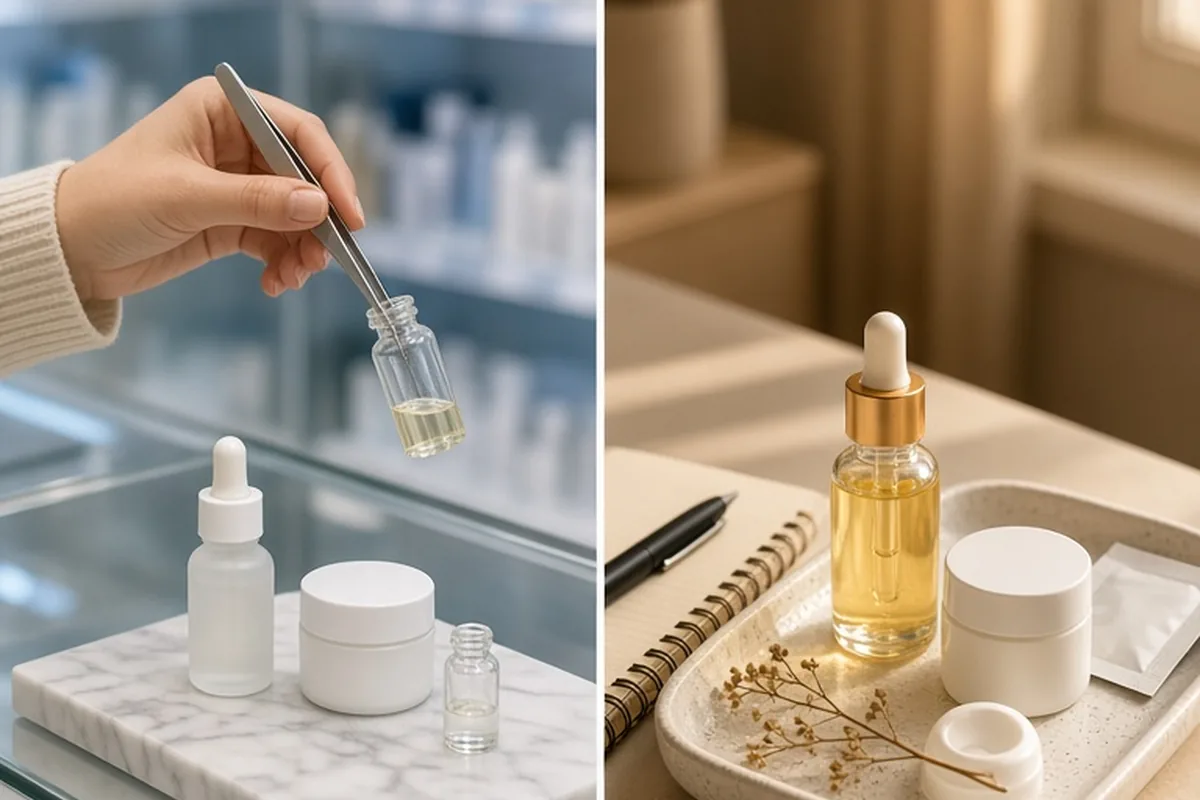
To get free skincare samples, ask sales associates at specialty beauty stores and department store counters for custom decants, select promotional samples at online checkouts, join brand loyalty reward programs, and register with consumer testing panels. Many dermatologist offices also provide sample sizes upon request to help you test tolerance before purchasing full-size products.
Testing skincare products before committing to a full-size purchase helps protect your budget and prevents adverse skin reactions. Navigating the world of beauty samples requires knowing where to look, how to ask, and how to spot legitimate offers from brands.
Requesting Custom Samples at Retail Counters
Brick-and-mortar beauty stores and luxury department store counters remain the most direct way to sample skincare products tailored to your immediate needs. In dedicated beauty retailers like Sephora or Nordstrom, beauty advisors often have sterile, single-use containers designed to dispense a two-to-three-day supply of liquid, cream, or gel products. This approach allows you to evaluate product texture, fragrance, and immediate skin compatibility directly from floor testers before spending any money.
To get the best response from store associates, approach the counter during quieter morning or weekday hours with a specific concern rather than asking generally for whatever is free. For instance, explaining that you have sensitive skin and want to test how a specific barrier repair cream or gentle cleanser reacts over forty-eight hours shows genuine interest. Most beauty consultants are happy to sanitize their hands, clean the pump or jar opening, and prepare a small pot for you to take home.
The primary limitation of in-store sampling is that associates cannot hygienically decant certain product formats. Single-use sheet masks, pressed powder products, aerosol sprays, and specific unstable vitamin C serums in dropper bottles are rarely available as custom counter samples. Additionally, counter policies vary by location, and some stores limit customers to two or three sample pots per visit to manage inventory.
Utilizing Online Brand Sampling Programs and Direct Mail Promos
Skincare brands frequently run sampling promotions to introduce new formulations to interested consumers. These offers usually take the form of foil sachet packets or mini deluxe tubes mailed directly to your home after you complete a simple sign-up form on the brand's official website or verified social media campaign. Major skincare companies regularly launch seasonal promotional campaigns where they distribute thousands of free travel-size units to build early consumer awareness.
To capture these opportunities, you can register for newsletters from your favorite skincare brands or follow their official channels where digital sample claim forms are announced. Many heritage pharmacy brands maintain dedicated portal pages where users can request sample kits tailored to specific concerns such as dry skin, eczema prone barriers, or sun protection. Always ensure you are on the brand's authentic domain before entering your mailing information.
A common trade-off with direct mail sampling is the extended delivery window and marketing follow-up. Free mail-in samples typically take four to eight weeks to arrive and are provided in limited quantities, often containing only one or two milliliters of product. You will also receive brand marketing emails, so consider using a secondary email address dedicated solely to beauty offers and promotions to keep your primary inbox organized.
Asking for Clinical Samples from Healthcare Providers
Dermatologist clinics, aesthetician practices, and medical spas frequently receive large volumes of sample products directly from professional skincare lines and pharmaceutical laboratories. These sample closets exist specifically so practitioners can offer patients trial sizes of targeted treatments, including mineral sunscreens, gentle moisturizers, barrier recovery ointments, and mild prescription or over-the-counter acne washes.
During a routine skin check or consultation, mention any product categories you are currently seeking to add or replace in your daily routine. You can ask directly whether the provider has samples of a recommended sunscreen or soothing lotion so you can verify that it does not clog your pores or irritate your eyes before buying a full bottle. Medical providers are typically eager to provide these because it improves treatment adherence and reduces the chance of allergic contact dermatitis.
While clinical samples offer high-quality formulas, they are intended to support an existing medical or aesthetic plan rather than serve as a casual giveaway counter. Requesting samples works best when you already have a scheduled appointment. Expecting a clinic to distribute free products without a consultation or patient relationship is generally inconsistent with office policy.
Maximizing Free Sample Options During Regular Purchases
If you already purchase skincare, cosmetics, or personal care items online, you can strategically maximize the complimentary samples added to your parcel at checkout. Major beauty retailers and independent brand storefronts routinely provide two to five complimentary samples with every order, allowing you to choose from available categories like serums, eye creams, and sun protection before finalizing payment.
To get the highest value from checkout samples, pay attention to promotional codes, seasonal gift-with-purchase tiers, and loyalty anniversary rewards. Brands often offer deluxe miniature bottles—which contain significantly more product than foil packets—when you meet low spending thresholds or enter members-only promotional codes during checkout. Comparing promotional offers between different authorized retailers can help you secure valuable mini products alongside items you were already planning to buy.
The potential pitfall with purchase-tied sampling is the temptation to add unnecessary items to your digital shopping cart simply to unlock a sample tier. A free deluxe sample loses its practical value if you spend extra money on products you do not need. Treat these checkout add-ons as a pleasant bonus for planned purchases rather than an incentive to overspend.
Joining Consumer Product Testing Panels and Review Clubs
Consumer testing agencies and market research networks connect beauty brands with everyday consumers who agree to test skincare products in exchange for thorough, honest feedback. Organizations such as established consumer testing platforms, beauty magazine reader panels, and brand-owned advocacy programs frequently ship full-size products or multi-week sample sets to selected participants at zero financial cost.
Securing spots on testing panels requires completing a detailed demographic and skin profile survey. Brands look for specific skin types, age ranges, and skin concerns when testing a new anti-aging serum or clarifying facial wash. Once accepted into a campaign, you receive the product, follow the designated usage guidelines over a set number of weeks, and complete an online survey evaluating factors like spreadability, absorption, scent, and general skin comfort.
The trade-off for receiving these free products is the time commitment and privacy requirement. Testing panels require detailed feedback, occasional mandatory review postings on retailer sites, and prompt survey completion. Failing to provide feedback within the required timeframe usually disqualifies you from receiving future sample boxes.
Evaluating and Safely Patch Testing Skincare Samples
Receiving a collection of skincare samples is exciting, but applying multiple new formulas simultaneously can overwhelm your skin barrier and make it impossible to identify which product caused an adverse reaction. To get genuine utility from your samples, approach testing methodically by introducing only one new sample at a time into your existing, stable routine.
Begin every sample trial with a patch test by placing a pea-sized amount of product on a discreet area, such as your inner forearm or behind your ear, for twenty-four to forty-eight hours. If no redness, itching, or swelling occurs, apply a small amount along your jawline before using it across your entire face. For foil packets that contain multiple uses, fold the opened corner tightly and secure it with a small paperclip to prevent oxidation and bacterial contamination between applications.
Keep in mind that a standard single-use foil sample cannot demonstrate long-term functional results, such as hyperpigmentation fading or fine line reduction, which typically take several weeks of consistent use. Instead, use your sample to judge immediate cosmetic attributes: how the product layers under sunscreen, whether it leaves a greasy residue, how its fragrance settles, and whether it causes acute stinging or irritation.
Frequently asked questions
Can I get free skincare samples without paying for shipping?
Yes, you can obtain completely free samples by asking sales associates at physical beauty counters or requesting product samples during visits to your dermatologist. Online brand giveaways sometimes include free standard delivery, though some digital sampling clubs may ask you to cover a small shipping charge.
How many sample uses are needed to see if a product works?
A two-to-three-day sample is sufficient to evaluate product scent, texture, absorption, and acute allergic tolerance. However, evaluating structural skincare changes like barrier strengthening or acne reduction generally requires four to eight weeks of continuous application.
How do I avoid scams when searching for free skincare samples online?
Only enter your contact details on verified brand domains, authorized retail websites, or established consumer review platforms. Never provide credit card numbers or agree to recurring subscription terms for an offer marketed as a free sample.
Your next step
Choose one product category you want to try, visit a local beauty counter during off-peak hours, and ask an associate for a small decanted sample to patch test at home.