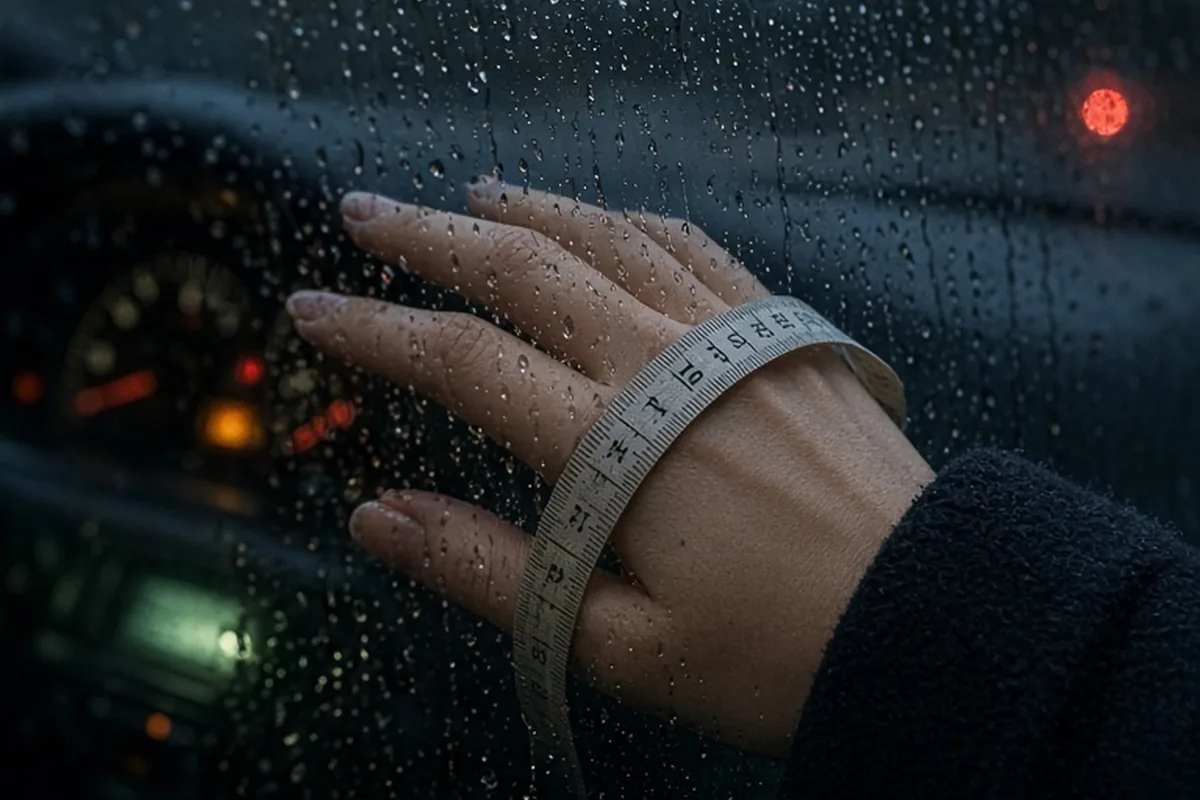
To measure a woman's glove size, wrap a soft tape measure around the widest part of your dominant hand just below the knuckles, excluding the thumb. Note the measurement in inches or centimeters. Then, measure from the tip of your middle finger straight down to the base of your palm. Use the larger of these two measurements to determine your numerical glove size.
Wearing gloves that fit properly ensures both tactile dexterity and thermal comfort, whether you are dressing for cold weather, driving, gardening, or styling a formal outfit. Ill-fitting gloves can restrict blood circulation when too tight or bunch awkwardly and let in freezing air when too loose. By taking two quick, precise hand measurements, you can consistently choose the right size across different brands and materials.
Measuring Hand Circumference Across the Palm
The most critical measurement for women's gloves is the circumference of the palm, which dictates the overall width and volume of the glove. Always measure your dominant hand, as writing, lifting, and everyday use typically make your primary hand slightly wider and more muscular than your non-dominant hand. Open your hand flat with your fingers relaxed and extended naturally, making sure not to clench your fingers together or spread them into a rigid, wide fan.
Take a flexible tailor's tape measure and wrap it around the widest part of your palm, directly across the knuckles where your fingers join your hand. Keep the tape flat against the skin without pulling it so tight that it depresses the soft tissue, and leave your thumb entirely outside the loop. If your palm measures 7 inches around, your baseline numerical glove size is a 7. If you only have a rigid carpenter's tape or a straight ruler, wrap a piece of non-stretching string or ribbon around your knuckles, mark the intersection point with a pen, and lay the string flat against the ruler to read the measurement.
Measuring Hand Length for Finger Fit
While palm circumference determines how comfortably a glove accommodates hand width, length determines whether the finger stalls will pinch at the tips or leave empty, clumsy excess fabric. Many women have relatively narrow palms paired with longer fingers, or wider palms with shorter fingers. Capturing the vertical distance prevents buying a pair that fits around the knuckles but painfully jams the fingertips or sags at the webbing.
To record your length, place your dominant hand flat on a smooth surface with your fingers aligned straight ahead. Measure from the crease at the very base of your palm, where your wrist bends, directly up along the center of your palm to the absolute tip of your middle finger. If your length measurement yields a larger numeric value than your palm width—for instance, a 6.5-inch circumference paired with a 7.25-inch length—it is generally advisable to size up to the larger measurement so your fingers can fully extend without constant tip pressure.
Converting Measurements into Alpha and Numeric Sizing
Women's glove manufacturers generally use two primary sizing conventions: traditional numeric sizing, which corresponds directly to hand circumference in inches, and standardized alpha sizing ranging from extra small to extra large. Fine leather dress gloves, equestrian gear, and high-end driving gloves frequently use numeric increments such as 6.5, 7.0, 7.5, and 8.0, whereas casual winter knitwear, fleece liners, and utility gloves tend to rely on alpha categories.
A circumference or length of 6 to 6.5 inches typically aligns with a standard Small, while 7 to 7.5 inches corresponds to a Medium, and 8 to 8.5 inches matches a Large. When shopping with European brands, measurements are often labeled in French inches or centimeters, where a French inch is slightly larger than a standard imperial inch. In European sizing charts, a 6.5-inch measurement usually translates to roughly 17 to 18 centimeters, while a 7.5-inch measurement corresponds to approximately 19 to 20 centimeters. Always consult the specific manufacturer's conversion table when transitioning between numeric and alpha standards.
Factoring in Glove Materials and Natural Stretch
The material of a glove significantly influences how the measured dimensions translate to real-world fit and everyday wear. Unlined leather, such as soft lambskin or cabretta, behaves like a second skin and will naturally stretch, mold, and relax to the shape of your hand over the first few uses. When purchasing unlined or silk-lined leather gloves, selecting a snug initial fit is usually best, as a loose pair will gradually stretch further and become baggy over time.
In contrast, insulated winter gloves, heavy ski mittens, and waterproof technical shells feature bonded membranes, thermal batting, and thick fleece linings that take up interior volume without stretching. When buying heavily insulated gloves, having less than a quarter-inch of extra space inside compresses the insulation and restricts blood flow, causing hands to feel colder. For thick, multi-layer winter wear or rigid utility materials, adding a half-inch to your measured circumference ensures enough loft to trap warm air without pinching.
Navigating In-Between Sizes and Long Nails
If your measurement falls exactly between standard sizes—such as landing on 7.25 inches when options are strictly 7.0 or 7.5—the decision to size up or down depends on the glove's intended purpose and your hand shape. For precision tasks like driving, photography, or operating touchscreens where tactile control is essential, rounding down in flexible materials provides better dexterity. For everyday warmth, cold-weather commutes, or heavy work gloves, rounding up allows easier on-and-off movement and prevents circulation cutoff.
Nail length and shape also influence practical sizing and should be factored into your vertical length measurement. Acrylic extensions, long gel manicures, or naturally long fingernails effectively add a quarter to a half inch to your middle finger length. Attempting to force long nails into a glove sized strictly by palm width will put structural stress on the seams at the fingertip, leading to premature tearing and painful pressure against the nail bed. If you frequently maintain longer nails, measure to the tip of the nail rather than the fingertip.
Checking Fit and Movement During the First Try-On
Once you receive or try on a new pair of gloves, perform a series of functional movement checks before removing tags or committing to wear them. Put the gloves on by gently working each finger into its respective stall, smoothing the palm upward toward the wrist rather than pulling aggressively on the cuff edges. The seam between the fingers should sit comfortably against the web of your hand without floating above it or cutting painfully into the tissue.
Next, bend your fingers into a loose fist and mimic gripping a steering wheel or holding a phone. If the glove tightens so severely across the knuckles that your fingers are forced open or you feel sharp tension pulling from the wrist, the width is too small. Similarly, check that your fingertips have roughly a few millimeters of clearance at the ends when your hand is open, ensuring you can pinch small items together without the glove fabric twisting or slipping.
Frequently asked questions
Which hand should I measure for women's glove sizing?
Always measure your dominant hand, as the hand you write and work with is almost always slightly larger across the palm and knuckles. Sizing for your dominant hand ensures that the gloves will fit both hands comfortably without constricting your primary hand during daily activities.
How should winter gloves fit compared to leather dress gloves?
Leather dress gloves should fit snugly at first because unlined leather stretches and molds to your hand contours over time. Insulated winter gloves require a slightly roomier fit so that internal thermal layers can trap warm air without compressing and restricting blood circulation.
What should I do if my hand circumference and length indicate different sizes?
When your circumference and length measurements fall into different size brackets, prioritize the larger measurement. Choosing the larger size ensures that finger stalls do not pull taut against your fingertips or strain the seam webbing during movement.
Your next step
Grab a flexible tape measure to record your dominant hand's knuckle circumference and palm length, then compare the larger number directly to the brand's sizing chart before purchasing.