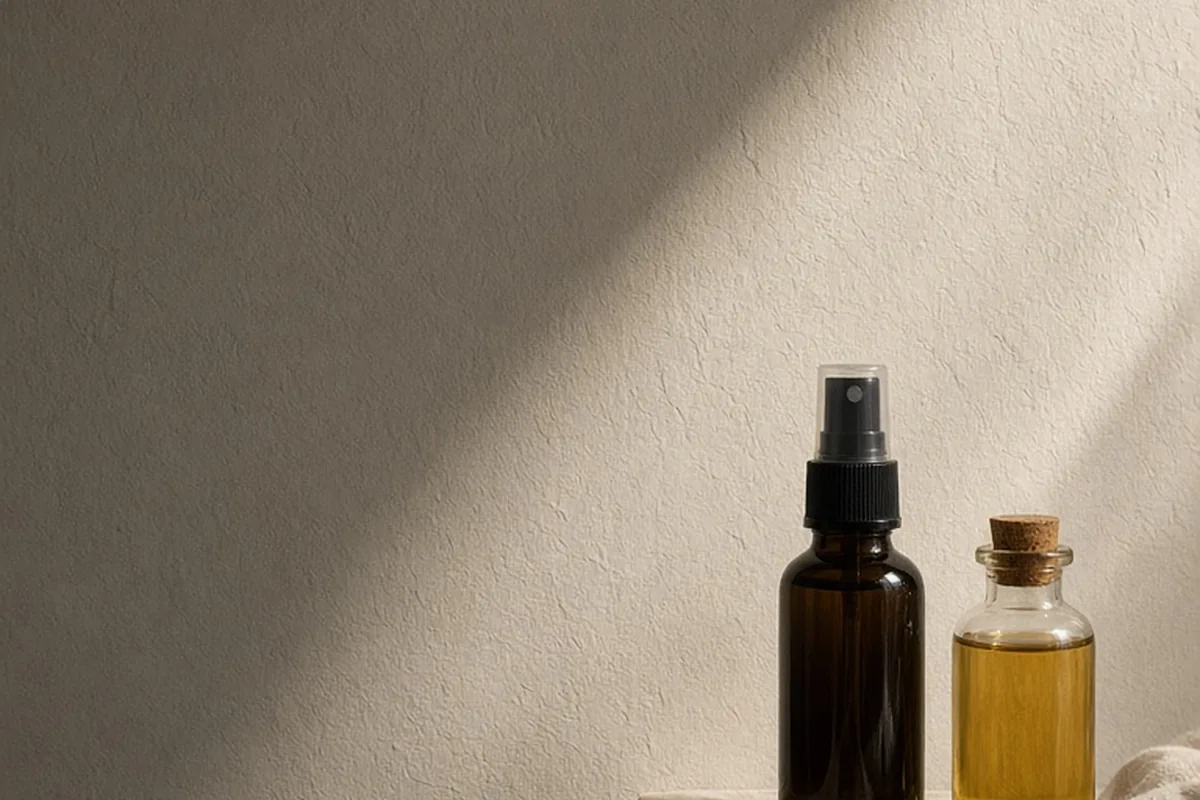
To moisturize locs effectively, spray them lightly with plain distilled water or a water-based herbal mist, then seal the hydration into the hair shaft with a few drops of lightweight oil like jojoba, sweet almond, or grapeseed oil. Focus on consistency rather than heavy saturation, misting two to three times a week or daily depending on your environment, while avoiding thick waxes, heavy butters, and silicone creams that create internal buildup.
Locs naturally thrive when they retain internal elasticity, yet the dense, woven structure of locked hair makes them uniquely vulnerable to both chronic dryness and product accumulation. Establishing a balanced moisture routine keeps the internal fibers supple, reduces surface friction, and supports long-term structural integrity across every stage of growth.
Understanding the Difference Between Moisture and Oil
A common misconception in loc care is treating oils and plant butters as direct sources of moisture. In reality, true hydration comes exclusively from water. The internal cortex of the hair fiber requires water molecules to maintain flexibility, softness, and resilience against mechanical stress. When locs lack water, the individual strands become brittle, leading to snapping during styling, thinning along the shaft, and a rough, dull surface texture.
Oils serve an entirely different but complementary purpose: they are occlusive or semi-occlusive sealants. When applied to dry locs without a water foundation, oil forms an impenetrable film over the surface that repels ambient moisture, inadvertently locking dryness in rather than keeping it out. Conversely, applying a light oil immediately after misting locs with water creates a protective lipid barrier that dramatically slows down evaporation, helping your hair retain internal moisture over several days.
Building a Reliable Hydration Routine Step by Step
A practical loc moisturizing routine relies on moderate, regular application rather than occasional, heavy saturation. Begin by assessing the baseline dryness of your hair. For most loc wearers, misting the hair two to four times per week provides adequate hydration without introducing excess dampness that could stall drying or encourage sour odors.
To apply moisture correctly, follow a straightforward three-step process:
Be careful not to drench the locs to their core during daily or mid-week routines. Surface misting should leave the outer layers noticeably damp and refreshed, but the center of mature locs should remain relatively dry to ensure the hair dries completely within an hour or two. Trapping water inside dense locs for prolonged periods without adequate airflow can create mustiness or weaken the internal matrix.
- Mist evenly from roots to ends using a continuous spray bottle filled with distilled water or a water-based hydrosol.
- Gently squeeze and palm-press the locs so the liquid absorbs into the woven fibers rather than sitting on the surface.
- Warm three to six drops of a lightweight carrier oil between your palms and smooth it down the length of your locs to lock in the water.
Choosing the Best Water Bases and Botanical Hydrosols
The type of water you use directly influences the cleanliness and softness of your locs. Tap water with high mineral content, commonly known as hard water, leaves calcium and magnesium deposits inside the internal mesh of the hair. Over time, these mineral salts cause locs to feel stiff, scratchy, and perpetually dry. Using distilled water or filtered water eliminates mineral buildup and allows the hair cuticles to absorb clean moisture freely.
You can elevate plain distilled water by blending it with gentle botanical ingredients that offer mild conditioning properties. Pure rosewater is an excellent base because it possesses a slightly acidic pH that smooths the outer cuticle layers while providing a subtle, clean scent. Pure aloe vera juice or gel diluted in water offers humectant properties, drawing ambient moisture toward the hair shaft. However, always ensure your botanical mixtures are strained and free of pulp or insoluble particles, as tiny plant fibers can become permanently lodged inside mature locs.
Selecting Lightweight Oils That Will Not Cause Buildup
Because locs cannot be brushed or combed to remove product residue, every oil applied must either absorb efficiently or wash out cleanly with a clarifying shampoo. Heavy animal fats, petrolatum, mineral oil, beeswax, and thick unrefined shea butter should generally be avoided. While these ingredients provide temporary shine, they solidify inside the dense loc core, attract lint and environmental dust, and eventually turn into a stubborn, grayish residue that is difficult to extract.
Instead, choose lightweight, non-comedogenic carrier oils that mimic the scalp's natural sebum. Jojoba oil is chemically similar to human sebum, making it ideal for both the scalp and the hair shaft. Grapeseed oil and sweet almond oil are exceptionally light, offering slip and lubrication without leaving a greasy sheen. For individuals whose hair needs deeper nourishment, argan oil and avocado oil provide beneficial fatty acids while remaining fluid enough to avoid gummy accumulation within the loc interior.
Using Steam and Warm Rinses for Deeper Hydration
When locs experience deep internal dehydration from dry indoor heating, sun exposure, or swimming, a light surface spray may not penetrate deeply enough. In these situations, gentle indirect steam is one of the most effective methods to hydrate the hair matrix without leaving heavy product residue behind. Warm vapor temporarily lifts the hair cuticles and softens compacted fibers, allowing water molecules to travel into the center of the loc.
You can introduce steam into your routine by sitting near a handheld facial steamer, using a hooded hair steamer, or simply wrapping your hair in a warm, damp towel while taking a hot shower. Keep steaming sessions between ten and twenty minutes. Follow the steam immediately with a modest application of sealing oil while the hair is warm and pliable. Always allow your locs to air-dry fully in an open, well-ventilated space before tying them up, covering them, or going to sleep.
Protecting Moisture with Smart Nighttime and Fabric Choices
Even the most diligent moisturizing routine will struggle if your environment continuously pulls water out of your hair. Standard cotton pillowcases, wool collars, and synthetic headrests act like sponges, absorbing natural sebum and topical moisture directly from your locs through overnight contact. Furthermore, rough fabrics create friction that frays surface hairs, causing frizz, lint transfer, and premature thinning.
To preserve hydration overnight, cover your locs with a satin bonnet, a silk scarf, or a specialized open-ended loc sock. If you prefer to sleep without headwear, switching to a high-grade satin or silk pillowcase provides a frictionless surface that allows your hair to retain its lipid layer. During colder months, consider lining wool winter hats and scarves with satin fabric to prevent friction-induced dryness and static along your hairline and nape.
Adapting Moisture Needs by Loc Stage and Season
Your hydration strategy must adapt as your locs progress through different developmental phases. Starter locs and baby locs require careful moderation; excessive water can cause starter coils or two-strand twists to unravel before the locking process establishes itself. During this early phase, use a very fine, gentle mist no more than twice a week, focusing primarily on keeping the scalp comfortable without disturbing the budding formations.
As locs reach maturity, their thickness and density increase, requiring more intentional application techniques to ensure hydration reaches the middle of the shaft. Seasonal shifts also dictate changes in your routine. During hot, humid summers, you may only need distilled water and a few drops of grapeseed oil once a week. In contrast, dry winter weather and artificial indoor heating often require every-other-day hydration mists and slightly richer sealing oils to guard against brittleness.
Frequently asked questions
Can I use regular leave-in conditioner cream on my locs?
Creamy leave-in conditioners should generally be avoided on locs because their thick emulsifiers and silicones accumulate inside the hair core. Instead, choose clear, liquid leave-in sprays formulated specifically for locs, or make your own spray with distilled water, rosewater, and a few drops of essential oil.
How often should I moisturize my locs to avoid mold or mildew?
Misting your locs two to three times a week is sufficient for most climates, provided you lightly spray the exterior rather than soaking the hair to the core. Always ensure your locs dry completely within a couple of hours, and avoid going to bed or tying your hair up while it is damp.
What is the best way to moisturize an itchy, dry scalp with locs?
Address a dry scalp by parting your locs and applying a light water-based mist directly to the skin, followed by a few drops of jojoba or tea tree-infused carrier oil. Massaging the scalp for two minutes stimulates natural circulation and helps distribute the oil evenly without clogging hair follicles.
Why do my locs feel crunchy even after applying oil?
Locs feel crunchy when oil is applied to dry hair without water, as the oil coats the dry fiber and blocks atmospheric moisture from entering. To fix this, thoroughly wash away old buildup with a clarifying shampoo, apply a light water mist to damp hair, and then seal with a minimal amount of lightweight oil.
Your next step
Fill a continuous mist spray bottle with pure distilled water and rosewater, test a light spritz on your locs tomorrow morning, and seal the damp strands with three drops of jojoba oil to establish a consistent, buildup-free hydration habit.