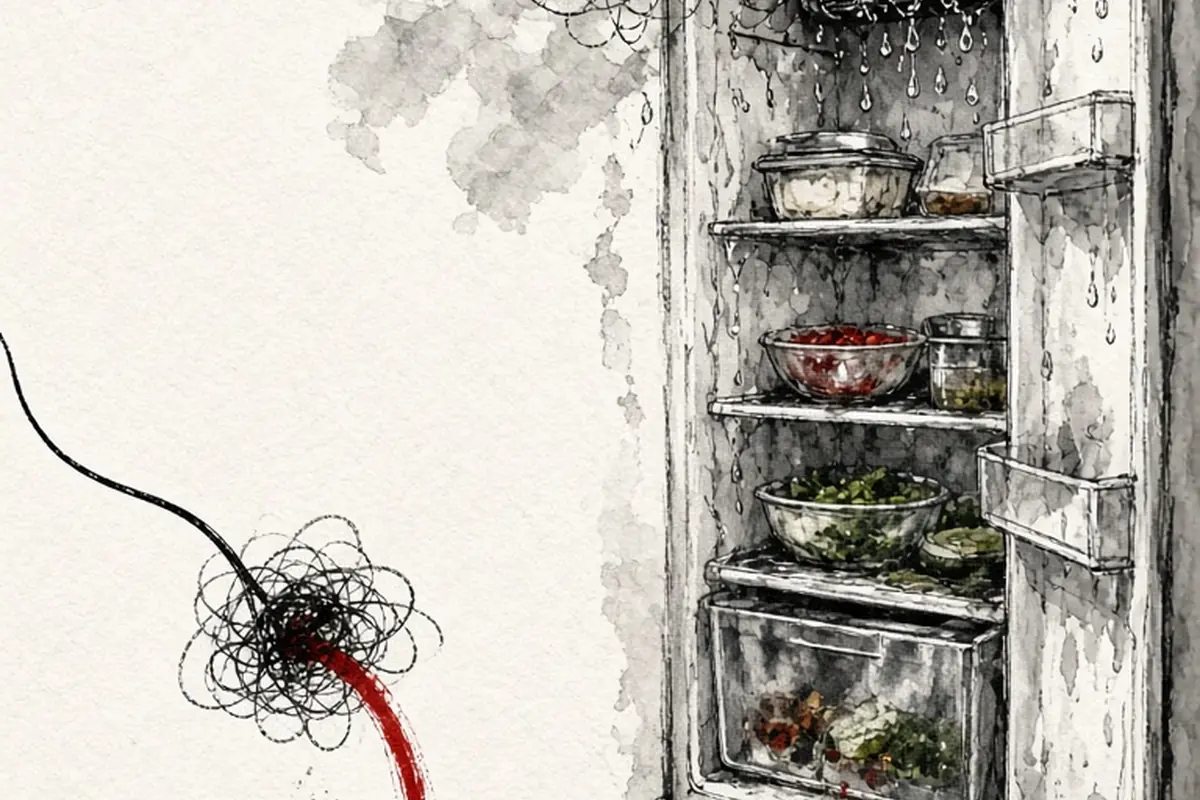
To reduce moisture in your fridge, keep the temperature set between thirty-seven and forty degrees Fahrenheit, seal all stored food in airtight containers, and inspect the door gasket for air leaks. Let warm leftovers cool completely before refrigerating them, clear the drain hole at the back, and place a small open container of baking soda on a shelf to absorb lingering ambient humidity.
Excess condensation inside a refrigerator can cause produce to spoil quickly, promote mildew growth, and leave unpleasant puddles on your shelves. Managing this dampness requires identifying how warm air enters the unit and ensuring interior airflow circulates properly to maintain balanced humidity levels.
Calibrate Temperature Settings and Ensure Unblocked Airflow
A primary cause of excessive moisture inside a refrigerator is an improper internal temperature setting. If the appliance runs too warm, the air inside holds significantly more water vapor, which condenses into droplets as it contacts cold internal walls. Conversely, if the temperature is set too cold, the cooling system cycles excessively, creating frost buildup that melts into water during automatic defrost cycles. For optimal operation, set the refrigerator compartment between thirty-seven and forty degrees Fahrenheit (three to four degrees Celsius).
Consistent airflow is essential for the appliance to distribute cold air evenly and draw moisture toward the evaporator coils. Modern refrigerators rely on internal vents located along the back and side walls to circulate dry, cooled air. Stacking large containers, bulk beverage cartons, or shopping bags directly against these vents creates cold and warm pockets within the compartment. Moisture naturally condenses in those warmer, stagnant zones.
To improve circulation, leave at least one to two inches of clearance around all interior vents and avoid pressing items firmly against the rear wall. Place an independent appliance thermometer on the middle shelf to verify that the internal temperature matches your control dial setting. Keep in mind that after adjusting the temperature control, the refrigerator may take up to twenty-four hours to stabilize and show a noticeable reduction in moisture.
Inspect, Clean, and Reseal the Door Gaskets
The flexible rubber seal lining the perimeter of your refrigerator door, known as the gasket, creates an airtight barrier that keeps warm room air out and cold air in. When this seal becomes dirty, warped, or cracked, warm and humid ambient air continuously leaks into the chilled cavity. As this humid air meets the cold interior surfaces, water droplets form across the ceiling, shelves, and door bins.
Over time, food spills, crumbs, and sticky residues accumulate in the folds of the gasket, preventing it from resting flush against the metal frame. You can test your door seal using a simple paper test: insert a standard dollar bill or slip of paper halfway into the door, close it firmly, and pull gently. If the paper slides out easily without resistance, the magnetic grip is weak or the seal is obstructed. Clean the gasket thoroughly using warm water, mild dish soap, and a soft cloth, making sure to wipe inside every groove.
If cleaning does not restore a firm seal, check whether the rubber has hardened or torn. Minor warping can sometimes be corrected by gently warming the stiff section with a hairdryer on low heat while smoothing it into place with your fingers. However, brittle or cracked gaskets will need complete replacement to stop warm air infiltration permanently.
Cool Leftovers and Store Food in Sealed Containers
Placing warm or uncovered food directly into a cold refrigerator is one of the most common sources of interior humidity. Hot food releases steam into the enclosed space, where it rapidly condenses onto cooler walls and shelves. Uncovered liquids, uncovered bowls of soup, and exposed cut produce continuously evaporate water into the air, steadily increasing the overall humidity level.
To prevent steam buildup, let cooked dishes cool on the counter before placing them in the refrigerator. Divide large batches of stew, soup, or casseroles into smaller, shallow containers to speed up cooling safely. Once food reaches room temperature, secure it with an airtight lid, silicone cover, or sealed wrap before storing it on a shelf.
While cooling food before refrigeration is critical for moisture control, you must balance this with food safety practices. Perishable cooked dishes should not remain at room temperature for longer than two hours. If you need to chill food quickly without releasing steam into the main compartment, place the sealed container into an ice bath for ten to fifteen minutes before transferring it to the fridge.
Manage Crisper Drawer Humidity Controls Properly
Crisper drawers are engineered to manage humidity specifically for produce, but incorrect slider settings often lead to unwanted water accumulation. Most modern crisper drawers feature adjustable vents that control the flow of air. When the vent is fully closed, moisture stays trapped inside; when the vent is open, moist air escapes into the main cabin.
Configure your drawers based on the specific items you store. Use the high-humidity setting (vent closed) for thin-skinned vegetables, leafy greens, and fresh herbs that are prone to wilting. Use the low-humidity setting (vent open) for ethylene-gas-producing fruits such as apples, pears, and stone fruits, as well as produce that rots quickly in damp environments. Allowing moisture to escape from fruit drawers prevents condensation from settling on skins and triggering mold.
Avoid overpacking the drawers, as tightly crammed vegetables block the ventilation channels and trap pockets of standing water beneath produce. To keep the drawer floor dry, line the bottom with a clean kitchen towel or a sheet of parchment paper, replacing it whenever it feels damp to the touch.
Clear the Defrost Drain and Clean Condenser Coils
During normal operation, frost collected on the cooling coils melts during automatic defrost cycles and drains away through a small internal channel. This condensation flows down a drain hole located at the back of the refrigerator compartment and collects in an evaporator pan underneath the unit, where heat dissipates it into the room. If this drain becomes clogged with food particles, dust, or ice, the runoff has nowhere to go and pools at the bottom of the fridge or under crisper drawers.
Locate the drain hole along the rear interior wall, usually near the bottom or behind the lower produce bins. If you see standing water or ice around the hole, clear it by flushing the opening with warm water using a turkey baster. For stubborn clogs, gently thread a flexible plastic drain pipe cleaner or a length of flexible tubing through the hole to dislodge debris, followed by a mild mixture of warm water and baking soda to prevent mold growth.
Additionally, check the exterior condenser coils, which are typically found beneath or on the back of the appliance. When these coils become coated in thick dust and pet hair, the refrigerator cannot release heat efficiently, forcing the compressor to run longer and disrupting normal defrost cycles. Gently vacuum and brush the coils every six months to maintain proper operating temperatures.
Deploy Safe Natural Moisture Absorbers and Liners
Even with proper seals and maintenance, opening the door introduces small amounts of ambient humidity. You can manage this baseline dampness by using food-safe desiccant materials placed strategically on interior shelves. These materials passively draw water vapor out of the air before it settles on glass shelves or food packaging.
An open box or small shallow bowl of plain baking soda is an effective, inexpensive moisture absorber that also neutralizes strong food odors. Activated charcoal packets designed for refrigerator use offer another safe option for trapping ambient dampness. For specific high-moisture problem areas, such as the bottom produce bin, adding a small container of dry uncooked white rice can absorb localized humidity.
Keep in mind that passive absorbers are meant for light, everyday moisture and will not solve severe water leaks caused by blocked drains or broken gaskets. Check natural desiccants monthly and replace them when they become caked, damp, or clumped, as saturated materials lose their ability to pull moisture from the air.
Adopt Door Habits That Limit Warm Air Infiltration
Every time the refrigerator door opens, a significant volume of cold, dry air spills out onto the floor, replaced immediately by warm, moisture-laden room air. In hot or humid climates, frequent door openings introduce substantial moisture that quickly coats cold shelves in a fine mist. Reducing the frequency and duration of door openings is one of the easiest ways to maintain a dry interior.
Organize your refrigerator so that everyday items are easily visible and accessible. Group similar ingredients together—such as condiments on door shelves, dairy on a specific middle shelf, and prepared snacks in a designated bin—so household members do not leave the door standing wide open while searching for food. Labeling containers or using clear storage bins speeds up retrieval significantly.
Pay attention to overall refrigerator capacity as well. An empty refrigerator contains a large volume of air that is completely replaced every time the door opens, leading to higher condensation. Conversely, a completely packed unit restricts airflow. Aim to keep your refrigerator roughly two-thirds to three-quarters full, which provides enough thermal mass to stabilize internal temperatures while allowing dry air to circulate freely.
Frequently asked questions
Why is there water pooling under my crisper drawers?
Water pooling beneath crisper drawers is almost always caused by a blocked defrost drain hole at the back of the refrigerator. When this drain clogs with food debris or ice, defrost runoff cannot exit the unit and flows to the lowest point of the compartment.
Is it normal to see small water droplets on the back wall of the fridge?
Light condensation on the rear wall is common in many modern refrigerators with cold-plate cooling systems, where moisture condenses on the cold surface and runs down into the defrost drain. However, large water drops running down the side walls, pooling on shelves, or dripping from the ceiling indicate excess humidity or airflow issues.
How long does it take for condensation to clear after making adjustments?
After cleaning gaskets, adjusting temperature controls, or clearing a drain, allow twelve to twenty-four hours for humidity levels to normalize. Wiping down damp surfaces with a dry microfiber cloth immediately after fixing the issue will help the cooling system maintain dryness much faster.
Can overpacking a refrigerator cause moisture problems?
Yes, filling a refrigerator too full blocks the internal vents that circulate cold, dry air throughout the cavity. This creates stagnant, warmer air pockets where humidity collects on food containers and interior walls.
Your next step
Inspect your door seals with the paper test today and check that all rear cooling vents have at least two inches of clear space.