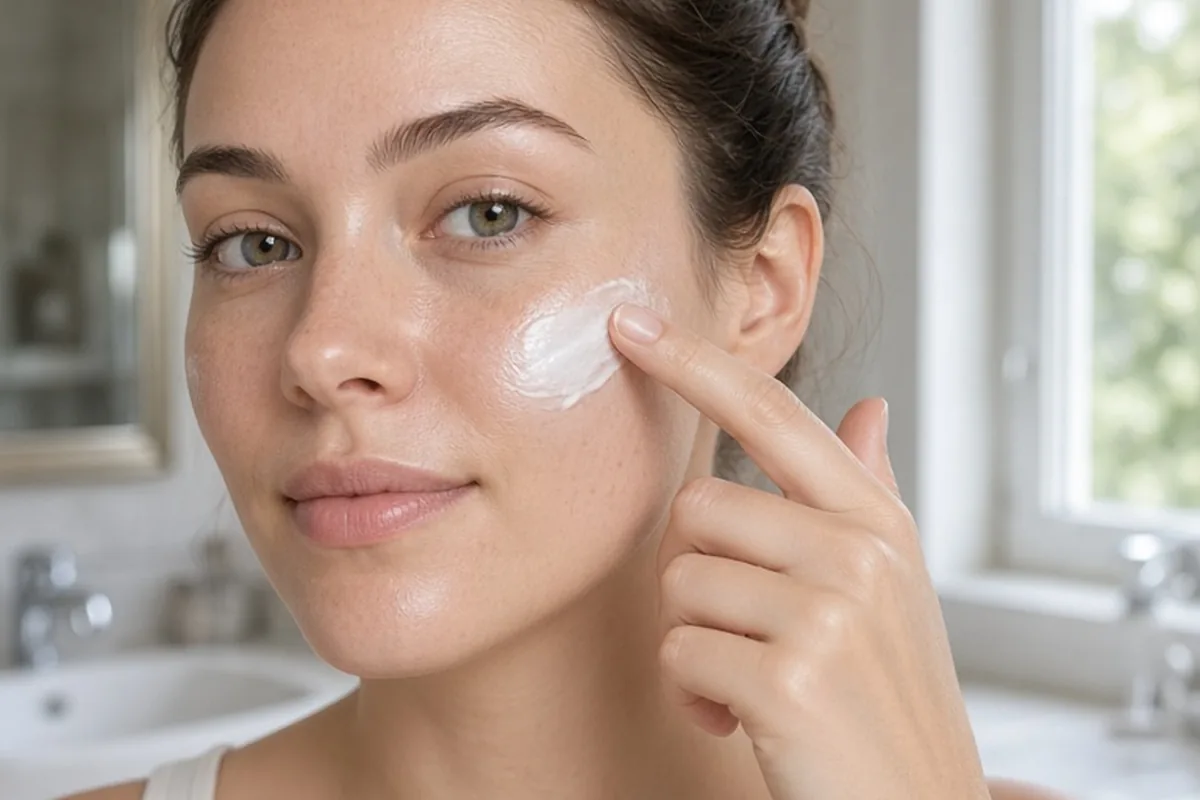
To repair over-exfoliated skin, immediately stop using all physical scrubs, chemical acids, and retinoids. Switch to a bare-bones routine consisting of a gentle, non-foaming cleanser, a fragrance-free barrier cream rich in ceramides, and daily mineral sunscreen. Keep the skin hydrated with lukewarm water and avoid picking or rubbing. Most skin barriers begin to recover within two to four weeks of consistent, gentle care.
Exfoliation is frequently recommended for brightening dull complexions and smoothing rough texture, but it is easy to overdo when incorporating multiple potent products. When the protective outer layer of the skin is stripped away faster than it can regenerate, the result is chronic redness, stinging, unexpected tightness, and heightened reactivity to everyday skincare essentials.
Recognizing the Signs of a Compromised Skin Barrier
The outermost layer of your skin, known as the stratum corneum, functions much like a brick wall. The skin cells act as the bricks, while natural lipids such as ceramides, cholesterol, and fatty acids serve as the mortar that holds everything together. When you over-exfoliate, whether through harsh physical scrubs, daily chemical acids, or high-strength retinoids, you dissolve this vital lipid mortar. Without its protective seal, your skin loses moisture rapidly through transepidermal water loss and becomes vulnerable to external irritants, microbes, and pollutants.
Identifying over-exfoliation early makes the recovery process significantly easier. Common early indicators include an unnatural, plastic-like shine on the forehead and cheeks that occurs even when the skin is completely dry, rather than a healthy hydration glow. You might also notice that products that were previously soothing, such as basic lotions or plain water, suddenly cause an uncomfortable prickling or burning sensation upon application. In many cases, the barrier damage triggers secondary breakouts because the weakened surface can no longer defend against ordinary skin bacteria or regulate oil production properly.
Immediate Steps to Halt Ongoing Surface Damage
The first and most crucial step in rehabilitating damaged skin is implementing an immediate active product freeze. This means temporarily setting aside all alpha hydroxy acids such as glycolic and lactic acid, beta hydroxy acids like salicylic acid, polyhydroxy acids, enzyme peels, and physical cleansing brushes or scrubs. You should also pause your use of pure L-ascorbic acid vitamin C serums, benzoyl peroxide, and retinoids, including over-the-counter retinol and prescription tretinoin, because these substances demand cellular turnover that your sensitized skin cannot currently handle.
Pausing active treatments can feel counterintuitive, especially if you are currently experiencing a flare-up of tiny bumps or texture caused by the compromised barrier. However, continuing to apply exfoliating or acne-fighting formulas to a broken surface creates a persistent cycle of inflammation that worsens breakouts and extends healing time. Your primary focus during this initial phase must shift entirely from treating cosmetic concerns like pigmentation or clogged pores to restoring basic epidermal integrity.
Building a Minimalist Barrier Recovery Routine
During the healing phase, your daily skincare regimen should be stripped down to three functional steps: gentle cleansing, intensive barrier replenishment, and non-irritating sun defense. In the morning, you can often skip facial cleanser entirely and simply rinse your face with lukewarm water, as this preserves the delicate natural oils your skin managed to produce overnight. If you feel the need to cleanse, choose a non-foaming, creamy, or lotion-based cleanser that does not leave your skin feeling squeaky clean, taut, or parched.
For your evening routine, use your gentle cleanser to remove daily grime, followed immediately by a rich, fragrance-free moisturizer applied to slightly damp skin to trap existing hydration. When drying your face, gently press a clean, soft cotton towel against your skin rather than dragging or rubbing the fabric across delicate areas. Minimizing mechanical friction is just as critical as eliminating harsh chemical ingredients during this sensitive recovery window.
Ingredients That Support Skin Barrier Repair
To effectively rebuild the stratum corneum, look for moisturizers formulated with physiological lipids. Products containing ceramides, cholesterol, and free fatty acids mimic the natural composition of healthy skin and help patch the gaps in the lipid barrier. Soothing humectants and anti-inflammatory ingredients like panthenol (provitamin B5), colloidal oatmeal, allantoin, and centella asiatica can also calm persistent burning, reduce surface redness, and relieve the itchy sensation that often accompanies dehydration.
Layering hydration properly requires balancing humectants with occlusives. Humectants like glycerin and hyaluronic acid draw water into the upper layers of the skin, but without an occlusive shield, that moisture quickly evaporates into the air and leaves the skin even drier. Look for rich creams formulated with squalane, shea butter, or pure petrolatum to lock hydration in place. If your skin is extremely irritated, applying a very thin layer of a petrolatum-based healing ointment over your moisturizer at night can create a protective barrier that shields raw skin from air exposure and friction while you sleep.
Daily Lifestyle Adjustments to Speed Up Healing
Skincare products work best when supported by everyday habits that protect sensitized skin from environmental stress. Hot water is one of the most common hidden culprits behind chronic barrier distress, as it dissolves natural skin lipids much like hot water cuts through grease on dishes. Keep shower water lukewarm and avoid letting the high-pressure stream hit your face directly. If you live in an arid climate or use indoor heating or air conditioning, running a cool-mist humidifier in your bedroom can prevent ambient air from pulling moisture from your face overnight.
Sun protection remains essential during recovery, but chemical sunscreen filters can sometimes trigger stinging on compromised skin. If your regular sunscreen causes discomfort, switch temporarily to an all-mineral formula based on zinc oxide. Zinc oxide is generally well tolerated by reactive skin and provides mild calming properties while shielding fragile tissue from ultraviolet damage, which can otherwise trigger post-inflammatory hyperpigmentation on already inflamed skin.
How to Safely Reintroduce Exfoliants and Actives
Patience is vital when deciding to resume active skincare ingredients. A typical skin cell turnover cycle takes roughly twenty-eight days, meaning your barrier requires at least three to four weeks of calm, symptom-free maintenance before it can tolerate stronger formulations again. Wait until your skin can handle your basic cleanser, moisturizer, and sunscreen with zero tingling, burning, or redness for two full consecutive weeks before attempting to reintroduce any active product.
When you are ready to resume, choose only one active product at a time rather than bringing your entire previous routine back at once. Begin by applying it just once per week at night, ideally layered over a light layer of moisturizer to buffer its intensity and slow its penetration rate. Monitor your skin closely for forty-eight hours after each application; if no sensitivity, roughness, or burning appears, you can gradually increase frequency to twice weekly over the course of a month, keeping all other exfoliation steps minimal.
When to Consult a Dermatologist
While most instances of mild to moderate over-exfoliation resolve with a streamlined routine and gentle barrier care, severe barrier damage occasionally requires clinical evaluation. If you develop persistent oozing, yellow crusting, significant swelling, or spreading warmth, these may be symptoms of a secondary bacterial or fungal infection that requires prescription medical treatment rather than over-the-counter moisturizers.
You should also seek guidance from a board-certified dermatologist if your skin shows no improvement after three to four weeks of consistent, basic barrier care, or if intense stinging and redness persist despite using bland formulas. A dermatologist can help rule out underlying skin conditions that mimic over-exfoliation, such as contact dermatitis, rosacea flare-ups, or perioral dermatitis, and prescribe targeted topical anti-inflammatory treatments to safely calm your skin.
Frequently asked questions
How long does it typically take to heal over-exfoliated skin?
Mild over-exfoliation usually improves within two to three weeks of adopting a gentle, non-active routine. More severe barrier damage can take anywhere from four to eight weeks to fully normalize, depending on your age, skin type, and how long the aggressive exfoliation lasted.
Can over-exfoliating make acne and breakouts worse?
Yes, over-exfoliating strips the skin's natural antimicrobial defenses and causes widespread micro-inflammation. This compromised environment allows bacteria to flourish more easily and can prompt your skin to overproduce oil in an attempt to compensate for dehydration, resulting in increased breakouts.
What should I do if every moisturizer burns my skin?
If standard lotions sting, your barrier is significantly raw and reacting to emulsifiers, preservatives, or botanical extracts. In this scenario, rinse only with plain lukewarm water and apply pure petrolatum or a minimalist medical-grade ointment containing minimal ingredients until the raw sensation subsides.
Is it safe to use hyaluronic acid on over-exfoliated skin?
Hyaluronic acid is generally safe and beneficial, provided it is applied to damp skin and sealed immediately with a rich, occlusive moisturizer. Applying hyaluronic acid to dry skin in low-humidity environments without an occlusive layer can pull moisture out of the deeper skin layers and worsen irritation.
Your next step
Take a complete break from all scrubs, acids, and retinoids starting today, and commit to a simple three-step routine of lukewarm water, a ceramide-based barrier cream, and daily mineral sunscreen for the next four weeks.