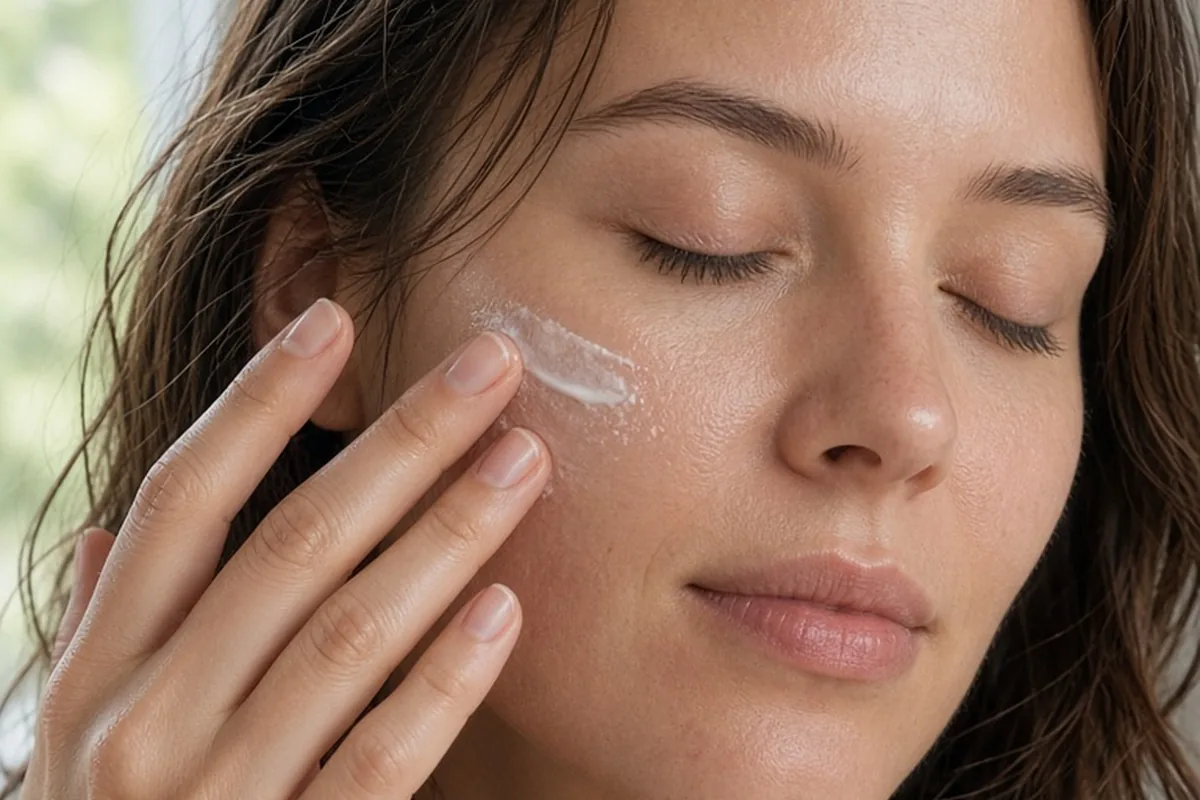
To repair your skin barrier, pause all active exfoliants, retinoids, and harsh cleansers immediately. Switch to a minimal routine consisting of a gentle, non-stripping cleanser, a fragrance-free moisturizer rich in ceramides and fatty acids, and a broad-spectrum sunscreen. Apply hydrators to damp skin, seal in moisture with a barrier cream, and allow two to four weeks for cellular recovery.
Your skin barrier serves as the primary protective shield between your body and the external environment, keeping vital moisture inside while blocking irritants, allergens, and pathogens. When this outermost layer becomes compromised through harsh products, environmental stressors, or over-cleansing, the skin often responds with stinging, dryness, and persistent irritation. Restoring its natural resilience requires a deliberate shift toward gentle care, essential lipid replenishment, and product simplification.
Recognizing the Common Signs of a Damaged Skin Barrier
The outermost layer of your skin, known as the stratum corneum, operates much like a brick wall where skin cells are the bricks and intercellular lipids act as the mortar. When this lipid matrix breaks down, water evaporates rapidly from the deeper layers in a process called trans-epidermal water loss. At the same time, everyday environmental elements penetrate deeper than they normally would, triggering a cascade of irritation.
Common indicators of barrier impairment include a persistent stinging or burning sensation when applying gentle moisturizers, heightened redness, flaking, and an uncomfortable tightness after washing. Many people also experience sudden rough texture, dullness, or unexpected breakouts that do not respond to typical acne treatments. Identifying these cues early prevents further damage and signals that your routine requires an immediate reduction in intensity.
It is helpful to distinguish between naturally dry skin and a damaged barrier. Dry skin is a genetic skin type characterized by low sebum production across the entire face, whereas barrier damage is an acute condition that can affect any skin type, including oily or combination skin. Recognizing this distinction helps you avoid treating the issue with inappropriate heavy oils if your skin simply needs gentle hydration and calming agents.
Pausing Active Ingredients and Harsh Exfoliants
The most critical initial step in barrier recovery is temporarily eliminating all potent active ingredients. Chemical exfoliants such as glycolic, lactic, and salicylic acids work by dissolving the bonds between surface skin cells, which can rapidly erode an already fragile stratum corneum. Similarly, retinoids, direct acids, high-strength vitamin C serums, and physical scrubs must be set aside to allow the surface layers to regenerate naturally.
Continuing to use active treatments while your skin is sensitized prolongs inflammation and delays cellular healing. Even products designed to treat blemishes can exacerbate redness and provoke reactive peeling when the lipid barrier is depleted. By paring your daily regimen down to the essentials, you remove chemical friction and give the skin time to rebuild its defense mechanisms without interference.
A practical compromise during this period is to focus entirely on comforting hydration rather than addressing fine lines, hyperpigmentation, or stubborn blackheads. Setting these secondary goals aside for two to four weeks allows the skin to regain the physiological strength required to tolerate corrective treatments later on without experiencing adverse reactions.
Simplifying Your Cleansing Routine to Prevent Lipid Loss
Cleansing is often the step where barrier damage originates or worsens. Traditional foaming cleansers and high-pH soaps frequently contain strong surfactants that strip away natural oils alongside dirt and makeup. To safeguard the barrier, switch to a mild, non-foaming, low-pH cream, milk, or gel cleanser that leaves the skin feeling supple rather than squeaky clean.
Water temperature also plays a major role in barrier integrity. Hot water dissolves natural lipids on the skin surface, accelerating moisture loss and exacerbating vascular reactivity. Washing your face with lukewarm or cool water preserves surface lipids and minimizes thermal irritation.
For many individuals with heightened sensitivity, washing with a cleanser once per day in the evening is sufficient. In the morning, rinsing the face with plain lukewarm water can remove overnight sweat and product residue without disturbing the fragile moisture mantle that formed while you slept.
Selecting Key Ingredients That Rebuild Moisture and Lipids
Effective barrier restoration relies on replenishing the core components of the stratum corneum: ceramides, cholesterol, and free fatty acids. Formulations that combine these three physiological lipids help restore the mortar between your skin cells, improving both moisture retention and resilience against external irritants.
In addition to structural lipids, humectants and soothing agents provide critical hydration and comfort. Ingredients like glycerin, hyaluronic acid, panthenol (provitamin B5), colloidal oatmeal, and beta-glucan draw water into the upper skin layers and calm visible redness. Squalane and jojoba oil can also provide lightweight, biocompatible emollience without overwhelming congestion-prone areas.
While selecting barrier-focused products, it is wise to avoid formulas with added synthetic fragrances, essential oils, and drying alcohols, as these can provoke irritation on sensitized tissue. High concentrations of certain active hydrators, such as niacinamide above five percent, may also cause flushing or prickling on a compromised barrier, so gentle, lower-concentration formulations are generally preferable.
Using Occlusives and Application Techniques Effectively
How you apply your products can be just as impactful as the ingredients themselves. Applying humectant-rich lotions or essences to slightly damp skin allows them to bind water more effectively. Following this step immediately with an emollient moisturizer locks that hydration into the tissue before it evaporates into dry ambient air.
For areas of severe dryness, flaking, or irritation, an occlusive balm containing petrolatum, dimethicone, or plant butters creates a semi-permeable physical barrier over the skin. This protective seal minimizes trans-epidermal water loss and shields raw tissue from external air friction while natural repair processes take place underneath.
However, occlusive techniques should be tailored to individual skin behavior. While dry and sensitized skin often responds well to rich balms applied overnight, individuals prone to acne or clogged pores may prefer lighter, non-comedogenic barrier creams layered over hydrating serums to avoid trapping excess sebum.
Protecting the Barrier During Daily Environmental Exposure
Ultraviolet radiation, dry indoor air, and harsh winds place continuous stress on a compromised barrier. Daily application of a broad-spectrum sunscreen with an SPF of 30 or higher is essential, as UV exposure generates oxidative stress that slows down skin repair and worsens inflammation.
When skin is actively stinging, mineral sunscreens containing zinc oxide or titanium dioxide are often more comfortable than chemical filters. Zinc oxide also offers mild soothing properties, making it well-suited for sensitized, reactive complexions that flare easily under environmental exposure.
Managing indoor conditions can provide additional relief. Running a cool-mist humidifier in your bedroom helps maintain ambient moisture levels, reducing the rate of overnight water loss from the skin. Minimizing rough towel rubbing and using soft, clean pillowcases further prevents mechanical friction from disrupting fragile tissue.
Tracking Recovery and Reintroducing Actives Safely
The skin barrier generally follows the natural cellular turnover cycle, which takes approximately two to four weeks in healthy adults, though severe impairment may require up to six weeks of consistent care. Signs of successful recovery include the absence of stinging when applying regular products, improved hydration retention throughout the day, and reduced overall redness.
Once your skin feels calm and resilient, active ingredients should be reintroduced slowly and methodically. Begin with a single active product, such as a mild exfoliant or low-strength retinoid, applied only once or twice during the first week. This cautious approach allows you to evaluate your skin's tolerance without overwhelming the newly stabilized barrier.
If you notice any return of tightness, burning, or flaking, pause the active product immediately and return to your gentle baseline routine for several days. Rebuilding tolerance is a gradual process, and maintaining consistent barrier health is far more beneficial over time than rushing back into an aggressive skincare schedule.
Illustrative Scenarios
Simplifying a Multi-Step Routine After Over-Exfoliation
A composite scenario involves an individual who used a daily glycolic acid toner, a nightly retinol serum, and a weekly clay mask. Over several weeks, their face developed rough patches, tightness, and a painful stinging sensation whenever moisturizer was applied. After removing all exfoliating acids and retinol, switching to a gentle cream cleanser, and applying a ceramide-based cream on damp skin for three weeks, the stinging subsided and the skin regained its smooth texture.
Key point: Pairing back to a basic routine of gentle cleansing, lipid replenishment, and sun protection allows the skin to heal more effectively than adding corrective treatments to counteract irritation.
Frequently asked questions
How long does it typically take to repair a damaged skin barrier?
Most mild to moderate barrier damage improves within two to four weeks of using a simplified, hydrating routine. Severe damage or chronic irritation may take up to six weeks to fully normalize, depending on individual skin renewal rates and environmental factors.
Can I repair my skin barrier if I have acne-prone skin?
Yes, barrier repair is essential for acne-prone skin because a compromised barrier can worsen inflammation and increase susceptibility to breakouts. Focus on lightweight humectants, soothing ingredients like panthenol, and non-comedogenic ceramide lotions rather than heavy, pore-clogging balms.
When should I consult a dermatologist about barrier irritation?
You should consider seeing a board-certified dermatologist if severe redness, swelling, intense burning, or oozing persists despite weeks of gentle care. Professional evaluation can help rule out underlying conditions such as contact dermatitis, eczema, or rosacea.
Your next step
Take an inventory of your current skincare lineup today, set aside all chemical exfoliants, retinoids, and fragranced formulas, and commit to a simple three-step routine of gentle cleansing, ceramide-rich moisturizing, and daily sun protection for the next three weeks.