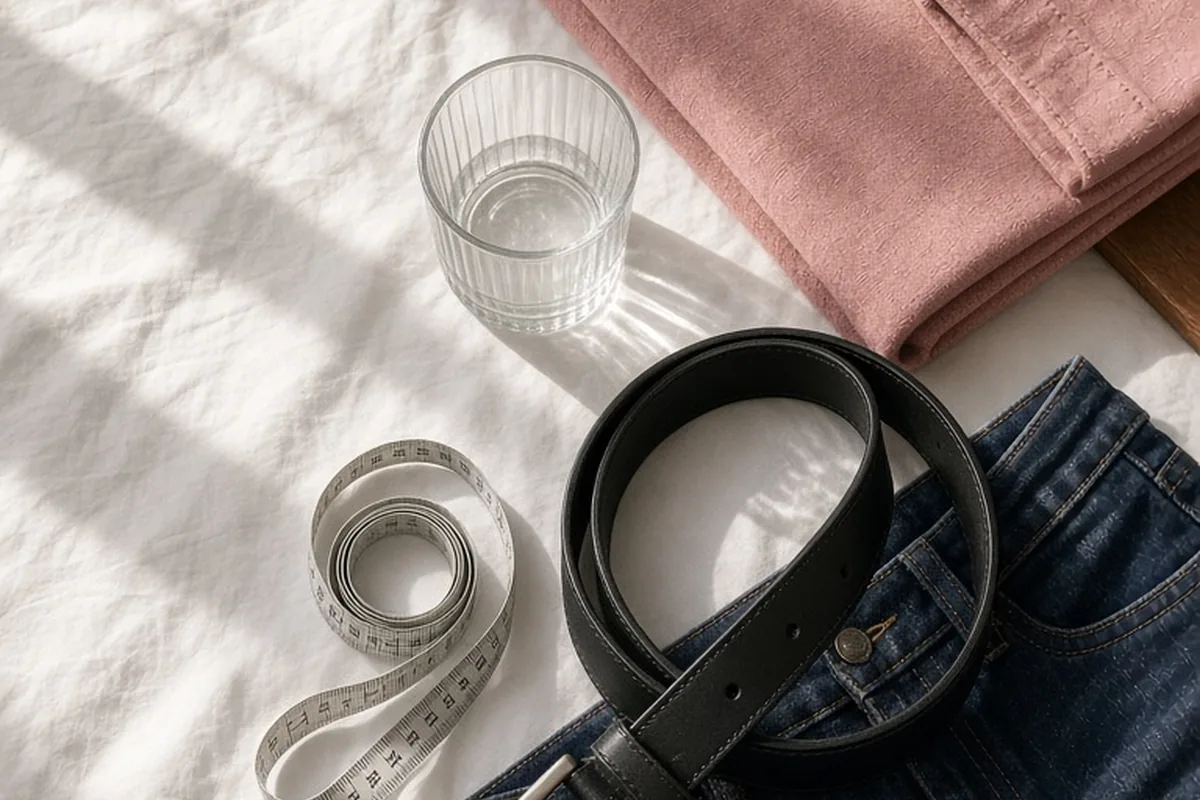
To size a women's belt, measure around the exact spot where the belt will sit—whether at the natural waist, mid-rise, or low hip—and add two inches to that measurement. Alternatively, measure an existing well-fitting belt from the fold of the leather at the buckle to the hole most frequently used. For letter sizes, match your body measurement to the brand's specific size chart rather than relying on general pants sizing.
Finding the right belt size can feel confusing because women's clothing varies widely in rise, cut, and numbering across different brands. Whether you are shopping for your own wardrobe or selecting a thoughtful gift for a partner, understanding how belt measurements work removes the guesswork and ensures a comfortable, flattering fit.
Understanding How Placement Dictates Belt Sizing
A woman's belt measurement changes significantly depending on where the accessory is worn on the body. A belt meant to cinch a dress at the narrowest part of the natural waist requires a much smaller length than one designed to thread through the loops of low-rise jeans sitting across the hip bones. This difference can easily span three to six inches on the exact same person. Because modern fashion features high-waisted trousers, mid-rise slacks, and low-slung skirts, you cannot assume a single belt size will accommodate every outfit in a wardrobe.
Before taking any measurements, identify the specific styling purpose of the belt you plan to purchase. If the goal is versatile everyday wear with standard mid-rise jeans, measure around the waistline where those pants naturally rest. If the belt is intended as a statement piece over blazers, coats, or high-rise skirts, focus on the true waistline above the navel. Recognizing this distinction upfront prevents the common frustration of buying a belt that is either trailing excess leather or failing to reach the first hole comfortably.
Measuring Your Body Accurately with a Cloth Tape
The most reliable way to determine belt size from scratch is by taking a direct body measurement using a soft, flexible measuring tape. Stand upright in a relaxed, natural posture without holding your breath or pulling the tape excessively tight. Wrap the tape around your body at the exact height where you intend to wear the belt, ensuring the tape remains level across your back. If you plan to wear the belt over heavier clothing like sweaters or cardigans, take the measurement while wearing those layers to account for added bulk.
Once you have the raw circumference in inches or centimeters, add two inches (or roughly five centimeters) to that number to find the standard belt size. Belt sizing is traditionally based on the distance from the buckle end to the middle hole, which provides flexibility to adjust tighter or looser over time. For example, if your waist measures thirty inches where the belt will sit, a size thirty-two belt will place the buckle prong directly into the center hole, leaving balanced strap length on either side.
Measuring an Existing Belt That Fits Well
If you already own a belt that fits comfortably in the intended position, measuring that accessory provides a fast and highly accurate baseline. Lay the belt completely flat on a table or smooth floor. Locate the base of the buckle where the strap material folds over the prong attachment. Using a rigid measuring tape or ruler, measure in a straight line from that inner fold down the length of the strap to the hole you currently use most often.
Do not measure the entire length of the strap from end to end, and do not include the buckle frame itself in your measurement. Including the buckle or measuring all the way to the pointed tip will artificially inflate the size by several inches, resulting in a replacement that is far too loose. The distance from the prong base to the active hole represents your true functional size and corresponds directly to standard sizing stamped on commercial belts.
Converting Pants Sizes and Alpha Sizes into Belt Measurements
Relying solely on pants tags can be misleading because women's clothing often employs vanity sizing, where a labeled size twenty-eight may measure thirty inches in true circumference. However, pants sizes can still offer a helpful starting reference when direct measurements are impossible. As a general rule of thumb, taking the labeled numeric waist size on a well-fitting pair of jeans and adding two inches yields a workable belt size for that specific rise.
When shopping brands that use letter sizing (such as Extra Small through Extra Large), converting your measurement against the manufacturer's specific size chart is essential. Standard small belts typically correspond to a twenty-eight to thirty-inch measurement, medium covers thirty-two to thirty-four inches, and large aligns with thirty-six to thirty-eight inches. Always check the brand's stated middle-hole dimension rather than assuming consistent grading across different designers.
- Extra Small: Typically fits waist or hip measurements of 24 to 26 inches.
- Small: Typically fits waist or hip measurements of 28 to 30 inches.
- Medium: Typically fits waist or hip measurements of 32 to 34 inches.
- Large: Typically fits waist or hip measurements of 36 to 38 inches.
- Extra Large: Typically fits waist or hip measurements of 40 to 42 inches.
Buying a Women's Belt as a Gift Without Ruining the Surprise
Selecting a belt as a gift requires a thoughtful approach to ensure it fits without asking questions that spoil the surprise. The quietest and most reliable method is checking an existing belt in her closet. Look for a belt she wears regularly with the style of clothing you envision the new gift pairing with, such as her favorite denim. Note which hole shows light wear or curvature from the prong, and measure from the buckle fold to that specific hole while she is away.
If inspecting a belt is not feasible, look at the sizing tags inside several pairs of her favorite jeans or trousers that share a similar rise. Note the waist measurement, add two inches, and select a belt with a classic five-hole adjustment span. Choosing a belt crafted from genuine leather with a removable or screw-based buckle provides extra peace of mind, as a quality leatherworker or local cobbler can cleanly trim the strap shorter if slight adjustments are needed later.
Considering Belt Width, Buckle Design, and Material Give
Beyond strap length, belt width and buckle style influence how comfortably an accessory sits against the body. Standard belt loops on women's jeans accommodate widths between 1.25 and 1.5 inches, while formal trousers and skirt loops often require narrower belts between 0.75 and 1 inch. Choosing a belt that is too wide for specific garment loops will cause the strap to bunch, warp, or sit unnaturally high on the hips.
Additionally, the material and closure type impact longevity and sizing tolerance. Supple, unlined leathers may gently stretch up to an inch with repeated wear over several years, whereas stiff bonded leathers or woven synthetic materials maintain their rigid dimension. Large statement buckles add effective length to the closure span, meaning a smaller strap size might be necessary to prevent the buckle from shifting off-center.
Illustrative Scenarios
Choosing a Belt for Multiple Wardrobe Outfits
Elena wanted to buy a high-end leather belt that could cinch tailored blazers at her natural waist and also slide through the loops of her favorite mid-rise jeans. She initially measured her denim waistband at thirty-two inches and ordered a size thirty-four belt, assuming the extra holes would let her tighten it for dresses. When the belt arrived, tightening it around her twenty-seven-inch natural waist required pulling the leather past the last hole, leaving an awkward, drooping tail of excess strap. Rather than forcing one fixed belt to bridge a seven-inch span across different body zones, Elena exchanged it for a dedicated waist belt sized at twenty-eight inches. She later purchased a separate mid-rise belt sized specifically for her jeans.
Key point: Belts designed for high-waist styling rarely cross over seamlessly to low- or mid-rise jeans because the body's circumference varies significantly across different rises.
Navigating a Gift Selection Discreetly
Marcus wanted to surprise his partner with a handcrafted leather belt for her birthday. He knew her dress size was an eight, but he was unsure how that translated into belt measurements. Instead of guessing or asking and spoiling the surprise, Marcus located a casual belt she wore often with everyday pants. He measured from the inner fold of the strap at the buckle prong directly to the third hole, which showed clear wear marks. The measurement was thirty-two inches. He ordered a size thirty-four belt from an artisan who built belts centered on the middle hole. The belt arrived, fit securely on the middle hole on her birthday, and required zero post-gift adjustments.
Key point: Measuring the distance to the most-used hole on an existing belt provides an accurate, foolproof size without relying on inconsistent dress conversions.
Frequently asked questions
How should a properly sized belt fit when fastened?
A properly sized belt should comfortably fasten into the middle hole (usually the third hole on a standard five-hole strap). This leaves two holes available to tighten and two holes to loosen as your wardrobe layers or daily comfort needs change.
What should I do if my measurement falls between standard belt sizes?
If your measurement lands between standard sizes, it is generally best to size up to the next even number. A slightly longer strap can easily accommodate an added hole or sit comfortably over heavier textiles, whereas an undersized belt may not reach the first hole.
Can an oversized women's belt be made smaller safely?
Yes, an oversized belt can often be adjusted cleanly by using a dedicated rotary leather punch to add extra holes matching the original spacing. For belts with removable screw-back buckles, a cobbler can trim the buckle end of the strap so the exterior tip remains factory-finished.
Your next step
Take a flexible measuring tape to determine the exact circumference of the clothing rise where the belt will be worn, add two inches, and match that total to the manufacturer's center-hole specification.