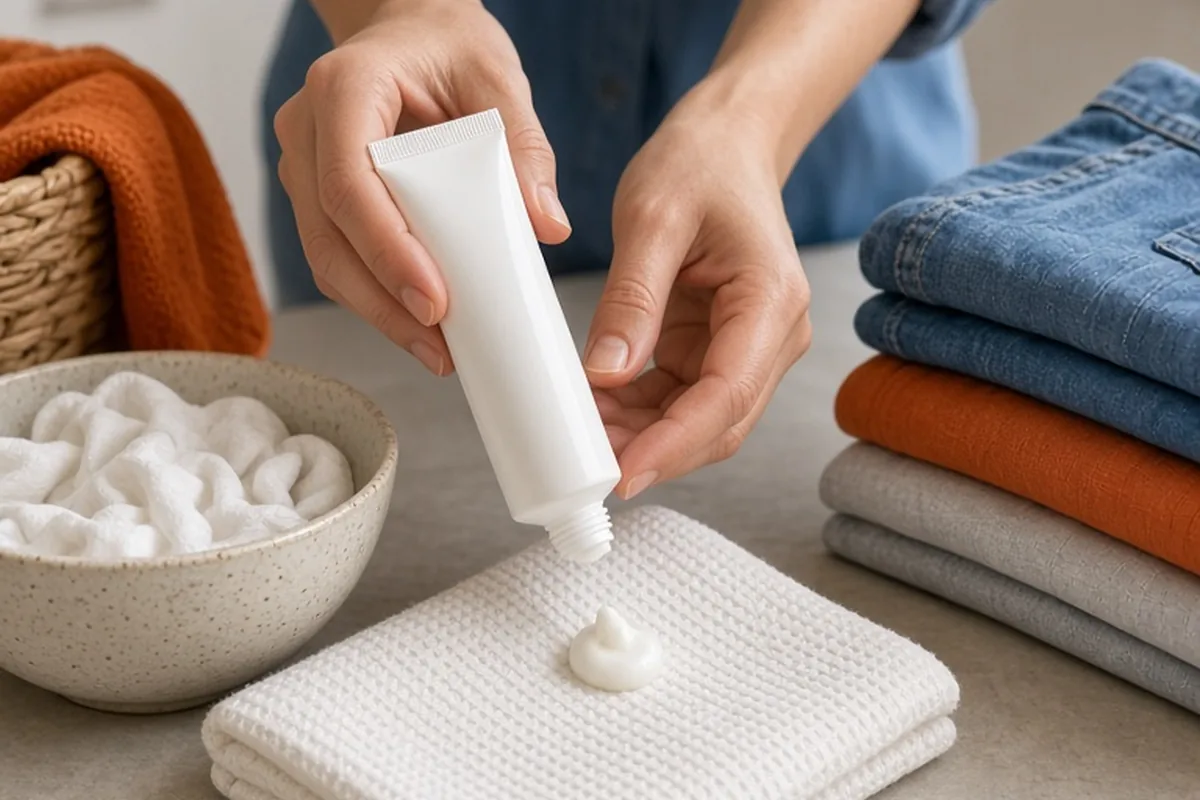
To use Lion Pair Acne Cream, cleanse your face thoroughly and apply your regular hydrating toner or light lotion first. Squeeze a small, pea-sized amount of cream onto your fingertip and gently dab it directly onto active blemishes until it turns clear and absorbs. Use it twice daily, in the morning and evening, followed by moisturizer and daytime sunscreen.
Lion Pair Acne Cream is a Japanese spot treatment designed to calm inflammatory blemishes without leaving a chalky residue or peeling the surrounding skin. Learning the proper order of application, appropriate frequency, and compatibility with other active ingredients helps you achieve optimal results while preserving your skin barrier.
Step-by-Step Application Process
Applying Lion Pair Acne Cream correctly begins with a clean canvas. Start by washing your face with a gentle, non-stripping cleanser to remove excess oil, sweat, and surface impurities. Pat your skin dry with a soft towel rather than rubbing aggressively, which can exacerbate existing redness and irritation around active breakouts. Unlike traditional spot treatments that require bare, dry skin, this formula spreads best and absorbs most effectively over lightly hydrated skin.
After cleansing, apply your usual balancing toner or light watery essence and allow it to settle for thirty seconds. Dispense a tiny, rice-grain-sized amount of the cream onto a clean fingertip. Place the product directly on the affected area and lightly pat it outward in gentle circular motions until the white cream becomes transparent and sinks in completely. Once the spot treatment is dry to the touch, seal your entire face with your regular lightweight moisturizer to lock in hydration without wiping away the treatment.
Where the Cream Fits in Morning and Evening Routines
In your morning routine, Lion Pair Acne Cream functions exceptionally well underneath makeup because it dries down to a sheer, non-greasy matte finish. Apply it immediately after your morning toner and before your daily moisturizer and broad-spectrum sunscreen. Give the cream about two minutes to set before applying sunscreen or foundation over it. This waiting period prevents the product from pilling, sliding around the face, or diluting under liquid makeup products.
During your evening routine, the application sequence follows a similar pattern but allows for deeper absorption overnight while the skin undergoes its natural repair cycle. After double cleansing and applying hydrating layers, target any developing bumps or inflamed spots with the cream. If your nighttime routine includes thick sleeping masks, facial oils, or heavy occlusives like petroleum jelly, make sure to apply those heavier formulas strictly after the acne cream has absorbed, or leave the treated blemish free of heavy balms so the skin can breathe.
Targeted Blemish Types and How the Formula Works
Understanding what types of acne respond best to Lion Pair Acne Cream helps prevent frustration and misapplication. The formula relies on a combination of ibuprofen piconol, a topical anti-inflammatory agent, and isopropylmethylphenol, an antibacterial ingredient. This pairing is engineered to reduce swelling, calm local redness, and inhibit the growth of acne-causing bacteria directly within the pore without relying on harsh keratolytic peeling agents.
As a result, the cream is most effective on early-stage, inflamed blemishes such as tender red papules, surface pustules, and emerging pimples that feel sore under the skin. It works by soothing the underlying inflammation before the pimple expands. Conversely, it is generally less effective for non-inflammatory congestion such as closed comedones, stubborn blackheads, or severe hormonal cystic acne located deep within the dermis, which typically require stronger prescription retinoids or exfoliating acids.
Layering with Retinoids, Exfoliating Acids, and Other Actives
One notable advantage of Lion Pair Acne Cream is its relatively mild profile compared to high-percentage benzoyl peroxide or concentrated salicylic acid treatments. Because its primary active agent is anti-inflammatory rather than intensely exfoliating, it carries a lower risk of causing immediate peeling, flaking, or stinging. However, thoughtful layering is still essential if your overall routine includes potent active ingredients such as prescription tretinoin, retinol serums, or direct chemical exfoliants.
If you use chemical exfoliants like glycolic or salicylic acid, apply your acid toner or serum first, wait five to ten minutes for your skin to rebalance its surface pH, and then apply the acne cream to active spots. When using prescription retinoids at night, consider alternating nights or applying the retinoid first, letting it absorb, and dabbing a thin veil of the acne cream over specific inflamed bumps. If you experience heightened sensitivity, dryness, or stinging, scale back your use of exfoliating acids and focus on barrier-supportive ingredients such as ceramides, centella asiatica, and hyaluronic acid.
Common Application Mistakes to Avoid
A frequent error when using targeted acne treatments is over-application. Applying a thick layer or spreading the cream across the entire face like a regular lotion will not speed up recovery and can lead to unnecessary product waste or mild localized congestion. A tiny amount targeted specifically to the problem area is sufficient for the active ingredients to perform their intended role.
Another common misstep is applying the cream over heavy, oil-rich moisturizers or facial oils. Thick occlusive barriers prevent the lightweight emulsion from reaching the skin surface and penetrating into the pore opening. Always apply the cream underneath your heavier creams rather than on top. Additionally, avoid picking, squeezing, or popping blemishes before or after application, as open wounds can sting when topical products are applied and are far more prone to secondary bacterial infection and post-inflammatory hyperpigmentation.
- Slathering the cream all over clear areas of the face rather than spot treating active bumps.
- Layering the cream on top of thick facial oils or heavy petroleum-based balms.
- Rubbing or scrubbing the area aggressively instead of gently tapping the cream into the skin.
- Discontinuing all basic hydration, which can dry out the surrounding healthy skin.
Application Frequency and Managing Expectations
Consistency is key when treating inflammatory blemishes. For most users, applying the cream twice daily—once in the morning and once before bed—provides a steady anti-inflammatory effect. If you have particularly sensitive or reactive skin, start by applying it once daily in the evening for the first few days to observe how your skin tolerates the formula before increasing to twice-daily application.
Expect realistic results within a reasonable timeframe. Early-stage red bumps often show reduced swelling and tenderness within twenty-four to forty-eight hours of regular application, while mature pustules may take three to five days to flatten. Because the cream focuses on reducing inflammation rather than rapidly drying out skin tissue, it tends to leave less flaking and dark marking behind, though stubborn breakouts will still require patience and gentle overall care.
Frequently asked questions
Can I wear Lion Pair Acne Cream under makeup?
Yes, Lion Pair Acne Cream dries down to a clear, non-greasy finish that works well under makeup. Allow the cream to absorb completely for one to two minutes before applying your daily sunscreen, primer, or foundation.
Should I apply the cream before or after moisturizer?
For best absorption, apply the cream after your light hydrating toner but before your regular moisturizer. If your skin is unusually sensitive, you can apply it after a lightweight lotion to buffer the active ingredients.
How long does it take for Lion Pair Acne Cream to work on a pimple?
Most users notice a reduction in redness and swelling within one to two days of consistent twice-daily use. Full flattening of an inflamed bump typically takes three to five days depending on the size and stage of the breakout.
Can I use Lion Pair Acne Cream over my entire face?
No, Lion Pair Acne Cream is formulated specifically as a spot treatment for active blemishes rather than an all-over daily moisturizer. Apply it only to individual red bumps, emerging pimples, and tender areas.
Your next step
Integrate Lion Pair Acne Cream into your morning and evening skincare steps by dabbing a small amount onto cleansed, lightly toned spots before applying your moisturizer and sunscreen.