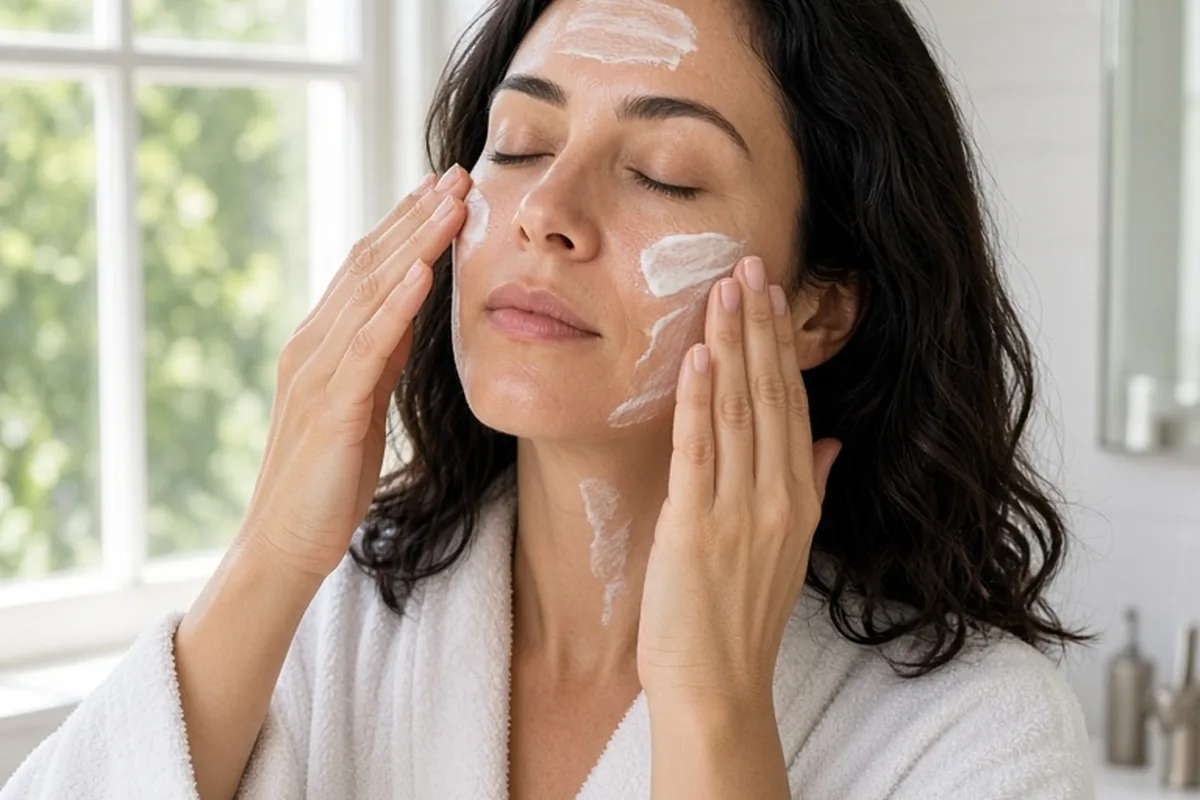
An effective hyperpigmentation skincare routine focuses on gently inhibiting excess melanin production, encouraging healthy cell turnover, and preventing further UV-triggered darkening. In the morning, wash with a mild cleanser, apply an antioxidant brightening serum like vitamin C or azelaic acid, moisturize, and finish with a broad-spectrum SPF 30 or higher sunscreen. At night, cleanse thoroughly, apply a targeted active like a retinoid or gentle exfoliating acid, and seal in moisture with a barrier-supporting cream.
Dark spots, melasma patches, and lingering marks from past blemishes occur when excess melanin forms in response to inflammation, hormonal fluctuations, or ultraviolet light exposure. Addressing these uneven patches requires a balanced, patient approach that pairs targeted corrective ingredients with diligent daily protection.
Constructing an Effective Morning Routine for Daytime Defense
A morning skincare regimen designed for hyperpigmentation should prioritize defense against environmental triggers that stimulate pigment-producing cells. Sunlight, visible light, and pollution generate free radicals that signal melanocytes to overproduce pigment. Beginning the day with a gentle, non-stripping cleanser clears away overnight oils without disrupting the epidermal barrier, creating a clean base for topical treatments.
Following cleansing, apply an antioxidant serum containing ingredients such as L-ascorbic acid, sodium ascorbyl phosphate, or tetrahexyldecyl ascorbate. These stabilized forms of vitamin C help neutralize free radicals while interrupting the enzymatic process that creates dark spots. After your antioxidant absorbs, apply a lightweight, hydrating moisturizer containing ceramides or hyaluronic acid to lock in hydration. The non-negotiable final step is a generous application of broad-spectrum sunscreen with an SPF rating of at least 30, which blocks the primary stimulus of excess pigmentation.
Designing a Nighttime Routine to Support Cell Turnover and Repair
The evening routine offers an ideal opportunity to utilize corrective actives that speed up skin renewal and disperse clustered pigment. Throughout the day, your skin accumulates debris, sebum, and sunscreen filters, all of which require thorough removal. Starting with an oil-based cleanser or micellar water followed by a gentle water-based wash ensures that pores are clear and subsequent treatments can penetrate effectively without friction.
Nighttime is when cellular regeneration naturally peaks, making it the preferred window for applying retinoids or gentle alpha hydroxy acids. A low-to-medium strength retinoid, such as retinol, retinaldehyde, or adapalene, works by encouraging dull, pigmented surface cells to shed naturally while promoting smoother underlying texture. If you choose to incorporate chemical exfoliants like glycolic or lactic acid, limit them to two or three evenings per week rather than using them every night. Finish the routine with a nourishing barrier cream enriched with lipids, fatty acids, and squalane to counteract potential dryness.
Selecting the Right Brightening Actives for Your Specific Concerns
Hyperpigmentation develops through multiple biological pathways, which means combining compatible, multi-tasking ingredients often yields better outcomes than relying on a single high-strength product. Identifying the primary cause of your dark marks—whether from post-acne redness, hormonal melasma, or accumulated sun spots—helps narrow down the most suitable options.
Azelaic acid is particularly beneficial for sensitive or breakout-prone complexions because it reduces inflammation, calms redness, and selectively targets overactive melanocytes without lightening normal skin tone. Tranexamic acid and alpha arbutin are exceptional choices for stubborn patches and melasma because they interfere with the cellular pathways that trigger pigment synthesis. Niacinamide provides versatile support by preventing the transfer of pigment packets to surface skin cells while strengthening the natural moisture barrier.
- Vitamin C: Brightens dull areas and provides antioxidant protection against daily environmental stress.
- Azelaic Acid: Calms inflammatory redness and gradually fades dark marks from previous blemishes.
- Tranexamic Acid: Helps manage persistent brown patches triggered by hormonal shifts and sun exposure.
- Niacinamide: Inhibits pigment transfer across skin layers and reinforces skin barrier resilience.
Managing Post-Inflammatory Hyperpigmentation from Breakouts and Irritation
Post-inflammatory hyperpigmentation, commonly known as PIH, arises when skin experiences physical trauma, active breakouts, or contact dermatitis. In deeper complexions, the melanocyte response is especially sensitive, meaning even minor surface friction or squeezed pimples can leave behind long-lasting dark spots. Preventing PIH begins with managing active inflammation before it escalates into deeper discoloration.
Avoid picking, squeezing, or aggressively scrubbing blemishes, as mechanical trauma deepens pigment deposition into the dermis where it takes significantly longer to clear. Instead, apply hydrocolloid patches over active pimples to keep the area clean and prevent physical manipulation. Incorporating soothing botanicals like centella asiatica, licorice root extract, and panthenol alongside acne-fighting ingredients like salicylic acid helps calm active swelling while reducing the intensity of subsequent marks.
Maximizing Sun Protection and Defending Against Visible Light
Sunscreen serves as the cornerstone of any routine aimed at balancing skin tone; without consistent photoprotection, corrective serums cannot deliver lasting results. Ultraviolet A and B rays directly stimulate tyrosinase, the enzyme responsible for melanin synthesis. Applying approximately two finger-lengths of broad-spectrum SPF 30 or 50 sunscreen to your face and neck provides adequate coverage, provided you reapply every two hours when outdoors.
Recent dermatological insights emphasize that high-energy visible light, often referred to as blue light from both the sun and digital screens, can also aggravate hyperpigmentation, especially in medium-to-deep skin tones. Tinted sunscreens containing iron oxides offer dual-action defense by blocking both UV radiation and visible light spectrums. Supplementing topical SPF with physical barriers such as wide-brimmed hats and seeking shade during peak daylight hours further preserves your skin's clarity.
Protecting Your Skin Barrier and Avoiding Over-Exfoliation
A common pitfall in treating hyperpigmentation is applying too many potent actives simultaneously in an attempt to accelerate results. Overusing strong acids, rough scrubs, or high-percentage retinoids compromises the stratum corneum, resulting in a damaged skin barrier. When the barrier becomes impaired, chronic low-grade inflammation develops, which inadvertently triggers melanocytes to produce more pigment.
Watch for warning signs of over-exfoliation, including unusual stinging during product application, localized flaking, sudden tight dryness, and heightened sensitivity. If these symptoms occur, immediately pause the use of exfoliating acids, retinoids, and strong vitamin C formulations. Shift your focus for two weeks toward restorative, minimalist care centered on gentle cleansing, hydrating humectants like glycerin, and barrier-repairing creams containing a balanced ratio of ceramides, cholesterol, and free fatty acids.
Establishing Realistic Timelines and Understanding Professional Options
Fading hyperpigmentation requires consistent adherence to a stable routine over several skin renewal cycles. Epidermal cells typically take between twenty-eight to forty-five days to turn over in healthy adults, with this process slowing down as we age. Most over-the-counter brightening products require at least eight to twelve weeks of uninterrupted daily application before noticeable lightening of surface marks occurs.
For deep dermal melasma or persistent discoloration that does not respond adequately to home care, professional guidance provides structured solutions. A board-certified dermatologist can evaluate your skin tone and prescribe higher-strength topicals or recommend in-office procedures such as superficial chemical peels, microneedling, or specialized laser therapies. Seeking professional evaluation helps ensure that in-office treatments are tailored safely to your specific skin tone, minimizing the risk of rebound hyperpigmentation.
Frequently asked questions
How long does it take for a hyperpigmentation skincare routine to show noticeable improvements?
Most people begin to see subtle changes in skin clarity within six to eight weeks of daily consistency. Deeper post-acne marks and hormonal melasma typically require three to six months of regular active treatments and strict sun protection to fade substantially.
Can I use vitamin C and a retinoid in the same daily routine?
Yes, using vitamin C in the morning and a retinoid in the evening is a widely recommended approach that provides antioxidant protection by day and cellular renewal by night. Applying them at separate times minimizes the potential for irritation while maximizing the unique benefits of each active.
Why do my dark spots seem darker after I start using a new brightening product?
As active ingredients accelerate cellular turnover, pigmented cells from deeper layers migrate toward the surface of the skin before sloughing off, which can temporarily make spots appear more prominent. However, if the area is also red, itchy, or stinging, the darkening could indicate irritation-induced pigmentation, meaning you should reduce usage frequency.
Your next step
Start by introducing one gentle brightening active alongside a daily broad-spectrum sunscreen, and maintain the routine consistently for at least eight weeks before adding new corrective treatments.