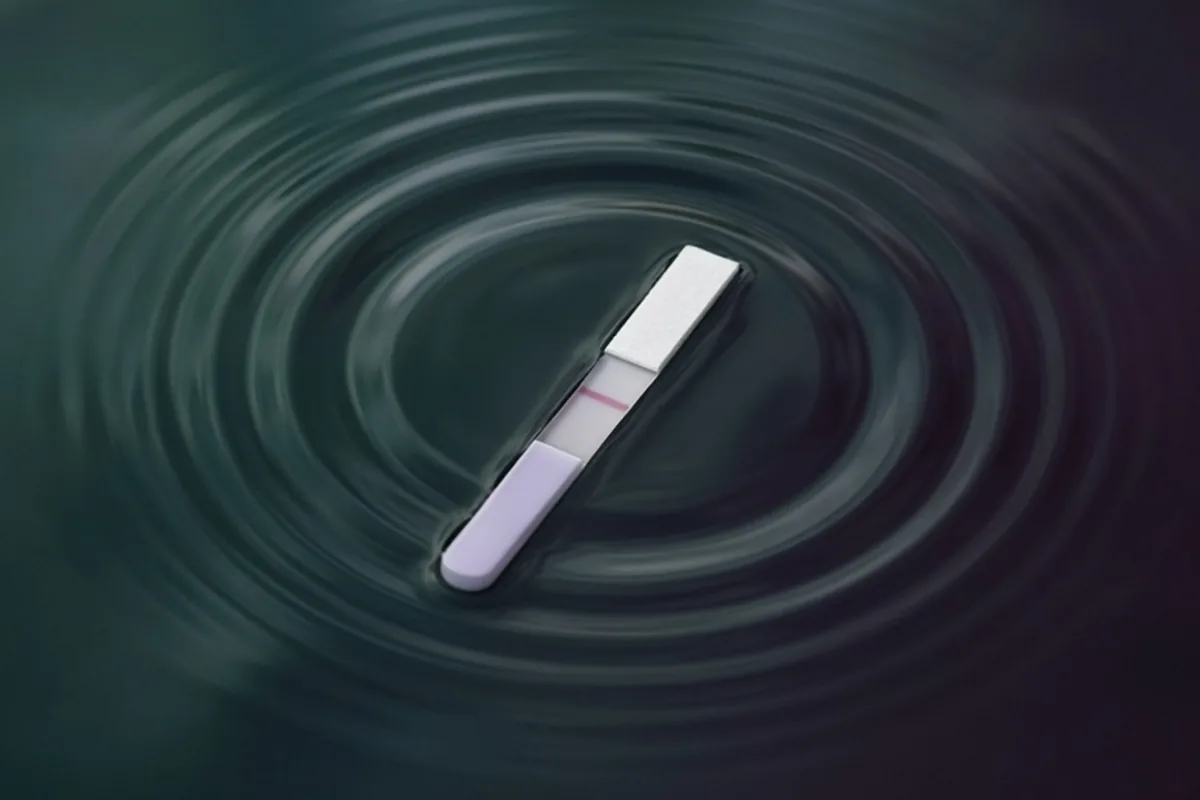
The Inito fertility monitor is an at-home testing system that clips to a smartphone to measure four key fertility hormones on a single test strip: estrogen, luteinizing hormone, progesterone metabolite, and follicle-stimulating hormone. It provides numerical hormone values rather than simple positive or negative lines, helping users identify their full fertile window and confirm whether ovulation actually occurred.
Navigating fertility tracking often means choosing between basic paper strips that only detect a brief surge and complex lab panels that require clinic visits. The Inito monitor bridges this gap by turning smartphone hardware into a mini-lab that reads multiple urinary hormone metabolites at once.
How the Inito Hardware and Testing System Operate
The Inito platform relies on a compact optical reader attachment designed to fit specific smartphone models, paired with specialized multi-hormone test strips and a dedicated companion mobile application. Unlike standard over-the-counter ovulation predictor kits that rely on subjective visual interpretation of faint colored lines, Inito uses your phone's camera and flash through the clipped-on reader to perform optical densitometry. This mechanism measures the precise intensity of test lines on the strip and converts them into quantitative numerical values for each monitored hormone.
A typical testing morning involves collecting first-morning urine in a clean cup, inserting a fresh test strip into the urine for fifteen seconds, and then sliding the strip directly into the attached reader on your phone. The app takes approximately ten minutes to analyze the test strip, calibrate against background lighting, and process the reflection readings. Once complete, the screen populates with numerical estimates of your current hormone concentrations alongside a refreshed cycle graph. This automated reading eliminates the guesswork of squinting at faint lines, though it requires having your phone dedicated to the clip for the duration of the scan.
The Four Measured Hormones and Why Ovulation Confirmation Matters
Most standard ovulation kits track only luteinizing hormone, which surges twenty-four to thirty-six hours before an egg is released. Inito expands this window significantly by tracking four distinct hormones: estrogen (estrone-3-glucuronide or E3G), luteinizing hormone (LH), progesterone metabolite (pregnanediol glucuronide or PdG), and follicle-stimulating hormone (FSH). Estrogen rises several days prior to LH, alerting users to the opening of their fertile window earlier than LH strips alone can detect, because sperm can survive in fertile cervical fluid for up to five days before an egg is released.
The inclusion of PdG represents the most significant functional distinction of the Inito system. An LH surge indicates that the body is preparing to release an egg, but it does not guarantee that ovulation was successful; conditions such as unruptured luteinized follicles or polycystic ovarian patterns can produce LH surges without an egg release. After successful ovulation, the corpus luteum produces progesterone, which is metabolized into urinary PdG. Inito looks for a sustained rise in PdG over several consecutive days post-surge to confirm that ovulation genuinely took place, providing diagnostic clarity that standard surge-only kits cannot offer.
App Experience, Numerical Values, and Cycle Trend Mapping
The Inito mobile application serves as both the processing engine and the primary interface for interpreting cycle data. When you open the app each morning during your testing window, it prompts you to test based on your historical cycle length or previous baseline readings. Rather than reducing your fertility status to a binary yes-or-no label, the app displays your actual estimated hormone levels alongside categorized status badges such as Low Fertility, High Fertility, Peak Fertility, or Ovulation Confirmed.
Over the course of a single cycle, the application plots these measurements onto a unified chart where you can observe the interplay between estrogen surges, LH spikes, and subsequent PdG elevations. For individuals who prefer quantitative feedback, seeing actual numerical trends helps contextualize cycle variations, such as a slow estrogen ramp-up versus an abrupt LH spike. However, it is essential to recognize that urinary hormone metabolites fluctuate naturally based on hydration levels, kidney clearance rates, and collection timing, meaning minor day-to-day blips on the chart should be interpreted as general physiological patterns rather than strict laboratory blood serum equivalents.
Comparing Inito to Traditional Predictor Strips and Basal Body Temperature
When evaluating fertility tracking tools, users typically weigh three common methodologies: disposable dip-card LH strips, basal body temperature tracking, and comprehensive digital hormone monitors like Inito. Standard LH strips are affordable and widely accessible, but they only provide a narrow one-to-two-day warning before ovulation and cannot confirm whether the follicle successfully ruptured. Basal body temperature tracking can confirm ovulation after the fact through a thermal shift caused by rising progesterone, but temperature readings are easily confounded by poor sleep, travel, mild illness, room temperature shifts, or waking at irregular hours.
Inito combines the prospective forecasting of cervical fluid and estrogen tracking with the retrospective confirmation associated with temperature charts, all derived from daily morning urine samples. The trade-off centers on cost and routine complexity. While basic paper strips cost pennies per test, Inito requires a specialized initial hardware purchase and ongoing recurring strip subscriptions. For individuals with predictable, classic twenty-eight-day cycles, basic strips paired with body awareness may be entirely adequate. For those with irregular cycles, ambiguous LH patterns, or suspected luteal phase insufficiencies, Inito's multi-hormone data offers substantially greater insight.
Hardware Compatibility, Usability Quirks, and Daily Logistics
Before investing in an Inito monitor, hardware compatibility is one of the most critical logistical factors to consider. The Inito clip is engineered to fit specific smartphone models snugly over the built-in camera lens and flash module. Because phone dimensions, camera bump profiles, and lens placements vary significantly between phone generations, a reader custom-molded for an older device will not fit a newly upgraded phone. Users must ensure their current phone model is officially supported and be prepared to order an updated clip attachment if they switch hardware down the line.
Daily usability also requires establishing a disciplined morning routine. The test strip must be dipped accurately for fifteen seconds, kept flat, and inserted into the reader without getting excess liquid inside the optical slot. The ten-minute read window means your phone cannot be easily carried around or used for active tasks while the scan is running. Additionally, testing should ideally happen using concentrated first-morning urine to avoid diluted metabolite readings from daily fluid intake. Establishing this consistent habit is straightforward for some, but it can feel restrictive for those with unpredictable morning schedules or frequent early travel.
Cost Analysis and Test Strip Refill Economics
Understanding the long-term financial commitment of Inito requires looking beyond the starter kit, which typically includes the reader attachment and an initial pack of test strips. The ongoing operational cost comes from purchasing replacement test strip packs, which are proprietary and significantly more expensive per unit than generic paper dip cards. A typical cycle requires anywhere from twelve to twenty individual test strips depending on cycle regularity and how quickly the algorithm detects both the initial estrogen rise and the post-ovulation PdG confirmation.
For an individual with regular twenty-eight-day cycles, one fifteen-strip pack may cover an entire month. However, for users with longer or irregular cycles that require testing for fifteen to twenty-five consecutive days to capture a delayed surge, strip consumption increases substantially. Inito offers subscription-based replenishment plans that offer a modest discount per box, but potential buyers should calculate whether spending thirty to fifty dollars per cycle aligns with their family-planning timeline and overall personal budget.
Who Benefits Most and Practical Limitations to Keep in Mind
The Inito monitor is particularly beneficial for individuals who have experienced difficulty identifying ovulation using standard kits, such as those with irregular cycles, polycystic ovarian syndrome (PCOS), or suspected short luteal phases. In PCOS, baseline LH levels can remain elevated throughout the month, generating confusing multiple false alarms on basic tests; Inito's ability to cross-reference LH with estrogen rises and verify the cycle with PdG helps clarify genuine ovulatory attempts. It is also well suited for anyone who finds reassurance in detailed personal health metrics and wants clear visual records to share during preconception discussions with their healthcare provider.
Conversely, there are practical and emotional limitations to keep in mind. Inito is an informational tracking tool, not a clinical diagnostic device or medical treatment, and it cannot diagnose underlying structural issues, tubal patency, or male factor fertility considerations. For some users, daily testing and analyzing numerical hormone graphs can inadvertently increase cycle-related stress and anxiety. If tracking numbers every morning shifts the trying-to-conceive journey from supportive awareness into an overwhelming chore, a simpler method or direct clinical consultation may be a healthier alternative.
Illustrative Scenarios
Clarifying Delayed Ovulation in an Irregular Cycle
An individual with cycle lengths ranging between thirty-two and forty-five days repeatedly struggled with standard paper LH strips, which frequently showed faint, ambiguous lines on day fourteen without leading to clear temperature shifts. After transitioning to the Inito monitor, morning testing revealed that estrogen levels remained at a low baseline until day twenty-one, followed by a distinct surge and an LH peak on day twenty-three. Four days later, the app recorded a sustained rise in urinary PdG above baseline levels, confirming that ovulation had indeed occurred later in the cycle than typical textbook schedules assume.
Key point: Quantitative multi-hormone tracking can identify true fertile windows and confirm delayed ovulation without requiring assumptions based on average twenty-eight-day timelines.
Frequently asked questions
Can Inito diagnose PCOS or other reproductive conditions?
Inito is an informational at-home hormone monitoring tool and is not designed to diagnose medical conditions. While its multi-hormone graphs can highlight irregular surge patterns or delayed PdG rises that you can discuss with a physician, medical diagnoses require comprehensive clinical evaluations and laboratory tests.
What happens if I forget to test first thing in the morning?
If you miss your initial morning test, you can still test later in the day after limiting excessive fluid intake for three to four hours to avoid overly diluted urine. However, maintaining consistent first-morning testing provides the most stable baseline for comparing day-to-day hormonal fluctuations.
Do I have to test every single day of my cycle with Inito?
No, you do not need to test every single day. The Inito application uses your cycle history to notify you when to begin testing each month, typically starting a few days after your period ends and concluding once ovulation is confirmed by a sustained rise in PdG.
Your next step
Before purchasing Inito, verify that your specific smartphone model is fully supported and review your monthly budget for replacement test strips to ensure the daily tracking routine fits your goals.