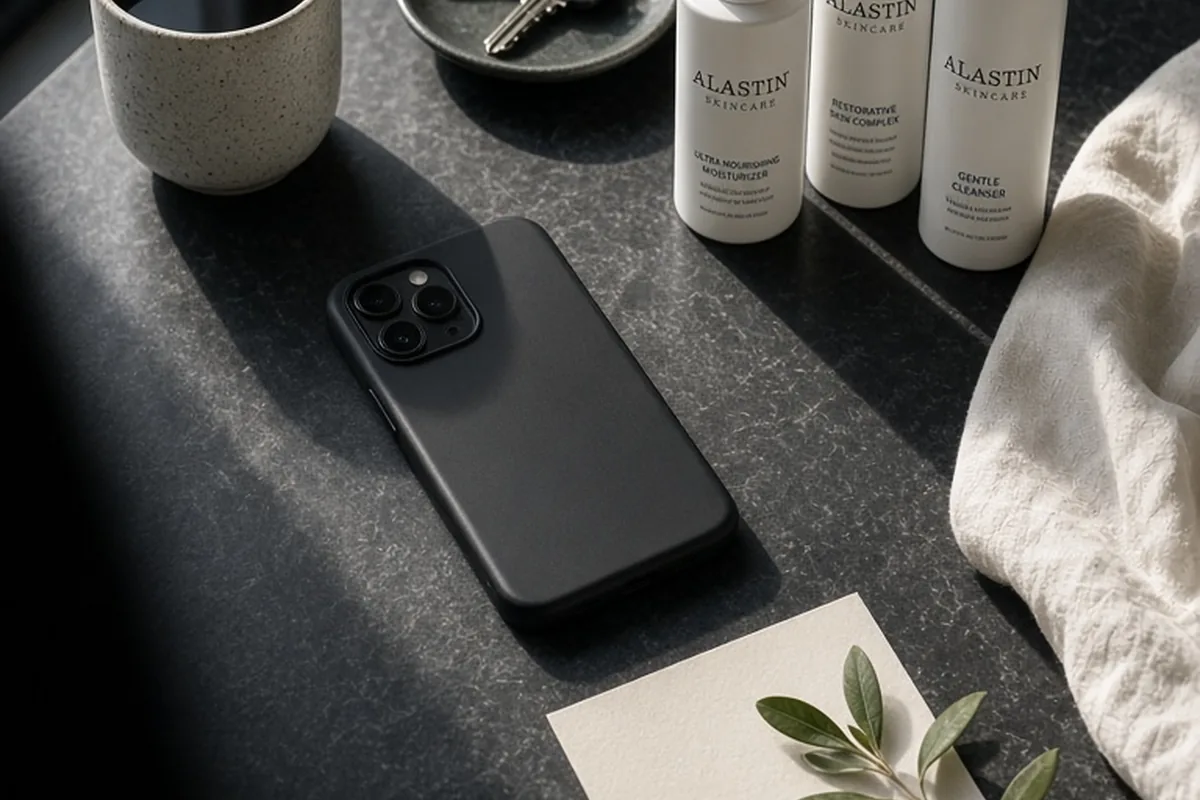
Alastin Skincare is generally considered a high-performing medical-grade line, particularly valued for supporting skin recovery after clinical treatments and promoting skin firmness. Formulated around proprietary peptide technologies designed to clear damaged extracellular proteins and support collagen and elastin production, its products deliver noticeable hydration and barrier support. However, its premium price point and availability primarily through authorized providers mean it is best suited for targeted concerns rather than a simple maintenance routine.
Skincare consumers frequently encounter Alastin in dermatology practices and medical spas, where clinicians often recommend specific bottles alongside laser resurfacing or microneedling treatments. Understanding what makes these formulations unique helps you decide whether investing in this physician-dispensed brand aligns with your skin goals and budget.
The Science Behind Alastin and Matrix Support
The core philosophy behind Alastin Skincare centers on the extracellular matrix, which is the structural framework of the skin composed primarily of collagen, elastin, and hyaluronic acid. As skin ages or experiences ultraviolet damage, fragmented collagen and elastin proteins accumulate in the tissue, hindering the skin's natural ability to regenerate fresh structural fibers. Alastin addresses this through its proprietary TriHex Technology, a blend of active peptides and botanicals engineered to assist the skin in clearing out these degraded protein fragments while signaling the production of fresh, organized collagen and elastin.
Rather than simply providing surface-level moisture, this targeted approach aims to improve the skin's underlying density and resilience over time. For example, when someone uses a matrix-supporting serum consistently over several months, they may notice subtle improvements in skin bounce and a reduction in the appearance of crepey texture. The trade-off is that matrix remodeling is an inherently gradual biological process. Unlike surface hydrators that deliver immediate plumping within minutes, peptide-driven formulas require consistent daily application over eight to twelve weeks before visible improvements in firmness and texture become apparent.
Core Products and How They Function
Alastin offers a focused lineup of products, each formulated for specific stages of skin health, maintenance, or procedural care. Understanding which products carry the highest concentration of active technologies helps in choosing formulas that offer the most practical value for your routine.
The brand's standout offerings include the following core formulations:
- Restorative Skin Complex: The flagship daily anti-aging serum designed to improve skin volume, lift, and fine lines while supporting ongoing collagen and elastin renewal across mature or sun-damaged skin.
- Regenerating Skin Nectar: An anhydrous, silicone-based recovery treatment formulated specifically for pre- and post-procedure care to calm inflammation, accelerate healing, and protect vulnerable tissue.
- HydraTint Pro Mineral Broad Spectrum Sunscreen SPF 36: A physical sunscreen containing titanium dioxide and zinc oxide that provides broad-spectrum defense alongside an adaptable, glow-enhancing tint that suits many skin tones.
- A-Luminate Brightening Serum: A non-hydroquinone brightening formula targeted at stubborn discoloration, post-inflammatory hyperpigmentation, and uneven tone without causing irritation or skin peeling.
- Ultra Nourishing Moisturizer: A barrier-replenishing daily cream packed with lipids, calming oat extracts, and peptides designed to hydrate dry, sensitized, or compromised skin types.
Why Clinicians Rely on Alastin for Procedure Recovery
One of the primary reasons Alastin built a strong reputation in clinical settings is its performance around in-office cosmetic procedures, such as fractional lasers, chemical peels, and radiofrequency microneedling. When the skin barrier is intentionally disrupted during a procedure, applying conventional water-based moisturizers or active serums can provoke stinging, prolonged redness, or contact sensitization. Alastin developed its Regenerating Skin Nectar with an anhydrous base, meaning it contains no water or preservatives that could irritate an open, healing epidermis.
Practitioners often suggest applying the Nectar for two weeks prior to an aggressive treatment to prime the extracellular matrix, followed by immediate application after the procedure. This protocol helps soothe heat sensations, decrease erythema, and accelerate the natural clearance of damaged cellular debris. For instance, a patient undergoing ablative laser resurfacing may experience less uncomfortable tight swelling and a smoother recovery transition when using a designated post-procedure balm compared to basic petrolatum jelly. However, if you are not planning any clinical procedures, you likely do not need the specialty post-procedure nectar and can focus instead on daily maintenance serums.
Formulation Aesthetics, Textures, and Skin Tolerance
Formulation elegance plays a substantial role in whether someone will use a skincare product consistently enough to see results. Alastin products are generally formulated without synthetic fragrances, parabens, or gluten, making them well-tolerated by individuals with reactive, post-treatment, or rosacea-prone skin. The daily serums absorb quickly with a silky, non-greasy finish that layers seamlessly under makeup or broad-spectrum sun protection.
Texture profiles vary noticeably across the lineup to match specific functional goals. The Restorative Skin Complex possesses a lightweight, fluid emulsion feel that disappears into the skin without tacky residue, while the Regenerating Skin Nectar feels like a smooth, protective primer due to its silicone carrier. A potential limitation of these rich silicone carriers is that individuals prone to congested pores or fungal acne may find heavier post-procedure balms somewhat occlusive if used indefinitely during hot, humid weather. Monitoring how your skin breathes and adjusting application weight based on your environment helps prevent unwanted congestion.
Pricing, Value, and Weighing the Investment
Alastin occupies a premium, physician-dispensed price bracket, with flagship corrective serums frequently retailing above two hundred dollars per bottle. Evaluating whether the line is worth the cost depends on your primary skin goals and whether alternative over-the-counter options can achieve similar outcomes for less money. For targeted concerns like procedural recovery, significant photoaging, or delicate neck crepiness, the concentrated peptide complexes offer specialized benefits that basic drugstore formulations rarely match.
To maximize value, it is practical to adopt a selective strategy rather than purchasing an entire branded regimen. Investing in a hero corrective product, such as the Restorative Skin Complex or the HydraTint Sunscreen, allows you to capture the brand's primary proprietary benefits while pairing them with affordable, gentle cleansers and basic ceramide moisturizers from reliable mass-market brands. Spending top tier prices on standard wash-off cleansers or simple hydrators offers diminishing returns, as these products remain on the skin for only seconds or perform standard humectant tasks easily duplicated by budget-friendly alternatives.
How to Integrate Alastin into a Daily Skincare Routine
Introducing Alastin into an established routine is straightforward because the brand's core serums are formulated to coexist with other common dermatological actives, including prescription retinoids and topical vitamin C. Because the peptides focus on cellular support and clearing debris rather than aggressive exfoliation, they do not increase photosensitivity or compromise the outer lipid barrier when combined with active treatments.
A practical daily routine might begin in the morning with a gentle, non-foaming cleanser, followed by one to two pumps of a treatment serum like the Restorative Skin Complex or A-Luminate Brightening Serum applied to clean, dry skin. After allowing the serum to absorb for a minute, you can follow with a light barrier moisturizer if your skin leans dry, finishing with a broad-spectrum mineral sunscreen like HydraTint. In the evening, the same peptide serum can be layered directly before or after your evening retinoid, helping buffer potential retinoid irritation while supporting nightly repair cycles.
Potential Drawbacks, Limitations, and Who Should Skip It
While Alastin provides well-engineered formulations, it is not a universal necessity for every skincare consumer. The most obvious hurdle is economic accessibility; maintaining a multi-product routine from this brand represents a significant ongoing financial commitment. Furthermore, because Alastin sells primarily through medical clinics and authorized online medical dispensaries, obtaining authentic products requires purchasing through verified channels rather than standard third-party discount marketplaces where counterfeit risks exist.
Additionally, consumers should maintain realistic expectations regarding what topical skincare can accomplish. While peptide complexes significantly improve hydration, elasticity, and fine textural lines, they cannot recreate the dramatic lifting or volume replacement achieved through surgical interventions or dermal fillers. If your primary skin concerns are mild dehydration, minor teenage acne, or simply maintaining young, undamaged skin, standard over-the-counter formulas containing niacinamide, hyaluronic acid, and traditional sunscreens will serve your needs at a fraction of the cost.
Frequently asked questions
Can I use Alastin products alongside prescription tretinoin?
Yes, Alastin corrective serums generally pair well with topical retinoids like tretinoin. Applying a peptide serum such as the Restorative Skin Complex can help support the skin barrier and soothe dryness commonly associated with retinoid use.
How long does it take to see visible results from Alastin?
While hydrating benefits and procedural soothing occur within days, visible improvements in skin firmness, elasticity, and fine lines typically require eight to twelve weeks of consistent twice-daily use. Structural matrix remodeling is a gradual physiological process.
Is Alastin Skincare suitable for acne-prone skin?
Most of the daily serums and light moisturizers are non-comedogenic and well-tolerated by blemish-prone complexions. However, heavier post-procedure products like the Regenerating Skin Nectar are silicone-dense and should be reserved primarily for healing phases rather than daily acne maintenance.
Where should I purchase authentic Alastin products?
You should purchase Alastin directly through authorized dermatology offices, medical spas, or the official Alastin website. Purchasing from unauthorized third-party marketplaces carries a risk of receiving expired, improperly stored, or counterfeit formulas.
Your next step
Assess your specific skincare needs and choose one targeted Alastin hero product, such as the Restorative Skin Complex for daily elasticity or the Regenerating Skin Nectar for post-procedure healing, while keeping your foundational cleanser and basic hydrators budget-friendly.