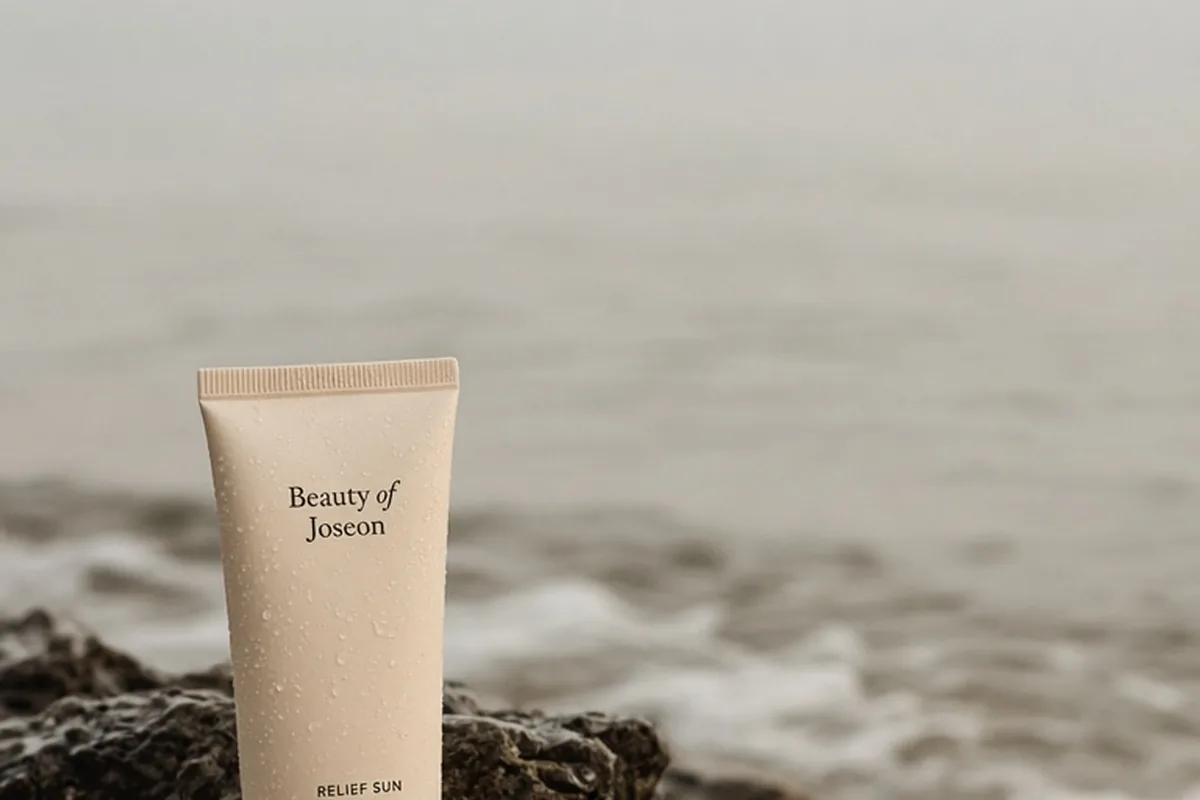
Beauty of Joseon Relief Sun: Rice + Probiotics is not waterproof or water-resistant. Formulated as a lightweight, hydrating daily chemical sunscreen, it dissolves and rinses off easily with water. While it performs exceptionally well for office wear, commuting, and layering under makeup, it quickly breaks down during swimming, vigorous exercise, or prolonged heavy sweating, leaving your skin unprotected unless you switch to a certified water-resistant product.
Finding the right sun protection often requires balancing cosmetic elegance with outdoor durability, leading many skincare enthusiasts to wonder how this viral Korean sunscreen handles moisture, sweat, and active days.
Understanding the Formulation and Why It Lacks Water Resistance
The Beauty of Joseon Relief Sun: Rice + Probiotics SPF50+ PA++++ is engineered specifically as an everyday cosmetic sunscreen rather than an athletic or outdoor recreation formula. Korean beauty formulations frequently prioritize comfortable daily wear, hydration, and an imperceptible finish that encourages people to apply the recommended quarter-teaspoon amount to their faces every morning. To achieve this lightweight, lotion-like consistency, the product relies on modern organic UV filters suspended in a base enriched with 30 percent rice extract and fermented grain extracts.
Water-resistant and waterproof sunscreens require specialized film-forming agents, such as specific synthetic polymers, acrylates copolymers, or silicone resins, that create an unbroken, hydrophobic barrier across the skin. The Relief Sun formula intentionally omits heavy film formers to maintain its breathable, dewy texture and to avoid the greasy or suffocating feel common in traditional sports sunscreens. Consequently, the absence of these water-repelling polymers means the protective UV screen easily breaks down when exposed directly to water, intense perspiration, or friction from wet towels.
How the Sunscreen Performs Under Typical Daily Conditions
For non-strenuous routines, Beauty of Joseon Relief Sun offers dependable broad-spectrum defense against UVA and UVB rays. In an urban environment where your day consists of riding transit, working indoors under artificial light or near windows, running brief errands, and walking through temperate weather, the formula remains stable and comfortable. Its moisturizing ingredients help maintain hydration throughout the workday, making it an excellent alternative to wearing a separate heavy moisturizer beneath sun protection.
The formula also excels underneath daily makeup. Because it lacks rigid film-forming polymers, it behaves much like a nourishing skin cream, allowing liquid foundation, tinted moisturizers, and concealers to glide over the skin without balling up or pilling. If you experience a light sheen of natural oil or minimal moisture during a standard office day, gentle blotting with a tissue or oil-absorbing paper typically leaves the underlying sun protection reasonably intact, provided you do not rub aggressively.
What Happens During Heavy Sweating, Swimming, and Rain
When exposed to water, whether from a sudden rain shower, a rigorous workout, or a dip in a pool, non-water-resistant sunscreens rapidly emulsify. This means the water blends with the sunscreen base, causing the protective film to dissolve and migrate across your skin. You will often notice a visible white or milky streaking as the product lifts away from the surface, which is a clear physical indicator that your UV protection has been compromised.
Beyond leaving your skin vulnerable to sun damage, sunscreen migration can lead to significant eye irritation. As perspiration carries the chemical filters downward across the brow bone and into the eyes, many users report stinging and watering. Once the emulsion dissolves in sweat or water, simple reapplication of the same product onto damp skin will not restore uniform protection, because the formula cannot properly set over an active layer of moisture.
Comparing Other Beauty of Joseon Sun Protection Products
Beauty of Joseon has expanded its sun care line beyond the original cream to address different skin preferences and application methods. However, it is essential to recognize that none of the primary sun protection products in their standard lineup carry an official water-resistant or waterproof certification.
Understanding how each variation behaves helps you choose the right product for specific, non-water-heavy activities throughout the week:
- Relief Sun: Rice + Probiotics Cream provides a dewy, deeply hydrating finish that best suits dry, normal, and sensitive skin types during regular, non-athletic daily wear.
- Matte Sun Stick: Mugwort + Camelia offers a non-greasy, powdery finish utilizing silica powder to absorb excess sebum, making it ideal for midday touch-ups on oily skin, though it remains non-waterproof.
- Ginseng Moist Sun Serum features a lightweight, clear gel-capsule texture tailored for combination skin looking for quick absorption, yet it rinses away just as easily with water as the original cream.
When to Switch to a Dedicated Water-Resistant Sunscreen
Knowing when to swap your cosmetic sunscreen for a sports-grade or water-resistant alternative is essential for preventing accidental sunburns and cumulative UV damage. In regulatory jurisdictions like the United States, water-resistant sunscreens must undergo standardized testing to prove they maintain their labeled SPF level after either 40 minutes or 80 minutes of water immersion or sweating.
You should transition to a certified water-resistant sunscreen whenever you anticipate sustained outdoor activity. Key scenarios include beach days, pool visits, outdoor running, hiking in warm weather, playing outdoor sports, or spending extended periods in climates with high humidity where natural sweating is unavoidable. For these activities, look for labels explicitly stating 'Water Resistant (40 Minutes)' or 'Water Resistant (80 Minutes)' on the front packaging.
How to Reapply Non-Waterproof Sunscreen Effectively
To maintain the labeled level of protection during standard dry conditions, sunscreen should generally be reapplied every two hours of cumulative sun exposure. When using Beauty of Joseon Relief Sun, ensure your face is dry and free of excess surface oil before applying your next layer. If you have been sitting in a warm room or walking briskly, gently pat your face with a clean tissue to remove surface moisture before dispensing another quarter-teaspoon of cream.
If you wear makeup over your sunscreen, reapplying a liquid cream can disturb your base products. In this situation, pairing your morning application of the Relief Sun cream with a dry reapplication tool—such as the Beauty of Joseon Matte Sun Stick, an SPF-infused cushion compact, or a translucent setting powder containing broad-spectrum filters—allows you to refresh your protection without smudging your cosmetics or adding excess moisture.
The Cleansing Advantage of Non-Waterproof Formulas
While the lack of water resistance limits the sunscreen's use during water sports, it provides a major benefit at the end of the day: effortless removal. Highly water-resistant and waterproof sunscreens require heavy-duty cleansing oils, balms, or repeated washing to completely break down resilient film formers, which can occasionally irritate sensitive skin or strip compromised moisture barriers.
Because Beauty of Joseon Relief Sun is formulated without tenacious water-locking resins, it washes away cleanly with a standard gentle, water-based foaming or gel cleanser. If you do not wear heavy waterproof makeup alongside your sunscreen, a single thorough cleanse in the evening is usually sufficient to remove all traces of the product, minimizing the risk of clogged pores and avoiding unnecessary barrier friction.
Illustrative Scenarios
Balancing an Office Commute with an Evening Workout
Taylor works in a downtown office and wears Beauty of Joseon Relief Sun every morning because it sits comfortably under light makeup without drying out the skin in air-conditioned rooms. On days when Taylor plans an outdoor running session after work, the morning sunscreen cannot withstand the heavy perspiration of a 5k run in the sun. Taylor keeps a certified 80-minute water-resistant sports sunscreen in the gym locker, wiping away the day's cosmetic layers and applying the sports formula twenty minutes before heading out onto the running path.
Key point: Using a comfortable cosmetic sunscreen for daily professional wear and keeping a dedicated water-resistant formula on hand for workouts ensures both skin comfort and reliable UV protection.
Frequently asked questions
Can I wear Beauty of Joseon sunscreen to the beach?
You can wear it to the beach only if you remain completely in the shade and avoid swimming, wading, or sweating. For actual sunbathing, beach games, or swimming in the ocean, you should use a certified water-resistant sunscreen tested for 40 or 80 minutes of water exposure.
Does Beauty of Joseon sunscreen sting the eyes when sweating?
Because the formula is not water-resistant, perspiration easily dissolves the sunscreen and causes it to run into the eyes. Many users experience mild to moderate stinging when the chemical UV filters migrate into the eye area during heavy sweating.
Is the Beauty of Joseon Matte Sun Stick waterproof?
No, the Matte Sun Stick with Mugwort and Camelia is not waterproof or water-resistant. While its silica content helps control surface oil and provides a matte finish, it will wash away when exposed to water or heavy perspiration.
Your next step
Keep Beauty of Joseon Relief Sun as your go-to daily hydrating sunscreen for work and casual indoor routines, but add a dedicated 40- or 80-minute water-resistant sunscreen to your kit for workouts, swimming, and humid outdoor days.