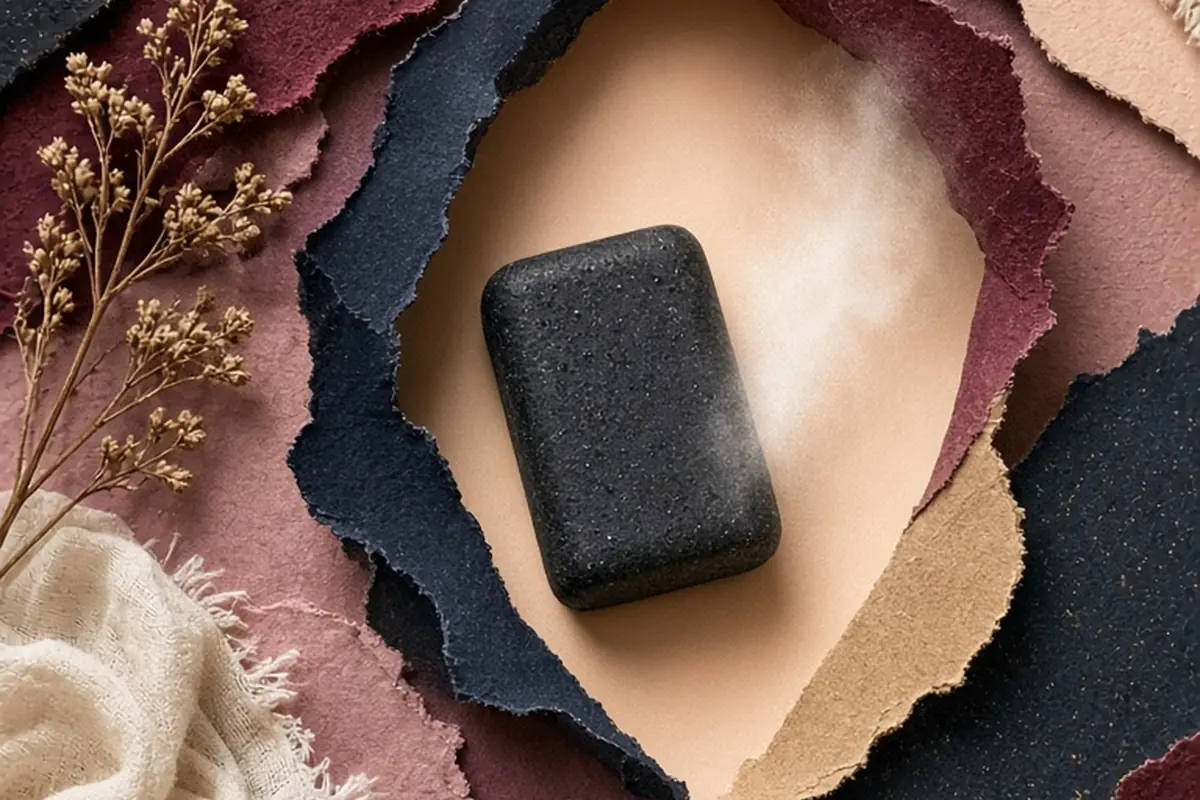
Charcoal soap can help improve mild acne, blackheads, and oily congestion by binding to surface sebum, dead skin cells, and daily grime. However, it is not a cure for inflammatory or cystic acne because it cannot kill acne-causing bacteria or regulate hormones. When used improperly, harsh charcoal bars can strip moisture, making balanced formulation and proper hydration essential.
Walking down the skincare aisle reveals dozens of deep-black soaps promising to detoxify pores and erase breakouts overnight. Understanding what activated charcoal genuinely accomplishes on a physical level allows you to decide whether adding a charcoal bar or cleanser fits your specific breakout pattern and skin type.
How Activated Charcoal Interacts with Oily and Acne-Prone Skin
Activated charcoal is carbon processed at very high temperatures to create millions of microscopic, highly porous pockets across its surface area. When incorporated into a cleansing vehicle, charcoal functions through a physical process called adsorption, where positively charged molecules like excess sebum, micro-pollutants, and cellular residue adhere to the porous, negatively charged surface of the charcoal particles. As you rinse the soap away, those trapped impurities wash down the drain rather than remaining settled inside open follicular openings.
While this physical attraction makes activated charcoal an efficient degreaser, it is important to distinguish adsorption from chemical or biological acne eradication. Charcoal does not penetrate deeply into living dermal tissue, alter sebaceous gland output, accelerate cellular turnover, or destroy Cutibacterium acnes bacteria. Instead, it serves primarily as an intensive surface clarifier that keeps excess lipids and ambient debris from creating the dense plugs that initiate new blemish formation.
The Types of Breakouts Charcoal Soap Can and Cannot Treat
Because charcoal excels at binding to surface lipids, it is most beneficial for non-inflammatory acne lesions, including open comedones (blackheads) and small closed comedones (whiteheads) caused by surface congestion. People who experience heavy T-zone shine, large congested pores around the nose and chin, or superficial breakouts triggered by sweat and athletic activity often notice smoother skin texture and less visible pore congestion after using a well-formulated charcoal cleanser.
Conversely, charcoal soap has limited utility against deep inflammatory blemishes, such as painful papules, pustules, nodules, and cystic lesions. These inflammatory breakouts originate deep within the pilosebaceous unit under the influence of fluctuating hormones, systemic inflammation, and bacterial proliferation. Scrubbing the surface of inflamed or cystic skin with a clarifying charcoal bar can easily irritate active lesions, causing micro-tears in fragile skin and worsening overall redness.
Evaluating Bar Soaps Versus Liquid Cleansers with Charcoal
The physical format of your charcoal product plays a massive role in how your skin barrier reacts. Traditional solid bar soaps are frequently created through saponification, a chemical reaction between fats and a strong alkali like sodium hydroxide. This process yields a naturally alkaline pH, typically hovering between 8.5 and 10. Because healthy facial skin maintains an acidic mantle with an optimal pH between 4.5 and 5.5, high-pH charcoal bar soaps can disrupt the moisture barrier, leaving facial skin feeling tight, dry, and vulnerable to irritation.
To mitigate this risk, many modern brands formulate syndet (synthetic detergent) bars or liquid charcoal gel cleansers calibrated to skin-neutral pH levels. These formulations blend activated charcoal with hydrating humectants and barrier-supporting lipids, allowing the charcoal to draw away excess oil without completely depleting essential surface moisture.
When reading product ingredient labels, consider looking for the following balanced components to protect your skin barrier:
- Humectants like vegetable glycerin, hyaluronic acid, or aloe vera to pull moisture back into outer skin layers.
- Nourishing plant oils like jojoba, squalane, or sunflower seed oil that cushion the cleansing action.
- Gentle surfactants such as coco-glucoside or sodium cocoyl isethionate rather than harsh sodium lauryl sulfate.
- Soothing botanicals like green tea extract, colloidal oatmeal, or chamomile to calm irritation.
Matching Charcoal Cleansers to Your Specific Skin Type
Skin type dictates how frequently and successfully you can use charcoal products. Individuals with genuinely oily, thick, or resilient skin tend to tolerate daily or alternate-day charcoal cleansing well, especially during hot, humid summer months when sebum production spikes. For this group, a brief nightly wash helps remove sunscreen, sweat, and oxidized oils before nighttime serums are applied.
If you have dry, sensitive, or compromised skin, everyday use of charcoal soap can quickly lead to barrier breakdown, flaking, and reactive seborrhea, which occurs when parched skin overcompensates by pumping out even more oil. Those with dry or easily flushed skin should either bypass charcoal soaps entirely in favor of creamy, non-foaming cleansers or reserve a mild charcoal wash for targeted spot application once a week.
Combination skin types can benefit from strategic zoning rather than whole-face washing. Lathering the charcoal soap primarily over oily areas such as the forehead, nose, and chin while using a gentler wash on dry cheeks prevents localized dehydration while keeping congested areas visibly refined.
Using Charcoal Soap for Chest, Back, and Body Breakouts
The skin on the back, shoulders, and chest contains a high concentration of sebaceous glands and is subject to friction from clothing and trapped sweat from workouts. Because body skin is thicker and generally more resilient than facial skin, it tolerates the robust cleansing action of charcoal bar soap significantly better. A charcoal body bar is particularly convenient for post-exercise showers to lift dried sweat and prevent clogged body pores.
Even on the body, friction should be kept to a minimum. Instead of dragging a textured bar directly across sensitive or inflamed breakouts on the back or chest, work the soap into a rich lather between wet palms or on a soft washcloth before gently applying it to the skin. Rinse thoroughly with lukewarm water, as lingering soap residue combined with tight athletic wear can create secondary irritation.
Step-by-Step Routine for Integrating Charcoal Soap Safely
Introducing a strong clarifying cleanser requires a deliberate approach to avoid overwhelming your skin. Start by replacing your usual evening cleanser with charcoal soap only two nights per week, carefully monitoring how your complexion feels the following morning. If your skin feels soft and supple rather than taut or squeaky, you can gradually increase frequency based on oil levels.
Proper application technique also matters. Charcoal cleansers work on contact and do not require vigorous scrubbing or extended dwell times on facial skin. Leaving charcoal soap on your face like a drying mask can quickly strip the stratum corneum, creating redness and microscopic cracking.
Follow this basic application workflow to maintain moisture balance:
- Splash face with lukewarm water to loosen surface impurities without scalding the barrier.
- Lather the soap in wet hands until a smooth, rich foam forms.
- Massage gently across the skin in light circular motions for roughly 30 to 45 seconds.
- Rinse completely with tepid water until no gray or black tint remains.
- Pat skin gently with a clean towel, leaving the surface slightly damp.
- Apply a hydrating toner or serum immediately to lock in moisture, followed by a nourishing moisturizer.
Recognizing Signs of Over-Cleansing and Barrier Damage
One of the most common pitfalls when treating acne is equating a tight, squeaky-clean sensation with cleanliness. In reality, that tight feeling indicates that your lipid barrier has been stripped of the natural ceramides, cholesterol, and fatty acids needed to seal moisture inside and keep environmental irritants out. When the skin barrier is damaged, opportunistic bacteria can penetrate more easily, paradoxically sparking new clusters of red, tender pimples.
If you notice persistent stinging when applying gentle moisturizers, visible flaking around the mouth and nose, unusual redness, or a shiny but rough surface texture, your skin is signaling over-exfoliation. Immediately discontinue the charcoal soap and simplify your routine to a non-foaming hydrating cleanser, a ceramide-rich barrier repair cream, and daily mineral sunscreen until your barrier feels comfortable and resilient again.
Pairing Charcoal with Proven Acne-Fighting Active Ingredients
Because charcoal primarily tackles surface oil, individuals dealing with persistent acne often need complementary active ingredients with proven biological actions. Salicylic acid (a beta-hydroxy acid) pairs well with charcoal by dissolving sebum inside the pore lining, while benzoyl peroxide targets Cutibacterium acnes bacteria directly. Topical retinoids, such as adapalene, accelerate cellular turnover to keep pores from plugging at the root level.
To avoid severe irritation, do not layer multiple strong drying agents at the exact same time. For example, if you use a charcoal cleanser at night, avoid following it immediately with high-strength exfoliating acids or leave-on benzoyl peroxide masks. Instead, alternate your active treatments across different days or use a gentle, basic cleanser on nights when applying potent retinoids. If breakouts remain inflamed, persistent, or leave scars, scheduling a consultation with a board-certified dermatologist provides targeted access to medical-grade treatments tailored to your specific hormonal and genetic profile.
Frequently asked questions
Can I use charcoal soap every day for acne?
If you have very oily, thick, or resilient skin, you may be able to use a gentle charcoal cleanser once daily. Those with dry, sensitive, or combination skin should limit use to two or three times a week to prevent barrier damage and excessive dryness.
Does charcoal soap help with acne scars and dark marks?
Charcoal soap does not fade post-inflammatory hyperpigmentation or smooth indented acne scars because it does not inhibit melanin production or stimulate collagen. Fading dark spots requires ingredients like vitamin C, azelaic acid, niacinamide, and daily broad-spectrum sun protection.
Can charcoal soap cause my skin to break out or purge?
Activated charcoal does not increase cell turnover, so it does not cause true skin purging. If you notice a sudden wave of new breakouts after using charcoal soap, it is likely a sign of irritation, an allergic reaction to fragrance, or a disrupted moisture barrier.
Is charcoal soap safe for sensitive skin?
Charcoal soap is often too drying for sensitive skin, particularly if formulated as a traditional high-pH solid bar. If you have sensitive skin and want to try charcoal, look for a liquid, fragrance-free cleanser enriched with soothing ingredients like aloe or glycerin, and patch test it first.
Your next step
Inspect your current cleanser's ingredient list and skin feel, then try swapping in a gentle, pH-balanced charcoal soap just twice a week in the evening to evaluate whether it cuts excess oil without causing dryness or tightness.