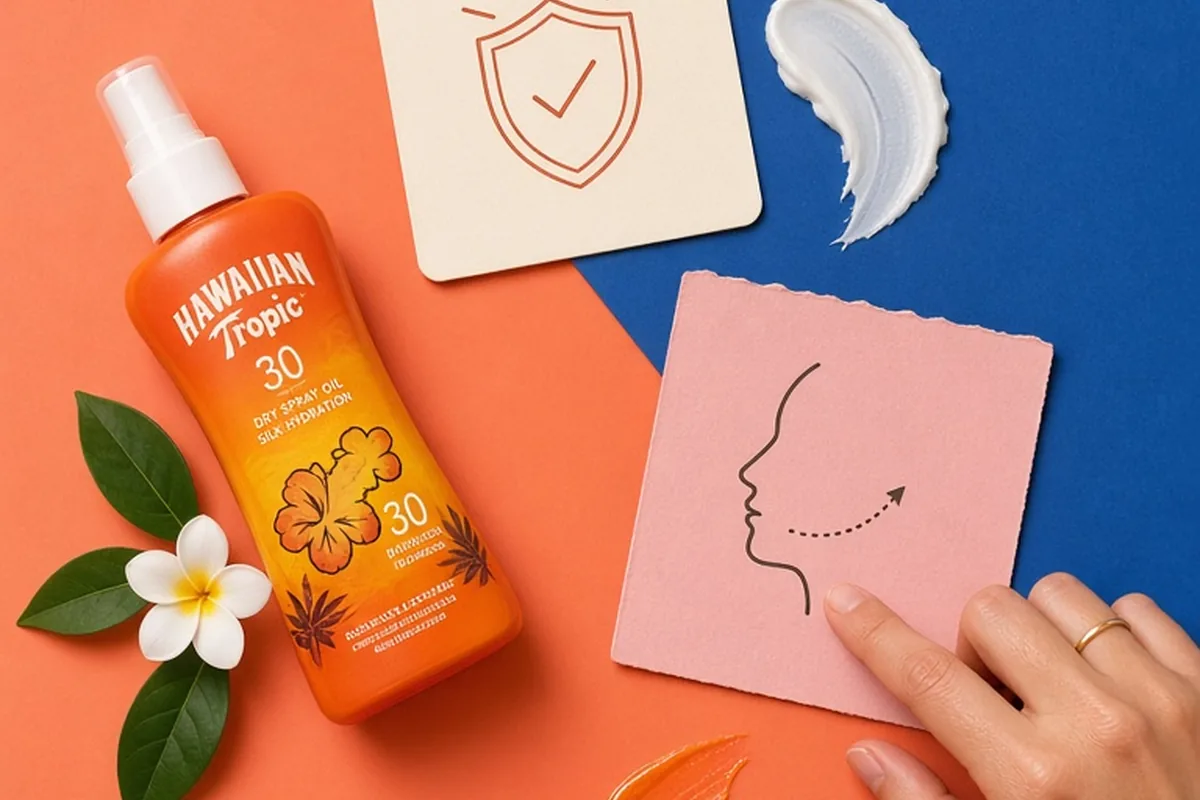
Hawaiian Tropic sunscreen is generally good for everyday body sun protection if you enjoy lightweight hydration, tropical scents, and a dewy finish without spending heavily. However, its signature added fragrance and chemical UV filters may irritate sensitive, acne-prone, or eczema-prone skin, making specialized facial formulas a safer choice for delicate complexions.
Sunscreen only works when people actually wear it consistently, which has made Hawaiian Tropic a recognizable drugstore staple for decades. The brand built its reputation on making sun care feel more like a vacation treat than a clinical chore, but modern skincare standards demand a closer look at whether these formulas truly hold up for daily use.
Formula Performance and Broad-Spectrum Sun Protection
At its core, Hawaiian Tropic delivers reliable, broad-spectrum sun defense that shields the skin from both ultraviolet A (UVA) and ultraviolet B (UVB) rays. UVA rays penetrate deep into the dermis, contributing to premature aging, fine lines, and long-term cellular damage, while UVB rays are the primary cause of painful sunburns. Modern Hawaiian Tropic lotions and sprays are formulated with standard, globally recognized active ingredients like avobenzone, octocrylene, and homosalate, which work together to absorb and dissipate solar radiation before it harms your skin barrier.
When evaluated against standard sun safety benchmarks, bottles labeled SPF 30 or SPF 50 provide roughly 97 to 98 percent protection against UVB rays when applied in the recommended volume. The brand adheres to standardized testing protocols, meaning the stated protection level is accurate under controlled laboratory settings. For routine daily wear, weekend gardening, or an afternoon walk, a properly applied Hawaiian Tropic lotion will prevent burning just as effectively as higher-priced boutique alternatives.
The primary limitation in real-world performance is rarely the formulation itself, but rather human application error. Many users love the silky feel so much that they rub in only a thin sheen, inadvertently cutting their actual SPF rating by half or more. To achieve the protection advertised on the label, you must apply approximately one ounce—enough to fill a standard shot glass—over your entire exposed body.
Texture, Finish, and Everyday Cosmetic Elegance
One of the strongest arguments in favor of Hawaiian Tropic is its cosmetic appeal. Historically, high-protection sunscreens were infamous for being thick, pasty, and difficult to spread without leaving a greasy film on everything you touched. Lines like Hawaiian Tropic Silk Hydration and Sheer Touch addressed this frustration directly by incorporating ribboned moisturizing gels, botanical extracts, and lightweight emollients like shea butter.
These formulas absorb relatively quickly, leaving behind a subtle sheen rather than an oily residue. For people with normal, dry, or dehydrated skin, this luminous dry-down doubles as a body moisturizer that keeps limbs looking hydrated in warm weather. Because the product feels pleasant and looks flattering, users are far more likely to apply it willingly every morning, solving one of the biggest hurdles in dermatological health.
However, cosmetic finish is subjective, and this glow is not universally beneficial. If you naturally have very oily skin or live in an exceptionally humid climate, the radiant finish can easily cross the line into feeling slick or suffocating. Those who prefer a completely matte, velvety dry-down may find traditional Hawaiian Tropic formulas a bit too rich for their aesthetic preferences.
The Fragrance Factor and Skin Sensitivity Concerns
The defining hallmark of Hawaiian Tropic is its potent, nostalgic scent—a rich blend of coconut, mango, passion fruit, and tropical florals. For millions of consumers, this sensory profile is the main selling point, transforming a mundane hygiene step into an uplifting ritual. If your skin is resilient and you enjoy scented body care, this aromatic profile makes regular sunscreen usage genuinely enjoyable.
Conversely, heavy fragrance is the primary downside of the brand for anyone with reactive skin. Synthetic perfumes and natural botanical extracts are among the most common triggers for allergic contact dermatitis, redness, itching, and dry patches. Applying heavily fragranced chemical lotions to compromised skin barriers, active eczema flares, or rosacea can lead to stinging and inflammation.
Furthermore, applying fragranced chemical lotions close to the eyes often causes tearing and burning as the product warms up and migrates throughout the day. If you have a known sensitivity to perfume, a history of skin allergies, or easily irritated eyes, standard Hawaiian Tropic lotions are likely to cause discomfort, making fragrance-free alternatives a far safer route.
Facial Application Versus Full-Body Coverage
While Hawaiian Tropic body lotions excel at covering arms, legs, and shoulders, using those same classic body formulas on your face is often problematic. Standard body sunscreens contain richer emollients, heavy conditioning waxes, and concentrated fragrances that are designed to soften thicker body skin. On the delicate, sebaceous skin of the face, these heavy ingredients can easily clog pores, trigger whiteheads, and exacerbate cystic acne.
To serve facial care needs, the brand developed dedicated options such as Hawaiian Tropic Weightless Face and Mineral Skin Nourishing Face Milks. These facial variants feature thinner, fluid textures, oil-free hydration, and significantly reduced or eliminated fragrance profiles. They sit reasonably well under daily makeup, resisting the pilling and excessive shine common with body lotions.
If you are deciding how to integrate the brand into your routine, a hybrid strategy works best. Using an affordable Hawaiian Tropic lotion for neck-down body protection allows you to save money while enjoying the signature texture, while pairing it with a dedicated, non-comedogenic facial sunscreen preserves your complexion from unexpected breakouts.
Comparing Chemical Formulas and Mineral Offerings
Hawaiian Tropic built its legacy on organic, chemical UV filters, but shifting consumer preferences have prompted the brand to introduce mineral-based options. Understanding the operational difference between these two categories helps ensure you buy the right bottle for your specific skin needs.
The classic chemical formulas use active ingredients like avobenzone and octisalate to convert UV rays into harmless heat. These lotions are nearly invisible upon application, making them exceptionally flattering on deeper skin tones because they leave no chalky, purple, or ashy cast. They spread effortlessly over large surface areas, making them ideal for quick morning application before heading out the door.
The mineral line, by contrast, relies on zinc oxide to physically reflect and scatter sunlight away from the skin surface. Zinc oxide is inherently soothing and far less likely to irritate sensitive skin or sting the eyes, making Hawaiian Tropic Mineral Milk a compelling compromise for reactive complexions. The trade-off is spreadability; while newer mineral formulations are more fluid than past iterations, they still require extra blending time and may leave a faint cast on rich, melanin-dense skin tones.
Reapplication, Water Resistance, and Real-World Wear
A sunscreen's effectiveness depends heavily on how it behaves under active conditions like swimming, sweating, and towel drying. Most Hawaiian Tropic sport and leisure lotions claim up to 80 minutes of water resistance. This rating means the formula is engineered to adhere to the skin even when exposed to moisture, making it a dependable pick for pool days, beach trips, and outdoor workouts.
Continuous spray formats from Hawaiian Tropic offer rapid, convenient coverage for hard-to-reach areas like the back and shoulders. However, sprays carry a higher risk of under-application. Wind can blow away a substantial portion of the mist, and the thin layer deposited on the skin often looks sufficient before an adequate protective barrier has actually formed. To get true 80-minute durability from a spray, you must spray generously and rub the liquid into the skin with your hands.
Regardless of whether you choose a lotion or a spray, water resistance is not a permanent shield. Active enzymes in sweat, mechanical friction from towels, and physical contact with pool water steadily erode the protective film. You must consistently reapply every two hours—or immediately after eighty minutes of swimming or vigorous sweating—to maintain unbroken UV defense.
How to Choose the Right Bottle for Your Routine
Selecting the best Hawaiian Tropic product comes down to balancing your personal skin characteristics against your daily activities. Because the brand offers distinct product lines, picking randomly from the shelf can lead to mismatched expectations regarding shine, scent, and pore comfort.
For normal to dry body skin during daily outdoor leisure, the Silk Hydration or Sheer Touch lines with SPF 30 or 50 provide comfortable moisture, subtle luminosity, and dependable broad-spectrum defense. If your primary use involves intense outdoor cardio, lap swimming, or heavy sweating, the Island Sport line offers a more sweat-resistant, non-slip grip that stays put through physical movement.
If your skin reacts poorly to traditional drugstore sunscreens, skip the classic scented lines entirely. Instead, look specifically for the Hawaiian Tropic Mineral Skin Nourishing line, which trades synthetic filters and heavy perfumes for calming zinc oxide and gentle, lightweight hydration. Checking the front label carefully ensures you receive the exact protective balance your skin barrier requires.
Frequently asked questions
Is Hawaiian Tropic sunscreen safe for sensitive facial skin?
Traditional Hawaiian Tropic body lotions are not ideal for sensitive or acne-prone facial skin due to strong fragrances and rich emollients that may clog pores or trigger redness. If you want to use the brand on your face, choose their dedicated fragrance-free or mineral face milks, which are formulated specifically to avoid irritation.
Does Hawaiian Tropic sunscreen leave a white cast on darker skin tones?
The classic chemical formulas in the Silk Hydration and Sheer Touch lines absorb clearly without leaving any white or ashy cast on deep skin tones. However, their mineral zinc oxide products may require thorough rubbing and can still leave a subtle pale tint on rich complexions.
How often should you reapply Hawaiian Tropic during outdoor activities?
You should reapply Hawaiian Tropic sunscreen at least every two hours during standard dry outdoor wear. If you are swimming, sweating heavily, or towel drying, reapply immediately after 80 minutes of moisture exposure to maintain reliable broad-spectrum protection.
Is Hawaiian Tropic considered reef-friendly?
Many modern Hawaiian Tropic lotions are formulated without oxybenzone and octinoxate to comply with regional coral reef safety standards. To ensure environmental compliance for ocean swimming, inspect the specific packaging for reef-conscious labeling and non-nano mineral active ingredients.
Your next step
Test a small dab of your chosen Hawaiian Tropic formula on your inner arm for twenty-four hours to confirm your skin tolerates the fragrance before using it for full-body sun protection.