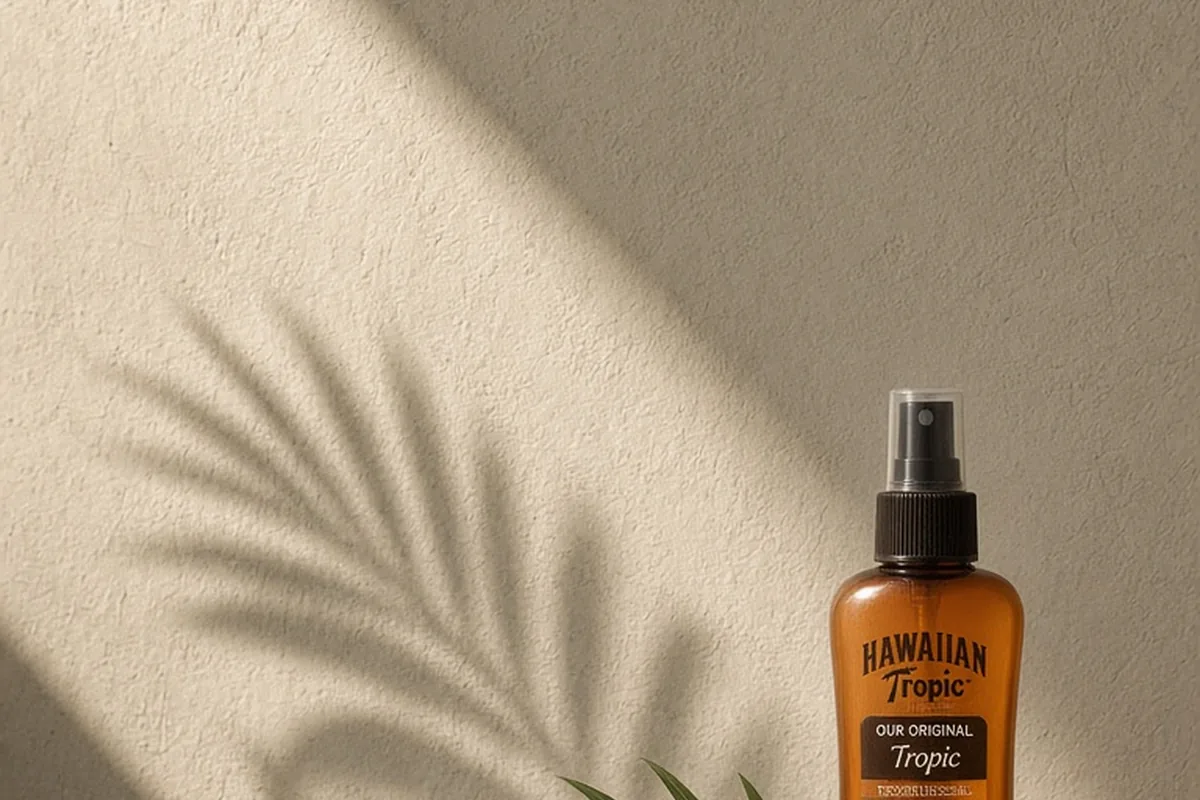
Hawaiian Tropic sunscreen is generally considered safe for everyday sun protection and meets standard over-the-counter regulatory guidelines for ultraviolet defense. Most formulas use approved chemical or mineral UV filters that effectively shield against UVA and UVB rays. However, people with sensitive, reactive, or acne-prone skin should inspect individual product labels, as signature fragrances, botanical extracts, and certain chemical filters can trigger allergic contact dermatitis or clogged pores.
When selecting sun protection for outdoor vacations or daily errands, Hawaiian Tropic is one of the most recognizable drugstore brands on the market. Known for its distinct tropical scent and lightweight hydrating textures, the brand offers broad-spectrum defense across multiple product lines, though individual skin tolerances vary significantly.
Active UV Filters and Regulatory Safety Standards
Hawaiian Tropic manufactures both chemical and mineral sunscreens that comply with regulatory safety monographs for over-the-counter sun protection. In traditional chemical formulations, the brand relies on common organic filters such as avobenzone, homosalate, octisalate, and octocrylene. These compounds work synthetically by absorbing ultraviolet radiation before it can penetrate and damage the cellular layers of the skin, converting the energy into harmless heat that dissipates naturally.
For consumers seeking physical ultraviolet barriers, the brand also produces mineral sunscreens formulated with active zinc oxide and titanium dioxide. These mineral particles sit primarily on the outer surface of the stratum corneum to reflect and scatter incoming rays. Both chemical and mineral varieties in the lineup carry broad-spectrum designations, confirming that laboratory testing has verified balanced protection against sunburn-causing UVB rays and deep-penetrating UVA rays responsible for premature aging.
While standard over-the-counter testing confirms these filters are safe for public use, individual biological responses differ. Chemical filters absorb into the outermost skin layers, which can occasionally cause stinging or ocular discomfort if applied too close to the lash line or on compromised skin barriers. Selecting between chemical and mineral options depends largely on your personal sensitivity profile and how your skin responds to different active ingredients.
Fragrance, Essential Oils, and Contact Dermatitis Risks
The defining sensory characteristic of Hawaiian Tropic is its signature coconut and tropical fruit fragrance blend. While this aroma makes application pleasant for many users, added fragrance represents one of the most common triggers for allergic contact dermatitis and cutaneous irritation. Fragrance compounds contain complex volatile molecules that can disrupt a delicate skin barrier, particularly during sustained sun exposure when heat accelerates chemical reactivity.
In addition to synthetic fragrance oils, several Hawaiian Tropic formulas incorporate botanical extracts such as plumeria, mango, guava, and passion fruit. While these botanicals provide antioxidant appeal, plant extracts are not inherently hypoallergenic. Individuals with histories of eczema, rosacea, or seasonal plant allergies may experience localized redness, itching, or tiny raised bumps known as papules after repeated application.
If you have a documented sensitivity to fragranced personal care items, you should approach standard scented lotions with caution. Opting for the brand's fragrance-free or sensitive skin variations, or conducting a twenty-four-hour patch test on the inner forearm prior to full-body application, allows you to gauge reactivity without risking widespread irritation.
Pore Clogging Potential and Acne-Prone Skin Considerations
Hawaiian Tropic body lotions and after-sun products are formulated to combat dryness, often incorporating rich emollient bases containing shea butter, cocoa seed butter, and coconut oil derivatives. While these rich lipids are effective at sealing moisture into dry body skin, they carry a relatively high comedogenic rating. When applied to the face or upper back of individuals predisposed to breakouts, heavy lipid emollients can trap dead skin cells and sebum inside follicular openings.
For facial use or acne-prone skin profiles, general body formulations are typically too occlusive. The combination of water-resistant polymers, thick carrier oils, and film-forming agents can exacerbate conditions like acne vulgaris, folliculitis, or fungal breakouts during hot, humid weather when sweat production is elevated.
To mitigate breakout risks while using the brand, select formulations specifically labeled as oil-free, non-comedogenic, or formulated specifically for the face. For example, Hawaiian Tropic's sheer facial serums and lightweight matte fluids utilize volatile silicones and lighter humectants like glycerin, which provide necessary sun defense without creating an overly occlusive barrier on congested skin.
Evaluating Aerosol Sprays Versus Traditional Lotions
A significant portion of the Hawaiian Tropic catalog consists of continuous aerosol spray sunscreens. Aerosol sprays provide rapid, mess-free coverage that appeals to athletes and beachgoers, but their delivery format introduces distinct safety and efficacy variables. The propellant gases in aerosol cans dilute the concentration of sunscreen actives dispensed per second, meaning users frequently apply far less product than the recommended two milligrams per square centimeter required to achieve the labeled Sun Protection Factor (SPF).
Inhalation safety is another critical consideration when using aerosolized sunscreen. Spraying chemical filters, alcohol carriers, and synthetic fragrances directly around the head increases the likelihood of aerosol particle inhalation, which can irritate lung tissue and mucous membranes. Wind dispersion during outdoor application can also blow a substantial portion of the mist away before it reaches the skin, leaving undetected coverage gaps that result in sunburn.
Traditional squeeze-bottle lotions remain the more reliable option for uniform defense and measured dosing. If you prefer the convenience of continuous sprays, follow safe application practices: spray the formula into the palms of your hands first before smoothing it over your face, apply the mist in well-ventilated areas, and continue spraying each limb until the skin develops an unmistakable, visible sheen before rubbing it in thoroughly.
Marine Safety and Coral Reef Environmental Standards
Environmental safety has become a central consideration for consumers purchasing sunscreen for coastal recreation. Historically, many mass-market sunscreens contained oxybenzone and octinoxate, two organic UV filters that municipal jurisdictions like Hawaii, Key West, and the US Virgin Islands have banned due to scientific concerns regarding coral bleaching and aquatic toxicity. In response to environmental legislation and consumer demand, Hawaiian Tropic has reformulated the majority of its North American catalog to omit oxybenzone and octinoxate.
Most current product packaging displays 'Reef Friendly' or 'Hawaii Act 104 Compliant' badges. However, consumers should understand that terms like 'reef safe' are marketing designations rather than federally standardized medical or ecological certifications. While omitting oxybenzone removes a significant coral toxin, other chemical UV filters, synthetic preservatives, and microplastics may still exert subtle ecological footprints in enclosed marine ecosystems.
When swimming in sensitive aquatic reserves, natural marine sanctuaries, or shallow reefs, selecting Hawaiian Tropic's non-nano mineral sunscreens provides a more conservative environmental profile. Non-nano zinc oxide remains suspended in the water column without entering coral cells, representing the lowest known ecological footprint among common commercial sun care ingredients.
Comparing Hawaiian Tropic Formulations for Different Skin Needs
Navigating the product aisle requires matching specific product lines to individual skin types and environmental demands. The Hawaiian Tropic lineup spans several distinct textures, each engineered with different vehicle bases and active ingredient balances to serve varying preferences.
Understanding how each sub-line performs helps prevent mismatched product choices that could lead to unnecessary breakouts, stinging, or inadequate moisture balance throughout the day.
- Silk Hydration Line: Features dual-ribbon moisturizing ribbons containing silk protein and glycerin; optimal for normal to dry body skin, but occasionally too emollient for facial areas prone to acne.
- Island Sport Line: Designed with high water resistance and breathable polymers that resist stinging sweat during high-exertion workouts or water sports.
- Mineral Skin Nourishing Line: Employs naturally sourced zinc oxide without synthetic chemical filters or heavy synthetic dyes; best suited for reactive, easily irritated, or post-procedure skin.
- Weightless Face Serums: Formulated with ultra-thin vehicle bases, mattifying silica, and non-greasy textures designed specifically to wear comfortably underneath cosmetic makeup.
Proper Application and Reapplication for Maximum Safety
The safety and protective performance of any sunscreen depend entirely on consistent and accurate application technique. Under-application is the leading cause of sunscreen failure; studies consistently demonstrate that typical consumers apply only twenty-five to fifty percent of the product volume required to reach the SPF rating printed on the container. For full-body coverage, an average adult requires approximately one full ounce—equivalent to a standard shot glass—of lotion distributed across all exposed areas.
Chemical formulas require roughly fifteen minutes after application to form a coherent, continuous protective film across the skin before sun exposure begins. If you enter the water or begin sweating heavily immediately after application, the sunscreen film washes away prematurely. Even water-resistant formulations rated for eighty minutes degrade as water, towel friction, and natural skin oils displace the protective barrier.
Reapply your sunscreen every two hours during prolonged outdoor activity, and immediately after swimming, heavy sweating, or vigorous towel drying. Layering your sunscreen over clean, dry skin rather than over heavy occlusive body oils ensures proper film formation and prevents accidental degradation of the active UV filters.
Frequently asked questions
Can I use Hawaiian Tropic body sunscreen on my face?
While body lotions are safe in terms of sun filter efficacy, they frequently contain rich emollients and fragrances that can clog facial pores or irritate the sensitive skin around your eyes. It is better to use the brand's dedicated facial formulations, which feature lighter, non-comedogenic bases.
Does Hawaiian Tropic sunscreen contain benzene?
Recent manufacturing quality audits across the sunscreen industry led brands to tighten raw material testing protocols to eliminate trace aerosol contamination. Hawaiian Tropic products currently sold through authorized retail channels comply with standard safety guidelines for purity and stability.
Is Hawaiian Tropic safe for children and toddlers?
Standard scented chemical lotions are generally not recommended for infants or very young children, who have thinner, more absorbent skin barriers. For children older than six months, mineral-based sunscreens without added fragrance provide gentler, less irritating broad-spectrum protection.
Does Hawaiian Tropic sunscreen expire?
Yes, all over-the-counter sunscreens carry a finite shelf life, typically spanning two to three years from manufacture. You should check the expiration date stamped on the container crimp or base, and discard any bottle that has separated, changed color, or developed an off odor.
Your next step
Inspect your preferred Hawaiian Tropic product label for fragrance and active filter types, then perform a quick patch test on your forearm before heading out into full sun.