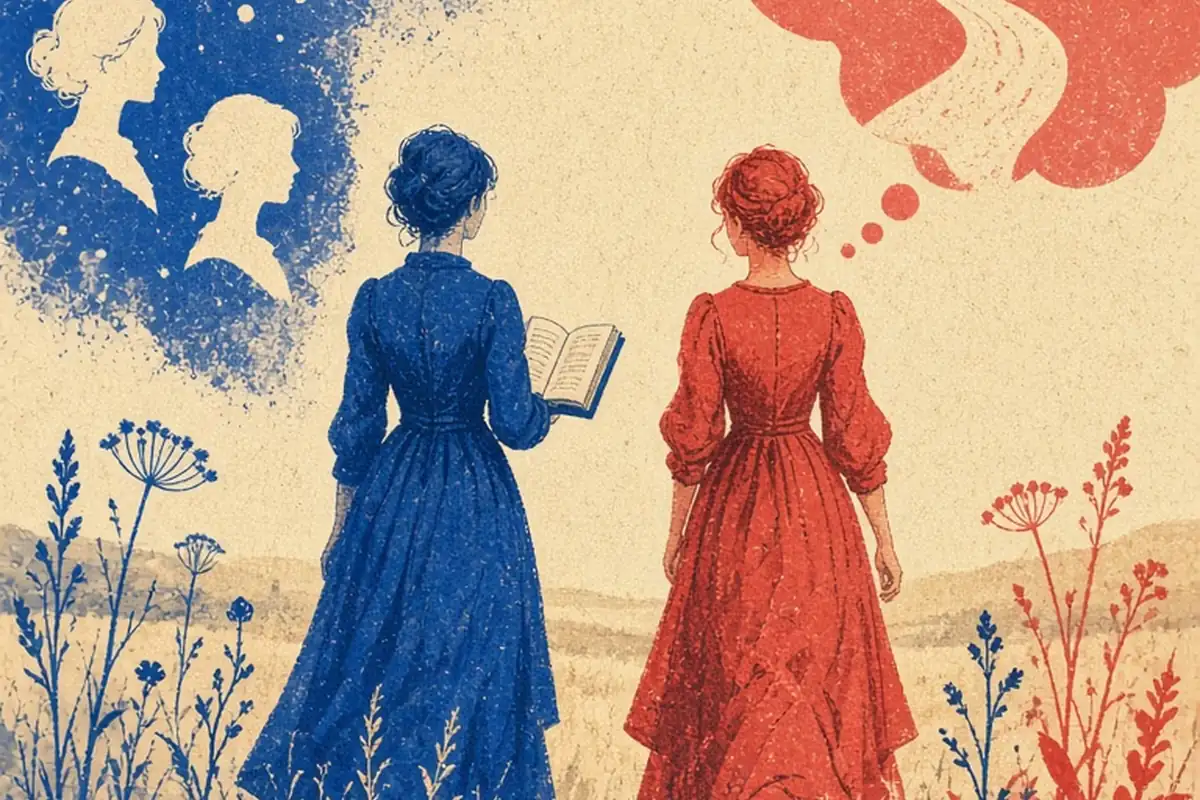
Yes, Little Women is widely considered a classic novel worth reading because of its enduring characters, emotional honesty, and exploration of family, ambition, and independence. While its nineteenth-century moral tone and episodic pace may feel gentle compared to modern fiction, its relatable sister dynamics, witty dialogue, and timeless coming-of-age struggles make it rewarding for readers of all ages and genders.
Many people encounter Louisa May Alcott's 1868 novel through film adaptations or school reading lists, wondering if the actual book holds up to modern expectations. Looking past its cozy reputation reveals a surprisingly sharp, grounded narrative about growing up, managing personal ambitions, and navigating relationships.
Why the Characters and Sister Dynamics Still Feel Real
At the heart of Little Women is the March family: four sisters living in modest circumstances in Massachusetts during the American Civil War. What elevates the novel above many other nineteenth-century domestic stories is how distinctly individual each sister is. Meg struggles with vanity and the desire for social luxury; Jo is fiercely independent, hot-tempered, and determined to be a writer; Beth is painfully shy, musical, and deeply empathetic; and Amy is ambitious, image-conscious, and artistically inclined. Their interactions never feel idealized. They bicker over borrowed clothes, nurse petty jealousies, and make genuine mistakes that carry real consequences.
A prime example of this realism is the conflict between Jo and Amy after Jo refuses to take Amy to the theater. In retaliation, Amy burns Jo's handwritten manuscript, destroying years of creative work. Jo's initial fury and refusal to forgive Amy nearly leads to tragedy on the ice pond. Alcott does not present the sisters as flawless moral beacons, but as flawed young people learning how to live with strong emotions. This psychological honesty makes the sisters feel authentic across generations, allowing readers to recognize their own family dynamics, rivalries, and reconciliations in the March household.
The Key Themes That Resonate Across Generations
While Little Women is often categorized as a cozy domestic novel, it deals directly with heavy, practical anxieties that remain relevant today. Financial insecurity runs through nearly every chapter. The March family has fallen on hard times, and the sisters must navigate the daily reality of threadbare dresses, budgeting for small treats, and confronting the social divide between themselves and wealthier peers. The book explores how economic pressure impacts self-esteem, romantic prospects, and life choices without ever descending into pure cynicism.
Another central theme is the tension between personal ambition and duty to others. Jo March fights against the narrow expectations placed on nineteenth-century women, earning money with her sensational stories and refusing to marry simply for financial security. At the same time, the novel examines the quiet dignity of domestic labor and community support. By presenting contrasting paths through Jo, Meg, and Amy, Alcott demonstrates that there is no single correct way to build a meaningful adult life, encouraging readers to balance self-expression with responsibility.
Understanding the Writing Style, Pacing, and Tone
Reading Little Women requires adjusting to the pacing and literary conventions of the late Victorian era. The novel is largely episodic, structured around seasonal events, family experiments, holiday traditions, and quiet character milestones rather than a single high-stakes plot engine. The prose is conversational and full of warmth, but it also includes explicit moral lessons and allegorical references, particularly drawn from John Bunyan's The Pilgrim's Progress. Alcott frequently uses chapter conclusions to highlight a virtue such as patience, thrift, or humility.
For some readers, this overt moralizing can feel dated or slightly heavy-handed. However, much of that moral framework is softened by Alcott's wry humor and self-awareness. Characters frequently fail to uphold the high standards they set for themselves, leading to humorous moments like Meg's failed attempts at cooking jelly or Jo's culinary disasters. Approaching the book with an understanding of its historical context allows modern readers to appreciate its charm without being put off by its didactic moments.
How the Novel Handles Romance, Friendship, and Rejection
One of the most compelling aspects of Little Women is how it treats emotional relationships with maturity rather than simple wish fulfillment. The central dynamic between Jo March and Theodore 'Laurie' Laurence begins as a joyful, boisterous friendship between two lonely, energetic neighbors. When Laurie eventually confesses romantic feelings for Jo, her rejection is painful, honest, and definitive. Jo recognizes that while she loves Laurie dearly as a companion and brother, their temperaments would clash in a marriage.
This narrative choice remains refreshing because it validates female autonomy and shows that compatibility requires more than fond memories. Laurie's subsequent journey toward emotional maturity and his eventual union with Amy demonstrates that heartbreak is survivable and that adult love can develop through shared growth and mutual respect. Similarly, Jo's eventual partnership with Professor Bhaer is grounded in intellectual equality, constructive criticism, and shared values rather than instant passion.
Who Will Enjoy Little Women and Who Might Find It Challenging
Little Women is an exceptional read for anyone who enjoys character-driven historical fiction, coming-of-age narratives, and deep explorations of family life. Readers who appreciate authors like Jane Austen, the Brontë sisters, or L.M. Montgomery will find familiar pleasures in Alcott's blend of sharp dialogue and emotional warmth. It is also deeply rewarding for writers and creative individuals who relate to Jo's artistic drive, professional self-doubt, and the struggle to find one's authentic voice.
Conversely, readers looking for fast-paced plotting, intricate mystery, or gritty realism might find the domestic scale and gentle pacing frustrating. The episodic structure means conflicts are often resolved within a single chapter, and the heavy emphasis on moral self-improvement can feel sentimental to those who prefer dark or morally ambiguous modern literature. Knowing what kind of storytelling experience you prefer will help set the right expectations before opening the book.
Practical Tips for Reading and Getting the Most Out of the Text
When picking up Little Women, make sure you choose a complete edition. The novel was originally published in two volumes: Little Women in 1868 and Good Wives in 1869. Most modern American editions combine both parts into a single volume under the title Little Women, following the characters from early adolescence into full adulthood, marriage, and career choices. Checking the table of contents to ensure it contains forty-seven chapters will guarantee you have the full narrative.
To get the richest experience, read the text alongside a basic understanding of Louisa May Alcott's own life. Jo March is heavily autobiographical, reflecting Alcott's experiences as a working writer supporting her family and her refusal to conform to conventional domestic roles. Listening to a well-narrated audiobook or reading the novel at a steady, unhurried pace can also make the nineteenth-century sentence structures feel natural and lively.
Illustrative Scenarios
A Reader Confronting Genre Assumptions
Julian joined a neighborhood reading group that selected Little Women. Having only known the title by reputation, he initially assumed it was a lightweight romance aimed solely at young women and considered skimming the chapters. As he read, he was surprised by the frank discussions of economic anxiety, Laurie's struggle to find direction under family pressure, and the honest portrayal of grief following illness. Julian chose to engage with the text on its own terms rather than relying on preconceived notions, participating in thoughtful discussions about career ambitions and family responsibility.
Key point: Looking past cultural stereotypes about classic literature often reveals complex, universal themes that speak to readers across diverse backgrounds.
Reframing Personal Comparison and Ambition
Claire felt overwhelmed by comparison while watching colleagues pursue different career and lifestyle paths, leading to self-doubt about her own slower creative goals. While reading Little Women, she noticed how Meg, Jo, and Amy each defined fulfillment differently: Meg through domestic life, Jo through creative independence, and Amy through artistic discipline and social elegance. Seeing that Alcott respected each sister's choices without forcing them into the same mold helped Claire clarify her own values. She stopped measuring her progress against others and focused on her specific path.
Key point: Literature that showcases diverse ways of building a meaningful life can provide clarity and reduce unnecessary social comparison.
Frequently asked questions
Is Little Women difficult to read for modern readers?
Little Women is relatively accessible compared to many other nineteenth-century classics. While the vocabulary is rich and the sentence structures are longer than modern prose, the conversational tone and engaging character dynamics make it easy to follow.
Should I read the book or watch one of the movie adaptations first?
Reading the book first allows you to experience Alcott's original voice, humor, and character development without being influenced by cinematic choices. However, watching an acclaimed adaptation like the 1994 or 2019 film can also serve as a welcoming entry point if you want an overview of the story.
Is Little Women suitable for adult readers, or is it only for teenagers?
Although originally marketed toward young readers, Little Women contains nuanced themes of financial hardship, artistic integrity, grief, and adult compromise that make it equally compelling for adults. Many readers find that revisiting the book at different stages of life reveals new depths.
Your next step
Pick up a complete edition containing all forty-seven chapters and read the first three chapters with an open mind, focusing on how the characters' personal flaws and financial challenges mirror real life today.