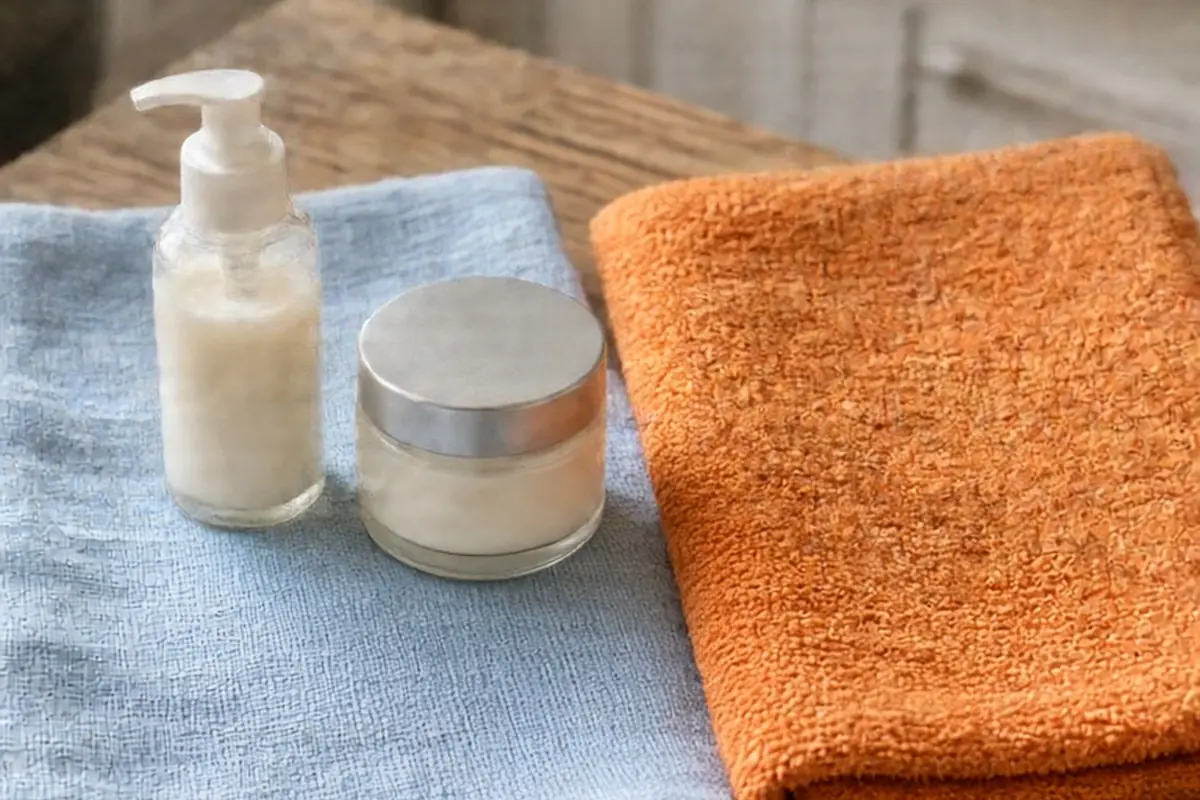
No, lotion and moisturizer are not the exact same thing. Moisturizer is an overarching category of products designed to add hydration and seal water into the skin. Lotion is a specific type of moisturizer formulated with a high water-to-oil ratio, giving it a light, easily spreadable consistency. In short, all lotions are moisturizers, but not all moisturizers are lotions.
Navigating personal care aisles often creates unnecessary confusion when shelves are filled with bottles, tubs, and pumps labeled as creams, hydrating lotions, balms, and daily moisturizers. Understanding how these product classifications relate makes it far simpler to choose a formula that supports your skin barrier, fits your climate, and feels comfortable throughout the day.
The Core Difference Between Category and Texture
To understand the distinction between a lotion and a moisturizer, it helps to think in terms of function versus form. Moisturizer is a broad functional umbrella. Any topical skincare formulation designed to hydrate the skin, soften its outer layer, or prevent moisture loss falls into the moisturizer category. This family includes lightweight fluids, water gels, whipped creams, dense body butters, and thick barrier balms.
A lotion, by contrast, is one specific vehicle within that broader moisturizer umbrella. Chemically, lotions are light emulsions consisting of a higher proportion of water blended with a lower concentration of oils and emulsifiers. Because water is usually the dominant ingredient, lotions pour easily from a bottle or dispense smoothly through a pump. When you reach for a lotion, you are using a moisturizer, but you are choosing a specific weight, texture, and absorption speed tailored to mild hydration rather than deep, heavy-duty repair.
How Moisturizers Work on the Skin Barrier
Every effective moisturizing product relies on a strategic balance of three core ingredient mechanisms: humectants, emollients, and occlusives. Humectants, such as glycerin and hyaluronic acid, draw moisture from the environment or from deeper layers of the epidermis toward the skin surface. Emollients, which include ingredients like squalane, fatty acids, and plant seed oils, fill the tiny micro-cracks between shedding skin cells, creating a smoother texture and flexible barrier.
The third component consists of occlusives, such as petrolatum, shea butter, beeswax, and dimethicone, which form a protective film over the skin to slow down transepidermal water loss. The defining difference between different moisturizing products is the ratio in which these three mechanisms are combined. While a rich barrier cream carries a high load of heavy occlusives and rich emollients to trap moisture aggressively, a lotion leans heavily on water and humectants with just enough light emollient action to soften the surface without leaving a greasy sheen.
The Characteristics and Best Uses of Lotions
Because of their high water content, lotions offer unique practical advantages that make them a staple in everyday routines. They spread effortlessly across large areas of the body, sink into the skin within seconds, and generally leave little to no sticky residue behind. This quick absorption makes lotion the preferred choice for people who need to moisturize quickly in the morning before pulling on tight clothing or applying makeup.
Lotions perform exceptionally well on normal to mildly dry skin types, as well as in warm, humid weather when heavier formulations might feel suffocating or cause excessive sweating. However, there is an inherent trade-off to their lighter composition. Because the water in a lotion evaporates relatively quickly and the occlusive barrier is thin, a standard lotion may struggle to relieve severely chapped skin, eczema-prone patches, or extreme dryness caused by harsh winter winds or indoor heating.
Common practical uses for standard lotions include the following daily applications:
- Post-shower full-body hydration when you need fast absorption before dressing
- Daytime facial moisturizing under sunscreen or makeup for oily and combination skin
- Frequent hand application at a work desk where greasy fingerprints on screens or keyboards would be inconvenient
- Warm-weather maintenance when heavier creams feel cloying or heavy
Comparing Other Common Types of Moisturizers
To see where lotions sit in the wider world of moisturizers, it is useful to compare them directly to alternative textures. Creams, for instance, contain a higher ratio of oil to water compared to lotions, giving them a thicker, semi-solid consistency that often comes in jars or squeeze tubes. Creams deliver deeper nourishment, making them well-suited for dry, mature, or sensitized skin that needs a sturdier protective layer against the elements.
Gels and gel-creams represent an even lighter texture than traditional lotions. Formulated primarily with water, alcohol-free polymers, and concentrated humectants, gels provide an immediate burst of cooling hydration without any perceptible oiliness, making them ideal for breakout-prone or very oily skin. On the opposite end of the spectrum, ointments and balms are virtually water-free, relying almost entirely on occlusive waxes, butters, and oils to create an intensive seal over cracked, peeling, or severely irritated patches.
Choosing the Right Option for Your Skin Type and Climate
Selecting between a lightweight lotion and a richer moisturizing cream comes down to two primary variables: your natural skin type and your immediate environment. If your skin produces noticeable oil by midday, feels slick across the T-zone, or is prone to congested pores, a lightweight, oil-free lotion or fluid moisturizer provides necessary surface hydration without clogging pores or feeling heavy.
Conversely, if your skin frequently feels tight, looks flaky, or lacks natural bounce, a standard lotion may not provide enough lipid replenishment. Dry skin types usually thrive with medium-to-rich creams that restore essential fatty acids. Climate also dictates regular adjustments; many people comfortably use a light lotion throughout the hot, humid summer months but find they must transition to a heavier moisturizing cream once winter temperatures drop and indoor radiators sap ambient humidity.
Face Lotions Versus Body Lotions
Another critical distinction is the formulation difference between lotions formulated for the face versus those made for the body. The skin on your face is thinner, possesses a higher density of sebaceous oil glands, and is generally more vulnerable to clogged pores, chemical sensitivities, and acne breakouts. Facial lotions are typically engineered with non-comedogenic ingredients, lower concentrations of heavy fragrance, and specialized additives like niacinamide or peptides.
Body lotions, on the other hand, are designed to cover large surface areas where the skin is significantly thicker, such as the legs, arms, and torso. These formulas frequently contain heavier conditioning agents, higher fragrance levels, and stronger preservatives to keep costs reasonable for large-volume bottles. Using a standard body lotion on your face can occasionally lead to pore congestion or eye irritation, whereas using a facial moisturizer on your body is safe but often cost-prohibitive due to smaller package sizes.
How to Maximize the Effectiveness of Any Moisturizer
Regardless of whether you choose a light lotion or a heavy cream, proper application technique significantly impacts how well the product works. Applying moisturizer to completely dry skin limits its ability to seal in hydration, as there is little ambient water present on the surface for humectants to bind. For best results, smooth your moisturizer onto clean skin immediately after washing your face or stepping out of the shower while your skin remains slightly damp.
Layering order is equally important when building a complete personal care routine. Skincare products should always be applied from the thinnest consistency to the thickest. If you use targeted serums or essences, apply those first, follow with your chosen lotion or cream to lock those actives into the skin, and conclude with a broad-spectrum sunscreen in the morning or a facial oil at night if extra barrier defense is needed.
Illustrative Scenarios
Adjusting Daily Hydration for Seasonal Shifts
An office worker in the Midwest noticed that the lightweight daily lotion that kept their combination skin balanced and shine-free all summer began leaving their cheeks tight, flaky, and uncomfortable once the November heating turned on. Instead of completely discarding the lotion, they kept using it in the mornings under sunscreen to avoid daytime oiliness and added a richer, lipid-dense moisturizing cream to their evening routine after cleansing.
Key point: Skin needs change depending on environmental humidity, so rotating textures between day and night or across seasons provides targeted hydration without overloading the skin.
Frequently asked questions
Can I use lotion instead of moisturizer?
Yes, because a lotion is a type of moisturizer. If you use a lotion, you are already moisturizing your skin, provided its lightweight texture offers enough hydration for your specific skin needs.
Is lotion or cream better for dry skin?
Creams are generally better suited for dry or peeling skin because they contain a higher concentration of protective oils and occlusives that lock in moisture. Lotions have a higher water content, which makes them lighter but less effective at repairing severe dryness.
Can I put body lotion on my face?
While it is not hazardous in an emergency, body lotions often contain heavier oils, waxes, and fragrances that can clog facial pores or trigger breakouts. It is usually best to stick to dedicated facial moisturizers designed for thinner, more delicate facial skin.
Does oily skin still need a moisturizer?
Yes, oily skin still requires regular hydration because natural oil production is distinct from skin water content. Using a lightweight, oil-free lotion or water-based gel moisturizer helps maintain a healthy skin barrier without adding excess shine.
Your next step
Take a moment to assess your skin texture and your local climate, then choose a lightweight lotion for quick, breathable daily hydration or a richer moisturizing cream if your skin feels tight and dry.