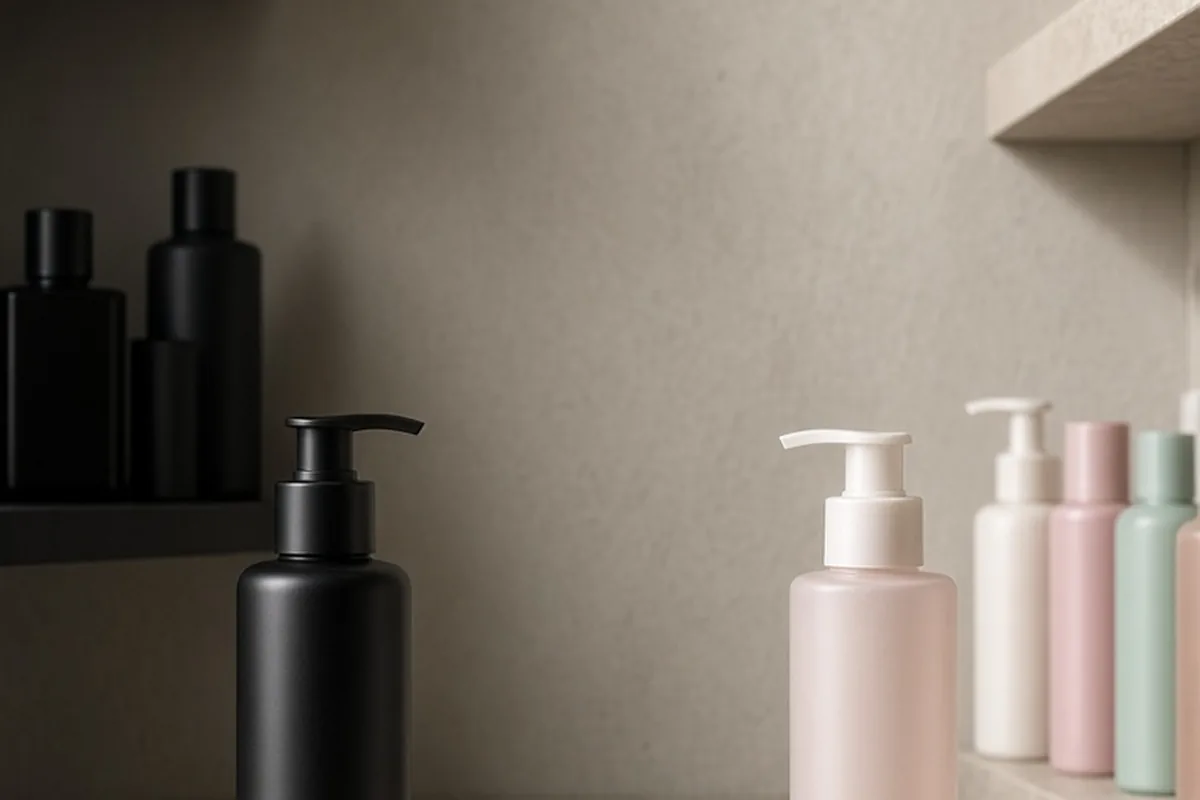
Men's and women's lotions share the same fundamental moisturizing ingredients, including water, humectants like glycerin, and barrier-protecting emollients. The primary differences involve added fragrances, marketing, packaging, and texture formulations, as products targeted at men often favor lighter, matte-finish gels. Ultimately, biological hydration needs depend far more on your individual skin type, climate, and sensitivity than on gender designations on the label.
Walking through the personal care aisle often presents a sharp visual divide, with matte black bottles promising rugged endurance on one shelf and soft pastel bottles promising radiant softness on the next. While product branding suggests that men and women require entirely separate chemistries for skin hydration, looking past the packaging reveals a much simpler reality about how moisturizers actually function.
The Core Chemistry of Skin Hydration
At a chemical level, all human skin relies on the same basic components to maintain health, suppleness, and barrier integrity. The stratum corneum, which is the outermost layer of the epidermis, requires a balanced combination of humectants to pull moisture into the cells, emollients to smooth rough spots, and occlusives to trap that moisture inside. Whether a bottle is labeled for men or women, effective formulations consistently depend on proven staples like glycerin, hyaluronic acid, ceramides, shea butter, and squalane to get the job done.
Because these fundamental building blocks do not discriminate by gender, a quality lotion formulated to soothe cracked hands or relieve tight winter skin will perform its mechanical duty on anyone. If you look at the ingredient list of a dermatologist-recommended unisex brand compared to a targeted men's brand, the primary active hydrators are often virtually identical. The differences that do exist are primarily aesthetic adjustments designed to cater to common cosmetic preferences rather than biological necessities.
Understanding this shared baseline helps eliminate unnecessary confusion when shopping for personal care products. Instead of wondering whether using a partner's lotion or buying across the aisle will harm your skin, you can focus on whether the formula contains the barrier-restoring ingredients your skin actually requires in that moment.
Texture, Oiliness, and Absorption Differences
While the base mechanics of hydration remain constant, brands frequently alter product textures to align with common physiological tendencies and cultural preferences. On average, adult male skin tends to produce slightly more sebum and possesses a slightly thicker dermal layer than female skin, largely due to higher testosterone levels. Consequently, lotions formulated and marketed specifically toward men often feature lighter, water-based or gel-cream textures that absorb rapidly without leaving a greasy or shiny residue on the surface.
In contrast, traditional body lotions designed with women in mind frequently include richer concentrations of plant oils or heavier butters, creating a dewy or distinctly velvety finish. For someone who dislikes the feeling of heavy residue under work shirts or on sweaty palms, a fast-absorbing men's formulation or a lightweight unisex gel might feel significantly more comfortable throughout the day. Conversely, a man dealing with severe dryness, eczema, or rough calluses might find typical men's lotions too light, requiring the richer lipid profile commonly found in intensive lotions marketed toward women.
The trade-off comes down to skin feel versus barrier longevity. Lighter gels absorb quickly and feel invisible, which works well in humid weather or for oily skin, but they may need more frequent reapplication in harsh winter air. Richer creams provide longer-lasting protection against moisture loss but require a minute or two of patient absorption before getting dressed.
Fragrance Profiles and Potential Skin Sensitivities
Perhaps the most obvious divergence between men's and women's body care is the aromatic profile added to the bottle. Products labeled for men typically rely on woodsy, musky, citrus, or herbaceous fragrance blends reminiscent of traditional colognes, such as cedarwood, sandalwood, bergamot, or menthol. Products aimed at women generally feature floral, sweet vanilla, fruity, or powdery scent compositions designed to linger lightly on the skin after bathing.
While scent is an entirely personal aesthetic choice that can make a daily routine feel grounding and enjoyable, added fragrance is also one of the most common triggers for skin irritation, allergic contact dermatitis, and redness. Many colognes and synthetic aromatic compounds can cause stinging when applied to freshly shaved skin or cracked knuckles. If you or someone you live with experiences sensitive skin, choosing an unscented lotion completely removes this risk regardless of which department it was purchased from.
For daily use, it is also worth considering how a lotion's scent interacts with other grooming products. A heavily scented lotion can easily clash with your everyday cologne, perfume, or natural body chemistry. Opting for a mild or fragrance-free formula provides clean moisture without creating an overpowering cloud of competing aromas throughout the workday.
Addressing Facial Hair, Shaving, and Skin Irritation
One practical reason some men prefer dedicated men's facial lotions is the inclusion of ingredients aimed at post-shave comfort. Shaving physically strips away the top layer of skin cells alongside hair follicles, creating micro-abrasions that make the face unusually vulnerable to stinging, razor burn, and ingrown hairs. Formulations designed for post-shave application often incorporate anti-inflammatory agents like aloe vera, witch hazel, chamomile extract, or panthenol alongside lightweight hydration.
Furthermore, applying heavy, oil-dense creams over coarse facial hair can lead to product buildup around the hair follicles, sometimes causing folliculitis or localized breakouts. Men's facial moisturizers are frequently engineered to spread smoothly through stubble without clumping or trapping sweat beneath a thick beard. However, these benefits are not exclusive to men's brands; lightweight, soothing facial serums and barrier repair gels from unisex lines provide the exact same mechanical relief.
If you regularly shave, the primary rule is to avoid alcohol-heavy splashes that dry out the skin in the name of disinfection. Replacing an aggressive aftershave with a gentle, alcohol-free hydrating lotion helps the skin barrier rebuild itself faster, minimizing visible redness and flaking around the neck and jawline.
Marketing Narratives and the Cost Breakdown
The division between men's and women's skincare is fundamentally rooted in modern product marketing rather than dermatological science. Historically, mainstream cosmetic brands struggled to sell daily moisturizers to men under standard beauty language. To bridge this gap, companies created distinct product lines utilizing rugged packaging, utility-driven terminology like 'energizing hydration' or 'defense shield,' and familiar barbershop aromas to normalize daily skincare as an athletic or functional necessity.
This market segmentation also influences product pricing, occasionally resulting in price discrepancies where identical formulas carry different cost-per-ounce figures depending on the target demographic. In some categories, women's products carry a premium for delicate fragrances and decorative glass packaging, while in others, specialized men's grooming lines charge premium rates for novelty branding and masculine aesthetics.
By learning to evaluate a lotion based on its ingredient list and volume rather than its packaging color, you gain the freedom to buy the most cost-effective, high-performing product available. Looking past the branding allows you to make practical purchasing decisions that protect your household budget while still providing reliable skincare results.
How to Select the Right Lotion for Your Skin Type
Selecting the ideal moisturizer requires shifting your focus from gender-based categories to your personal skin condition, environmental climate, and daily habits. If your skin frequently feels tight, flaky, or itchy within an hour after showering, your barrier requires an intensive cream enriched with ceramides, shea butter, or petrolatum, regardless of which section of the store stocks it. If your face tends to look shiny by midday or you work in hot conditions, an oil-free, gel-based lotion will keep your pores clear while maintaining balanced hydration.
Application technique also plays a major role in how well any lotion performs. Applying your chosen moisturizer within three minutes of stepping out of the shower traps residual surface water in the skin before it evaporates into dry room air. Massaging a modest amount evenly over warm, damp skin maximizes absorption and prevents that uncomfortable, heavy sensation that leads some people to abandon moisturizing altogether.
When testing a new formula, give your skin at least one to two weeks of consistent daily application to gauge how it responds. If you notice persistent redness, itching, or small clogged bumps, switch to a fragrance-free, non-comedogenic alternative to let your moisture barrier stabilize comfortably.
Illustrative Scenarios
Resolving Winter Dryness Without Heavy Fragrance
During a cold winter month, Marcus noticed his hands and forearms becoming uncomfortably dry, cracked, and itchy. Reluctant to buy a dedicated bottle, he borrowed a thick body butter from his partner's dresser. While the cream immediately relieved the tightness, the strong floral perfume clashed with his routine and the thick residue made handling tools and keyboards frustrating. Marcus initially assumed that all intensive moisturizers were naturally sticky and strongly scented. After checking the back labels, he switched to a simple, fragrance-free ceramide cream from a pump dispenser. It absorbed within two minutes, repaired his cracked knuckles within a week, and provided reliable barrier protection without any lingering scent.
Key point: Effective barrier repair comes from basic humectants and ceramides, not from heavy floral or musky perfumes.
Managing Post-Shave Sensitivity and Breakouts
Julian struggled with persistent razor burn and red bumps along his neckline after shaving. In an effort to solve the issue, he purchased an aggressively marketed men's energizing lotion containing menthol and citrus extracts. Instead of soothing his skin, the cooling lotion caused an intense burning sensation and aggravated his irritation. Realizing the added fragrance and alcohol were inflaming his micro-abrasions, Julian transitioned to an unscented, soothing oat-based moisturizer. Within several days of gentle application after shaving, the stinging ceased and his neck redness cleared up completely.
Key point: Skin irritated by shaving needs gentle, calming hydration rather than strong cooling agents or heavy fragrance.
Frequently asked questions
Can a man safely use a lotion marketed to women every day?
Yes, absolutely. The core moisturizing ingredients like water, glycerin, and nourishing oils work identically on all skin types. As long as the texture matches your personal preference and you enjoy or tolerate any added fragrance, women's lotions are completely safe and effective for men.
Why do some men's lotions feel less greasy after application?
Men's lotions are frequently formulated as lightweight water gels or quick-drying emulsions that use less oil and heavier proportions of silicone or alcohol alternatives. This allows the product to absorb rapidly and leave a matte finish that does not feel sticky under clothing or over facial hair.
Is an unscented lotion better than a scented lotion for sensitive skin?
Yes, fragrance-free lotions are generally much better for reactive or sensitive skin. Added fragrances and aromatic essential oils are among the most common causes of contact dermatitis and stinging, especially on freshly shaved or chapped areas.
What ingredient should I look for if my skin is severely dry?
Look for products containing proven humectants like glycerin or hyaluronic acid combined with barrier-restoring lipids such as ceramides, squalane, or shea butter. These ingredients help draw moisture deep into the skin and seal it against evaporative loss.
Your next step
Check the ingredient list rather than the branding on your next bottle, and select a lightweight gel or rich cream based entirely on your skin's daily hydration needs.