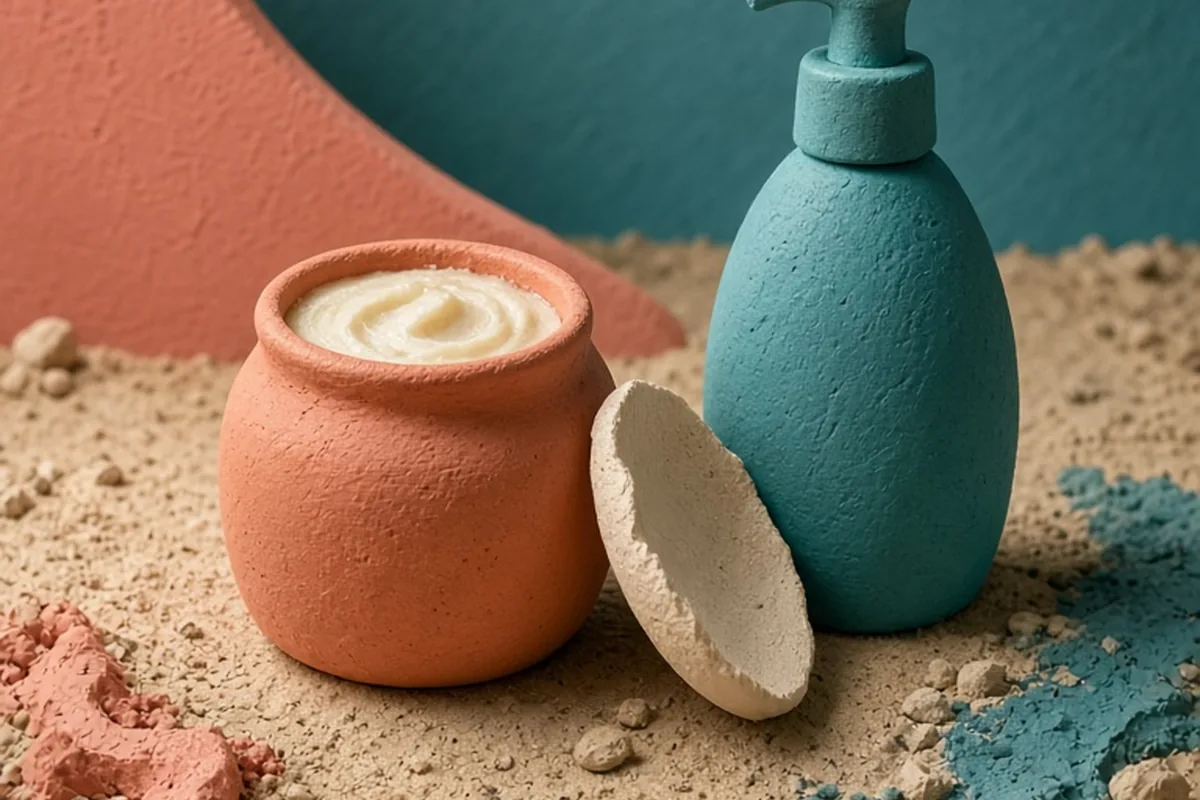
Moisturizer and lotion are closely related, but they are not the same thing. Moisturizer is an umbrella category referring to any skincare product designed to hydrate, soften, and protect the skin barrier. Lotion is simply one specific type of moisturizer formulated with high water content and lightweight oils. While all lotions are moisturizers, not all moisturizers are lotions, which also include richer creams, soothing balms, and dense ointments.
Walking down the personal care aisle can quickly feel overwhelming when bottles, jars, and pumps promise seemingly identical results under slightly different names. Understanding how cosmetic formulators distinguish these products gives you control over your routine, ensuring your skin receives the exact balance of hydration and protection it needs without unexpected breakouts or lingering dryness.
The Cosmetic Taxonomy: Umbrella Term Versus Specific Vehicle
In skincare science, moisturizer functions as a broad functional classification rather than a single texture. Any topical formulation created to increase the water content of the stratum corneum—the outermost layer of your skin—and minimize water evaporation falls under the moisturizer family. This family includes lightweight fluids, gel-creams, lotions, traditional creams, barrier balms, and occlusive ointments. Each variation serves the core purpose of moisturizing, yet they achieve that goal through vastly different structural vehicles.
Lotion represents one distinct vehicle within that wider category. Specifically, a lotion is an emulsion characterized by a relatively low viscosity, high liquid volume, and modest lipid concentration. When people ask whether a lotion is a moisturizer, the answer is always yes. However, asking if all moisturizers are lotions is like asking if all vehicles are sedans; doing so overlooks an entire spectrum of heavier, richer formulations engineered for distinct barrier conditions.
Retail packaging often complicates this distinction because marketing departments use the words interchangeably on bottle fronts. A product titled hydrating facial lotion and another titled daily facial moisturizer might have nearly identical ingredient lists, while a third labeled barrier moisturizing cream behaves entirely differently. Disregarding the commercial label and focusing on product thickness and delivery mechanism prevents you from purchasing a product that fails your skin type.
Formulation Science: How Water-to-Oil Ratios Dictate Texture
The primary mechanical difference between a classic lotion and heavier moisturizers comes down to the emulsion ratio of water to oil. Lotions are almost universally oil-in-water emulsions where microscopic droplets of oil are dispersed within a dominant water phase. Because water evaporates and absorbs rapidly, lotions feel light, spread with minimal drag across large surfaces, and sink into the skin within moments without leaving an oily film.
By contrast, richer moisturizers such as creams and cold creams tilt the formulation balance toward lipids, occasionally utilizing water-in-oil emulsions or concentrated oil-in-water blends fortified with waxes, butters, and fatty alcohols. These thicker preparations provide a physical cushion on top of the epidermis. While a fluid lotion might leave behind a semi-matte or barely detectable finish, a heavy cream leaves a protective residue designed to seal in moisture over many hours.
The trade-off of a lotion's high water content is its longevity on compromised skin. Water naturally evaporates into the surrounding air through ambient humidity gradients. If your skin barrier lacks natural lipids, the water delivered by a light lotion can evaporate quickly, leaving parched skin feeling tight again an hour later. Conversely, heavy creams reduce this evaporation drastically but risk feeling suffocating or greasy if your natural oil production is already robust.
Skin Type Compatibility: Selecting the Ideal Viscosity
Your natural sebum production serves as the best guide for deciding between a fluid lotion and a denser moisturizer. Individuals with oily or acne-prone skin typically thrive on fluid lotions, gel-lotions, or oil-free moisturizers. These lightweight formulations deliver essential hydration—water—without dumping excess surface lipids into pores that are already prone to congestion. A lightweight lotion smooths texture and maintains skin elasticity while allowing pores to breathe under daily makeup or sunscreen.
Dry, mature, or sensitized skin profiles generally demand something far more substantial than a standard lotion. When skin produces minimal natural sebum, its lipid barrier becomes porous, leading to persistent roughness, flaking, and heightened sensitivity to environmental irritants. For these complexions, lipid-dense creams containing ceramides, cholesterol, and plant butters provide the structural reinforcement that light lotions simply cannot supply.
Combination skin often benefits from using both formulations strategically across different zones of the face. You might apply a fluid, balancing lotion over the T-zone where oil glands are active, while reserving a richer cream for dry patches on the perimeter of the cheeks and jawline. Treating your face as a diverse landscape rather than a single uniform surface prevents both mid-day shine and localized flaking.
Environmental Factors: Adjusting Hydration Across Changing Climates
The environment around you heavily influences how topical formulations behave once applied. In warm, humid summer conditions, the ambient air holds abundant moisture, which slows down transepidermal water loss. During these months, heavy creams can trap sweat and sebum, leading to discomfort or heat-induced breakouts. Switching to an airy lotion provides adequate surface conditioning while keeping your routine breathable and weightless.
Winter weather and indoor artificial heating create an opposing dynamic by pulling moisture directly out of your skin. Low dew points combined with forced-air radiators speed up cutaneous evaporation, often rendering your favorite summertime lotion inadequate. When winter arrives, stepping up from a light lotion to a barrier-repair cream creates a physical shield that keeps dry indoor air from leeching moisture from your face and hands.
A useful indicator of when to transition between formulas is how your skin feels thirty minutes after application. If your face feels tight, looks dull, or exhibits powdery flaking shortly after your morning lotion, your environment is likely outstripping the product's protective capacity. Transitioning seasonally between a daytime lotion and a nocturnal or cold-weather cream maintains equilibrium without requiring an overhaul of your active serums.
Ingredient Mechanics: Humectants, Emollients, and Occlusives
Every effective moisturizing product relies on a careful triad of functional ingredient classes: humectants, emollients, and occlusives. Humectants like glycerin, hyaluronic acid, and sodium PCA act like microscopic sponges, pulling moisture from the deeper dermis and humid surroundings into the outer skin layers. Emollients such as squalane, caprylic triglycerides, and jojoba oil fill microscopic gaps between shedding skin cells, creating a soft, smooth feel.
Occlusives form the third pillar, consisting of heavier hydrophobic substances like petrolatum, dimethicone, beeswax, and shea butter that physically block moisture from leaving the skin surface. The key operational difference between a lotion and a heavy moisturizer lies in how these three groups are weighted. Lotions prioritize water-binding humectants and fast-spreading emollients, while rich moisturizing creams and balms load up on dense occlusives.
When evaluating a bottle in the store, scanning the first six ingredients provides more clarity than the marketing terminology on the front label. If water, glycerin, and lightweight silicones lead the list, the product will perform like a classic lotion regardless of whether the bottle calls itself a cream. If rich plant butters, waxes, or petrolatum appear near the very top, expect a deeply occlusive moisturizer capable of intense barrier recovery.
Body Care Versus Facial Care: Key Differences in Practice
The distinction between moisturizer and lotion is especially pronounced when comparing body care to facial care. The skin on your arms, legs, and torso contains far fewer sebaceous glands than the skin on your face, meaning the body is naturally more prone to dryness. However, covering the entire body in a thick, sticky balm is time-consuming and often uncomfortable under tight clothing, which is why body lotions are engineered with exceptional slip and rapid absorption.
Applying a standard fragranced body lotion to your face is rarely advisable. Body formulas frequently contain heavier emulsifiers, synthetic fragrances, and film-formers optimized for resilient limb skin that may trigger contact allergies or clogged pores on the delicate facial area. Conversely, using a specialized facial moisturizer on your entire body is safe but financially inefficient due to the small package volumes and premium anti-aging or soothing actives included.
If you experience severe body dryness, such as cracked heels or scaly shins, standard body lotions may prove too weak. In those instances, opting for a dedicated body cream or body butter containing higher concentrations of urea, lactic acid, or shea butter will yield far faster barrier repair than repeatedly applying a watery body lotion.
Application Techniques for Optimal Hydration Retention
How you apply your moisturizer directly alters its performance, regardless of whether you choose a lotion or a rich cream. The single most effective habit is applying your formula to damp skin within three minutes of washing your face or stepping out of the shower. Because humectants need water to bind to, applying a lotion over slightly damp skin traps that topical moisture immediately, significantly boosting hydration levels.
Layering techniques can also bridge the gap if you only own a lightweight lotion but require extra nourishment. You can apply your hydrating lotion first to saturate the skin with water-soluble humectants, wait a minute for it to settle, and then pat two drops of facial oil or a thin film of ointment over dry patches. This custom sandwiching gives you the lightweight feel of a lotion with the occlusive sealing power of a heavy night cream.
A common application error is rubbing products aggressively into the skin until the surface feels completely dry. Vigorous friction can cause mild irritation and disrupts the uniform film that emulsions are designed to leave behind. Instead, gently smooth your lotion or cream across your skin in upward strokes and allow ambient air and body heat to facilitate natural absorption.
Frequently asked questions
Can I use a facial lotion and a moisturizer at the same time?
Yes, you can layer a lightweight lotion underneath a richer cream if your skin feels exceptionally dry or dehydrated. The lotion provides immediate water-based humectants, while the thicker moisturizer seals those ingredients into your skin barrier. Make sure to apply the lighter, more fluid lotion first and allow it to absorb slightly before applying the heavier cream.
Is lotion better than cream for people with acne?
In general, lightweight lotions and gel-lotions are preferable for acne-prone complexions because they carry lower oil concentrations and absorb cleanly without leaving heavy films. Dense creams often rely on occlusive waxes and butters that may trap dead skin cells and sebum inside pores. Always verify that any facial product you select is labeled non-comedogenic.
Why does my skin feel dry shortly after putting on body lotion?
Because lotions have a high water content and minimal occlusive lipids, the water can rapidly evaporate into dry air if there are not enough sealing ingredients present. When your skin barrier is severely compromised, a fluid lotion may lack the necessary oils to prevent water loss. Switching to a richer cream or applying your lotion to damp skin can resolve this issue.
Are gel moisturizers considered lotions?
Gel moisturizers represent another distinct branch of the moisturizer family, relying on water-soluble polymers rather than traditional oil-and-water emulsions. While both gels and lotions are lightweight, gels are typically oil-free and provide cooling hydration, whereas lotions contain small amounts of beneficial lipids. Both fall squarely under the overarching moisturizer category.
Your next step
Assess your skin's current oil levels and seasonal climate today, then check your product labels to choose a lightweight lotion for daily breathability or a richer cream for barrier repair.