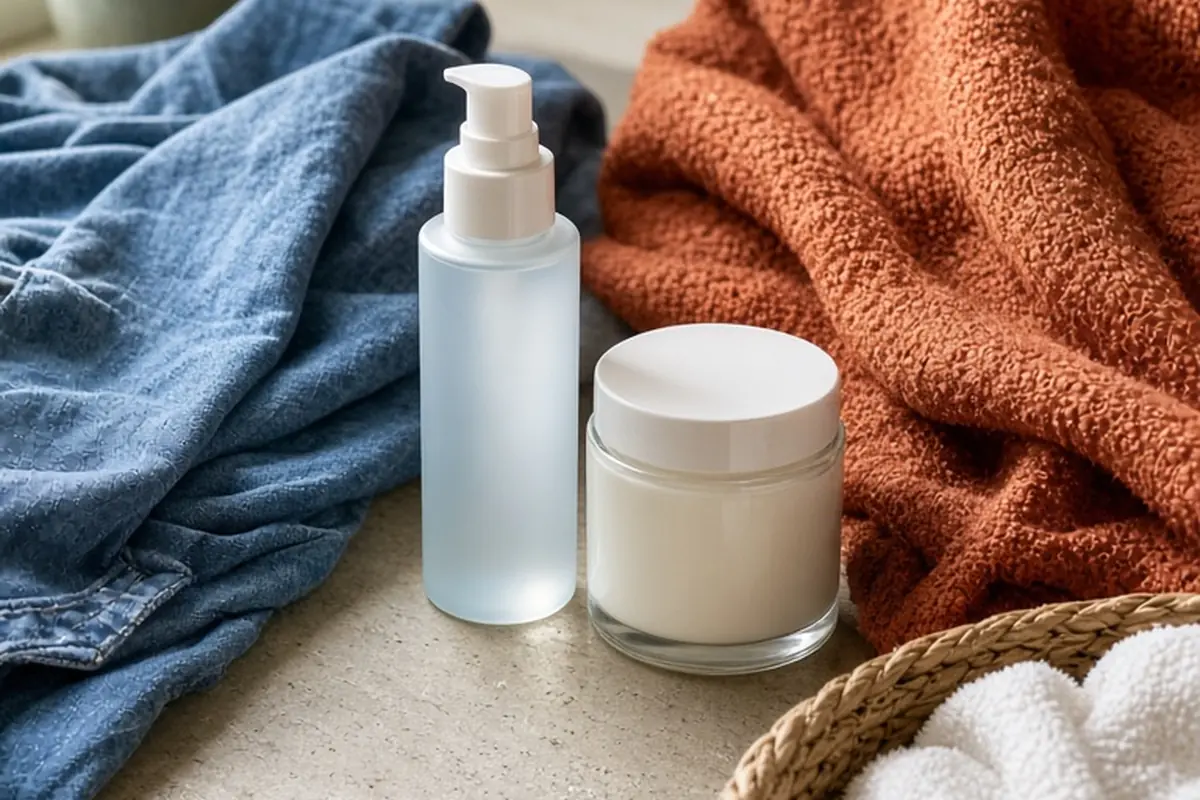
Moisturizer is an umbrella term for any skincare product designed to hydrate and protect the skin, while lotion is a specific type of moisturizer. All moisturizing lotions are moisturizers, but moisturizers also include heavier creams, rich ointments, and lightweight gels. Lotions typically feature a high water content and lower oil concentration, making them thinner, faster to absorb, and ideal for normal to slightly dry skin.
Walking down the personal care aisle can feel confusing when bottles labeled lotion, cream, fluid, and balm sit side by side promising identical benefits. Understanding the structural differences among these formulas cuts through marketing terms so you can select products that keep your skin comfortable and balanced.
The Core Difference: Function Versus Format
To understand whether a moisturizer is a lotion, it helps to distinguish between what a product does and what form it takes. In personal care, moisturizer is a functional classification. Its job is to increase the water content of the skin, soften its outer surface, and prevent moisture from evaporating into the air. Any product formulated to accomplish this goal falls under the moisturizer umbrella, regardless of whether it looks like a clear liquid, a milky fluid, a dense paste, or a solid stick.
Lotion, by contrast, describes a specific physical format or consistency. Chemically, a lotion is a low-viscosity emulsion of water and oil. Because it contains a high percentage of water combined with light oils and emulsifiers, it flows easily and rubs into the skin with minimal friction. Therefore, while every moisturizing lotion functions as a moisturizer, not every moisturizer qualifies as a lotion. Creams, salves, facial oils, and hydrating gels are all moisturizers, but their textures and oil-to-water ratios separate them from lotions.
Confusing these terms often leads people to buy products that fail to meet their practical needs. For example, someone shopping for relief from intense winter chafing might grab a bottle labeled daily lotion because it promises moisturizing benefits, only to find it vanishes within minutes without providing lasting comfort. Recognizing that lotion is simply the lightweight branch of the broader moisturizer family makes it easier to match your skin's daily requirements with the right product density.
Comparing the Full Spectrum of Moisturizer Textures
Skincare formulas exist along a continuum dictated by their ratio of oil to water. At the lightest end of this spectrum are water-based gels and fluids. Gels rely on water-soluble thickeners and humectants rather than heavy oils, making them transparent or semi-translucent. They absorb rapidly without leaving a noticeable residue on the skin surface, which makes them appealing for warm weather or naturally oily skin types.
Lotions sit just past gels on this continuum. They blend a high volume of purified water with a modest amount of lipid ingredients. When you pump a lotion into your palm, it holds its shape momentarily but spreads effortlessly across a wide surface area. This lightweight emulsion absorbs quickly, leaving a subtle softening film without the dense, greasy sensation associated with heavier products. For general, everyday maintenance across large areas of the body, lotions are usually the most convenient option.
Creams and ointments occupy the heavier end of the spectrum. Creams feature a significantly higher concentration of oils and waxes, resulting in a thick consistency that requires a jar or squeeze tube rather than a standard pump. They form a protective barrier that stays on the skin longer to slow down moisture loss. Ointments, such as petroleum jelly blends, contain little to no water. They function primarily as occlusive shields designed to lock in pre-existing moisture and protect cracked or sensitized areas from external friction.
The Three Key Components in Hydrating Formulas
Regardless of whether a product is marketed as a lotion or a rich cream, effective moisturizers rely on a balanced trio of functional ingredient types: humectants, emollients, and occlusives. Each group tackles skin dryness from a distinct angle, and the proportions among them determine the product's ultimate texture and performance.
Humectants act like microscopic sponges that draw water molecules toward themselves. Common examples include glycerin, hyaluronic acid, sodium PCA, and panthenol. In both lotions and creams, humectants pull ambient moisture from humid surroundings or draw water upward from deeper layers of the epidermis into the outer stratum corneum. Because humectants are water-soluble, lightweight lotions often carry substantial amounts of them to deliver a burst of hydration without adding weight.
Emollients and occlusives supply the lipid fraction of the formula. Emollients, such as squalane, jojoba oil, and fatty alcohols, slip into microscopic cracks between shedding skin cells to restore a soft, supple texture. Occlusives, including petrolatum, mineral oil, beeswax, and dimethicone, sit directly on top of the skin to block transepidermal water loss. Lotions contain lighter concentrations of occlusives, which explains why they feel breathable, whereas rich creams load up on heavier occlusives to seal dry, compromised barriers against moisture loss.
Matching Formula Weight to Your Skin Type
Selecting between a lotion and a richer moisturizing formula depends primarily on how much natural sebum your skin produces. People with naturally oily or breakout-prone skin typically do best with lightweight lotions or oil-free gel lotions. These formulas deliver the water-binding humectants required to keep skin cells healthy without adding heavy lipids that can feel suffocating or contribute to midday shine.
Those with naturally dry skin, however, often find standard lotions insufficient. Dry skin produces fewer natural lipids, meaning its protective barrier struggles to retain water on its own. While a lotion might provide immediate relief upon application, its high water content quickly evaporates, leaving dry patches exposed within an hour or two. A thicker cream provides the sustained lipid barrier that dry skin needs to stay comfortable throughout the day and night.
Combination skin often benefits from using different textures on different parts of the body or face. For example, a person might apply a lightweight lotion across an oilier T-zone while reserving a richer cream for dry cheeks or under-eye areas. Listening to how your skin feels thirty minutes after application provides the clearest guidance: if your skin still feels tight or parched, your product lacks sufficient occlusives; if it feels heavy, sticky, or congested, you likely need a lighter lotion.
Adapting Your Choice to Climate and Season
Your skin's hydration requirements rarely stay static throughout the year. Changes in ambient humidity, temperature, and indoor climate control significantly alter how quickly water evaporates from your skin surface, making seasonal formula adjustments a practical habit.
During warm, humid summer months, the air holds abundant water vapor, reducing the rate of transepidermal moisture loss. A lightweight lotion is usually ideal during this time because it replenishes water lost to sweat and daily cleansing without trapping excess heat or feeling slick under sunscreen. Heavy creams in sweltering conditions can sometimes mix with perspiration, leading to discomfort or clogged pores along friction points like collarbones and shoulders.
When winter arrives, indoor heating systems drastically lower indoor relative humidity, while freezing outdoor air strips moisture from exposed skin. In these conditions, the water in a light lotion can evaporate into the dry air almost immediately, failing to halt dehydration. Transitioning from a light lotion to a denser, lipid-rich cream during cold months gives the skin the physical barrier it needs to retain moisture despite harsh winds and dry indoor radiators.
Why Facial Moisturizers Differ from Body Lotions
A common practical dilemma is whether a standard bottle of body lotion can serve as a daily facial moisturizer. While both products share the common goal of skin hydration, facial skin and body skin present very different biological characteristics that dictate formulation design.
The skin on your face is thinner, possesses a higher density of sebaceous glands, and is generally more prone to irritation and clogged pores than the skin on your arms or legs. Facial moisturizers—whether formulated as fluids, lotions, or creams—are usually engineered with lightweight, non-comedogenic ingredients designed to avoid blocking pores. They also tend to omit heavy synthetic fragrances and aggressive preservatives that might trigger redness or stinging around delicate areas like the eyes.
Body lotions, on the other hand, are designed to cover large, relatively durable areas of skin that produce far less natural oil, such as shins, elbows, and forearms. To remain cost-effective and provide spreadability over expansive surface areas, body lotions frequently incorporate thicker emulsifiers, higher fragrance loads, and heavier mineral or plant oils. Applying a standard body lotion to your face can easily result in localized congestion, blackheads, or eye irritation, whereas using a facial lotion on your body is safe but rarely cost-effective.
Application Techniques for Better Moisture Retention
The way you apply your moisturizer often matters just as much as whether you choose a lotion or a cream. Because a significant portion of any moisturizer's effectiveness relies on trapping existing hydration, timing your application makes a noticeable difference in skin comfort.
The most effective time to apply a lotion or cream is within three minutes of washing your face or stepping out of the shower. Pat your skin gently with a towel until it is damp rather than bone-dry. Applying your product over slightly damp skin allows the humectants in the formula to bind that surface water and the emollients to seal it in before room air can trigger evaporation. This single habit can make an ordinary lotion feel significantly more hydrating than it would on dry skin.
When building a multi-step routine, always follow the rule of applying products from the thinnest consistency to the thickest. Apply watery toners or light serums first, follow with your lotion, and finish with a heavier cream or facial oil only if your skin requires extra protection. Applying a thin lotion over a heavy, occlusive cream prevents the lotion's water and humectants from reaching the skin cells beneath, resulting in wasted product and potential surface pilling.
Frequently asked questions
Can I use a body lotion on my face if my skin feels very dry?
It is generally better to avoid using standard body lotions on your face. Body formulations often feature heavier oils, thicker emulsifiers, and strong fragrances that can clog facial pores or irritate sensitive areas around the eyes. If you need intense facial hydration, choose a rich cream specifically formulated and tested for facial use.
Is a gel moisturizer considered a lotion?
No, gels and lotions are technically distinct product formats, although both are types of moisturizers. Gels are water-based formulas thickened without heavy oils, giving them a clear, fast-absorbing texture. Lotions are emulsions that combine water with light oils, giving them an opaque, milky appearance and a slightly more emollient feel.
Why does my skin feel dry shortly after applying lotion?
If your skin feels tight or flaky soon after applying lotion, the product likely has too high a water content and insufficient occlusive ingredients for your skin barrier. When humidity is low or your skin produces little natural oil, the water in a light lotion evaporates quickly. Switching to a richer cream with ingredients like shea butter, ceramides, or squalane can provide longer-lasting relief.
Do I still need to use a moisturizer if my sunscreen feels hydrating?
Not necessarily. Many modern chemical and mineral sunscreens are formulated in moisturizing lotion bases that contain humectants and emollients. If your daytime sunscreen leaves your skin feeling supple, comfortable, and adequately balanced throughout the day, you can skip a separate morning moisturizer and apply sunscreen directly over bare skin.
Your next step
Inspect your current skincare bottle to see whether it is formulated as a light water-based lotion or a rich lipid cream, then evaluate whether your skin feels comfortable or tight thirty minutes after application to decide if you need a lighter or heavier texture.