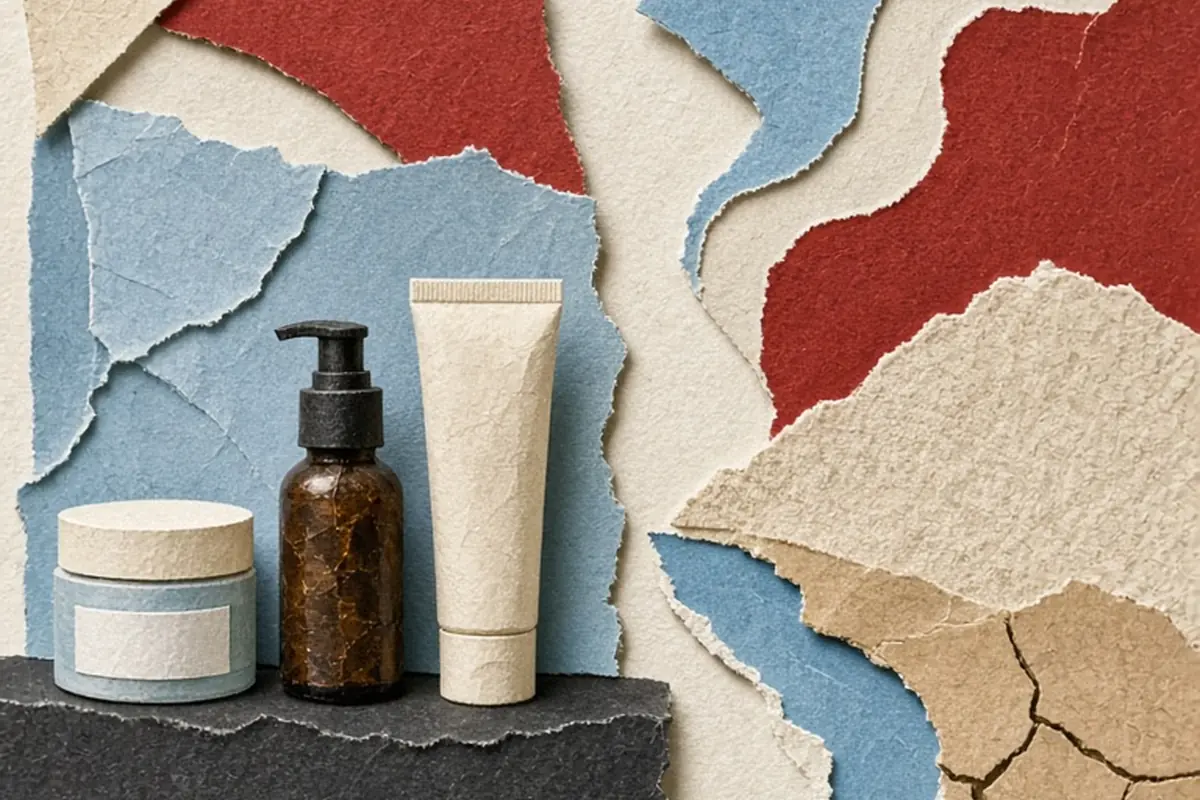
No, moisturizer and lotion are not strictly the same thing. Moisturizer is an umbrella category for any skincare product designed to hydrate and protect the skin barrier, including creams, gels, lotions, balms, and ointments. A lotion is a specific, lightweight subcategory of moisturizer formulated with a high water content and lower oil ratio, making it fluid, fast-absorbing, and easy to spread over large surface areas.
Standing in the personal care aisle can feel overwhelming when product labels use terms like hydrator, cream, lotion, balm, and moisturizer almost interchangeably. Clarifying how these textures function helps you build a routine that supports comfortable, balanced skin across different seasons without unnecessary product buildup.
Understanding the Category Versus the Specific Product
To understand the difference, it helps to view moisturizer as a broad function rather than a single bottle format. Any topical blend formulated to attract water to the outer skin layers, smooth rough texture, or seal in moisture counts as a moisturizer. When a product is marketed simply as a moisturizer, it might come in a jar as a thick butter, in a pump as a fluid emulsion, or in a tube as an oil-free gel.
A lotion, by comparison, refers specifically to a lightweight emulsion of oil droplets suspended in water. Because water makes up the majority of its base, a lotion pours or pumps easily and spreads across the skin with minimal friction. While every cosmetic lotion intended to hydrate skin is a moisturizer, not every moisturizer qualifies as a lotion.
Formulation Spectrum: From Gels and Lotions to Creams and Balms
Skincare hydrators fall along a spectrum defined primarily by their water-to-oil ratios. At the lightest end of this spectrum are water-based gel moisturizers, which use polymers and water-attracting ingredients to provide hydration with virtually zero oily residue. Lotions sit just beside gels, containing slightly more lipids while remaining light, fluid, and quick to sink into the skin surface.
Moving toward the richer end of the spectrum, creams incorporate higher concentrations of plant oils, butters, or synthetic emollients. This gives creams a semi-solid texture that leaves a soft, protective film. Ointments and balms sit at the heaviest extreme, consisting almost entirely of lipids, waxes, or mineral oils with little to no added water. Recognizing where a product sits on this spectrum clarifies whether it will deliver a sheer finish or a dense protective barrier.
The Three Core Hydration Mechanisms
Effective moisturizers rely on a balanced trio of functional components: humectants, emollients, and occlusives. Humectants like glycerin and hyaluronic acid draw water molecules from the deeper skin layers or humid air into the stratum corneum. Emollients such as squalane, jojoba oil, and fatty acids fill microscopic gaps between shedding skin cells, softening coarse texture and restoring flexibility.
Occlusives, including petrolatum, shea butter, and dimethicone, create a physical barrier on the surface that slows down transepidermal water loss. Lotions tend to prioritize humectants and light emollients with only a mild occlusive presence, whereas rich moisturizers and cold-weather creams use higher percentages of heavy occlusives to trap moisture over extended periods.
Matching Formula Weight to Your Skin Type
Selecting between a lotion and a richer moisturizing format depends heavily on your natural sebum production. Individuals with oily or acne-prone skin often benefit from fluid lotions because they deliver hydration without feeling greasy or clogging pores. A lightweight lotion provides enough water-binding capacity to keep the skin barrier functioning smoothly without leaving excess shine.
Those with naturally dry or mature skin generally require the extra lipid content found in creams or balms. A standard lotion may absorb so quickly on dry skin that flakiness or tightness returns within hours. In contrast, combination skin often thrives on a blended approach, using a light lotion across the oilier forehead and nose alongside a richer cream on drier cheeks.
Adjusting for Climate and Seasonal Shifts
Environmental conditions significantly alter how your skin retains hydration. During hot, humid summer months, sweat glands and oil production are more active, and ambient humidity reduces moisture evaporation from the skin. A lightweight lotion is typically sufficient during this time, providing comfortable daily hydration that wears well under sunscreen.
When winter arrives, indoor heating and brisk outdoor winds sharply lower humidity levels, accelerating water loss through the skin barrier. Transitioning from a thin lotion to a denser cream during colder months helps reinforce the lipid barrier against chapping and irritation. If your skin feels taut or rough by midday despite applying lotion in the morning, shifting to a more occlusive cream format can help maintain comfort.
Face Moisturizers Versus Body Lotions
While both face and body products aim to hydrate, their ingredient balances cater to different physiological needs. Facial skin is thinner, has a higher concentration of oil glands, and is more prone to breakouts and sensitivity. Facial moisturizers—whether formulated as lotions, gels, or creams—are usually non-comedogenic, fragrance-conscious, and enriched with targeted ingredients like ceramides or soothing botanical extracts.
Body lotions, on the other hand, are designed to cover large surface areas like legs, arms, and torsos where the skin is thicker and less prone to acne. They frequently contain heavier emulsifiers, synthetic fragrances, or cost-effective hydrators that may feel heavy or cause congestion if applied to the face. Using products formulated specifically for the area you are treating ensures better comfort and lower risk of irritation.
Application Techniques for Better Hydration Retention
The timing of your application plays as large a role in skin comfort as the formula itself. Applying any moisturizer—whether a fluid lotion or a rich cream—onto slightly damp skin directly after cleansing or showering traps ambient surface moisture before it evaporates. Patting your skin gently with a towel rather than rubbing vigorously preserves this beneficial surface moisture.
Layering sequence is equally practical: always apply products from the thinnest consistency to the thickest. If your daily routine includes water-based toners or targeted serums, apply those first, followed by your lotion, and finish with a heavier cream or facial oil if extra barrier protection is needed. In morning routines, always allow your lotion or moisturizer to settle for a minute or two before applying broad-spectrum sunscreen to avoid pilling.
Illustrative Scenarios
Seasonal Texture Adjustment
Jordan used the same lightweight pump lotion year-round. During the summer, it kept his combination skin balanced, but every January, his cheeks became flaky and sensitive to the touch despite applying extra pumps of the same lotion. After switching to a lipid-rich barrier cream on his cheeks for the winter while keeping the lightweight lotion for his forehead and daytime use, his skin stayed smooth without dry patches.
Key point: When a lightweight lotion no longer prevents dryness during cold or dry seasons, swapping to a cream with higher emollient and occlusive content provides the required barrier reinforcement.
Frequently asked questions
Can I use body lotion on my face if I run out of moisturizer?
Using body lotion on your face in a pinch is generally safe, but it may cause issues if done regularly. Body formulas often contain heavier fragrances, waxes, and thickeners that can clog facial pores or irritate sensitive facial skin. For regular use, sticking to a dedicated facial moisturizer is the gentler option.
Is a cream always better than a lotion for dry skin?
Creams are typically more effective for persistent dryness because they contain higher ratios of oils and occlusives that lock in moisture. However, some advanced lotions formulated with high concentrations of ceramides and fatty acids can also support dry skin while remaining easy to spread. Personal preference for texture and finish plays a significant role.
Should I apply lotion before or after serums?
Lotion should always be applied after lighter, water-based serums. Applying your thinnest liquids first allows active ingredients to absorb into the skin, while the lotion acts as a seal on top. If you use a broad-spectrum sunscreen during the day, apply that as the final skincare step after your lotion has absorbed.
Your next step
Assess your current skin comfort and climate, then check the texture of your daily hydrator to ensure its water-to-oil balance matches your barrier needs.