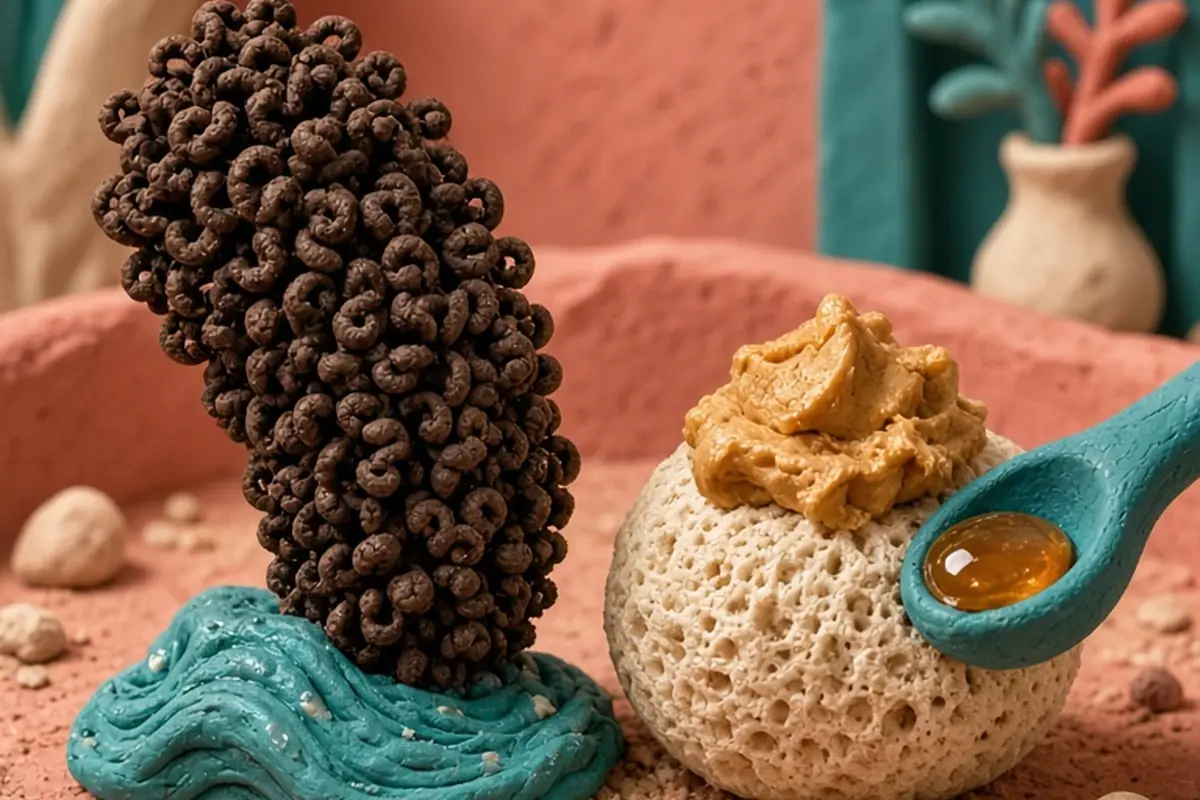
Shea Moisture can be very effective for 4C hair, provided you select lines formulated for your specific porosity and moisture needs. Collections containing raw shea butter, Jamaican black castor oil, and manuka honey deliver essential slip, soften tight coils, and lock in hydration. However, their heavier butter-rich formulas may cause product buildup on low-porosity strands if used too frequently without regular clarifying.
Caring for tightly coiled 4C hair requires formulas that offer intensive moisture, reliable slip, and strong sealing capabilities without leaving behind a dulling film.
How Shea Moisture Formulations Interact with 4C Coils
Type 4C hair features tight, zigzag-patterned coils that naturally experience higher rates of moisture loss because scalp sebum travels slowly down the angular hair shaft. Shea Moisture built its core brand identity around raw, unrefined shea butter, blended with vegetable oils like coconut, neem, and castor. For 4C strands, these emollient-heavy ingredients provide substantial surface lubrication, which reduces friction during detangling, protects fragile ends, and smooths the outer cuticle layer.
The effectiveness of these formulas comes down to how your hair absorbs and retains lipids. Unrefined shea butter is rich in stearic and oleic fatty acids, creating a semi-breathable barrier that slows down water evaporation from the hair cortex. While this barrier is exceptionally helpful for sealing in hydration after a water-based wash, it can create a water-repellent coating over time if applied to dry, unwashed hair. Understanding this functional mechanism helps you determine whether a particular cream or leave-in will genuinely nourish your hair or simply sit on the surface.
The Most Effective Shea Moisture Product Lines for 4C Texture
Not all Shea Moisture collections perform identically on 4C hair, as some lighter lines formulated for loose waves lack the rich emollient density required to soften tight coils. The Jamaican Black Castor Oil line remains one of the most reliable collections for type 4 hair because it incorporates castor oil, peppermint oil, and hydrolyzed keratin to fortify strands against breakage while delivering substantial slip for wet detangling.
Another standout option is the Manuka Honey and Mafura Oil Intensive Hydration line, which provides exceptional moisture without relying strictly on heavyweight waxes. The presence of honey acts as a natural humectant that draws moisture from the surrounding environment into the hair shaft, while mafura oil softens coarse textures. For styling defined twist-outs and braid-outs, the classic Coconut and Hibiscus Curl Enhancing Smoothie provides strong hold and elongation, though it requires light-handed application to avoid white residue on fine or low-porosity 4C strands.
- Jamaican Black Castor Oil: Ideal for chemically treated, color-treated, or mechanically stressed coils needing elasticity and restorative protein.
- Manuka Honey and Mafura Oil: Best for deep hydration, intense softening, and reviving dry or brittle textures without excessive stiffness.
- Raw Shea Butter Moisture Retention: Formulated for severely dry hair transitioning from chemical straighteners to natural textures.
- Coconut and Hibiscus: Recommended for thick, high-density coils seeking elongation, frizz control, and long-lasting twist definition.
Matching Product Weight to Your Hair Porosity
Porosity is often the determining factor in whether Shea Moisture delivers supple moisture or frustrating buildup for 4C hair. High-porosity 4C hair, characterized by raised or damaged cuticles, absorbs moisture rapidly but loses it just as quickly. For this hair type, rich creams, thick butter masks, and sealing pomades from the Raw Shea Butter or Castor Oil lines are ideal because they fill gaps along the cuticle layer and prevent rapid hydration loss.
Low-porosity 4C hair features tightly closed, overlapping cuticles that resist both moisture penetration and product absorption. When heavy shea butter products are applied to low-porosity strands, they tend to sit on the surface, hardening in cooler temperatures and creating a greasy exterior while the inner cortex remains dry. Low-porosity users often achieve better results by choosing lighter leave-in sprays, applying products alongside indirect heat or warm water to open the cuticle, and avoiding daily reapplication of heavy styling smoothies.
Preventing Common Issues: Buildup, Flaking, and Protein Sensitivity
A common complaint among 4C hair owners using Shea Moisture is the appearance of white flakes, chronic dryness after product application, or stiff strands. Flaking typically occurs when thick creams containing film-forming polymers and natural waxes are combined with incompatible styling gels or applied over hair that was not sufficiently saturated with warm water. To minimize flaking, always perform a small palm test by mixing a dime-sized amount of your leave-in and gel together in your hands to verify that they blend smoothly rather than curdling.
Protein overload is another frequent challenge. Several popular Shea Moisture lines include hydrolyzed vegetable proteins, silk proteins, or keratin designed to strengthen fragile coils. While beneficial in moderation, excessive protein exposure makes coarse 4C strands rigid, brittle, and prone to snapping during manipulation. If your hair feels stiff, dry, or straw-like after using restorative masks, temporarily switch to protein-free, humectant-based conditioners to restore elasticity and softness.
Structuring a Balanced 4C Wash Day with Shea Moisture
To get the most out of Shea Moisture products without creating heavy residue, structure your wash day around thorough cleansing, intentional conditioning, and layered moisture sealing. Begin with a sulfate-free shampoo to lift surface grime, followed by a clarifying shampoo once or twice a month if you use heavy butter products regularly. Sectioning your hair into four to six twists before washing reduces tangles and ensures even product distribution across dense roots and fragile ends.
During the conditioning phase, apply a generous amount of deep conditioner to freshly rinsed, warm, damp hair. Use your fingers or a wide-tooth comb to gently detangle from ends to roots, letting the slip of the conditioner absorb mechanical stress. Rinse thoroughly with lukewarm water before applying the Liquid-Oil-Cream (LOC) or Liquid-Cream-Oil (LCO) method on soaking-wet hair. Using water as the primary foundation ensures that the butter-based stylers seal genuine hydration inside the cortex rather than locking dryness in.
Evaluating Trade-Offs and Alternative Haircare Approaches
While Shea Moisture offers accessible pricing and broad retail availability, it is not a universally optimal solution for every 4C hair routine. The heavy concentration of raw butters and botanical oils can weigh down fine-density 4C hair, flattening volume and requiring more frequent clarifying washes. Individuals who prefer lightweight wash-and-go styles often find that water-soluble botanical gels and botanical leave-in conditioners provide better curl definition and movement than thick styling butters.
When deciding whether to incorporate Shea Moisture into your regimen, balance convenience and affordability against your styling goals. If your priority is long-term protective styling, such as mini-twists, braids, or wig cornrows, the heavy sealing power of raw shea butter and castor oil offers long-lasting lubrication that prevents friction damage. Conversely, if you wear your hair out in loose styles or suffer from scalp conditions like seborrheic dermatitis, lighter, water-based formulations with minimal oil contact at the scalp may be preferable.
Illustrative Scenarios
Adjusting Formulation Weight for Low-Porosity 4C Coils
A person with dense, low-porosity 4C hair experienced chronic flaking and dull, stiff strands after layering a thick Shea Moisture smoothie and castor oil leave-in on damp hair daily. Upon realizing the heavy butter base was sitting on the tightly closed cuticles, they adjusted their approach by applying a lighter Manuka Honey leave-in under a warm hooded dryer, followed by a minimal amount of sealing oil only on the ends. They also introduced a monthly clarifying wash to remove residual butter buildup.
Key point: Matching product consistency to porosity and applying formulas with heat allows 4C coils to absorb hydration rather than accumulating surface residue.
Frequently asked questions
Can Shea Moisture cause 4C hair to break?
Shea Moisture does not directly cause breakage, but formulas high in protein can make protein-sensitive or coarse 4C strands rigid and brittle over time. Additionally, applying heavy butters to dry hair without water can cause dehydration, leading to snapping during manipulation.
How often should I clarify my 4C hair when using Shea Moisture?
Clarifying once every three to four weeks is generally recommended if your routine includes butter-rich styling creams and leave-in conditioners. This prevents stubborn product accumulation that blocks water from penetrating the hair shaft.
Is the Coconut & Hibiscus line safe for daily use on 4C hair?
The Coconut & Hibiscus line is effective for defining styles, but daily reapplication can lead to heavy buildup and flaking on tightly coiled textures. It is best used on freshly washed, soaking-wet hair for styling, with lighter water-based mists used for mid-week refreshes.
Your next step
Assess your hair porosity and protein sensitivity first, then choose a targeted Shea Moisture collection—like Manuka Honey for moisture or Castor Oil for strength—applied directly to soaking-wet hair.