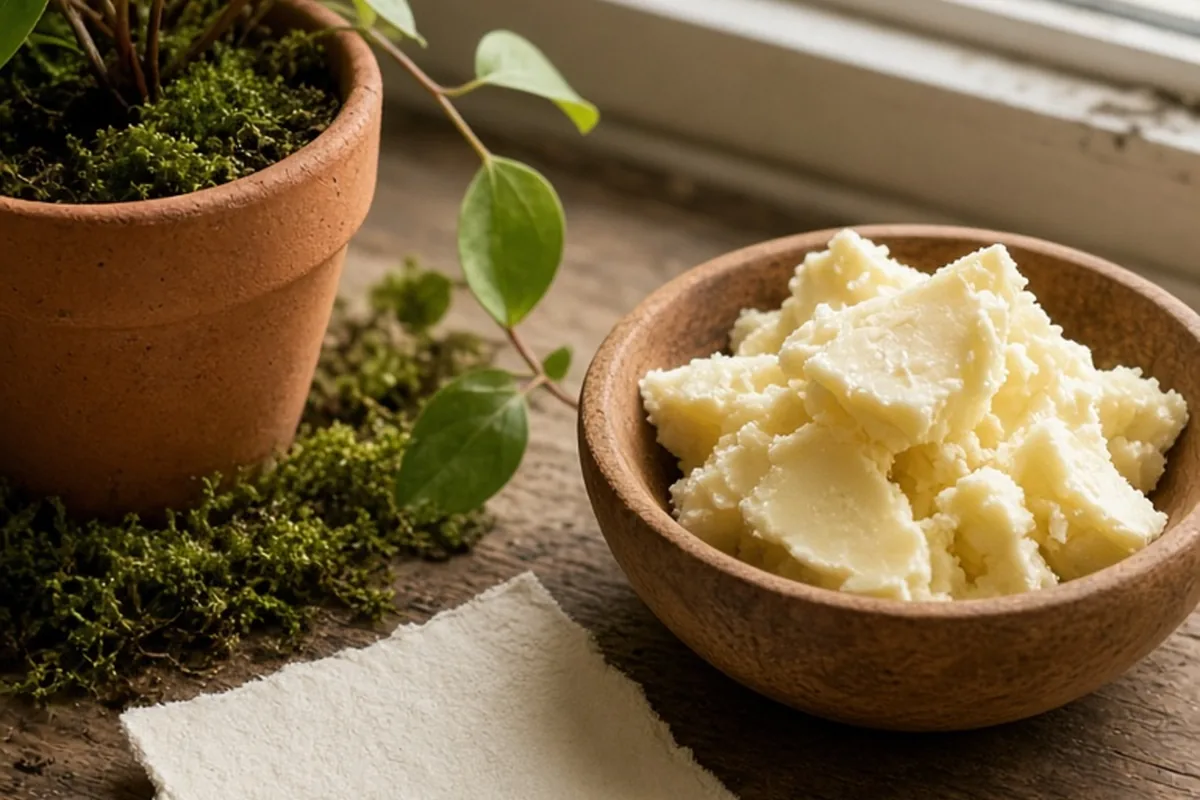
Shea Moisture can be very effective for curly hair, particularly for medium to thick strands, high-porosity textures, and tight curl patterns that crave rich emollients. However, its heavy butter and oil foundations often weigh down fine or low-porosity curls. Success depends entirely on matching the brand's specific product line to your individual hair density, porosity, and protein needs rather than assuming every formula fits all curly hair.
Navigating curly hair care often feels overwhelming when drugstore and salon shelves are packed with dozens of specialized formulas. Understanding how specific ingredients interact with your natural curl pattern helps clarify when Shea Moisture delivers soft definition and when it might lead to unwanted product buildup.
How Shea Moisture Interacts with Different Curl Types
Curl patterns range widely across loose waves, defined spirals, and dense coils, and each category has distinct structural needs. Shea Moisture built its core reputation by formulating products with rich bases like unrefined shea butter, vegetable glycerin, and botanical seed oils. For denser Type 3 curls and Type 4 coils, these emollient-heavy blends provide the substantial lubrication required to prevent friction, minimize breakage during detangling, and seal moisture into thirsty strands that struggle to retain hydration.
Conversely, looser Type 2 waves and fine Type 3 curls often respond differently to standard Shea Moisture formulas. Fine hair shafts have a smaller diameter that can become easily coated by heavy lipid layers, leading to flattened roots, stringy clumps, and a lack of natural volume. If you have looser or finer curls, selecting the brand's weightless or water-based lines rather than their traditional rich creams is essential to preserving bounce while still enjoying adequate curl clump formation.
A practical way to evaluate your curl response is to monitor how long your hair takes to dry after applying styling products. When a rich formula matches your curl density, hair retains flexibility and soft definition as water evaporates. If strands remain greasy or feel waxy hours later, the lipid density of that specific formula is likely too heavy for your hair diameter.
The Decisive Role of Porosity in Product Performance
Porosity describes how easily your hair cuticles absorb and retain moisture, making it a far more reliable indicator of product success than curl pattern alone. High-porosity hair features open or damaged cuticles that absorb water rapidly but lose it just as quickly through evaporation. Shea Moisture's classic heavy formulations excel in this environment because the substantial butter bases create a physical barrier over the compromised cuticle layer, effectively trapping water inside the cortex.
Low-porosity hair presents the opposite dynamic, featuring tightly bound, overlapping cuticles that resist moisture penetration. When thick shea butter and heavy coconut oil are applied to low-porosity strands, the molecules struggle to enter the hair shaft and instead pool on the surface. Over several wash cycles, this creates a persistent film that blocks hydration from getting in, leaving the inner cortex dry and brittle despite a superficially greasy exterior.
To manage low-porosity hair with this brand, look for lighter leave-in formulations featuring aloe vera, lightweight seed oils like jojoba or grapeseed, and minimal heavy butter concentrations. Applying products with warm water or gentle indirect heat can also help lift resistant cuticles, allowing beneficial ingredients to penetrate before sealing.
Analyzing Key Ingredients and Their Functional Trade-Offs
The core foundation of most Shea Moisture products centers on fair-trade raw shea butter, a rich source of fatty acids that softens brittle hair fibers and provides slip. Shea butter functions primarily as an occlusive and emollient agent, smoothing down raised cuticle scales and preventing moisture loss in dry environments. For coarse or chemically processed curls, this ingredient helps restore tactile softness and structural resilience against mechanical styling stress.
Another signature ingredient across many lines is coconut oil, which is renowned for its high lauric acid content and ability to bind to hair proteins. While coconut oil can reduce protein loss in healthy hair, it can make certain hair types feel stiff or straw-like when overused. Silk proteins, neem oil, and vegetable proteins are also frequently added to fortify hair structure, but curls with high protein sensitivity may experience reduced elasticity if balanced moisturizing steps are neglected.
Evaluating ingredient order on the bottle provides clear expectations about performance. When butters and oils dominate the first five listed ingredients, expect heavy sealing and high slip; when water, aloe, or cetearyl alcohol lead the list, the product will offer lighter hydration with less risk of weight.
Matching Popular Shea Moisture Lines to Your Specific Needs
Shea Moisture organizes its catalog into distinct color-coded collections, each engineered for specific structural challenges. The Coconut and Hibiscus line remains one of the most widely used options for curl enhancement and frizz reduction, offering moderate moisture alongside silk proteins for definition in medium-to-thick Type 3 curls. However, those with fine strands often find the combination of coconut oil and shea butter too rich for frequent application.
The Raw Shea Butter collection is formulated specifically for transitioning hair, heat-damaged strands, and severely dry coils that need intensive repair and protective sealing. Meanwhile, the Manuka Honey and Mafura Oil line provides deeply penetrating hydration combined with humectants, making it an excellent candidate for chronically parched, high-porosity hair that requires sustained elasticity without rigid hold.
For individuals with fine, easily overwhelmed hair or low-porosity strands, lines such as the 100% Virgin Coconut Oil or lighter weightless collections offer a more balanced profile. These options prioritize fluid detangling and moisture distribution without leaving a thick residue on the hair surface.
- Coconut and Hibiscus: Best for thick, defined Type 3 curls needing frizz control and moderate protein support.
- Raw Shea Butter: Ideal for dry, damaged, or transitioning curls requiring heavy lipid sealing and moisture retention.
- Manuka Honey and Mafura Oil: Well-suited for high-porosity curls seeking deep conditioning and humectant-driven softness.
- Virgin Coconut Oil or Weightless Lines: Appropriate for fine-to-medium curls that easily lose volume under heavy creams.
Preventing and Managing Product Buildup and Protein Overload
Because many Shea Moisture stylers and conditioners rely on persistent emollients and natural butters, regular cleansing is essential to prevent cumulative buildup. Over time, heavy oils combine with natural sebum and environmental dust, forming an invisible coating that dulls natural shine, weakens curl clumping, and causes scalp congestion. If your curls suddenly lose their elasticity or refuse to hold their shape, excessive residue is often the root cause.
Protein overload is another frequent challenge when using lines enriched with hydrolyzed silk or vegetable proteins on hair that already has low elasticity. When protein accumulates faster than moisture is replenished, curls can feel crunchy, rough, or snap easily during gentle detangling. Balancing protein-rich leave-ins with pure moisturizing deep treatments ensures hair stays supple and flexible rather than brittle.
Integrating a gentle clarifying or chelating shampoo into your routine once or twice a month effectively resets the hair canvas. Follow clarification with a simple, butter-free hydrating conditioner to restore moisture balance without immediately reintroducing heavy surface coatings.
Application Techniques for Maximum Curl Definition and Slip
The way you apply Shea Moisture products directly influences how well they distribute and perform throughout your curls. Applying rich creams to towel-dried or damp hair often results in uneven clumping and localized greasiness because the thick butter cannot glide smoothly across dry friction points. Applying styling lotions or smoothies directly to soaking wet hair allows the water to act as a carrier vehicle, evenly dispersing the emollients across every strand.
Sectioning your hair into four to six manageable segments ensures thorough coverage from mid-lengths to ends while keeping heavy creams away from the scalp area. Utilizing the 'praying hands' technique to smooth products over each section, followed by gentle raking or wide-tooth combing, encourages natural curl families to form without disrupting their alignment.
Once the product is distributed, gently scrunching with a microfiber towel or cotton T-shirt removes excess water and leftover product before air drying or diffusing on low heat. This step prevents the heavier styling agents from pooling at the ends of your curls as they dry.
How to Build a Balanced Routine Around Shea Moisture Products
A successful curly hair regimen rarely relies on a single product type from root to tip. Pairing a rich Shea Moisture styler or deep treatment with lighter complementary products creates a balanced routine that addresses hydration, definition, and scalp cleanliness simultaneously. For example, using a lightweight, sulfate-free lathering cleanser helps maintain a clean scalp foundation before applying richer leave-in conditioners.
If you love the nourishing feel of their deep conditioning masks but find the styling smoothies too dense for daily wear, consider using the intensive treatments solely on wash day while selecting a light, water-based gel or foam for daily refresh steps. This strategy delivers the reparative benefits of rich emollients without compromising daily movement or bounce.
Pay attention to seasonal changes in your environment and adjust your product ratios accordingly. During dry winter months, your curls may readily absorb richer shea butter formulations to counteract low humidity, whereas humid summer weather might require switching to lighter sealants that do not attract excess ambient moisture.
Frequently asked questions
Can Shea Moisture cause my curly hair to feel greasy or weighed down?
Yes, Shea Moisture formulas containing high concentrations of raw shea butter and coconut oil can easily weigh down fine or low-porosity curls. If your hair feels greasy or limp after styling, try using a smaller dime-sized amount or switch to their lightweight, water-based collections.
How often should I use a Shea Moisture deep conditioning mask?
Most curly hair types benefit from using an intensive mask once every one to two weeks, depending on the level of dryness or damage. If your strands feel soft and maintain elasticity, alternating with a lighter rinse-out conditioner prevents excessive butter buildup.
Is Shea Moisture safe for color-treated curly hair?
Many Shea Moisture lines are formulated without sulfates, making them generally gentle on color-treated curls. However, always check specific labels for color-safe claims and ensure regular clarifying to prevent color from appearing dull under heavy oil residue.
How do I know if a Shea Moisture product has too much protein for my hair?
If your curls feel stiff, rough, or brittle and snap easily when gently stretched, they may be experiencing protein overload. To correct this, temporarily pause products listing silk or hydrolyzed proteins and focus on purely moisturizing, protein-free conditioning.
Your next step
Assess your hair porosity and strand thickness first, then select a single targeted Shea Moisture formula suited to your density to test how your curls respond before overhauling your entire routine.