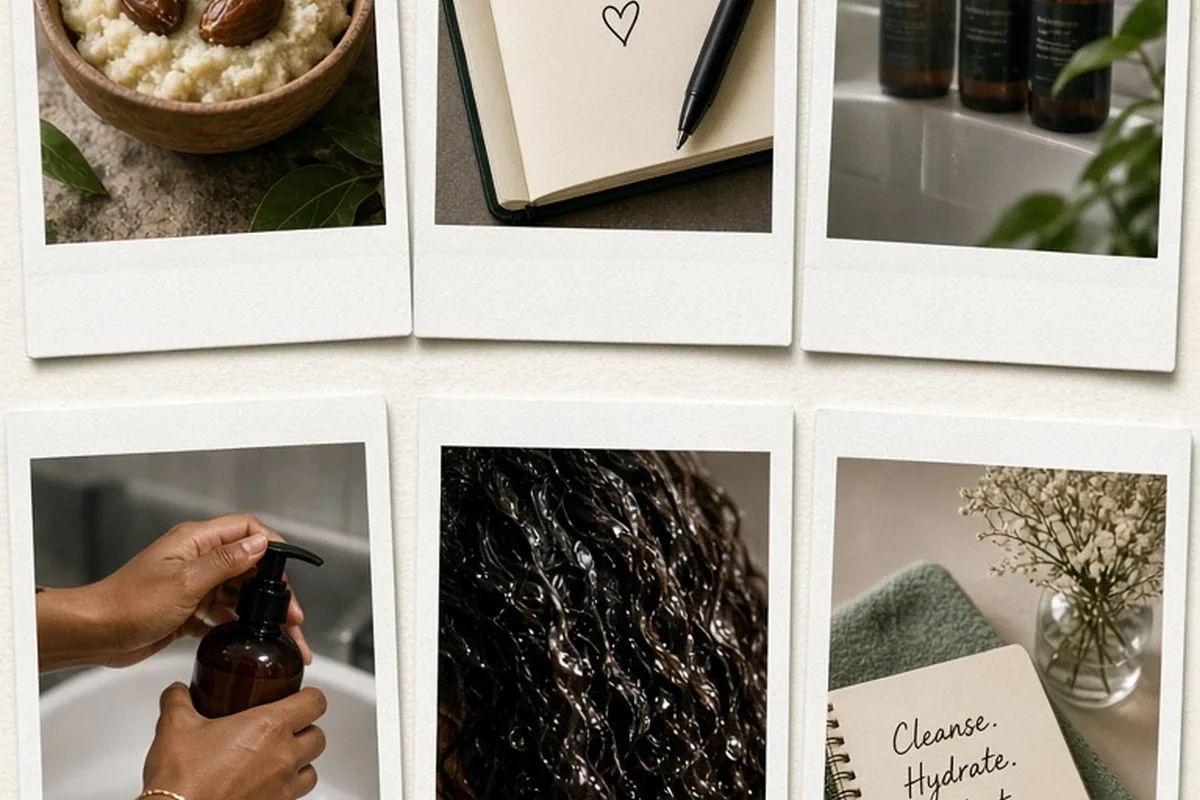
Yes, almost all Shea Moisture shampoos and cleansing conditioners are formulated without harsh sulfates like sodium lauryl sulfate or sodium laureth sulfate. Instead, the brand uses milder plant- and coconut-derived surfactants to cleanse hair without stripping natural sebum. However, because formulas can occasionally vary across specialized product lines or change over time, checking the ingredient list on your specific bottle is always the most reliable step.
Finding a hair cleanser that thoroughly removes product buildup without leaving your strands feeling parched often leads shoppers directly to Shea Moisture. Known for rich, plant-based formulas featuring raw shea butter and botanical oils, the brand built its reputation around gentle care for textured, dry, and color-treated hair. Understanding exactly what cleanses your hair helps you choose the right formula for your specific wash day needs.
The Core Formula and Why Shea Moisture Skips Traditional Sulfates
Traditional shampoos often rely on synthetic surfactants such as sodium lauryl sulfate (SLS) and sodium laureth sulfate (SLES) to generate a dense, bubbly lather. While these ingredients are exceptionally effective at dissolving oils and dirt, their aggressive cleansing action frequently strips away the natural lipid barrier protecting the hair cuticle and scalp. For individuals with dry, curly, coiled, or chemically processed hair, repeated exposure to strong sulfates can result in elevated porosity, dullness, frizz, and increased breakage.
Shea Moisture deliberately avoids these harsh cleansing agents across its core collections. To lift dirt, sweat, and styling residue without causing moisture loss, the brand formulates with gentle, plant-derived alternatives. Cleansers like cocamidopropyl betaine, sodium lauroyl methyl isethionate, and decyl glucoside break down surface debris while maintaining the natural moisture balance of your scalp. These ingredients allow water to bind with oil and rinse away cleanly without degrading the structural integrity of fragile hair strands.
A practical trade-off of this milder surfactant blend is that you will notice a distinct difference in lather volume compared to conventional drugstore shampoos. Plant-based cleansers typically yield a softer, lower-foaming lather that relies more on mechanical agitation and warm water to disperse across the scalp. While this can feel unfamiliar at first, the absence of aggressive detergents preserves your natural curl definition and extends the lifespan of professional hair color.
How to Read Shea Moisture Ingredient Labels for Cleansing Agents
Evaluating a shampoo bottle requires looking past front-label marketing claims and examining the International Nomenclature of Cosmetic Ingredients (INCI) list printed on the back. Ingredients are listed in descending order of concentration, meaning the first five to six components make up the overwhelming majority of the formula. In a typical Shea Moisture shampoo, water or aloe vera juice appears first, followed immediately by gentle primary and secondary surfactants, emollient oils, and botanical extracts.
When reviewing the ingredient deck, it is helpful to recognize that not every scientific-sounding name indicates a harsh sulfate. For example, sodium cocoyl isethionate and sodium methyl cocoyl taurate are mild, coconut-derived cleansers that are safe for color-treated and sensitive hair. Conversely, if you want to avoid harsh detergents completely, you should scan the list specifically for terms containing lauryl sulfate or laureth sulfate, which rarely appear in standard Shea Moisture cleansers.
Because cosmetic companies periodically update their recipes to comply with sourcing availability or regional cosmetic regulations, checking the physical packaging before purchasing is a sensible habit. An online retailer might occasionally display an older ingredient panel, whereas the physical bottle on the store shelf will reflect the exact current formulation. Taking thirty seconds to inspect the top half of the ingredient list ensures you are getting the gentle cleansing profile you expect.
- Gentle surfactants to look for: Cocamidopropyl Betaine, Sodium Lauroyl Methyl Isethionate, Decyl Glucoside, Sodium Cocoyl Isethionate.
- Harsh detergents to avoid if seeking sulfate-free options: Sodium Lauryl Sulfate (SLS), Sodium Laureth Sulfate (SLES), Ammonium Lauryl Sulfate (ALS).
Matching Formulas to Your Hair Porosity and Density
Even when every shampoo in a brand line is sulfate-free, that does not mean every bottle will suit your unique hair texture. Shea Moisture is widely recognized for incorporating heavy emollients such as certified organic raw shea butter, Jamaican black castor oil, coconut oil, and mafura oil. These rich ingredients provide intense nourishment for thick, high-porosity strands that lose moisture quickly, but they can easily overwhelm finer or low-porosity hair types.
If you have high-porosity or tightly coiled hair, your cuticle layer tends to remain open, allowing hydration to escape rapidly. Formulas such as the Raw Shea Butter Moisture Retention Shampoo or the Jamaican Black Castor Oil Strengthen & Restore Shampoo deliver heavy conditioning agents alongside mild cleansers. These ingredients coat the cuticle, reduce moisture evaporation, and provide the slip needed to detangle delicate curls during the washing process.
Conversely, if you have fine hair, straight hair, or low-porosity strands with tightly closed cuticles, heavy plant butters can lead to limp strands and rapid product accumulation. In this case, choosing lighter, volumizing formulations—such as the 100% Virgin Coconut Oil Daily Hydration line or formulas based on fruit extracts and bamboo charcoal—allows you to enjoy sulfate-free cleansing without sacrificing natural volume and bounce.
Managing Product Buildup and Adjusting Your Washing Technique
One common challenge with long-term sulfate-free hair care is the gradual accumulation of non-water-soluble ingredients on the scalp and hair shaft. Heavy leave-in conditioners, edge controls, thick pomades, and insoluble silicones cannot always be completely removed by gentle, coconut-based surfactants alone. Over several weeks, this residual film can leave the hair feeling dull, waxy, or resistant to absorbing fresh water and conditioner.
To prevent buildup without resorting to harsh daily detergents, refining your physical wash technique is essential. Because gentle cleansers do not lather aggressively on contact, you must saturate your hair thoroughly with warm water before applying product. Sectioning your hair into four manageable quadrants allows you to distribute the shampoo directly onto the scalp rather than piling your hair on top of your head, which can cause friction and tangles.
Spend at least two full minutes using the pads of your fingers or a flexible silicone scalp scrubber to massage the roots systematically. This manual friction dislodges dead skin cells, environmental dust, and oxidized sebum far more effectively than relying on chemical detergents alone. Rinse with abundant running water, allowing the diluted lather to wash down the mid-lengths and ends without scrubbing the fragile ends directly.
Moisturizing Cleansers Versus Clarifying Options in the Brand Lineup
A well-rounded hair regimen often requires alternating between different types of cleansers depending on your weekly activities and styling habits. Shea Moisture categorizes its cleansers into daily or weekly moisturizing shampoos and targeted clarifying options. While both categories are typically sulfate-free, their functional balances of surfactants and botanical oils serve distinctly different purposes on wash day.
Moisturizing options, like the Manuka Honey & Intensive Hydration Shampoo, contain high concentrations of humectants and fatty acids designed to deposit conditioning agents while lifting surface dirt. These are ideal for routine wash days when your hair feels dry or slightly tangled. However, relying exclusively on heavily moisturizing formulas week after week can eventually create product buildup, particularly if you regularly use dense styling creams or workout frequently.
To reset your scalp environment, incorporating a targeted clarifying formula every three to four weeks is beneficial. Products like the African Black Soap Bamboo Charcoal Deep Cleansing Shampoo or apple cider vinegar rinses provide a deeper clean. They use absorbent charcoal, tea tree oil, and mild fruit acids to dissolve stubborn buildup and unclog hair follicles without using harsh sodium lauryl sulfate, leaving the scalp refreshed and receptive to deep conditioning treatments.
Best Practices for Transitioning to a Sulfate-Free Routine
Transitioning from conventional foaming shampoos to a gentle, sulfate-free routine often involves an adjustment period of two to four weeks. During this window, your scalp may temporarily feel slightly oilier as your sebaceous glands adapt to the absence of stripping detergents. Alternatively, your hair might feel temporarily rough if decades of silicone-heavy products are washed away, revealing the underlying state of your hair cuticles.
To make the transition seamless, pair your sulfate-free Shea Moisture shampoo with water-soluble styling products and lightweight leave-in conditioners. If you notice your roots feeling coated after washing, resist the urge to simply apply more shampoo; instead, increase the volume of water you use and spend more time massaging your scalp before rinsing. Adjusting your water temperature to warm rather than hot also helps open the cuticle gently without dehydrating your scalp.
Pay attention to how your hair responds over time. If your strands feel soft, manageable, and retain their natural pattern between washes, your balance of gentle cleansing and moisturizing is on track. If your scalp becomes persistently flaky or your hair appears weighed down, rotate in a gentle clarifying wash and reduce the quantity of heavy styling creams applied near your root area.
Frequently asked questions
Are all Shea Moisture shampoos completely sulfate-free?
Virtually all standard Shea Moisture shampoos and cleansing products are formulated without harsh sulfates like SLS and SLES. However, because formulas can vary across specialized collections or regional distribution, checking the back ingredient label on your specific bottle is always the best practice.
Can a sulfate-free shampoo still clean an oily scalp effectively?
Yes, sulfate-free shampoos clean effectively by using milder, plant-derived surfactants that bind to oil and dirt so they can be rinsed away. For best results on an oily scalp, thoroughly massage the roots for two minutes and consider using a clarifying formula once or twice a month.
Why does my hair feel coated or heavy after using Shea Moisture?
Many Shea Moisture lines contain rich, heavy emollients like raw shea butter and castor oil, which can weigh down fine or low-porosity hair. If your hair feels coated, switch to one of the brand's lighter formulations and ensure you are thoroughly rinsing with warm water.
Is Shea Moisture safe to use on color-treated or chemically relaxed hair?
Yes, because the formulas exclude harsh stripping detergents, they are generally gentle on color-treated and chemically processed hair. The absence of strong sulfates helps preserve artificial pigment and prevents excessive moisture loss in chemically fragile strands.
Your next step
Check the ingredient deck on your selected Shea Moisture bottle for gentle surfactants like cocamidopropyl betaine, match the richness of the formula to your hair density, and spend extra time massaging your scalp with warm water for a thorough, moisture-balanced cleanse.