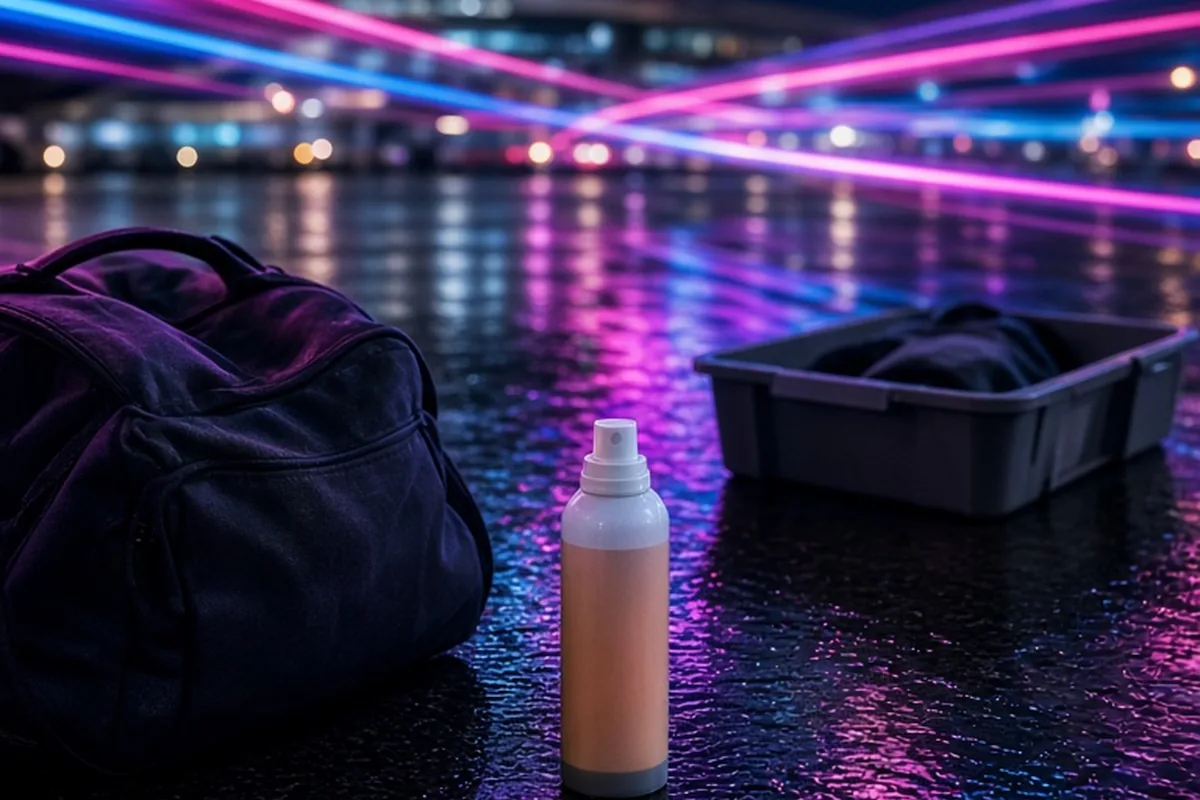
Yes, sunscreen spray is allowed on planes, but strict container size limits apply depending on where you pack it. For carry-on bags, spray sunscreen must be in a container of 3.4 fluid ounces (100 milliliters) or smaller and fit inside a quart-sized clear bag. In checked luggage, you can bring larger containers up to 18 fluid ounces each, provided the nozzle is protected against accidental discharge.
Packing sun protection for a flight can get confusing quickly because aerosol cans face specific aviation security rules. Understanding how airport security classifies sprays helps you avoid confiscated products at the checkpoint and keeps your luggage clean throughout your journey.
Carry-On Rules and the Standard Liquids Restriction
The Transportation Security Administration treats all aerosol and pump sprays as liquids under the standard 3-1-1 liquids rule. This means any sunscreen spray you intend to take through the passenger checkpoint must be packaged in a bottle or canister that holds no more than 3.4 fluid ounces, which translates to 100 milliliters. It is important to note that security officers evaluate the capacity printed on the container rather than the amount of product remaining inside. Carrying an eight-ounce can that is nearly empty will still result in confiscation at the screening line.
Your travel-sized sunscreen spray must also fit comfortably inside a single, transparent, quart-sized zip-top bag alongside your other travel liquids, pastes, and gels. Only one quart-sized bag is permitted per passenger. Because aerosol cans are rigid and bulkier than soft squeeze tubes, selecting slim travel-size bottles helps you maximize limited bag space. If you are traveling as a group or family, each ticketed passenger can carry their own quart-sized bag, allowing you to distribute multiple travel-sized spray bottles among your personal items.
Checked Baggage Limits and Hazardous Material Exemptions
If you prefer to bring full-sized bottles for an extended beach holiday, placing them in your checked luggage is usually the best approach. Under Federal Aviation Administration guidelines and TSA regulations, personal care and toiletry aerosols are classified as non-radioactive medicinal or toilet articles, making them an explicit exception to broader hazardous materials bans. This exception allows passengers to transport standard body sprays, deodorants, hairsprays, and aerosol sunscreens in cargo holds.
Strict aggregate quantity limits still govern checked aerosols to protect aircraft safety. A single passenger may transport a total aggregate quantity of personal toiletry aerosols not exceeding 70 fluid ounces or 2 kilograms across all containers. Additionally, each individual aerosol container cannot exceed a capacity of 18 fluid ounces or 500 milliliters. Most standard retail sunscreen cans range between 5 and 8 fluid ounces, meaning you can easily pack two or three full-sized cans in a checked suitcase without approaching the regulatory ceiling.
Aerosol Versus Continuous Mist and Pump Sprays
Aviation security treats aerosol cans and traditional pump sprays slightly differently, even though both are subject to the same carry-on volume caps. Aerosol sunscreen uses pressurized propellant gases, such as propane, butane, or compressed air, to produce a continuous fine mist. Because of the pressurized gas and flammable propellants, aerosols are subject to cargo safety restrictions regarding total volume and nozzle protection. Pump sprays and trigger mists operate without internal pressure or chemical propellants, relying instead on manual suction.
When packing pump-style sunscreen sprays, you do not need to worry about aggregate hazardous material weight thresholds in checked bags to the same degree, though standard airline weight allowances still apply. For carry-on bags, however, both varieties remain strictly bound to the 3.4-ounce limit. If you are deciding between formats for air travel, manual pump sprays often present less risk of accidental continuous discharge in transit, while aerosol sprays provide quicker, more even coverage once you arrive at your destination.
Nozzle Protection and Preventing In-Flight Disasters
Federal regulations mandate that all aerosol containers placed in checked baggage must have protected release mechanisms to prevent unintentional discharge caused by shifting baggage or external handling. An aerosol spray that accidentally depresses inside a suitcase can coat clothing, damage electronics, and saturate luggage liners. TSA officers are authorized to remove aerosols if the spray button is fully exposed and vulnerable to being pressed during normal baggage handling.
Ensure your sunscreen spray retains its original manufacturer cap, or verify that it features an integrated twist-lock collar before packing. For added security, place a strip of painter tape over the cap seam to keep it anchored under rough handling. Slipping the entire bottle into a sealed, heavy-duty gallon storage bag or a waterproof toiletry pouch adds a crucial second layer of defense against potential valve leaks or pressure-induced seepage.
International Aviation Differences and Destination Regulations
While TSA rules govern domestic departures within the United States, international aviation authorities enforce their own local standards. Most global civil aviation authorities, including the European Union Aviation Safety Agency, Transport Canada, and the UK Civil Aviation Authority, align with the 100-milliliter carry-on restriction. However, the exact allowances for toiletry aerosols in checked luggage can vary depending on the country of departure and specific airline operating conditions.
Certain tropical destinations also regulate the chemical ingredients contained inside your sunscreen spray to protect marine ecosystems and coral reefs. Island destinations such as Hawaii, the US Virgin Islands, Palau, and parts of Mexico restrict sunscreens formulated with oxybenzone, octinoxate, and other specific chemical filters. When purchasing sunscreen for air travel, check both the packaging size and the active ingredient list to ensure compliance with local environmental laws upon arrival.
Smart Sun Protection Strategies for Frequent Flyers
Relying solely on travel-sized spray bottles can be inefficient because a 3.4-ounce aerosol can generally contains only two to three full-body applications. The propellant inside takes up a notable portion of the canister volume, yielding less usable lotion than an equivalent volume in a squeeze tube. If you are flying carry-on only for a multi-day trip, combining different sun protection formats provides better overall coverage without consuming your liquid allowance.
Consider packing a concentrated lotion or solid sunscreen stick for your primary facial and neck application, reserving a small travel spray strictly for touch-ups. Alternatively, you can purchase full-sized bottles at a local grocery store or pharmacy after landing at your destination. This approach eliminates packing weight, prevents luggage spills, and guarantees you have an ample supply of fresh sunscreen for the duration of your stay.
Frequently asked questions
Can I use spray sunscreen while inside an airplane cabin?
Using spray sunscreen inside the enclosed cabin of an airplane is strongly discouraged because the airborne mist and propellants can irritate the eyes, throat, and respiratory tracts of fellow passengers. If you need sun protection near a window seat during flight, apply a solid stick or a gentle lotion instead.
Does unopened sunscreen spray expand or explode in checked luggage?
Commercial aerosol cans are designed to withstand standard atmospheric pressure fluctuations experienced in modern pressurized cargo holds. While the container will not explode, pressure shifts can cause loose nozzles to leak slightly, which is why locking caps and plastic outer bags are recommended.
What happens if my spray sunscreen bottle has no size label on it?
Airport security officers must be able to verify that a carry-on liquid or spray container is 3.4 ounces (100 milliliters) or smaller by reading the printed manufacturer label. If the label is rubbed off, missing, or illegible, the officer may confiscate the item at the checkpoint regardless of its actual physical size.
Can I pack insect repellent spray with sunscreen in the same checked bag?
Yes, you can pack combination sunscreen and insect repellent sprays or separate bottles in your checked bag, provided the repellent is meant for personal skin application and falls within the total aggregate limit of 70 fluid ounces. Industrial insecticides or sprays not formulated for skin contact are strictly prohibited.
Your next step
Check the printed volume label on your sunscreen can today, ensure the protective cap fits securely, and place the bottle in a sealed plastic bag before packing.