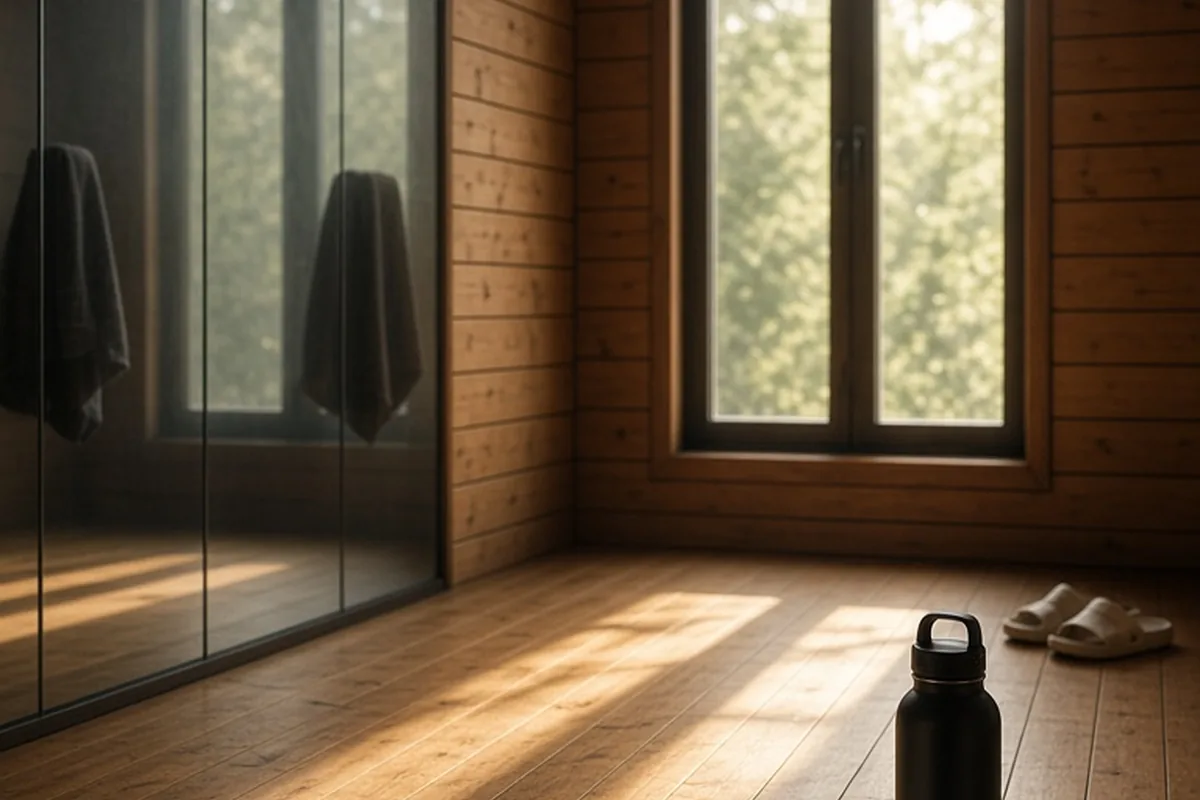
A sauna can support clear skin by increasing surface circulation, loosening trapped sebum, and promoting sweat that flushes superficial dirt from open pores. However, prolonged heat and lingering perspiration can also aggravate inflammatory acne, trigger fungal breakouts, or cause heat rashes. Whether a sauna helps or hurts your skin depends on your acne type, session duration, and how quickly you cleanse afterward.
Spending time in a heated sauna is widely enjoyed for relaxation and recovery, but individuals managing frequent breakouts often wonder if thermal exposure helps clear pores or triggers new flare-ups.
How Heat and Perspiration Affect Breakout-Prone Skin
When you sit in a heated room, your core temperature rises, prompting blood vessels to dilate and cutaneous circulation to surge. This increased blood flow delivers oxygen and micronutrients directly to the dermal layers while encouraging the sweat glands to release moisture. As sweat moves through the pores toward the surface of the skin, it can physically rinse away superficial debris, dead epidermal cells, and softened sebum that might otherwise contribute to microcomedones.
At the same time, intense heat acts as a physiological stressor on delicate facial tissue. High ambient temperatures can stimulate the sebaceous glands to produce more surface oil in response to rapid dehydration. If that elevated oil mixes with perspiration, ambient bacteria, and cosmetic residues without prompt cleansing, the resulting mixture can create a breeding ground for Cutibacterium acnes, turning an otherwise beneficial session into a source of fresh congestion.
Comparing Dry Saunas, Infrared Cabins, and Steam Rooms
Different heated environments interact with acne-prone complexions in distinct ways. Traditional dry saunas operate at high temperatures with low ambient humidity, encouraging rapid evaporation of sweat. This relatively dry heat allows the skin to flush without creating a prolonged, swampy surface layer, making it a reliable option for individuals whose breakouts stem primarily from excess oil and blocked pores.
Infrared saunas utilize light waves to warm the body directly at slightly lower ambient temperatures, which many people find gentler on sensitive or reactive skin barriers. In contrast, steam rooms combine moderate heat with nearly one hundred percent humidity. While steam excels at softening stubborn comedones and facilitating gentle exfoliation, the persistent dampness can cause skin maceration and provide an ideal environment for moisture-loving microbes to spread across vulnerable areas.
- Traditional dry saunas: High heat with low humidity, encouraging profuse sweating with rapid surface evaporation.
- Infrared saunas: Lower ambient temperatures with deep radiant heat, reducing immediate surface irritation for sensitive skin.
- Steam rooms: High moisture and heat, which softens stubborn plugs but increases microbial risks if left on the skin.
Distinguishing Acne Vulgaris from Heat Rash and Fungal Breakouts
Not every bump that appears after a sauna session is classic acne vulgaris. Heavy sweating combined with thermal occlusion frequently leads to miliaria rubra, commonly known as heat rash, which occurs when sweat ducts become physically blocked deep within the epidermis. These small, intensely red, itchy bumps can easily be mistaken for an inflammatory acne breakout, but they require cooling and airflow rather than drying acne spot treatments.
Another frequent post-sauna issue is pityrosporum folliculitis, often referred to as fungal acne. This condition is caused by an overgrowth of Malassezia yeast, an organism naturally present on human skin that thrives in warm, humid, and sweaty environments. Applying standard benzoyl peroxide or heavy moisturizers to fungal breakouts often exacerbates the problem, making accurate identification essential before you decide how to adjust your sauna routine.
Essential Pre-Sauna Skin Preparation Steps
Entering a sauna with a face covered in foundation, tinted moisturizer, or heavy sunscreen almost guarantees clogged pores. As heat opens follicular openings and stimulates sweat production, cosmetic pigments and emulsifiers blend with liquefied sebum, forming an occlusive barrier that traps bacteria beneath the skin surface. A gentle pre-sauna rinse with a mild, foaming or gel cleanser clears away daily pollution and makeup, allowing sweat to flow unhindered.
It is equally important to avoid applying potent active ingredients right before stepping into the heat. Exfoliating acids such as glycolic or salicylic acid, as well as topical retinoids, increase the skin's sensitivity to thermal stress and can lead to immediate burning, severe erythema, or barrier breakdown. Keep your pre-sauna routine minimal, focusing solely on clean, bare skin and adequate internal hydration by drinking water before entering.
The Post-Sauna Cleansing and Rehydration Protocol
The actions you take within the first fifteen minutes following a sauna session largely dictate its impact on your skin clarity. As your body cools, evaporated sweat leaves behind dried mineral salts, urea, and concentrated surface bacteria that can irritate the skin barrier if left to dry completely. Rinsing your face and body with lukewarm water as soon as you exit removes these residues before your pores contract.
After cleansing, gently pat the skin dry with a clean towel and focus on replenishing lost moisture without clogging vulnerable pores. Reach for light, water-based hydrators containing ingredients like glycerin or hyaluronic acid, followed by an oil-free, non-comedogenic lotion. Avoid rich balms or heavy facial oils immediately after heat exposure, as thick occlusives can trap lingering heat within the skin tissue and spark localized irritation.
Adjusting Frequency and Duration for Specific Skin Concerns
Tolerance for sauna sessions varies widely across different skin profiles. Those with resilient, oily, or congestion-prone complexions often benefit from two to three sessions per week, lasting roughly ten to fifteen minutes each. This schedule provides consistent circulation benefits and helps soften stubborn sebaceous filaments without overly stressing the moisture barrier.
Conversely, individuals dealing with active cystic lesions, inflammatory papules, or overlapping conditions like rosacea should exercise caution. Excessive heat can induce intense facial flushing and trigger inflammatory pathways that make cystic blemishes more painful and swollen. If your skin leans toward inflammatory sensitivity, limit sessions to five to ten minutes at moderate temperatures, and monitor how your complexion responds over forty-eight hours.
Hygiene Precautions in Public Spas and Fitness Centers
Public and commercial saunas present unique hygiene challenges that directly influence skin health. Benches, backrests, and grab handles in gym facilities host sweat residues and bacteria from numerous individuals throughout the day. Direct skin contact with these communal surfaces can transfer troublesome pathogens to your shoulders, back, and chest, causing stubborn body breakouts.
To safeguard your skin, always sit on a clean, dedicated cotton towel rather than directly on the wooden slats. Resist the urge to wipe dripping sweat from your forehead with bare hands or a towel that has touched gym equipment. Instead, gently blot your face with a fresh, clean microfiber cloth, and transition directly to the shower before changing into fresh, breathable clothing.
Frequently asked questions
Can sitting in a sauna draw out deep cystic pimples faster?
While heat increases circulation and can soften surface tissue, it does not reliably draw out deep cysts and may actually increase localized inflammation. High temperatures can make deep, tender blemishes more swollen and uncomfortable, so gentle cold compresses are often more soothing for active cysts.
Should I wash my face with cold water immediately after a sauna?
Lukewarm water is the best choice for your initial post-sauna rinse because it effectively dissolves dried sweat and oils without shocking the skin. You can finish with cool water to help calm facial redness, but avoid freezing temperatures that might irritate sensitized capillaries.
Is an infrared sauna better for acne than a traditional steam room?
Infrared saunas are generally preferred for acne-prone skin because they provide gentle, dry warmth at lower ambient temperatures. Steam rooms create high humidity that can encourage bacterial and fungal growth if sweat lingers on the skin after your session.
Your next step
Test a single ten-minute dry sauna session with completely clean skin, rinse with lukewarm water immediately afterward, and observe your skin for two days before establishing a regular routine.